The network for creativity
Join 1.25M professional creatives like you
Connect with clients, get discovered, and run your business 100% commission-free
Creatives on Contra have earned over $150M and we are just getting started
Back to feedPost

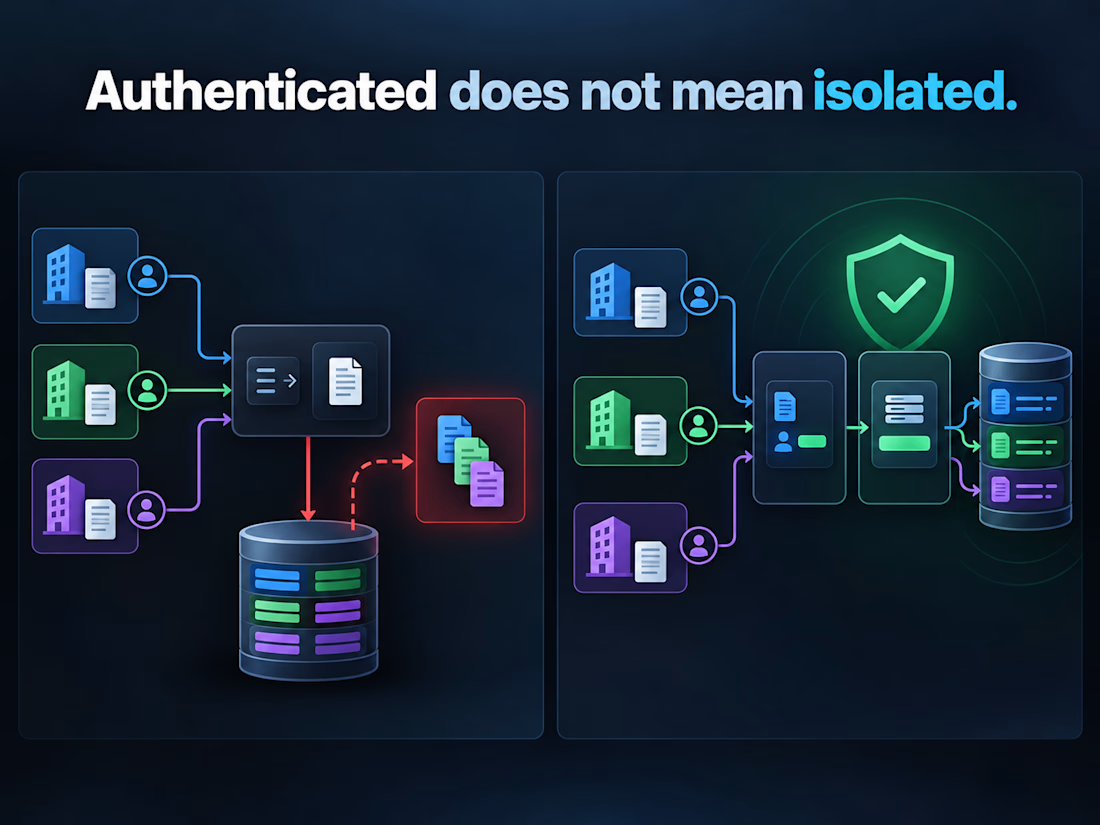
Authenticated does not mean isolated.
I mocked up a small multi-tenant operations SaaS today: three companies, four roles, and 60 synthetic records. Every route required a valid session. Every role check passed. One export endpoint still returned records belonging to all three companies.
The tenant filter was being applied after aggregation.
More authentication middleware would not have fixed it. The solution was to move tenant identity into the data-access contract:
• tenant_id required by every repository method
• database row policies as a second boundary
• composite keys that include the tenant
• integration tests that deliberately query as the wrong tenant
• background exports carrying tenant context from creation through storage
The uncomfortable part was that the UI looked completely correct. Only the exported CSV exposed the failure.
Many SaaS teams test, “Can this user access the endpoint?” Far fewer test, “Can this valid user ever see another customer’s data?”
Which layer do you trust for tenant isolation: application, database, or both?
#SaaSSecurity #BackendEngineering #MultiTenant
The network for creativity
Join 1.25M professional creatives like you
Connect with clients, get discovered, and run your business 100% commission-free
Creatives on Contra have earned over $150M and we are just getting started








Related posts

The brief was simple. Show a new personalized news feature.
The obvious solution was to show a few clicks in the UI as you choose your topics. Clear, but not very interesting.
So I pulled that moment out of the interface first and turned it into a cloud of topics. You get the idea before you even see the product, then the video drops you back into the real UI and shows where it lives.
I really like these tiny decisions. The feature stays the same, but it feels easier to get and a lot more fun to watch.


Pulling the topic cloud outside the UI makes the feature instantly clearer.
A SaaS interface can look cinematic. That first impression can make people want to explore the product.
These style frames were designed for Rivet Health’s product video, using light, scale and 3D depth to build emotion around the real UI.

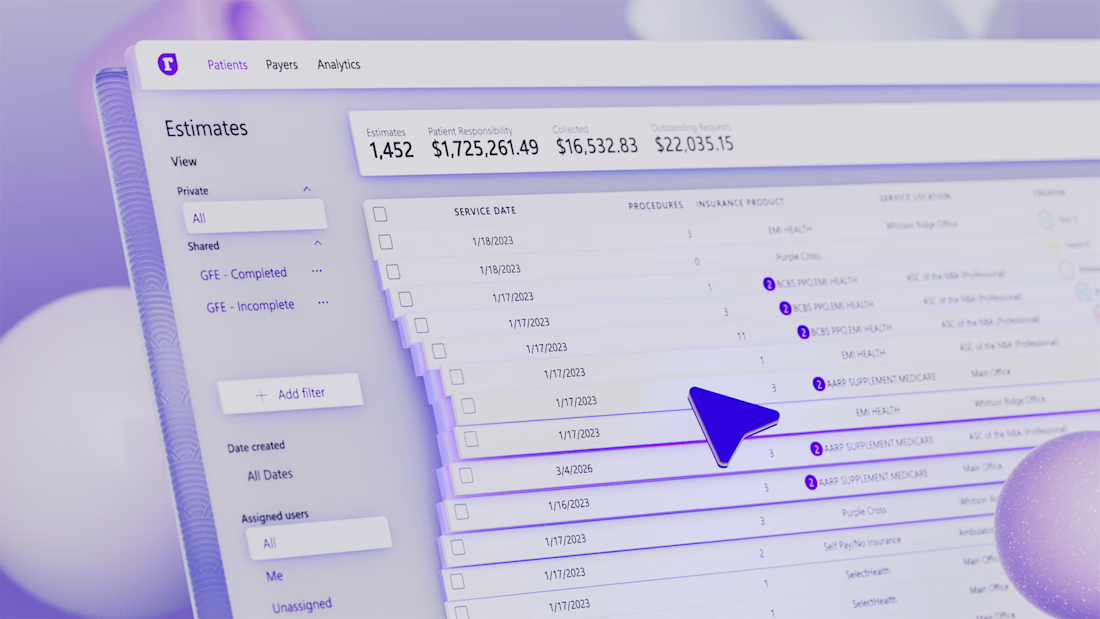
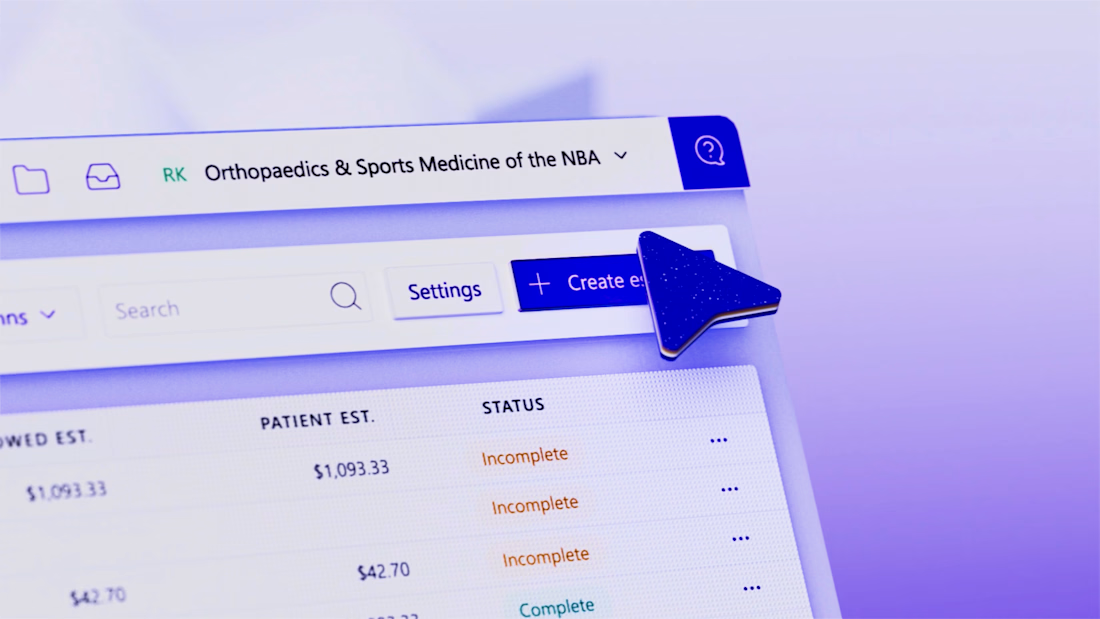
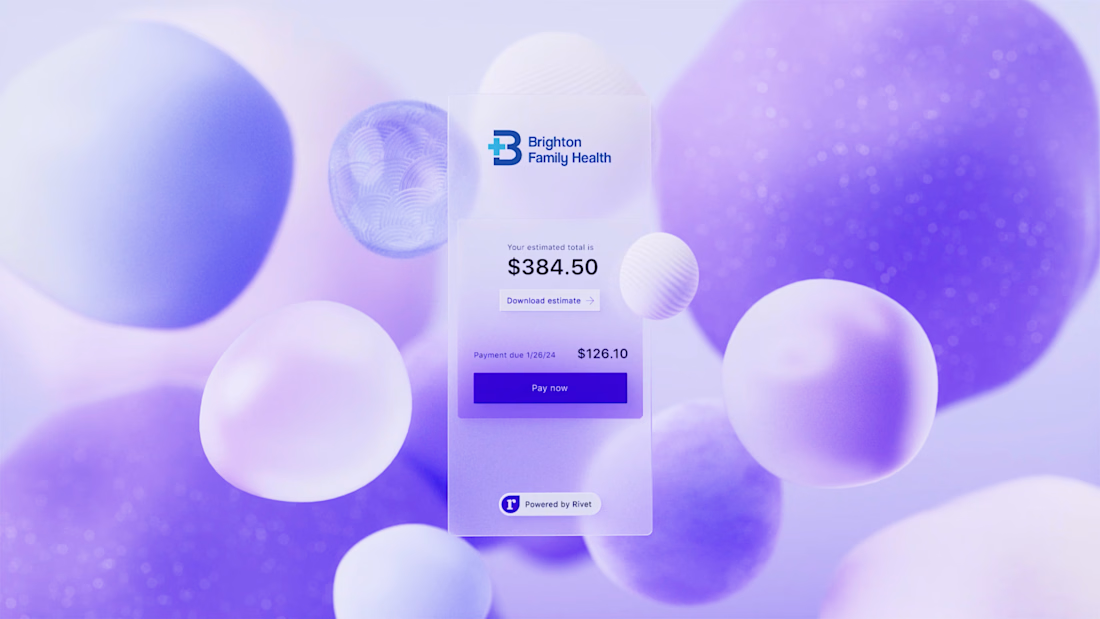
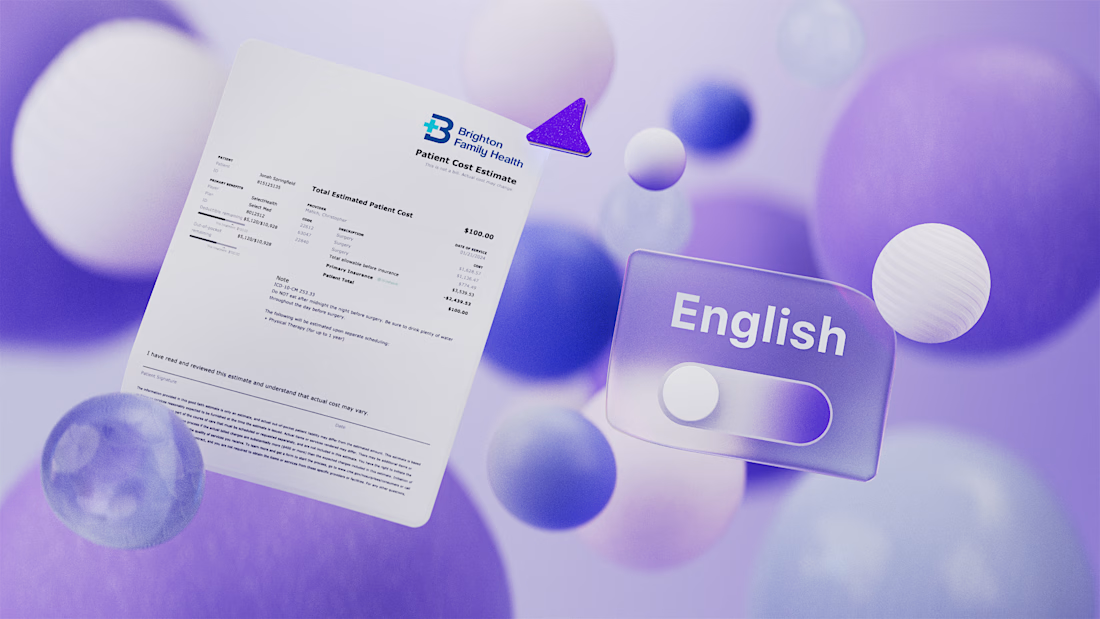


Love how the 3D depth makes the real UI feel cinematic without losing focus on the product.
One scene, from the rough visual to the final shot 👀
Made a quick breakdown of how the 3D, lighting, materials, textures, and motion came together.
This is probably my favorite kind of content to make. Just showing how the thing actually gets built.
