The network for creativity
Join 1.25M professional creatives like you
Connect with clients, get discovered, and run your business 100% commission-free
Creatives on Contra have earned over $150M and we are just getting started
Back to feedPost

BioAqua — IoT Monitoring Platform
Project Overview
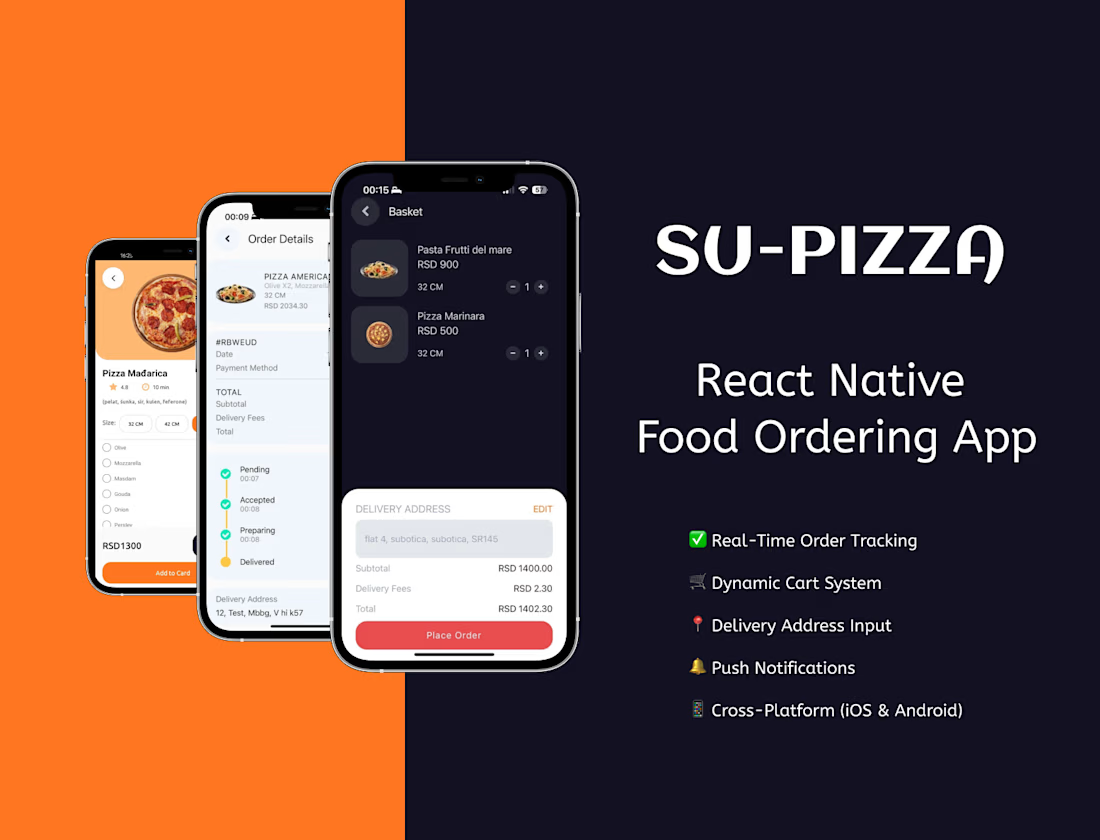
Developed Supizza, a full-stack food ordering and delivery platform designed to connect customers, restaurant operations, and delivery workflows through a unified web and mobile ecosystem.
The platform includes a customer-facing ordering experience, administrative tools for managing products and orders, and mobile applications for Android and iOS. The system was built to support the complete ordering journey, from browsing the menu and placing an order to backend processing and delivery management.
The project involved development across the frontend, backend, database, mobile, and cloud infrastructure, creating a connected platform that could serve multiple user experiences from the same backend services.
Technical Implementation
Web Frontend
Built the customer-facing web application using React.js, providing a responsive experience for browsing products, managing selections, and placing orders.
Mobile Applications
Developed cross-platform applications for Android and iOS using React Native, allowing the mobile experience to share a common codebase while supporting native device functionality.
Backend & APIs
Implemented backend services using Node.js, providing REST APIs used by the web application, mobile applications, and administrative interfaces.
Database
Used MongoDB to manage application data including users, products, orders, and other operational records.
Admin & Operations
Built administrative functionality for managing application content and operational workflows, allowing the platform to be controlled without direct database access.
Cloud Infrastructure
Hosted and operated the platform using AWS, supporting backend services, application infrastructure, and production deployment.
Architecture
Designed the system as a multi-platform architecture where the web application, React Native mobile apps, and administrative tools communicate with shared Node.js backend services and MongoDB data storage.
Technical Stack
Frontend: React.js
Mobile: React Native
Platforms: Android, iOS
Backend: Node.js
Database: MongoDB
Cloud: AWS
Architecture: REST API-based full-stack platform
Product Type: Food ordering & delivery / e-commerce platform


The network for creativity
Join 1.25M professional creatives like you
Connect with clients, get discovered, and run your business 100% commission-free
Creatives on Contra have earned over $150M and we are just getting started





Related posts

no-code.supply is open.
I've been quietly building landing page templates. Six are out today, each with its own brand, its own type pairing and one interaction it's built around:
→ Aurel: a skincare brand with a WebGL serum drop that bulges toward your cursor
→ Ferro Type: a type foundry where the hero word bends its weight and width under the pointer
→ Meridian Expeditions: contour maps that redraw themselves as you switch routes
→ Oda: an architecture studio whose timber cabin draws itself, with a live sun study
→ Relay: a dev tool where the editor types a workflow and the run graph executes it live
→ Signal: a mission-control SaaS with a live infrastructure graph that contains threats as they flare
Built to be edited with AI. Every template ships with a README, a DESIGN.md and an AGENTS.md, so Claude, Cursor or whatever assistant you use changes it the way it was built, not the way it guesses.
Pricing, per template:
• HTML: $29
• React: $59
• Bundle (HTML + React): $79
Or get All-Access for $169: all six templates, both editions, plus every future drop. Nine more are on the way, at no extra cost.
No page builder, no lock-in, no third-party requests.
If you build sites for clients, I'd love to hear which one you'd use first.


Ferro Type is the one I would open first. Bending a variable font under the pointer re-lays out the text every frame, which is a much bigger bill than it looks, and stepping the weight in a few fixed increments is usually what keeps it smooth on a laptop that is not plugged in....

I conceptualized and engineered this interactive manuscript recovery interface for Palimpsest Lab .
The build bridges the gap between archival scholarship and technical UI, pairing classical book typography with real-time multispectral simulation. Crafting a live wavelength scrubber that sweeps from 365 nm ultraviolet fluorescence to 940 nm infrared; letting visitors uncover an erased fifth-century Greek geometry treatise hidden beneath a medieval Latin prayer book; turned scientific telemetry into a hands-on story where every control has a clear, functional purpose.


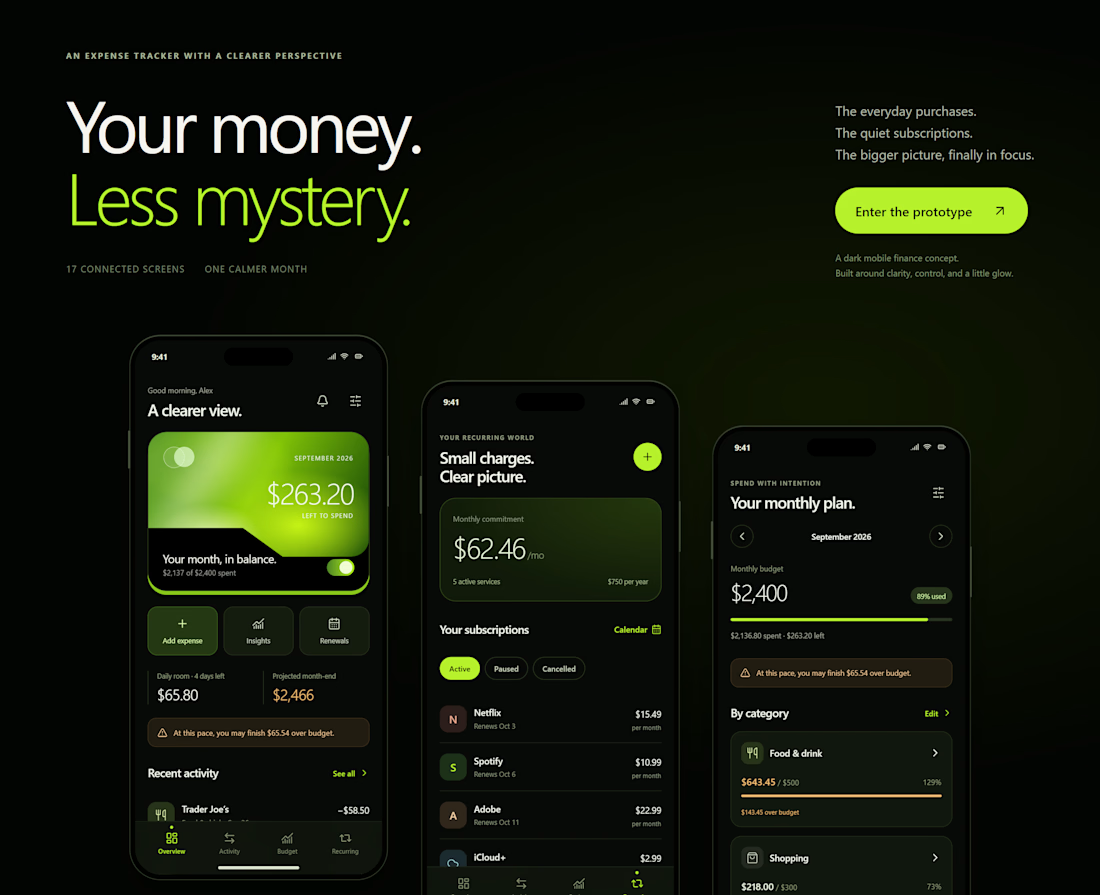
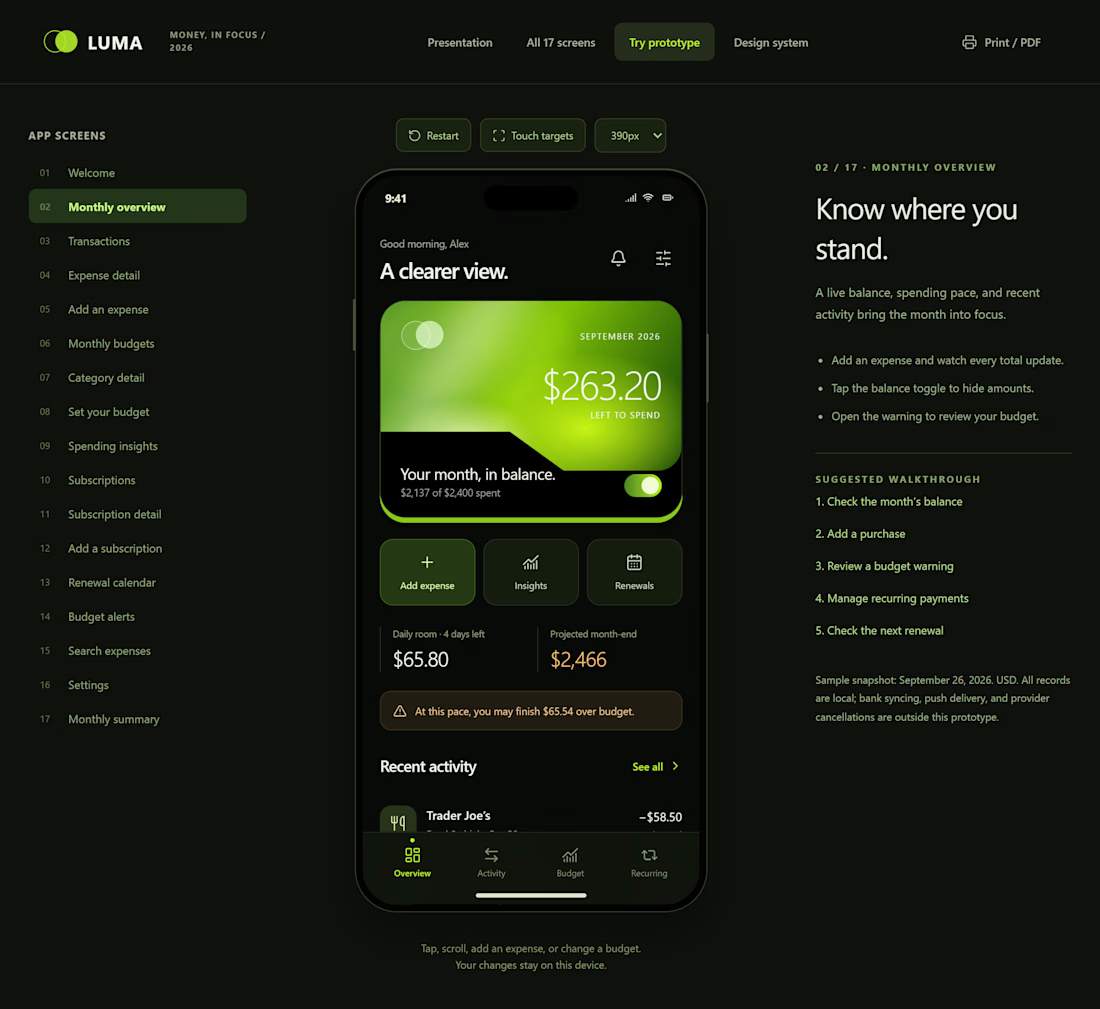
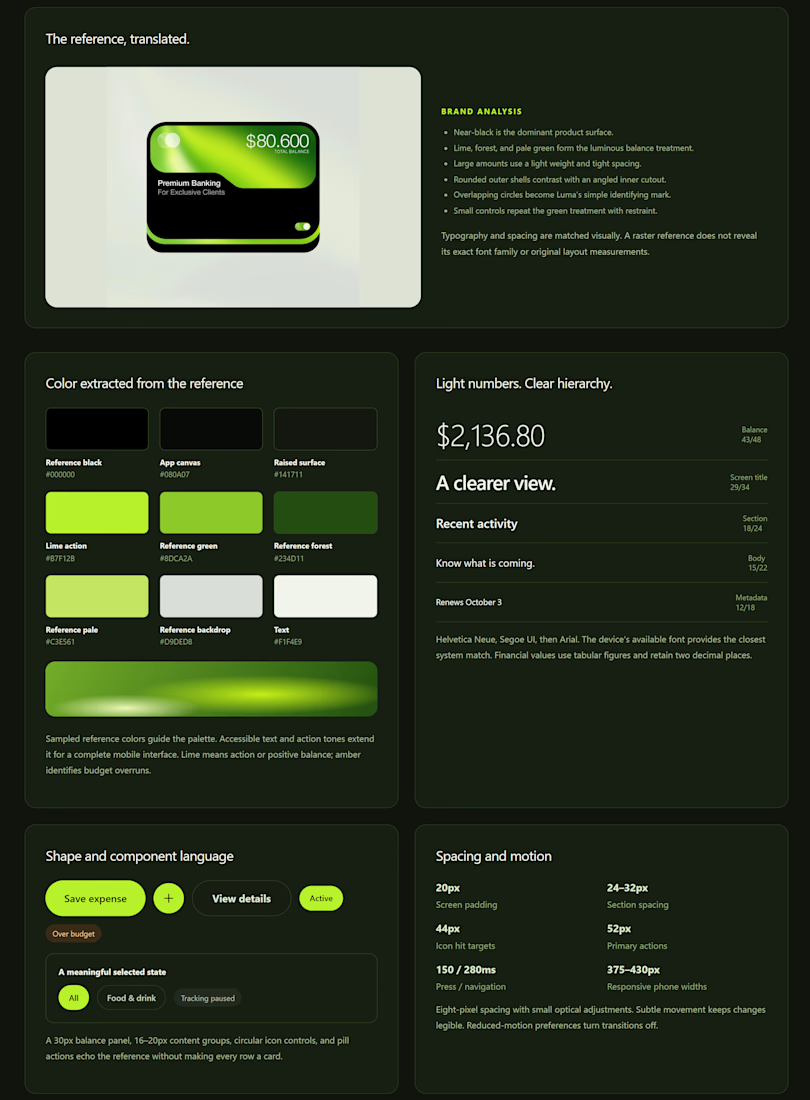
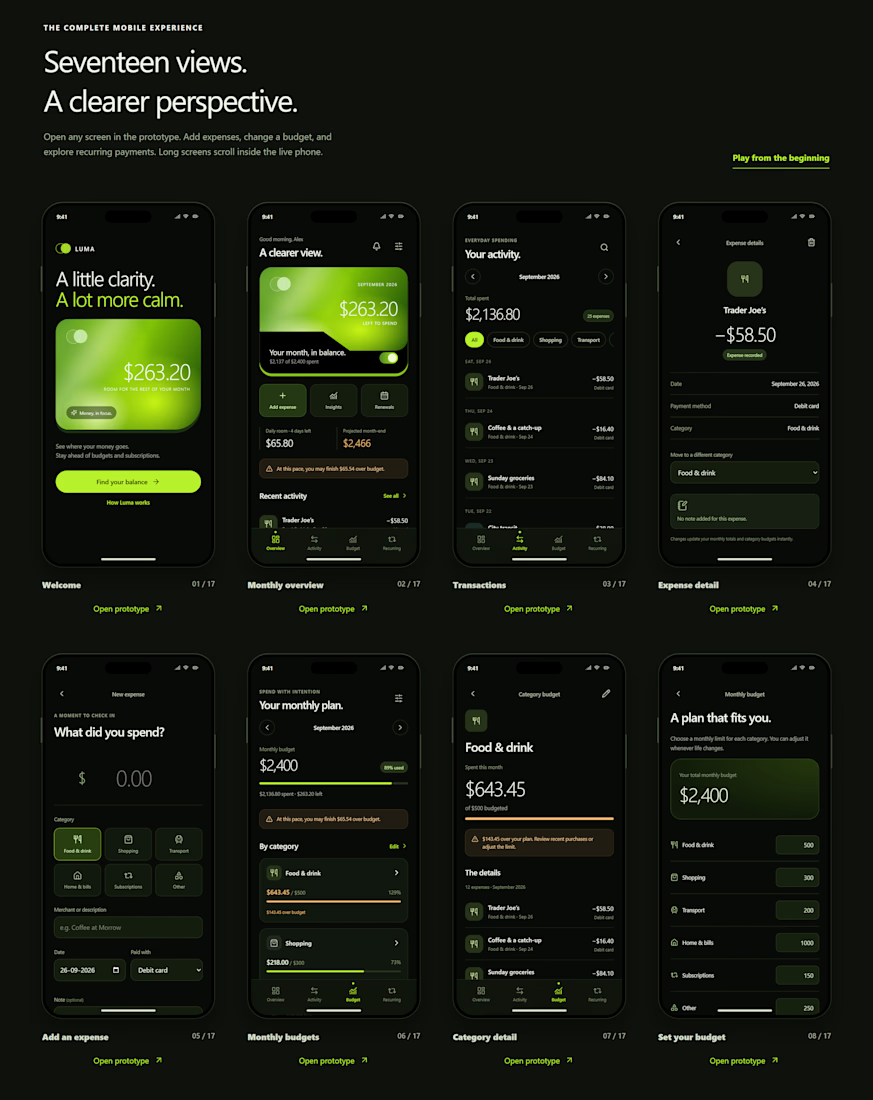
This is how we present mobile app concepts to premium clients
Meet Luma: an expense tracker with a dark, lime-accented interface.
A complete walkthrough of the product, from the first welcome to the monthly overview
got an idea? DM's open 🚀