The network for creativity
Join 1.25M professional creatives like you
Connect with clients, get discovered, and run your business 100% commission-free
Creatives on Contra have earned over $150M and we are just getting started
Back to feedPost

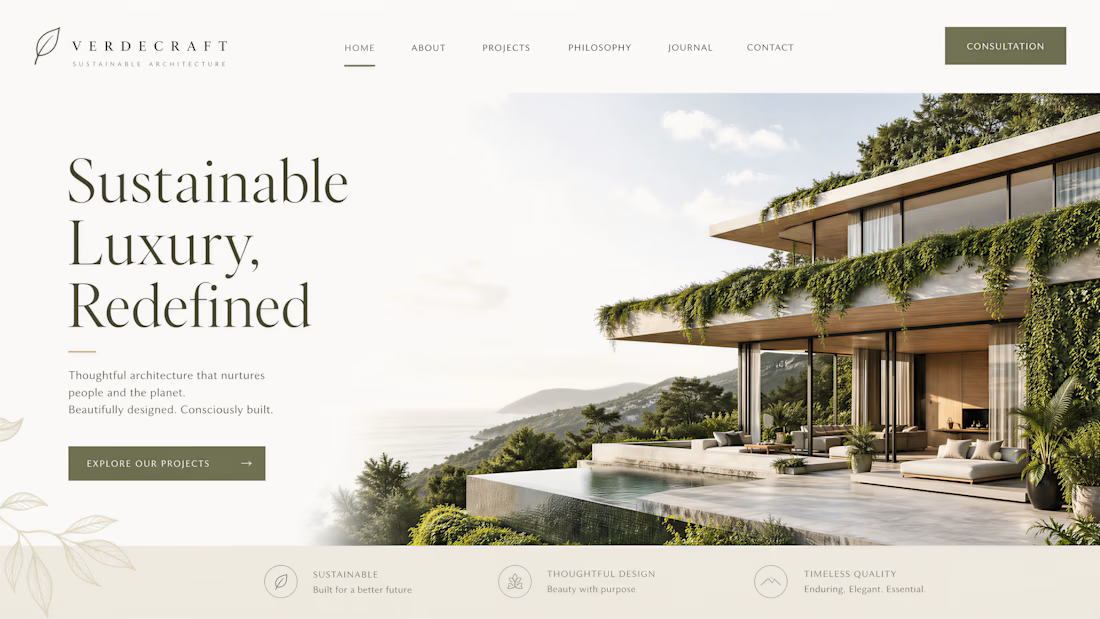
For Verdecraft, a sustainable luxury architecture firm, the web experience needed to reflect their core philosophy: thoughtful, earthy, and timeless.
The Design Process:
Vibe: Minimalism meets warmth. I used a soft, natural color palette of warm beiges, muted olive greens, and crisp whites to evoke a sense of calm and environmental consciousness.
Typography: The elegant serif headline ("Sustainable Luxury, Redefined") immediately establishes a premium, trustworthy tone, paired with a clean sans-serif for high readability in the body copy.
Imagery: The hero image is given maximum breathing room, blending the boundary between the lush outdoors and modern structural design.
Got a premium brand that needs a sophisticated touch? Send me a message, and let's craft your digital storefront.
#MinimalistDesign #Architecture #SustainableBrand #WebDesign #LuxuryUI #Contra


The network for creativity
Join 1.25M professional creatives like you
Connect with clients, get discovered, and run your business 100% commission-free
Creatives on Contra have earned over $150M and we are just getting started



Related posts

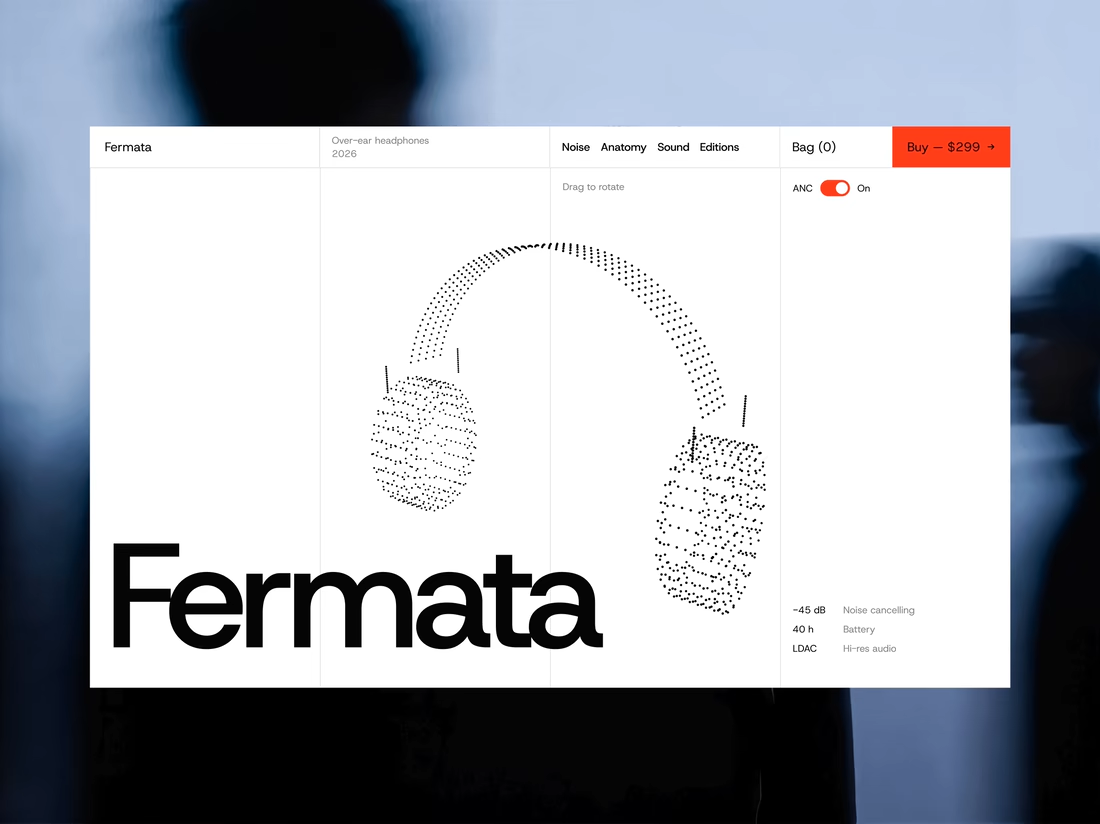
Fermata is live. A landing page for over-ear headphones, designed in Figma and built in Framer. Turn the 3D headphones, switch on noise cancelling to hear music, and try the bag.


Letting people switch on noise cancelling to hear the difference is smart: the product sells itself in the page. Did you build the audio in Framer or with custom code?

Another project we done this summer!
✨ A redesign, new motion and an Astro rebuild took the site from broken on mobile to 100 Performance.


Nice work!!

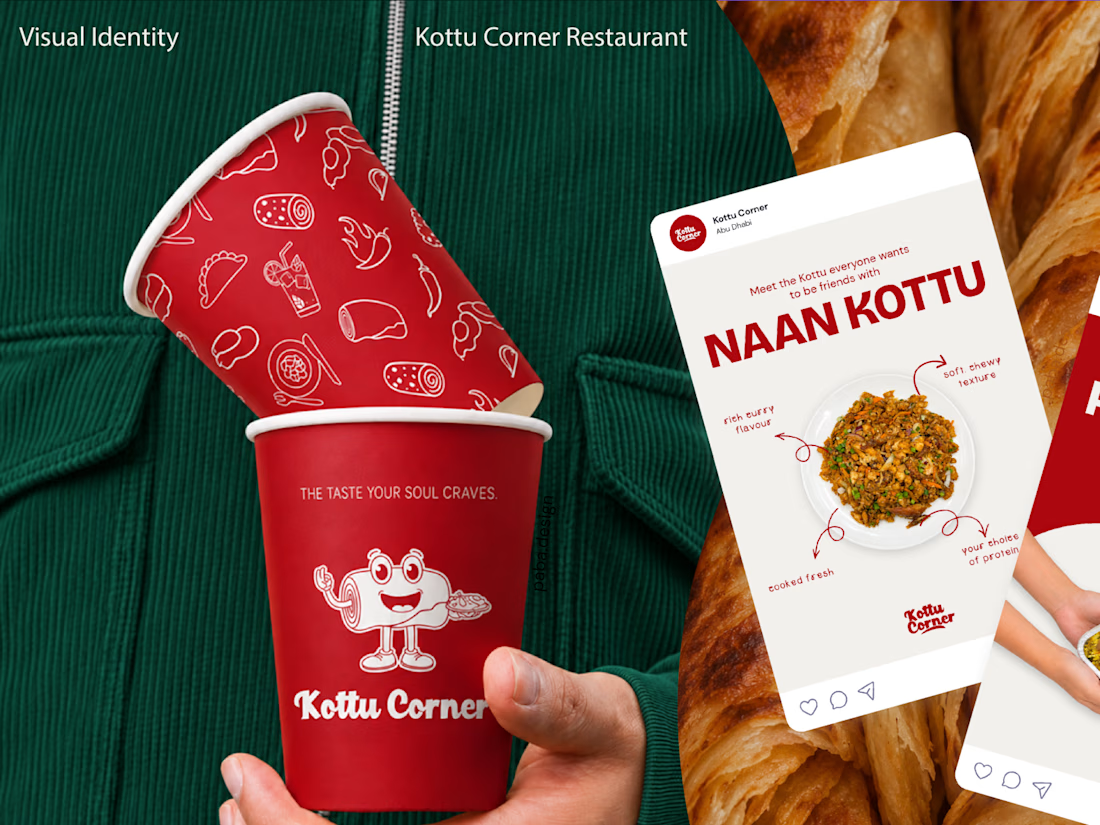
What if your business already has a logo, but nothing else that makes it recognizable as a brand?
That was the starting point for my recent branding project for Kottu Corner, a restaurant in the UAE.
They came to me with an existing logo, but without a complete visual identity to support it.
Redesigning the logo simply for the sake of change wouldn't have been a smart business decision. With the brand preparing for a major transformation, the existing logo was the one familiar element customers could still recognize. Changing it alongside everything else would risk losing that connection and making the brand feel unfamiliar to the very people who already knew and trusted it.
Instead, I focused on developing a cohesive brand identity around it, guided by the restaurant's audience, business goals, and plans for future franchise growth.
From brand strategy and visual direction to packaging, merchandise, and other brand touchpoints, the goal was to create an identity that feels recognizable, consistent, and true to the business.
Because sometimes, good branding isn't about changing what already exists. It's about building on it.
Explore the full case study! ❤️

Cool work!!