The network for creativity
Join 1.25M professional creatives like you
Connect with clients, get discovered, and run your business 100% commission-free
Creatives on Contra have earned over $150M and we are just getting started
Back to feedPost

Most small businesses end up running day-to-day operations out of five or six tools - one for invoicing, another for the customer list, a separate app for bookings - none of which talk to each other.
KIMISUITE was built to fix that: a single workspace where a business installs only the modules it needs (CRM, invoicing, project management, bookings) and has them work together as one product.
Every module shares the same underlying data, so a customer added in one place shows up automatically wherever it's needed next - an invoice, a booking - and nothing gets typed in twice. Because the platform serves many businesses at once, each company gets its own private, secure workspace on shared infrastructure, which keeps it affordable without compromising anyone's data.
What I did
- Built out core functionality across several of the modules.
- Focused on the integration layer — the part that lets the platform's own modules and outside tools behave like one seamless product instead of features bolted together.
- The kind of work a user never sees directly, but notices immediately when it isn't there.



The network for creativity
Join 1.25M professional creatives like you
Connect with clients, get discovered, and run your business 100% commission-free
Creatives on Contra have earned over $150M and we are just getting started



Related posts

Built myself a little command center for my freelance work this week. It’s called Bench.
Contra handles the contracts and payments, but my day-to-day was scattered across Contra chats, Gmail, my calendar, Notion, and a notes app. So I pulled it all into one place:
• A dashboard showing what needs me today: unread messages, overdue tasks, past-due invoices, leads that have gone quiet
• Each project gets its own page with scope, deliveries, tasks, links, and the full message thread from Contra and email
• A pipeline for leads, including a “Ghosted” column, because we’ve all been there
• A time tracker for the hourly stuff
• It syncs with my Contra projects and invoices every morning
Curious how other freelancers here keep track of everything. Spreadsheets? Notion? Pure chaos?

Hey, Mr. @Chris Luniewicz This is honestly impressive! I'm also curious to know what tech stack you used to build 👍

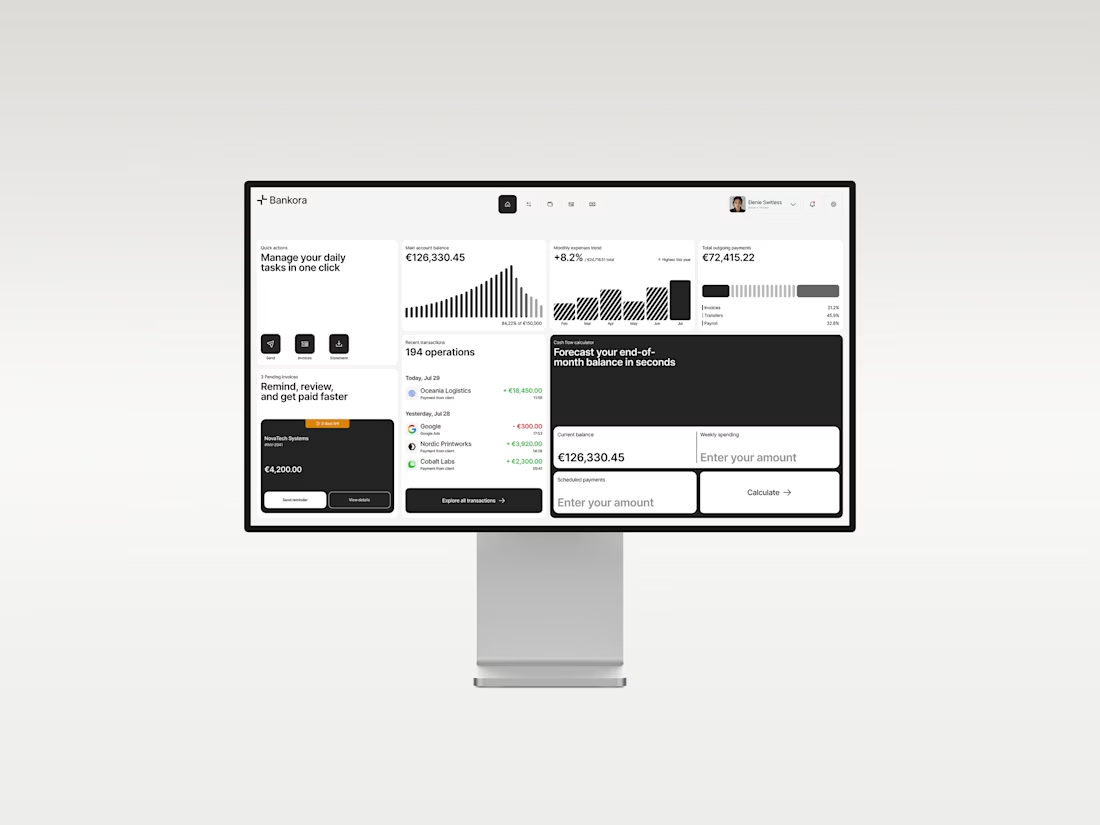
Business banking is already complex. The product shouldn’t make it feel even harder.
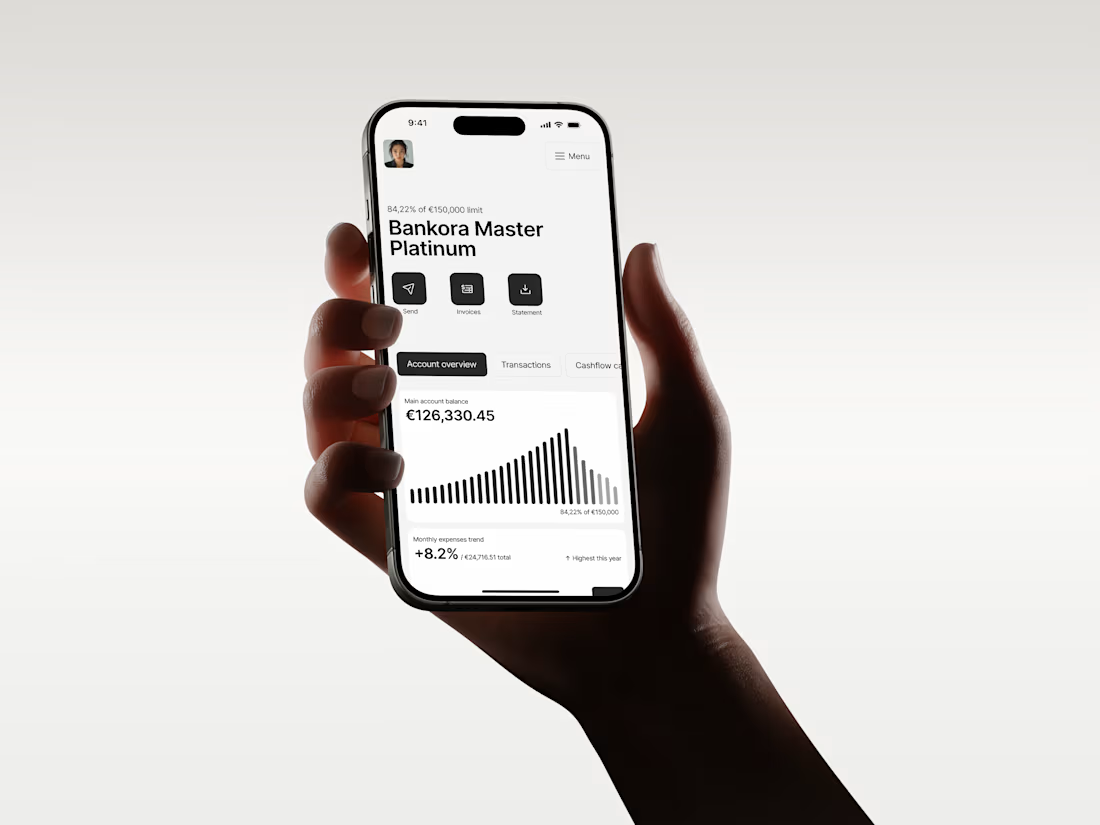
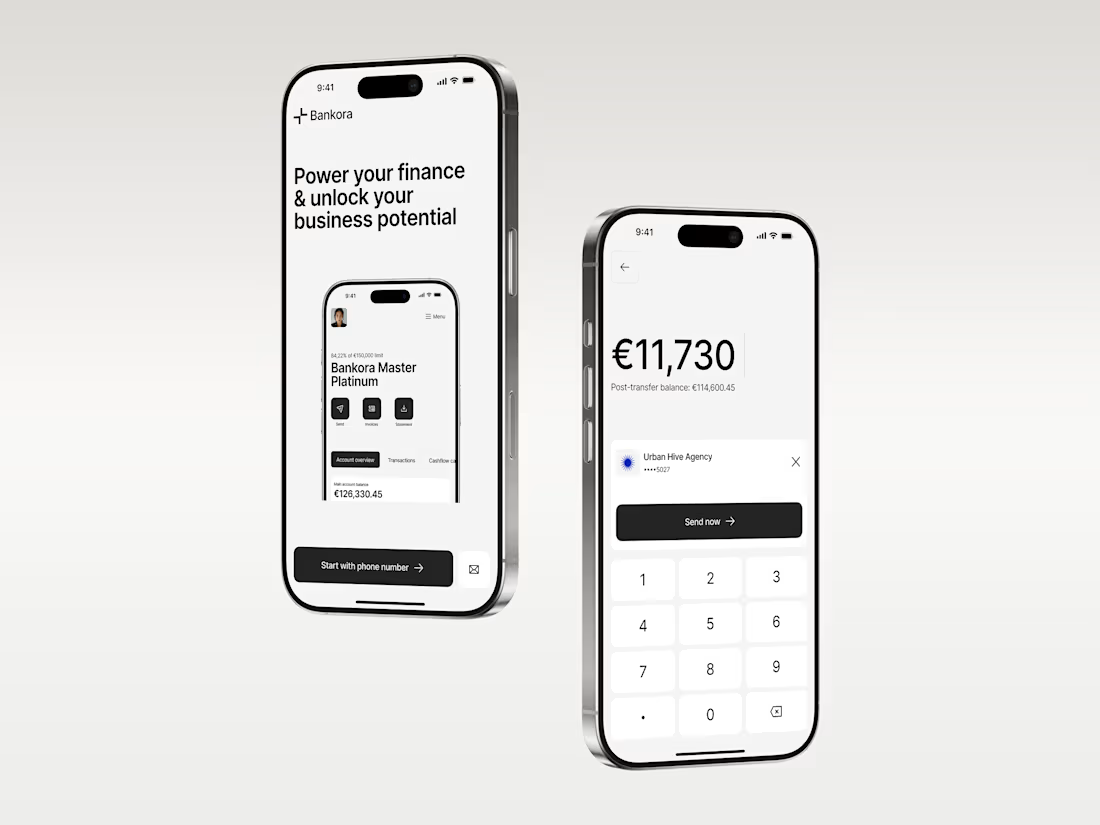
That was the thinking behind Bankora.
Payments, invoices, cash flow, financial overview. These are things business teams deal with constantly, yet many banking products still bury simple actions under dense data, long paths, and complicated navigation.
So I started with the workflows, not the screens.
I looked at the tasks people need to complete most often, where unnecessary steps appear, and what information actually needs attention first.
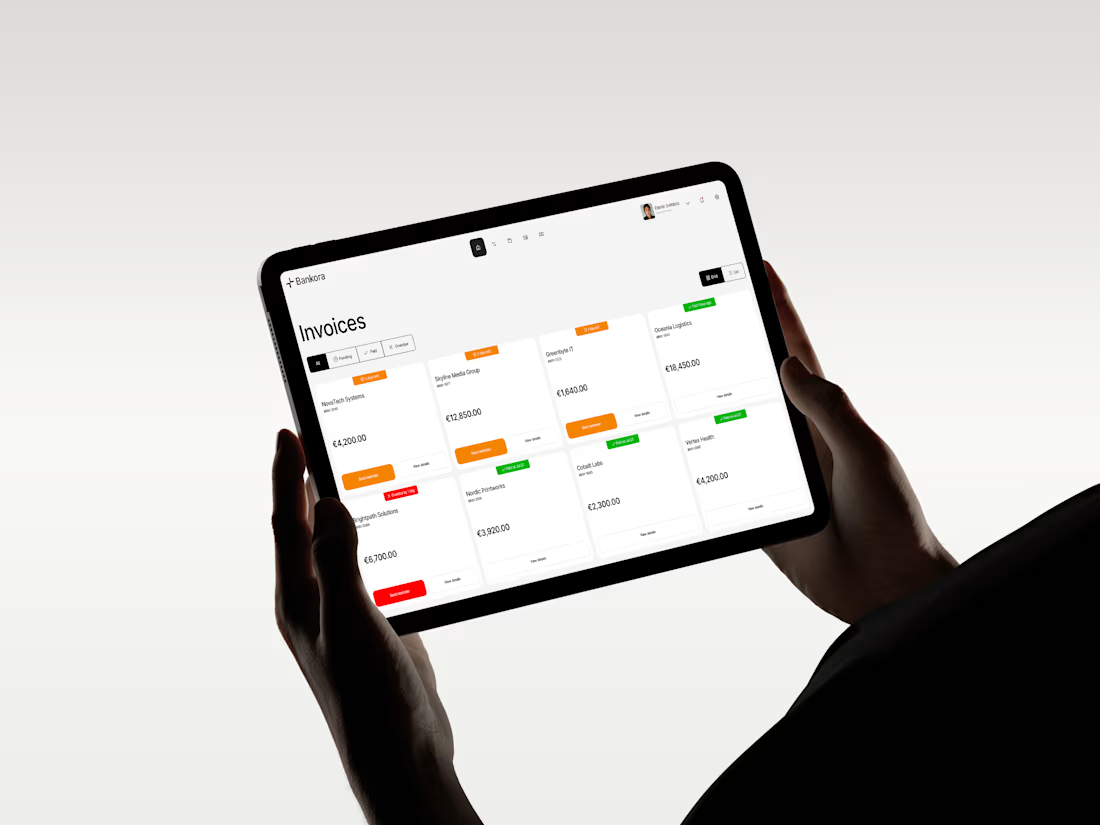
From there, I built the experience around clearer priorities: key actions available quickly, predictable navigation, structured financial data, and modular UI that makes things like pending and overdue invoices easier to understand at a glance.
I also designed an interactive cash flow calculator to help users see where the business may be heading, not just what has already happened.
The goal wasn’t to make financial operations simpler than they really are.
It was to make interacting with them feel simpler.
Less searching. Less cognitive load. More confidence in what to do next.
And it was especially nice to see Bankora later featured by Contra.


Lovely!

This is what I COOKED UP🔥 for my clients Pool Restoration Company website 🔥 The Lead Generation is A1🚀


a pool restoration site with lead generation built in makes a lot of sense. how did that client come your way