The network for creativity
Join 1.25M professional creatives like you
Connect with clients, get discovered, and run your business 100% commission-free
Creatives on Contra have earned over $150M and we are just getting started
Back to feedPost

Is AI Integration Essential for Your Business?
Is AI integration a choice or a necessity? For sustainable growth, it's the latter. We explore how to strategically embed AI for real business impact. Read our insights: https://ronasit.com/blog/ai-integration-is-it-necessary-for-your-business/

ronasit.com
AI integration vs traditional programming: Which to choose? | Ronas IT
Discover how to decide whether AI integration is necessary for your business. Learn when to rely on traditional solutions over AI implementation.
The network for creativity
Join 1.25M professional creatives like you
Connect with clients, get discovered, and run your business 100% commission-free
Creatives on Contra have earned over $150M and we are just getting started
Related posts

Thinking about making a course on how I actually work with AI agents.
Not prompts.
The rules, skills and checks that make the agent build things the way my repo wants.
Would that be useful to anyone?

Yes please. The rules and checks part is what nobody teaches. Prompt tips are everywhere, repo setup isn't.

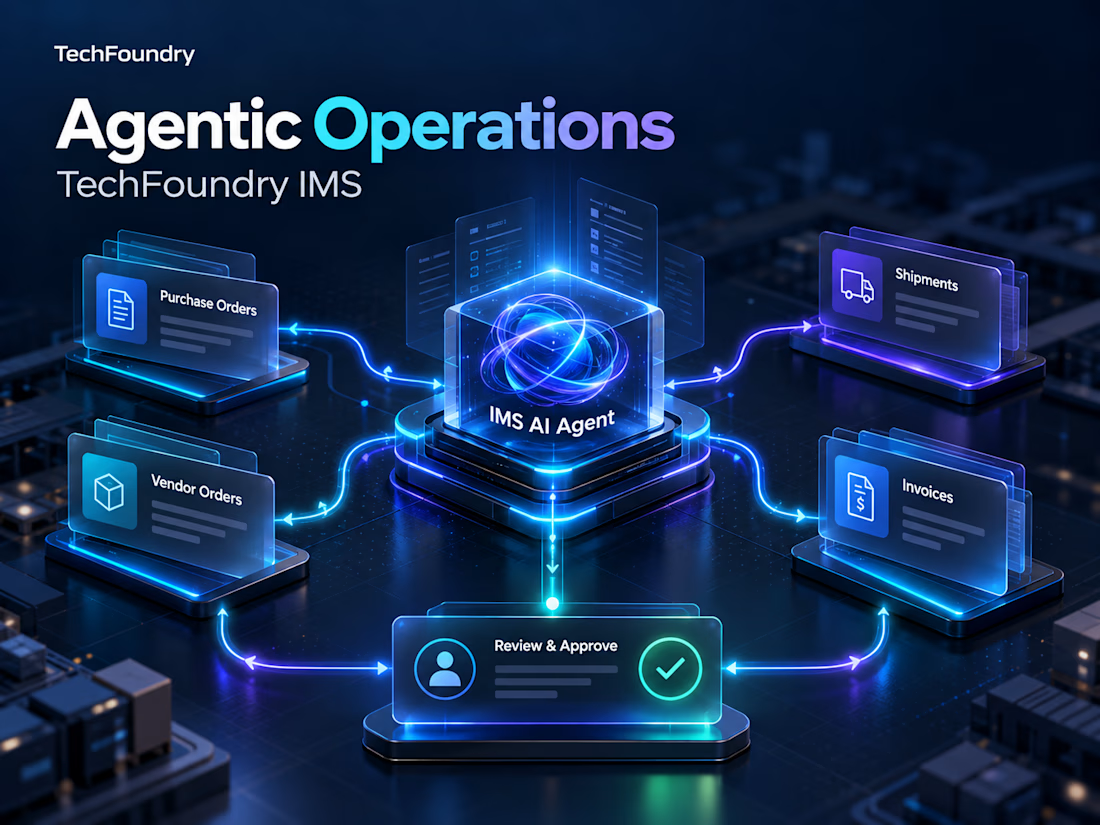
What does practical, agentic AI look like in a real business workflow?
Our new TechFoundry IMS case study walks through seven demos—from purchase-order intake and catalog conflict resolution to vendor orders, shipments, client shipping, and invoice reconciliation.
It shows how AI agents, document processing, and software integrations work together, with human review where judgment matters. I’ve also included the technology stack behind the platform.
Explore the case study:
https://contra.com/p/oWU3ssF3-tech-foundry-ims-ai-procurement-and-fulfillment-in-seven-demos
Building an agentic AI solution? Book a free initial consultation with me on Contra. We’d love to work with you.
#PracticalAI #AgenticAI #Automation #SoftwareDevelopment

Purchase-order intake and catalog conflict resolution feel like the right place to start with agents, since the pain is concrete. How do you handle the cases where the agent is unsure and a human has to step in?


You need a strong starting point for a sales-tech brand without trying too hard.
A generic SaaS template won’t work in this case.
What you need are:
• Sales-focused product UI
• Personalized outreach with follow-up and reply intelligence
• Pricing, testimonials, FAQs, and integrations
• CMS for blog posts, feature pages, and case studies
• Clear paths to demos and trials
That’s how we designed Avina, our new Framer template.
Built for AI sales products, outbound automation tools, and sales-focused SaaS products.
Avina is designed around a real outbound sales journey.
So visitors understand quickly.
Check the link in the comment.


What I like here is the focus on the actual sales journey, not just the visual design. For AI sales tools, showing how outreach, follow-ups, and reply handling connect to real outcomes can make a big difference. Curious how you approached that in Avina?