The network for creativity
Join 1.25M professional creatives like you
Connect with clients, get discovered, and run your business 100% commission-free
Creatives on Contra have earned over $150M and we are just getting started
Back to feedPost

Most AI automation projects fail before they even start.
Not because the tools are wrong.
Because the workflow was never defined.
Companies jump straight to "Let's use ChatGPT, Make, or n8n" but that's the wrong first question.
The right question is: Where is the business actually losing time every week?
Take sales follow-ups as an example. Before writing a single line of automation, you need answers to:
Where does the lead originate?
What data is required and is it clean?
When should the follow-up trigger?
What should AI generate vs. what needs human review?
What happens when an API call fails?
Where does the final output live?
A reliable automation system isn't just a chain of tools stitched together.
It needs clean inputs, fallback logic, error handling, audit logging, and human checkpoints in the right places.
That's the difference between a fragile workflow and a scalable business system.
My approach every time:
Map the workflow first
Eliminate unnecessary manual steps
Then build using n8n, Make, Zapier, OpenAI API, LangChain, or custom integrations
AI shouldn't replace your business logic.
It should make that logic faster, cleaner, and easier to scale.
What's the most broken workflow in your business right now?
#AIAutomation #WorkflowStrategy #BusinessAutomation #n8n #Make #Zapier #OpenAIAPI #HumanInTheLoop #ScalableAutomation #AIAgents #OperationsAutomation
The network for creativity
Join 1.25M professional creatives like you
Connect with clients, get discovered, and run your business 100% commission-free
Creatives on Contra have earned over $150M and we are just getting started
Related posts

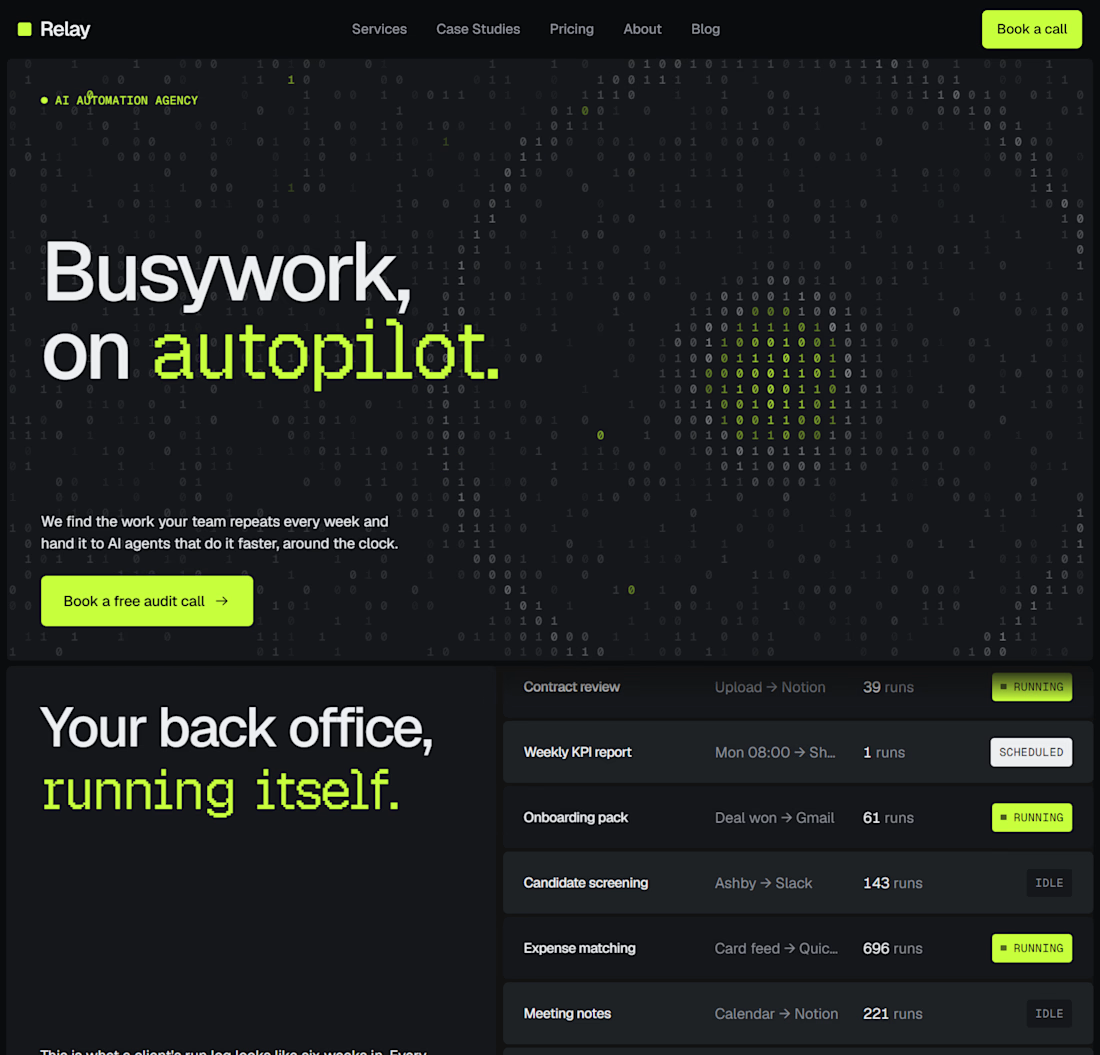
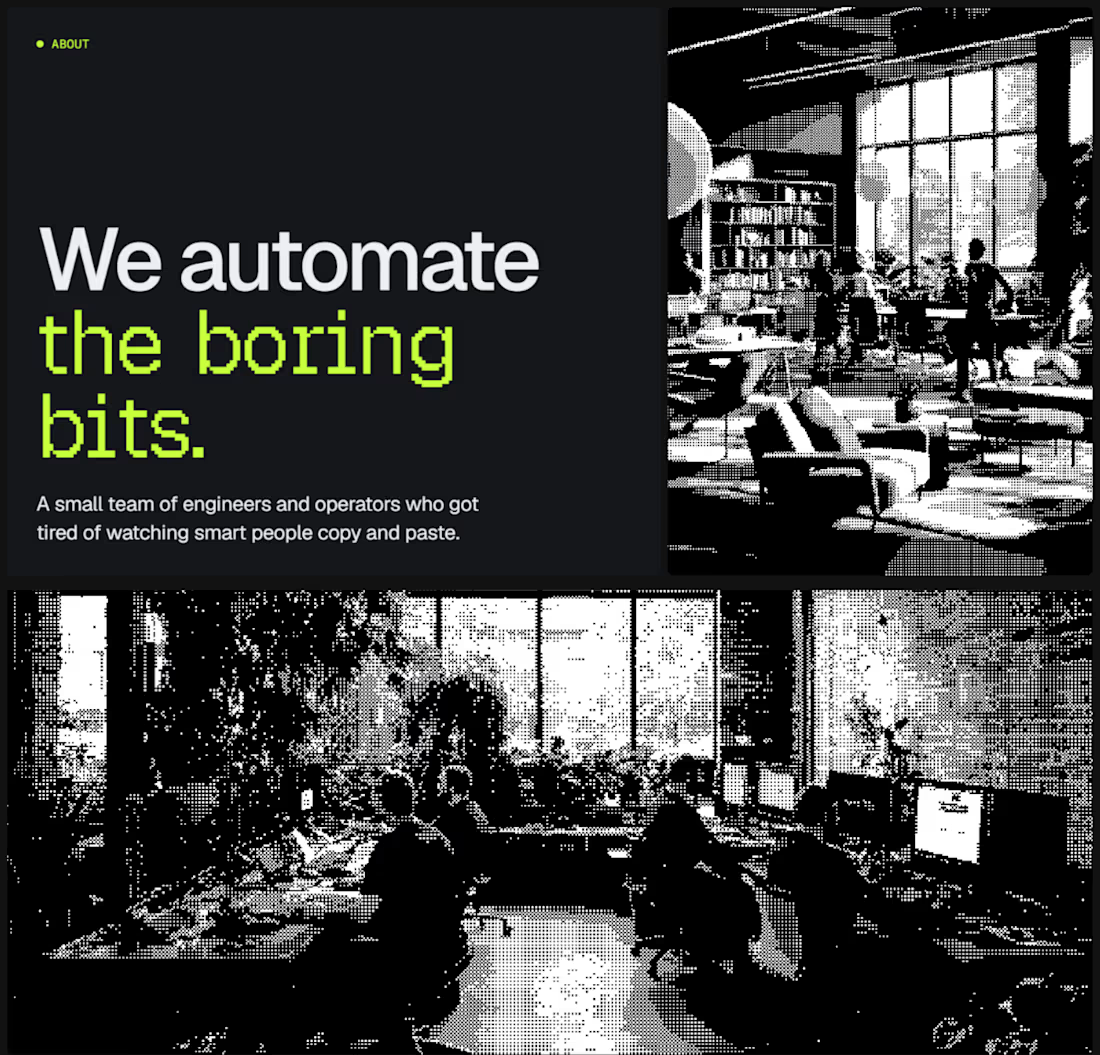
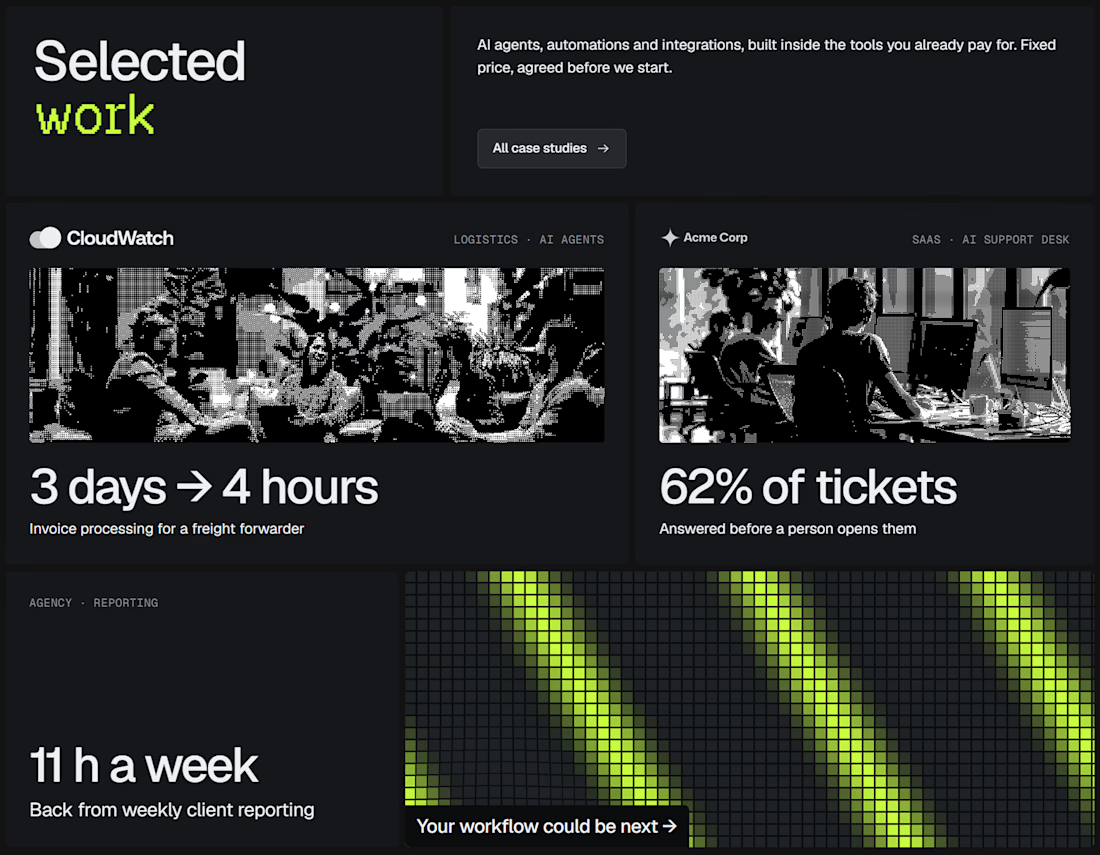
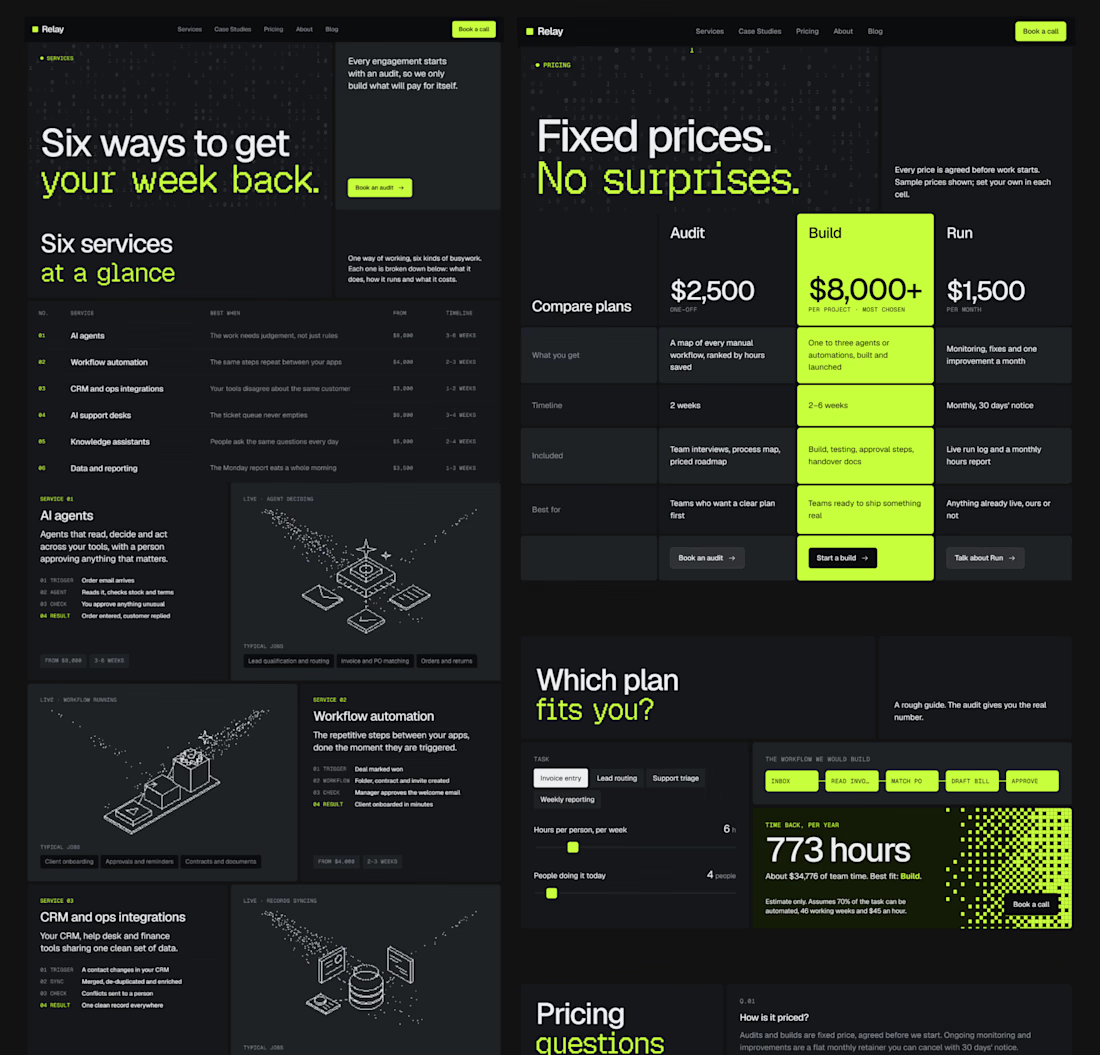
Dropped our next premium framer template for AI automation agencies, workflow consultancies & the people selling agents to businesses that still run on copy and paste.
Check it out


good work!!

From sidewalk to doorstep.
A closer look at ROVR, a landing page concept for an autonomous delivery robot.
A robot at your door is new for most people, so every section answers a question a first time customer would ask: how it gets here, what it can carry, what it costs and what happens if it gets stuck.
Our favorite part is the FAQ, rebuilt as a chat where you can ask ROVR anything.
What would you want to know before a robot delivers your groceries?


Love the idea of turning the FAQ into a conversation. My first question would be: what happens when the robot encounters something unexpected mid-delivery? Showing how ROVR handles those moments could build more trust than any feature list.

UGC ads usually mean finding a creator, sending a brief, waiting a week, then paying per video. I wanted to see how much of that an n8n workflow could handle.
The video in this post was not filmed. It was generated end to end by a workflow I built.
How it works:
I drop in a product, a short brief and a target audience
An LLM writes the UGC-style script with a hook, the body and a call to action
Veo generates the video in a natural, creator-style look
The workflow publishes it to TikTok, Reels and Shorts [and schedules it for the best time]
So the whole path from brief to published video runs without me touching an editor.
What I learned:
The prompt matters more than the model. Specific lighting, camera and tone details made the difference between “obvious AI” and “believable creator”.
Hooks decide everything. I generate several hooks per product and test them.
Always label AI-generated content where the platform requires it. It’s the right thing to do and it avoids trouble later.
If you run a brand, an e-commerce store or an agency and want a steady stream of short-form content without the cost of manual production, I build these workflows. Message me and I’ll show you how it would work for your product.
Would you trust an AI-generated UGC ad for your brand? Curious where people stand on this.
#n8n #Veo #AIVideo #UGC #AIAutomation #ContentCreation #ShortFormVideo #Ecommerce #MarketingAutomation #GenerativeAI #NoCode #SocialMediaMarketing


Elegant