The network for creativity
Join 1.25M professional creatives like you
Connect with clients, get discovered, and run your business 100% commission-free
Creatives on Contra have earned over $150M and we are just getting started
Back to feedPost

Seven years ago I hand animated an entire Wimbledon campaign for Jaguar, frame by frame in Lottie
The project was Ace Pace. I designed and built the site myself in Webflow, made all the motion by hand, and connected the API so you could see people playing in real time
Looking back, it sounds like a lot of work, and it was, but I reckon it could be done quicker today, and honestly with a much better output
The design looks dated to me now, but the concepts underneath it still stand up, and that's where I think an LLM would push it further than I could at the time
So I'm curious, how would you approach it?
I do enjoy looking back at past work and still finding pride in some of those processes.


The network for creativity
Join 1.25M professional creatives like you
Connect with clients, get discovered, and run your business 100% commission-free
Creatives on Contra have earned over $150M and we are just getting started







Related posts


100+ people already use my free skill file to stop their AI from making the same 25 design mistakes.
Drop it into your project and your agent gets better at typography, spacing, color, and dark mode. Link in the comments.


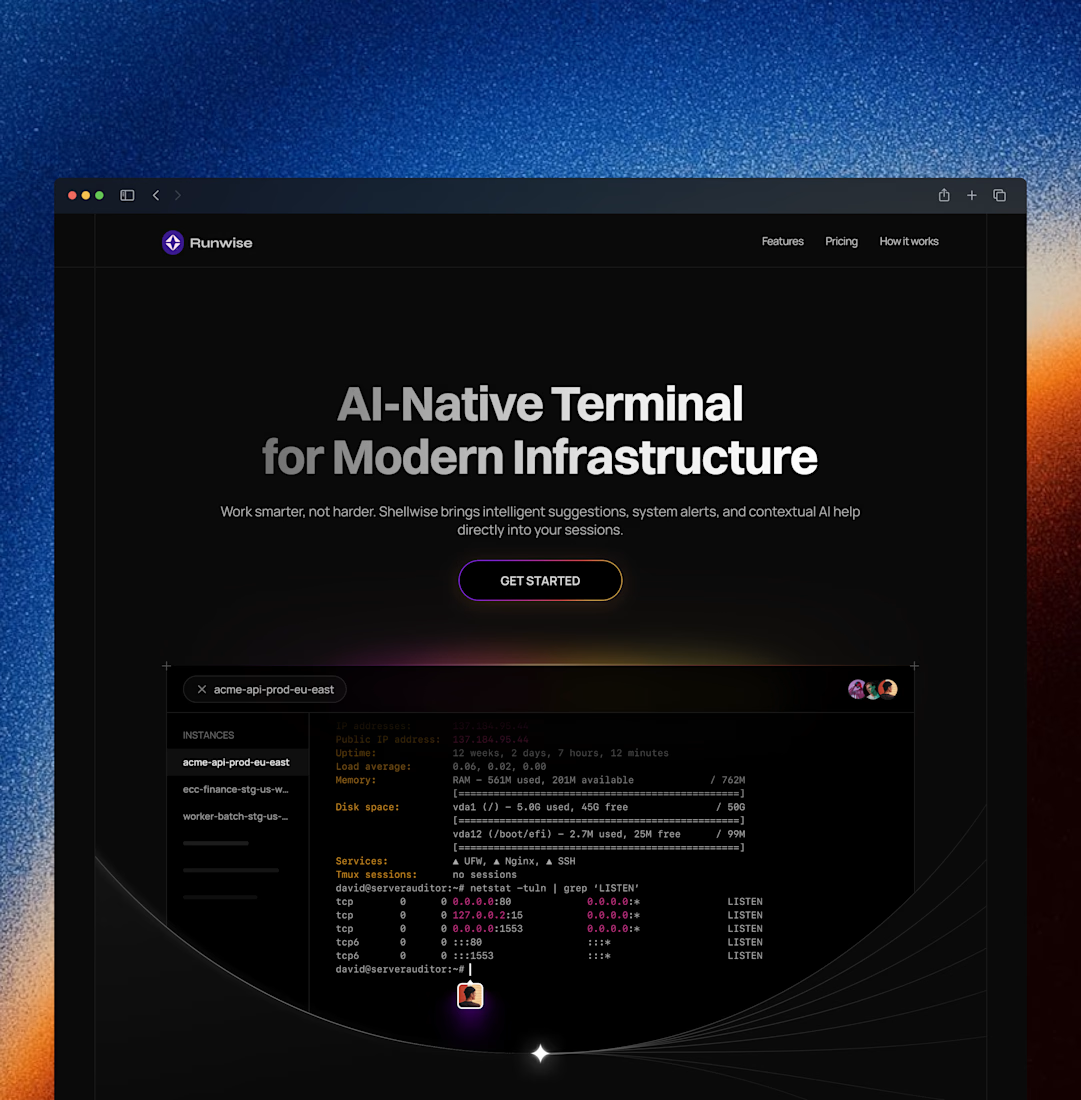
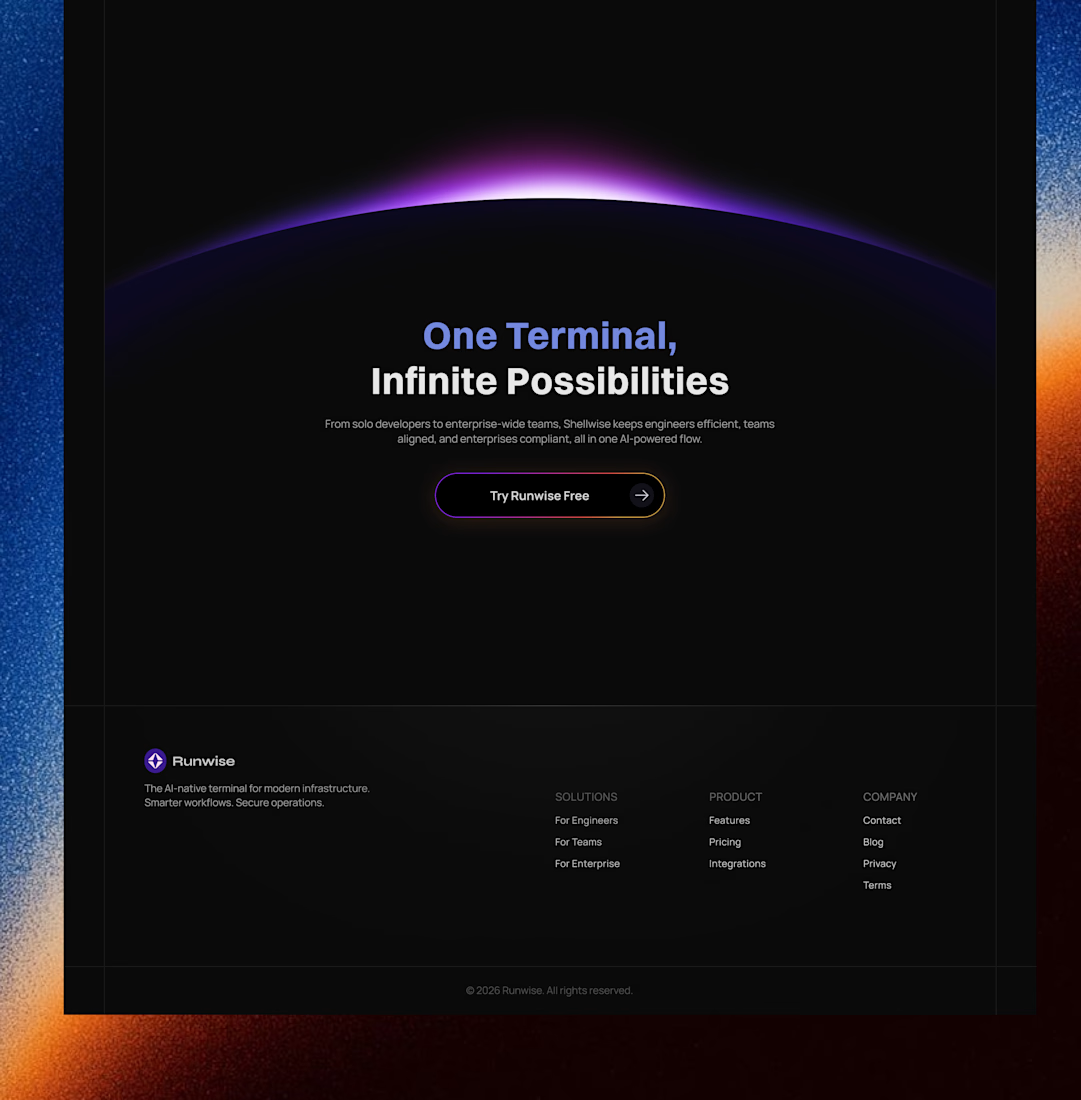
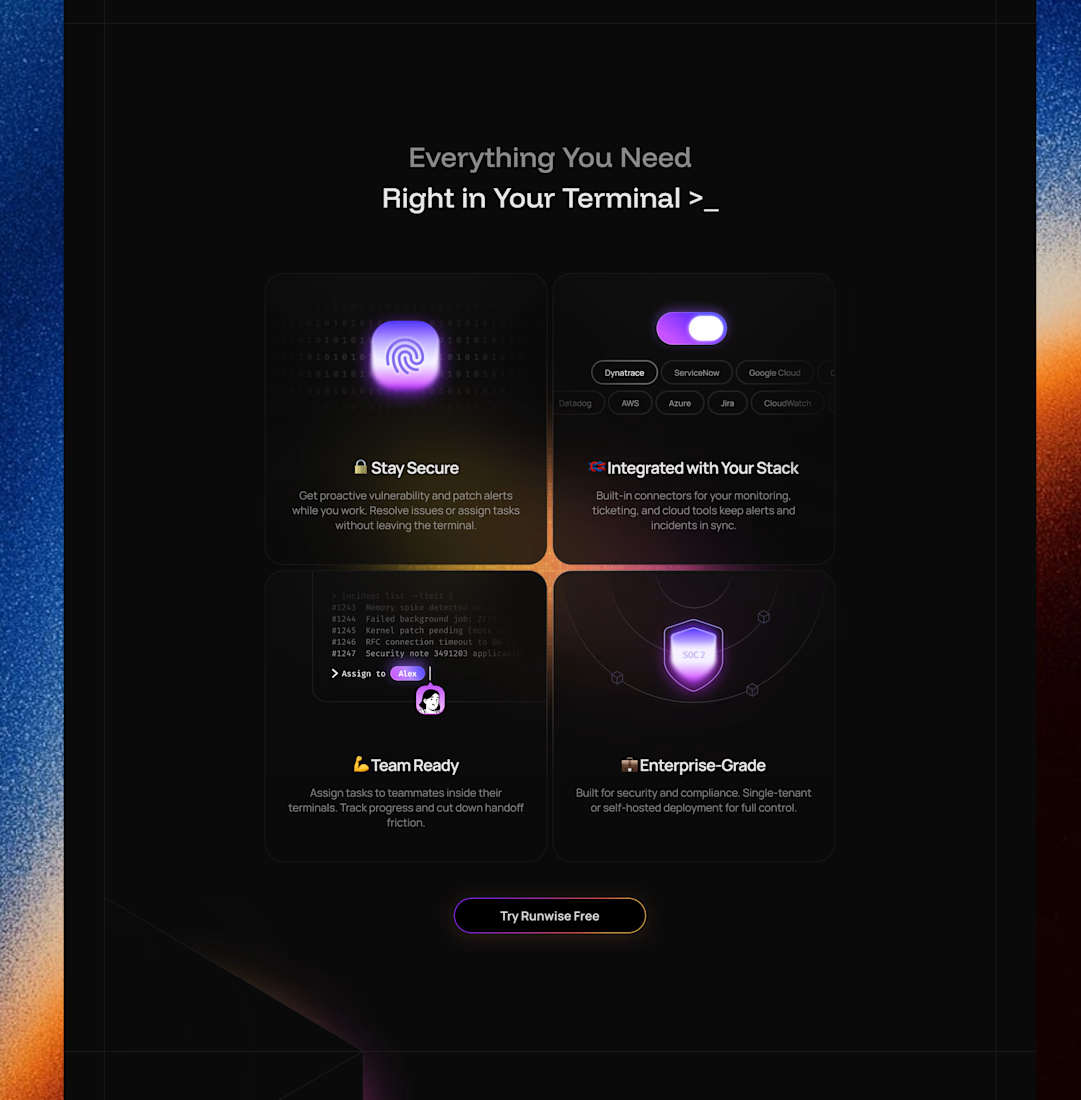
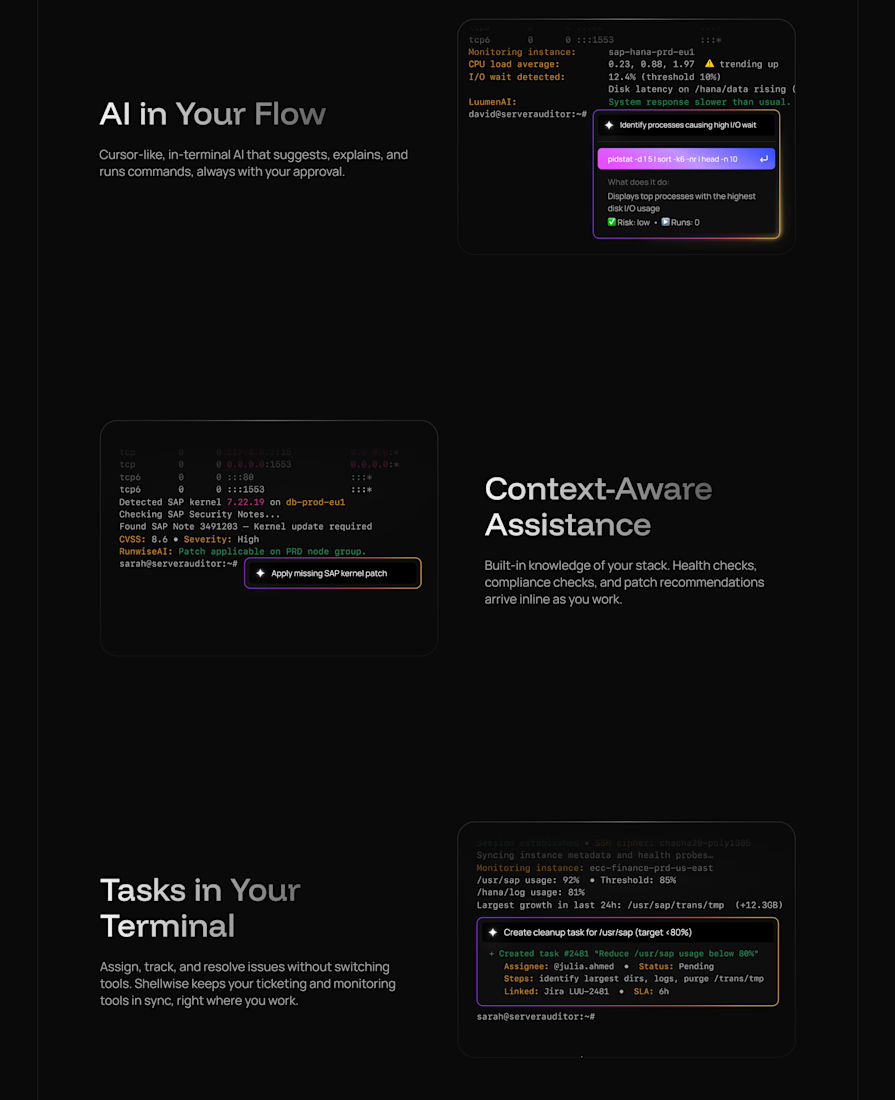
Landing page for an AI-native terminal platform



DEAD STILL is a Victorian spirit-photography game in three sittings. Ghosts can’t be seen. Only photographed.
You are J. Ashworth, “Photographer of the Departed”. Frame your clients, turn the brass focus ring, and hold a long exposure while the plate drinks the light. Then rock the plate in a red-lit darkroom and watch who was really standing beside them:
- The widow: her husband, in his empty armchair. The first sitting teaches you, step by step.
- The twins: a dead girl who will not keep still. Frost on the glass betrays her, and only a magnesium flash can freeze her.
- Mr. Hale: an investigator who asks for a portrait “with whoever is here”. Then the print looks back at you.
Rive features used:
1) Rive CLI: the whole project is RML, Luau and WGSL, checked with --verify, inspect, --screenshot and --test (20 unit tests that guard the rules), and shipped with --publish=web.
2) GPU Canvas: the shaders are the mechanics:
- 2D Rive artboards lit inside a 3D studio, with shadows and depth of field
- long exposure as real accumulation into a float plate: anything that moves smears
- a development shader you agitate by hand, with the dead coming up last
- frost on the ground glass where a spirit stands, and candle flames that bend toward the cold
- a magnesium flash, then smoke
- for the twist, a "living print": the plate re-exposed every frame, so a face in the photograph can open its eyes
3) Scripting (Luau): the sittings, the scoring and the story; it scrubs Ashworth's Wake timeline to open his eyes.
4) Data Binding: one view model drives the whole HUD.
5) State machines on every artboard; the HUD's hints run on one.
6) Skinned image meshes with bones for every character, each with an idle timeline.
7) Layout, vector feathering, trim paths, dash paths and Rive audio (gapless loops for the clock, the candles and the darkroom).
The video shows the game itself (every gameplay frame rendered by the game), the CLI run that shipped it, its RML, Luau and WGSL, the GPU Canvas passes, the file opened in the Rive Editor, and the same signed .riv running in a local build of my own portfolio site.


Amazing....