The network for creativity
Join 1.25M professional creatives like you
Connect with clients, get discovered, and run your business 100% commission-free
Creatives on Contra have earned over $150M and we are just getting started
Back to feedPost

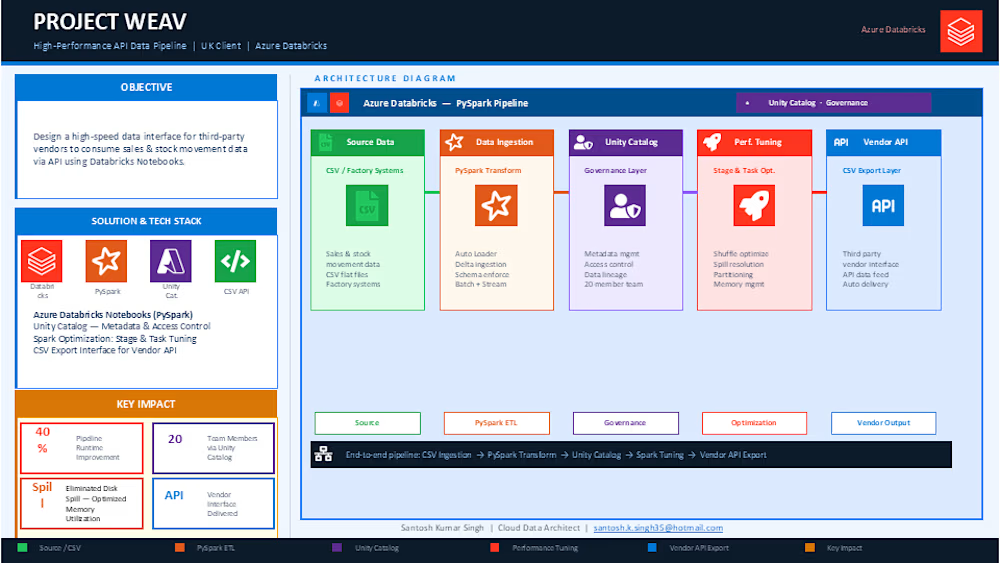
Led the design of WEAV, an enterprise data platform. Migrated complex on-prem/cloud sources to Azure using ADF. Developed scalable pipelines with Databricks (Bronze/Silver/Gold) for high-performance analytics. Integrated Azure Synapse and Power BI to deliver real-time business insights for executive stakeholders.


The network for creativity
Join 1.25M professional creatives like you
Connect with clients, get discovered, and run your business 100% commission-free
Creatives on Contra have earned over $150M and we are just getting started





Related posts

Top 20% of creatives on Contra with a 93 score 🎉 What I’m most excited about is the journey behind it: starting here on July 17 this year, meeting new creatives, having new conversations, discovering opportunities, and finding projects I wouldn’t have found on my own. Grateful for the progress, and ready for more. 🚀



Congratulations!

Local developer tool that executes atomic commit plans through a dual-agent AI pipeline (Generator & Reviewer) with real-time SSE streaming, quality gates, and automated rollbacks.




The dual agent pipeline creating atomic commit plans and the live SSE stream makes the review loop feel almost instant.
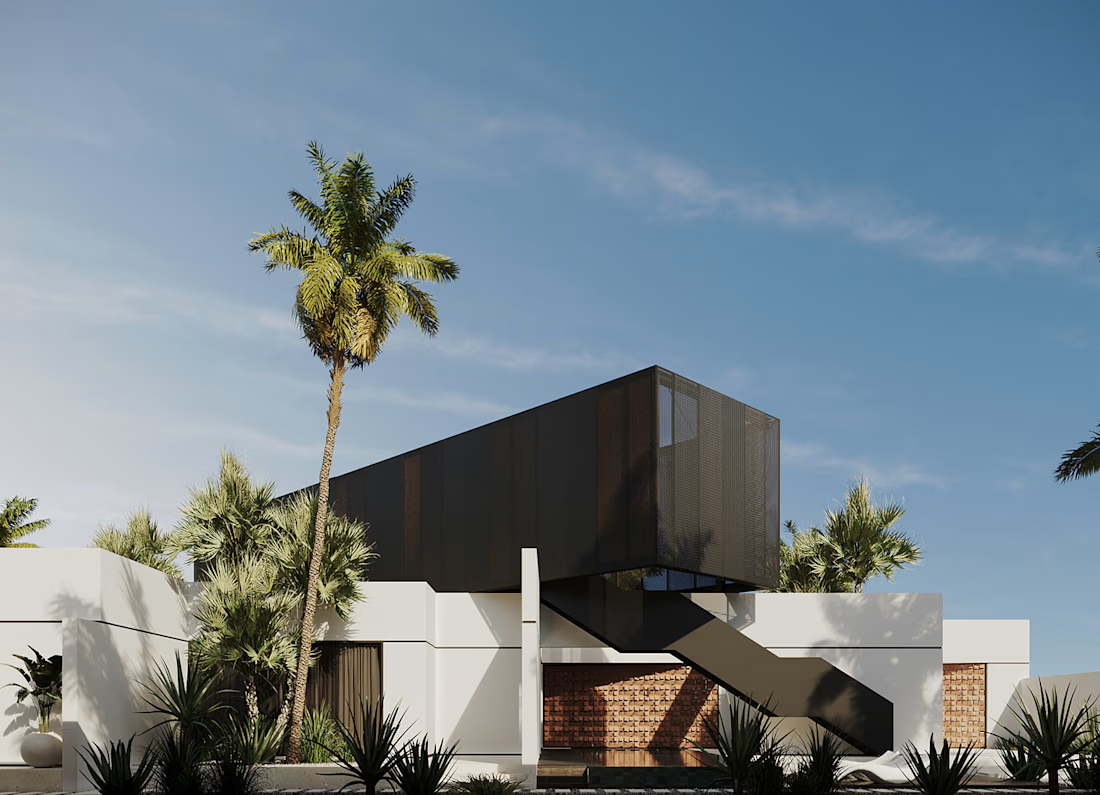
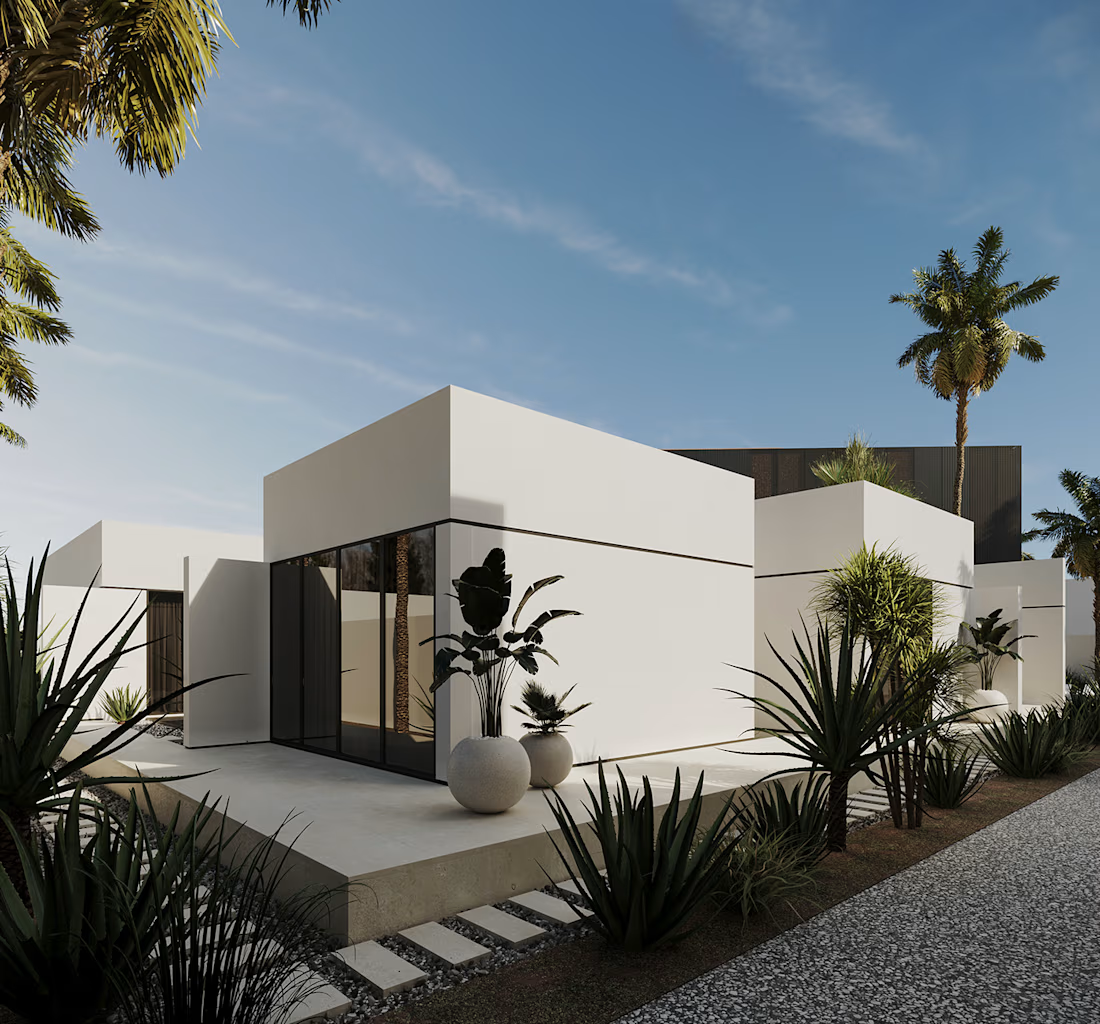
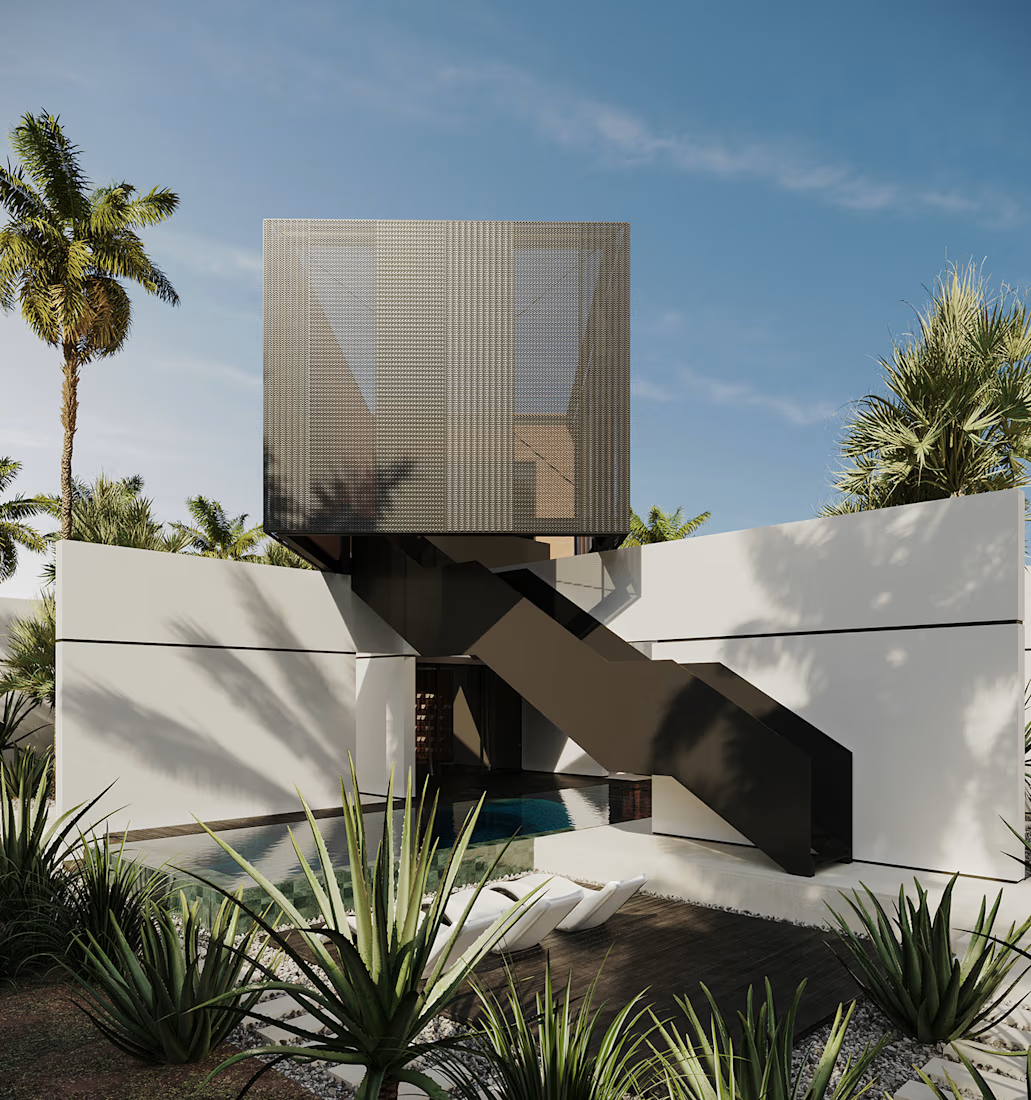
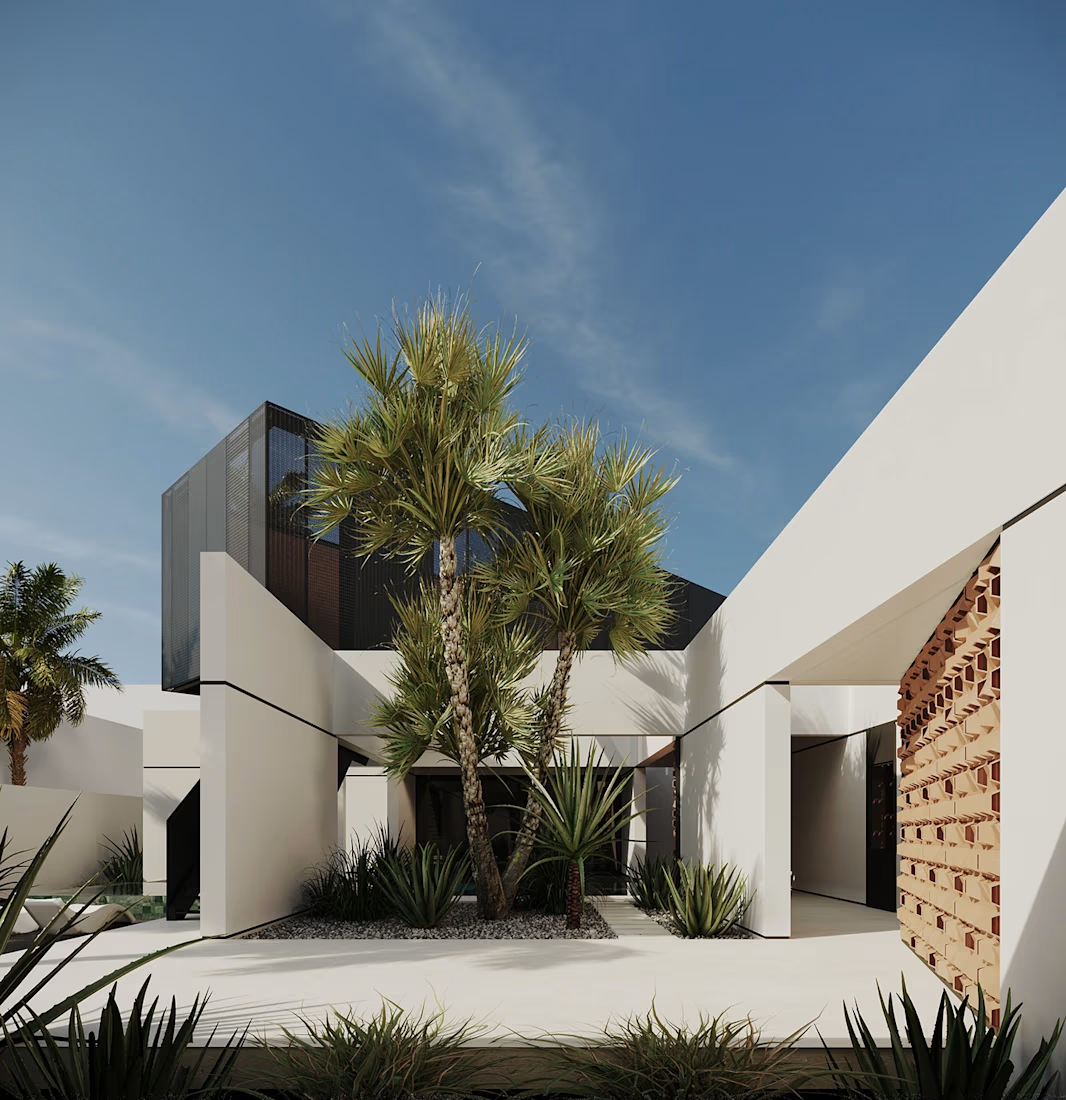
Modern minimalist villa design. 🖤🤍
This was one of those projects I really enjoyed watching come together.
I started with the main forms and worked through the materials, lighting, and landscaping to create a clean exterior with bold geometric shapes, warm brick accents, and a desert-inspired feel.
Seeing the final visualization come together was one of the most satisfying parts of the process. 👀❤️
Here’s how it turned out.
Work done with Sense Design.
#3DVisualization #ArchitecturalVisualization #3DRendering #ExteriorDesign #ModernArchitecture #VillaDesign #ArchitecturalDesign #CGI #3DRenderingArtist #ArchViz