The network for creativity
Join 1.25M professional creatives like you
Connect with clients, get discovered, and run your business 100% commission-free
Creatives on Contra have earned over $150M and we are just getting started
Back to feedPost

I’m building Paddy, a platform for finding verified rental homes in Ghana.
Every listing is reviewed before it goes live. The problem: a rejected landlord had no idea what went wrong, so they’d either give up or resubmit the same thing.
So now, before a reviewer can reject a listing, a dialog asks them for the reason. The landlord sees it on their dashboard and knows exactly what to fix.
Built with Next.js on a Django REST API. Code in the comments.
Code is public if you’d like to look: github.com/kelvinohemeng/paddy_public
The network for creativity
Join 1.25M professional creatives like you
Connect with clients, get discovered, and run your business 100% commission-free
Creatives on Contra have earned over $150M and we are just getting started



Related posts

The fix for an agent that keeps getting your design system wrong isn't a better prompt.
It's putting the rules where the agent reads them.
In the repo. In skills. In checks it can run itself.
Writing a course about exactly this.

What sells it for me is the refusal telling the agent exactly where the token should go. A bare "no hex" error usually just sends it looping. Does guard.mjs run only as an agent hook, or in pre-commit too so it catches humans as well?

“Did anyone see my request?”
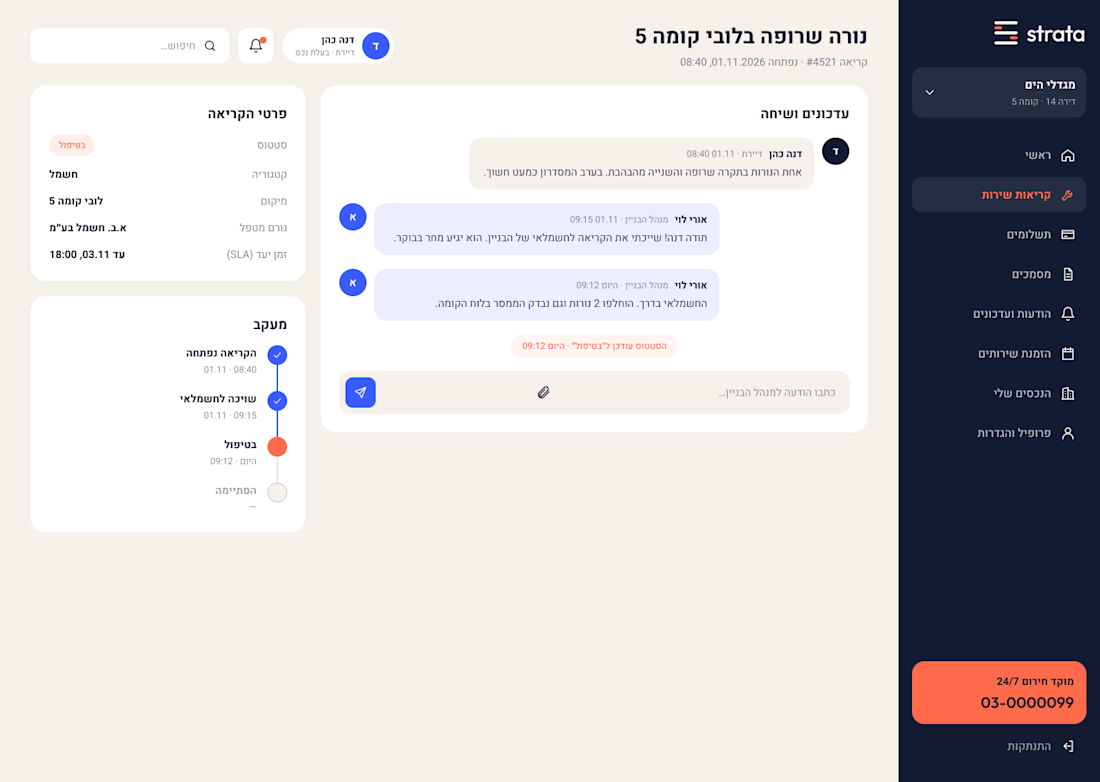
A status label alone doesn't explain what happens next.
In this Strata practice project, the request screen combines the resident's conversation with the building manager, its current status, and a progress timeline.
A useful UX check is to ask which updates customers still have to call for. If the answer is already in the system, make it visible to them.
Which update would you put on screen first?
Practice UX/UI project for a fictional company. Sample data.


Arguing about your homepage headline and it's come down to taste? Write the explanation first. The headline's easier to judge once that exists.