The network for creativity
Join 1.25M professional creatives like you
Connect with clients, get discovered, and run your business 100% commission-free
Creatives on Contra have earned over $150M and we are just getting started
Back to feedPost

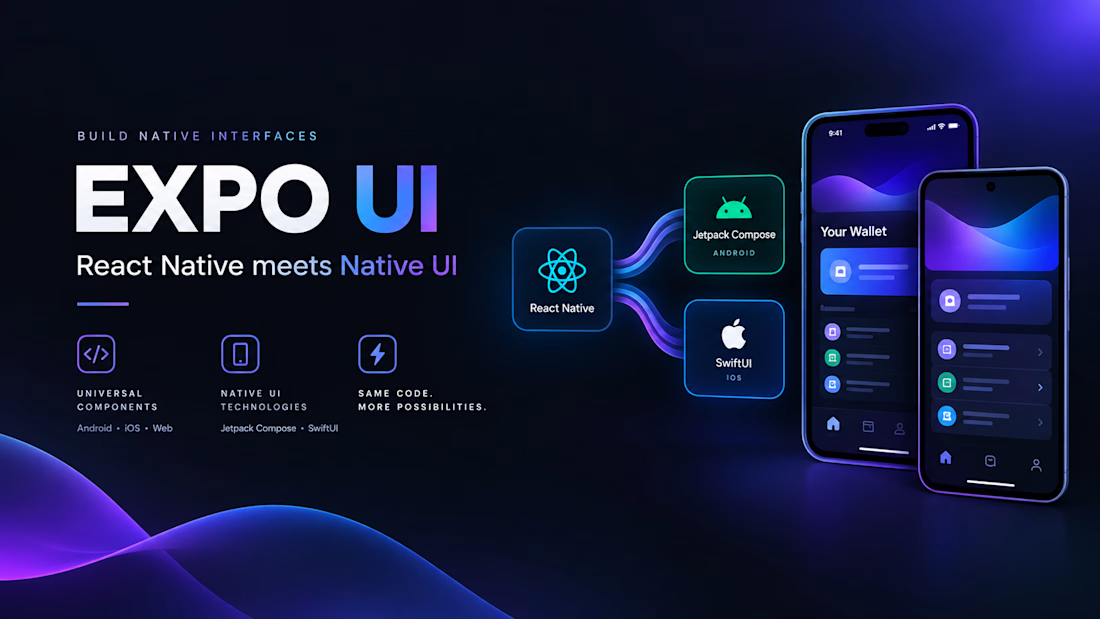
🚀 Expo UI: React Native just got a lot closer to the native layer
One of the things I love about Expo is that it keeps pushing React Native beyond the traditional “JavaScript UI” approach.
Expo UI is a great example of that.
With @expo/ui, you can bring native UI technologies directly into your React Native application:
→ Android: Jetpack Compose
→ iOS: SwiftUI
→ Universal: Cross-platform components with a native implementation underneath
That means you can keep your React Native architecture while reaching for native UI when you actually need it.
For example, Android components can be imported directly from:
@expo/ui/jetpack-compose
What I find particularly interesting is the Host component.
It acts as the bridge between React Native and Jetpack Compose, allowing native Compose components to live inside a React Native component tree.
And it goes beyond buttons.
Expo UI currently provides components such as:
• Text
• Button
• Card
• Checkbox
• Switch
• Slider
• TextField
• Date/Time Picker
• Bottom Sheets
• Lists
• Navigation components
• Modifiers for native layout and styling
You can also use the universal API when you want a single component tree across Android, iOS and web.
The bigger idea isn't simply “more UI components.”
It's:
React Native doesn't have to mean choosing between cross-platform development and native UI.
You can keep the productivity of Expo + React Native and selectively drop down into the platform's native UI system when the product requires it.
I'm especially interested in where this goes for apps that need native interactions, platform-specific UX, and deeper integration with Android/iOS capabilities.
The React Native ecosystem keeps getting more interesting. 👀
#Expo #ReactNative #ExpoUI #JetpackCompose #SwiftUI #MobileDevelopment #Android #iOS #TypeScript #SoftwareDevelopment


The network for creativity
Join 1.25M professional creatives like you
Connect with clients, get discovered, and run your business 100% commission-free
Creatives on Contra have earned over $150M and we are just getting started

Challenges
View all


Related posts

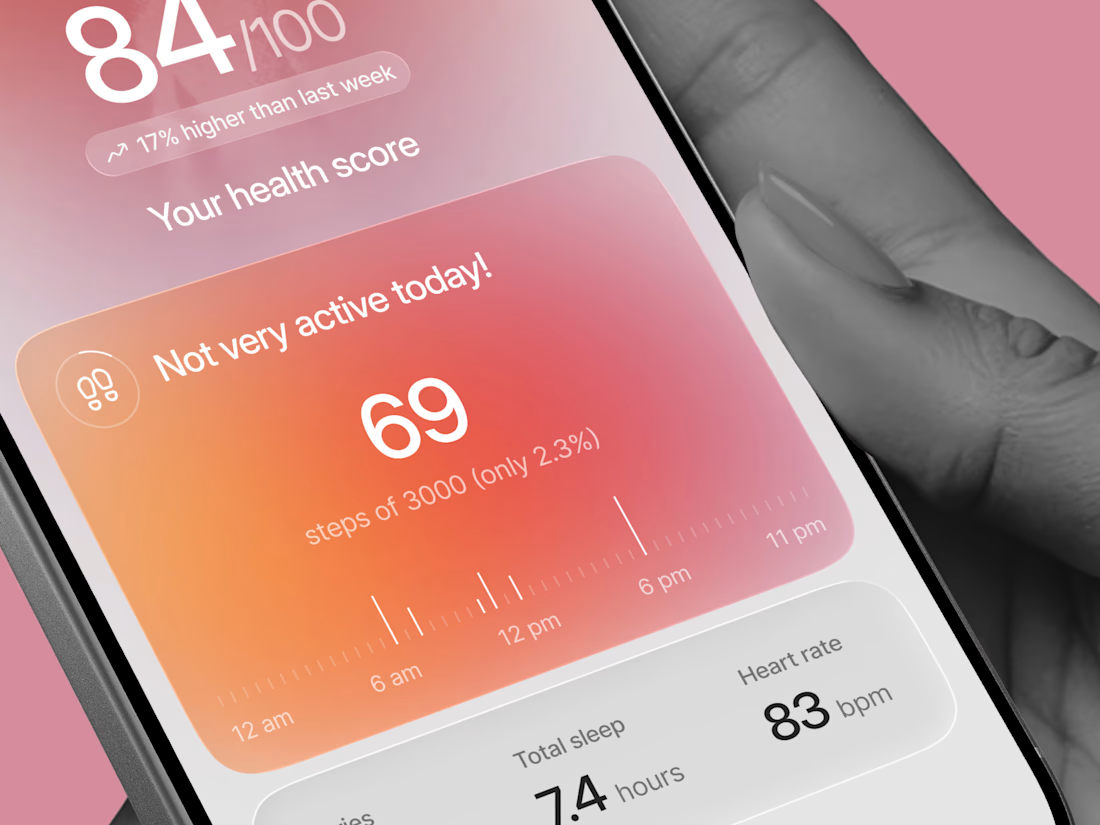
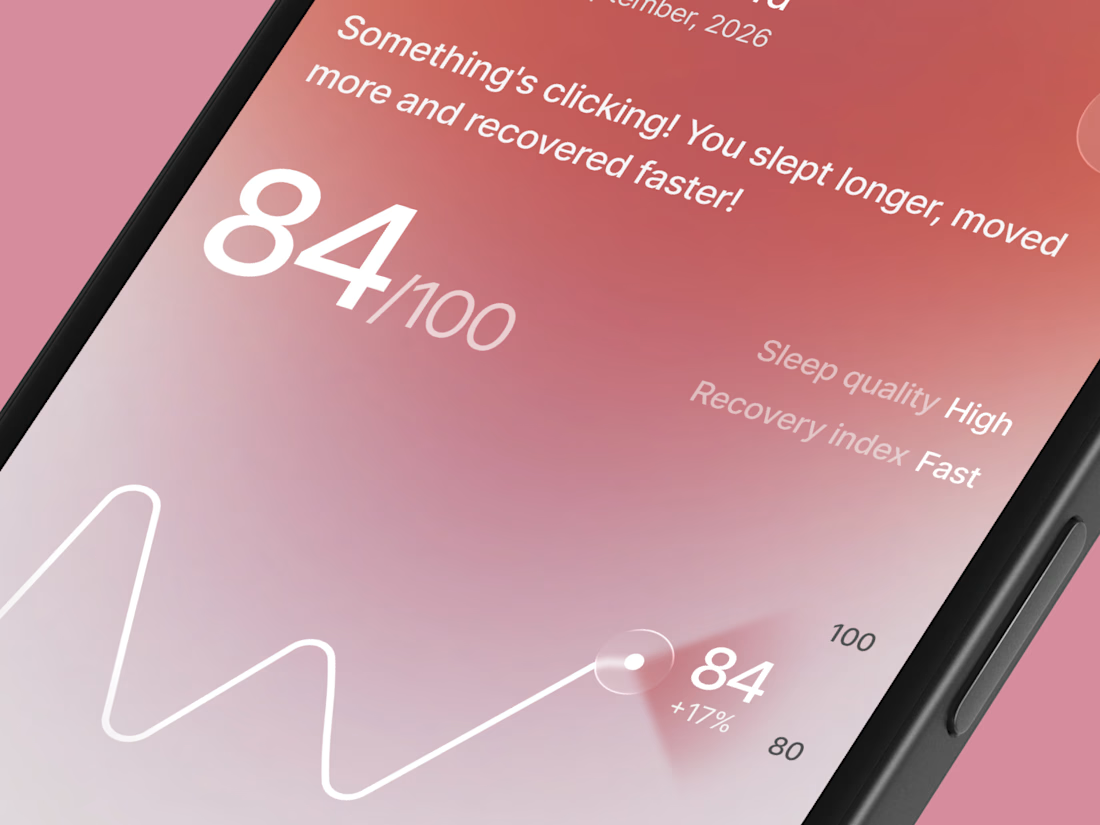
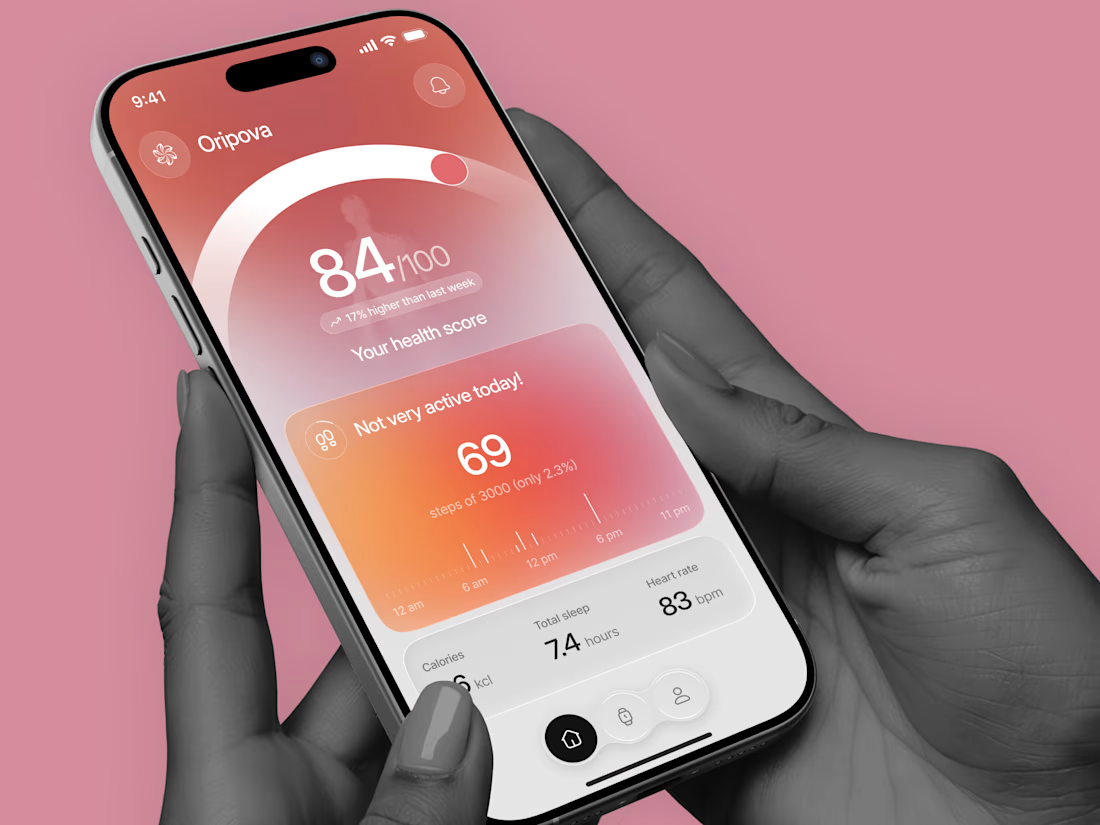
Designed a modern Health Tracking Mobile App
Clean and vibrant UI that helps users track their overall health score, daily activity, sleep quality, recovery, calories, and heart rate in one beautiful interface. Soft gradients, clear progress indicators, and insightful health records make staying healthy simple and motivating.


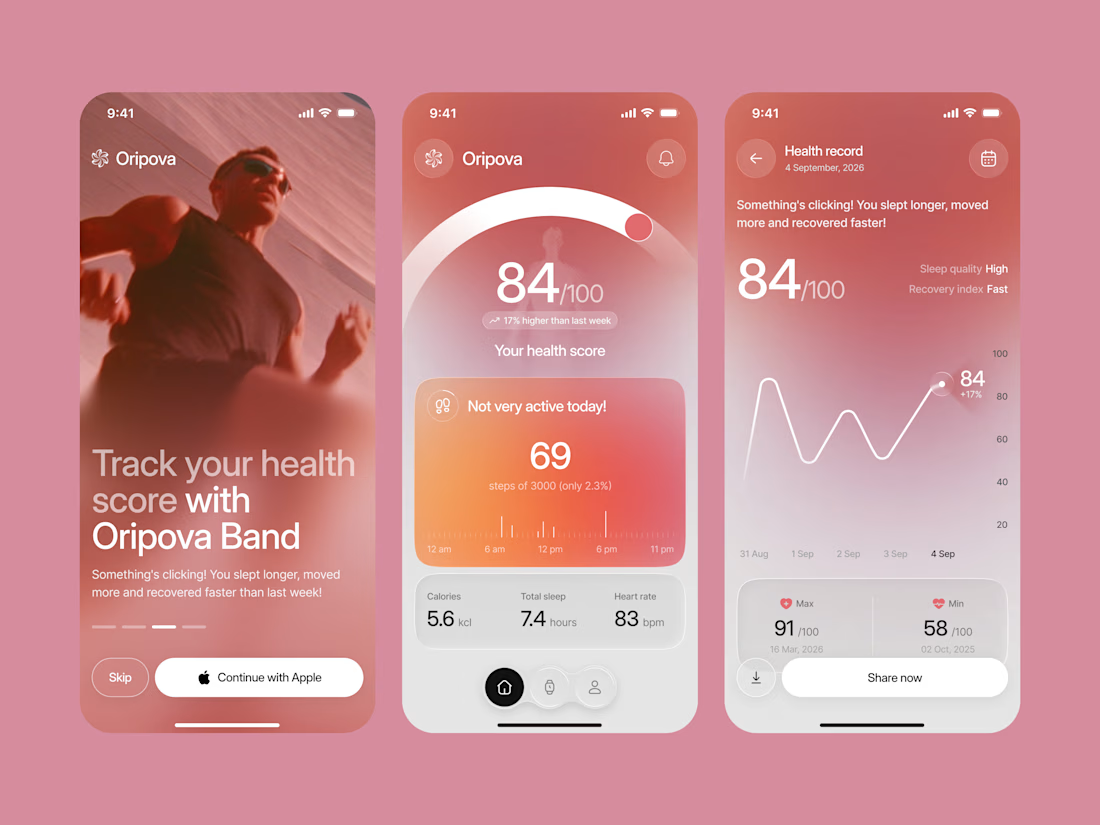

Good UI.

:Montairé: a luxury product website for a technical puffer jacket. 3D product view, scroll animations, and a clean, premium design where the product is the hero.
Do you have a brand that needs a website like this? Send me a DM and let's build it together.🚀


The 3D view and scroll choreography really do sell the material quality. On a build like this the thing I would want to see is how it performs on a mid-range phone, not a demo laptop. 3D asset weight plus scroll-triggered animation is one of the more common places a premium...

This is a project I'm currently working on for Habitly.
Which video intro do you guys prefer?
2 voted
100%
0 voted
0%
2 votes
Closed

For a product like Habitly, I would judge the intro by how quickly it explains the value, as well as how it looks. Is this for onboarding or a promotional video?