The network for creativity
Join 1.25M professional creatives like you
Connect with clients, get discovered, and run your business 100% commission-free
Creatives on Contra have earned over $150M and we are just getting started
Back to feedPost
Dynasty Texture - A Living Cultural Design Engine
What I built:
Dynasty Texture is an interactive pattern engine that puts 3,000 years of Chinese visual culture directly into a designer's hands. It spans 8 dynasties, from Shang-Zhou (c.1600 BC) through to Qing (1912 AD), each carrying its own texture library, color system, and cultural context.
How Figma Make made it possible
With just prompts and source images, Figma Make guided me through the setup of Supabase to store all 2000 texture patterns, and build all interactions, visual stylings, sticker generations, and more.
Live project: https://poem-spin-00643066.figma.site
Social post: https://x.com/hexie_design/status/2028623440077520998
#FigmaMakeathon

Why this shapes culture
Most Chinese-inspired design borrows surface aesthetics without historical grounding. Dynasty Texture gives designers access to the exact visual grammar of each era, so the motif that once lived on a 3,000-year-old ritual vessel can now live on something being designed today, for cultural continuity.
The network for creativity
Join 1.25M professional creatives like you
Connect with clients, get discovered, and run your business 100% commission-free
Creatives on Contra have earned over $150M and we are just getting started





Related posts

Image Vs Design 😊

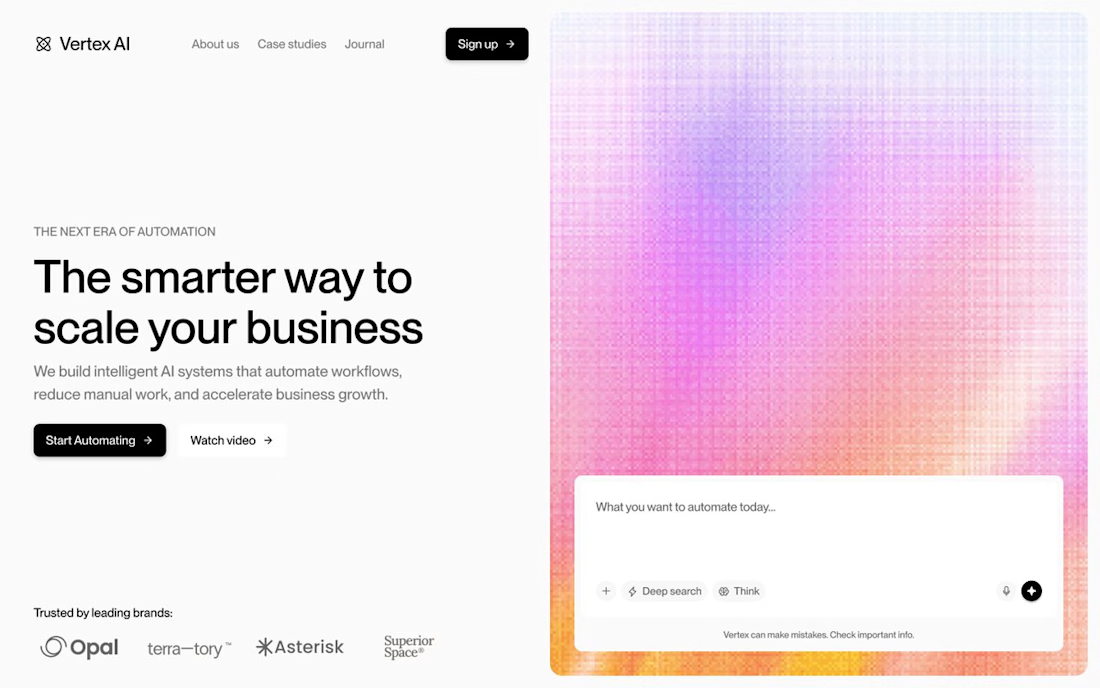

haha that left image is me before coffee and right one after. design always wins over raw image


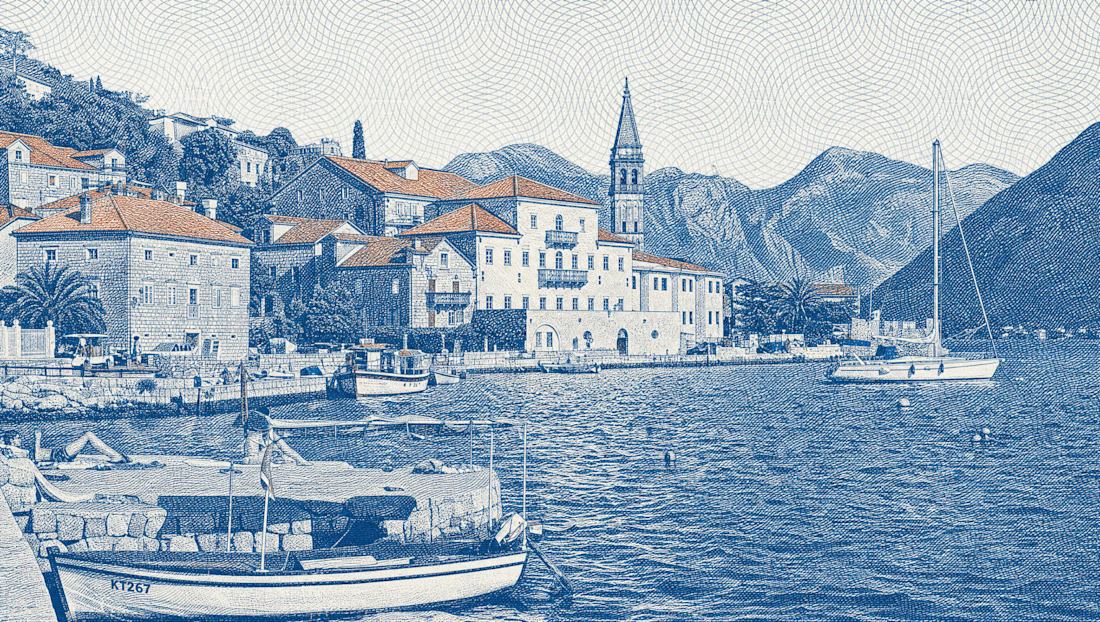


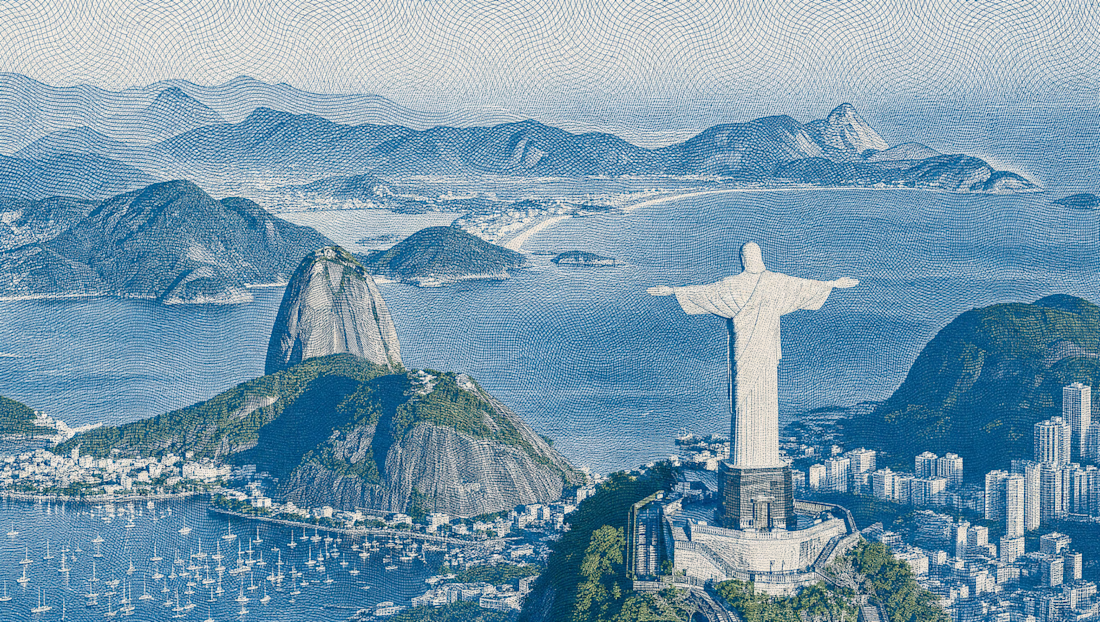

The etched blue ink treatment turns a postcard shot into something that feels printed. It works especially well on the pagoda and Rio frames, and doing it all inside Figma is a good reminder of how far that tool stretches.

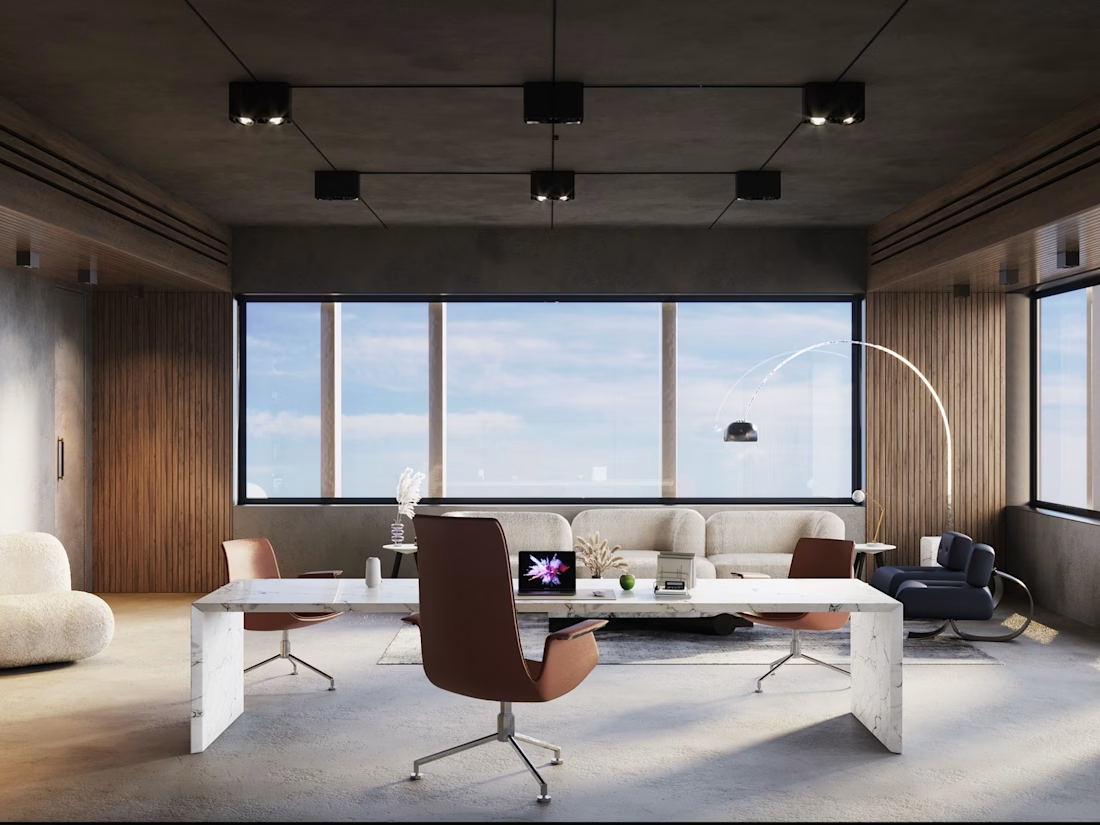
Concrete, walnut and marble: can a raw material palette still feel warm?
🏛️ Here's a new executive office visualization, 4 views, built around texture contrast and soft daylight. Full case study on my profile.
Planning a project that needs convincing visuals? Let's talk.


Amazing job, keep going! 😍✨