The network for creativity
Join 1.25M professional creatives like you
Connect with clients, get discovered, and run your business 100% commission-free
Creatives on Contra have earned over $150M and we are just getting started
Back to feedPost
Built this AI agent to find, organize, and manage leads through Gmail, helping automate lead handling and outreach.

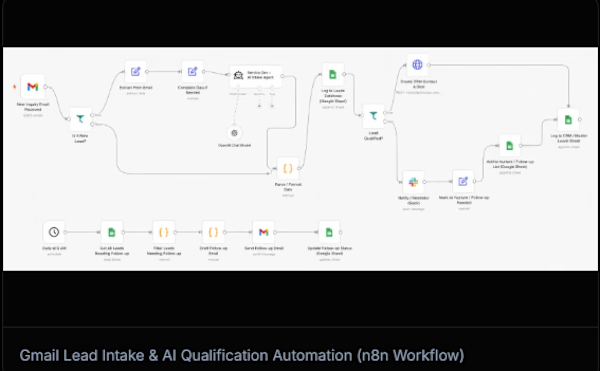

The Gmail lead-intake workflow is a useful problem to tackle. How are you handling duplicate leads and the boundary between organizing a lead and sending an outreach email? I’d keep a human review step before the first send, plus a record of why each lead was selected, so the automation stays auditable.

I’m using email and key identifiers for deduplication, while keeping lead intake separate from outreach. Leads are verified and organized first, then a human approval step is required before sending. I’m also logging the source, selection reason, and outreach status for auditability.

n8n is absolute gold for orchestrating lead pipelines like this! Connecting Gmail parsing with LLM qualification saves teams dozens of hours weekly. As someone who builds custom agentic lead automation workflows, seeing clean visual architectures like this is super satisfying. Top-tier build, Talha!.
The network for creativity
Join 1.25M professional creatives like you
Connect with clients, get discovered, and run your business 100% commission-free
Creatives on Contra have earned over $150M and we are just getting started
Related posts

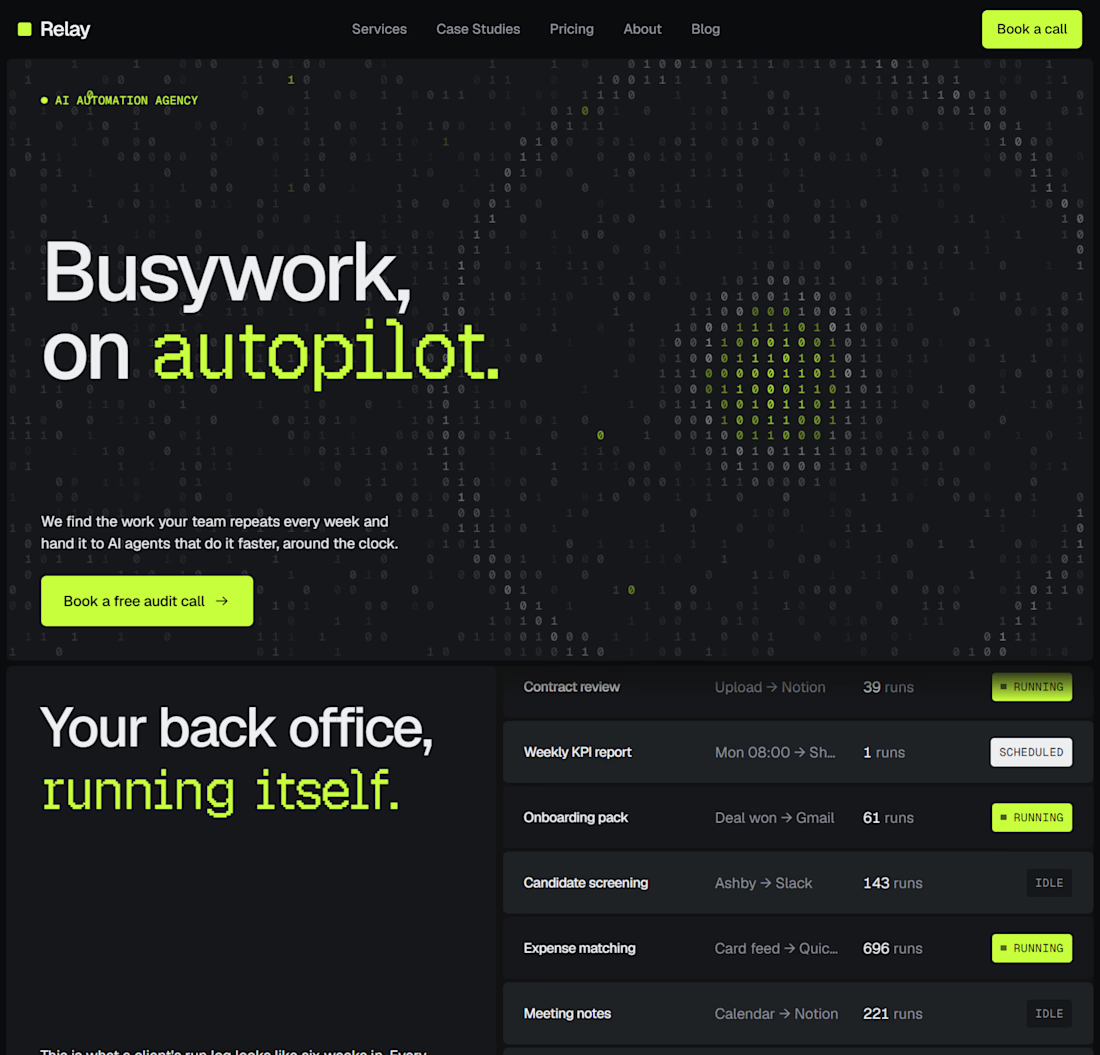
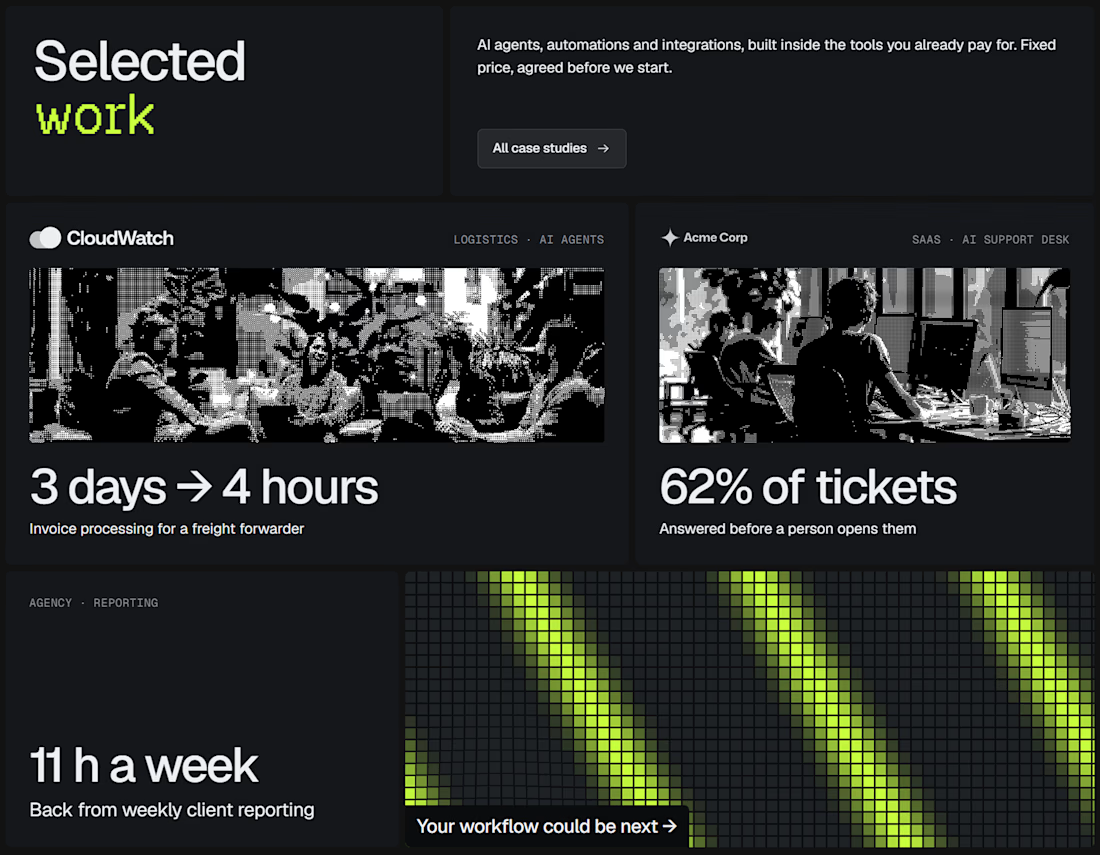
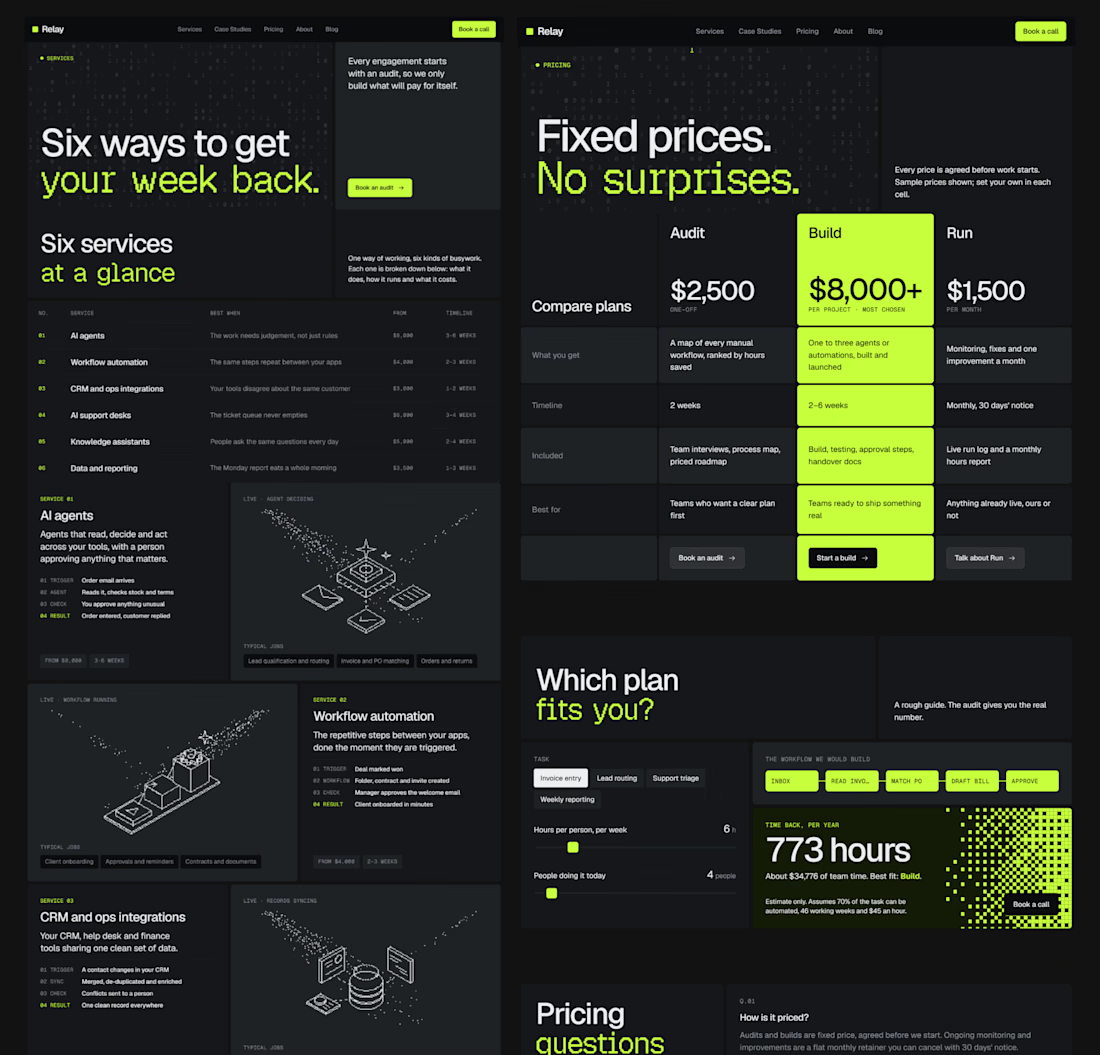
Dropped our next premium framer template for AI automation agencies, workflow consultancies & the people selling agents to businesses that still run on copy and paste.
Check it out


good work!!

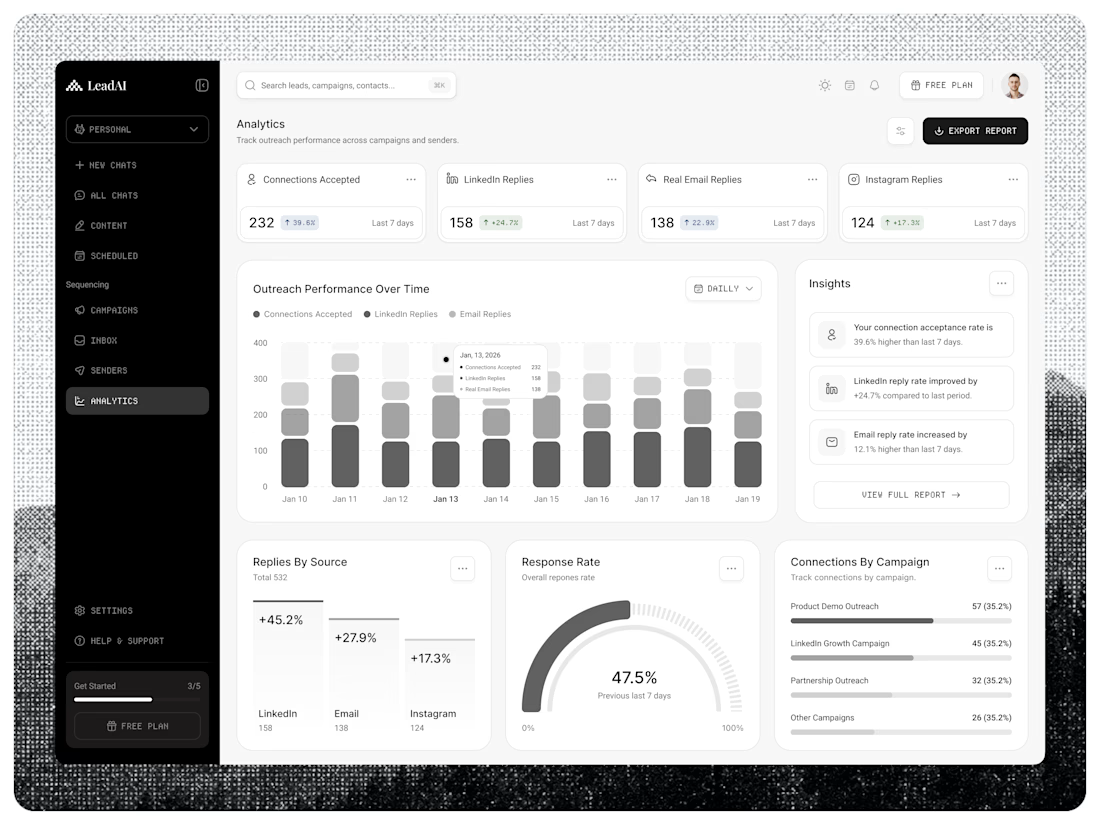
AI-Powered Prospecting SaaS Platform | Analytics Dashboard
LeadAI — AI-Powered Prospecting SaaS Platform A modern AI-powered prospecting platform designed to help sales teams discover high-quality leads, automate outreach, manage campaigns, and turn prospects into opportunities.
The experience combines AI assistance, lead generation, email & LinkedIn outreach, campaign management, analytics, and smart sales workflows into one clean, intuitive SaaS platform.
Designed for: SaaS Founders, Sales Teams, Growth Teams & B2B Businesses.
Focus: AI • Lead Generation • Sales Automation • CRM • SaaS • Dashboard • UI/UX • Product Design Designed with Figma. Interested in building a modern SaaS, AI product, CRM, dashboard, or B2B web application?
Available for UI/UX & AI Product Design projects. 🎯
✅ Full-Time | Contract | Remote



From sidewalk to doorstep.
A closer look at ROVR, a landing page concept for an autonomous delivery robot.
A robot at your door is new for most people, so every section answers a question a first time customer would ask: how it gets here, what it can carry, what it costs and what happens if it gets stuck.
Our favorite part is the FAQ, rebuilt as a chat where you can ask ROVR anything.
What would you want to know before a robot delivers your groceries?


Love the idea of turning the FAQ into a conversation. My first question would be: what happens when the robot encounters something unexpected mid-delivery? Showing how ROVR handles those moments could build more trust than any feature list.