The network for creativity
Join 1.25M professional creatives like you
Connect with clients, get discovered, and run your business 100% commission-free
Creatives on Contra have earned over $150M and we are just getting started
Back to feedPost

Healthcare AI Governance: Do’s and Don’ts
4. Validate the tool in its intended setting
Evaluate whether the system performs appropriately for its intended use, local workflows, patient population, data environment, and clinical context.
Vendor demonstrations and external validation results may be useful, but they do not replace local evaluation.
Dr. Vernette Grant
The network for creativity
Join 1.25M professional creatives like you
Connect with clients, get discovered, and run your business 100% commission-free
Creatives on Contra have earned over $150M and we are just getting started





Related posts

Bengali Language Evaluation for AI systems.
AI models are becoming more and more competent -Language Evaluation involves more than checking whether a sentence is grammatically correct .AI need language that is context-sensitive and natural and also culturally appropriate.
I can contribute to projects based on Bengali Language Evaluation that requires-
•Semantic Accuracy and ContextualMeaning.
•Ambiguity Identification and Interpretation.
•Register tone and naturalness.
•Bengali-English linguistic interpretation and content quality.
•Comparative Evaluation and Response ranking.
#ArtificialIntelligencetraining

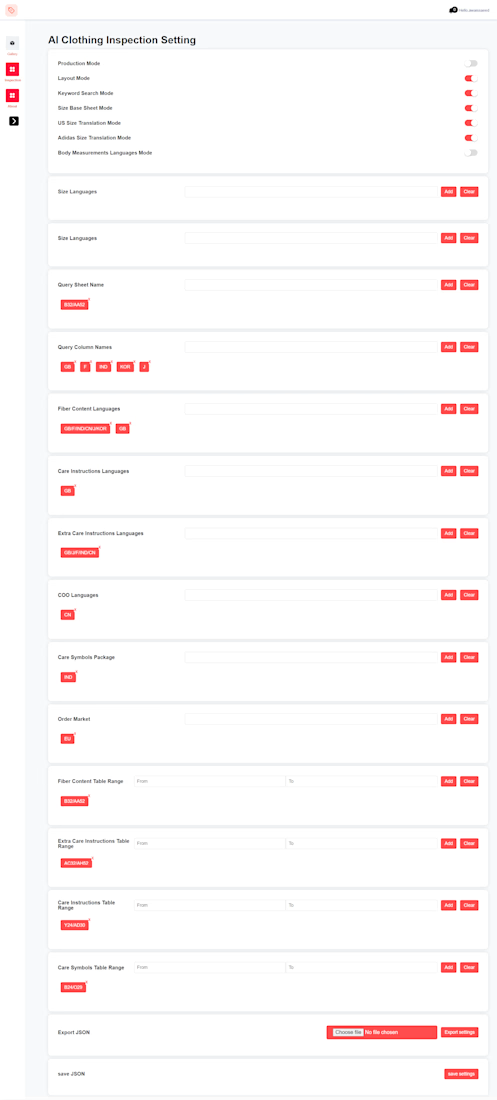
The AI Clothing Inspection System is an advanced automated quality control solution for garment and textile inspection. It leverages cutting-edge artificial intelligence technologies including multilingual OCR, deep learning vision models, and real-time object detection to ensure comprehensive product quality assurance. The system automates the detection of defects, verifies compliance with order specifications, and generates detailed inspection reports.


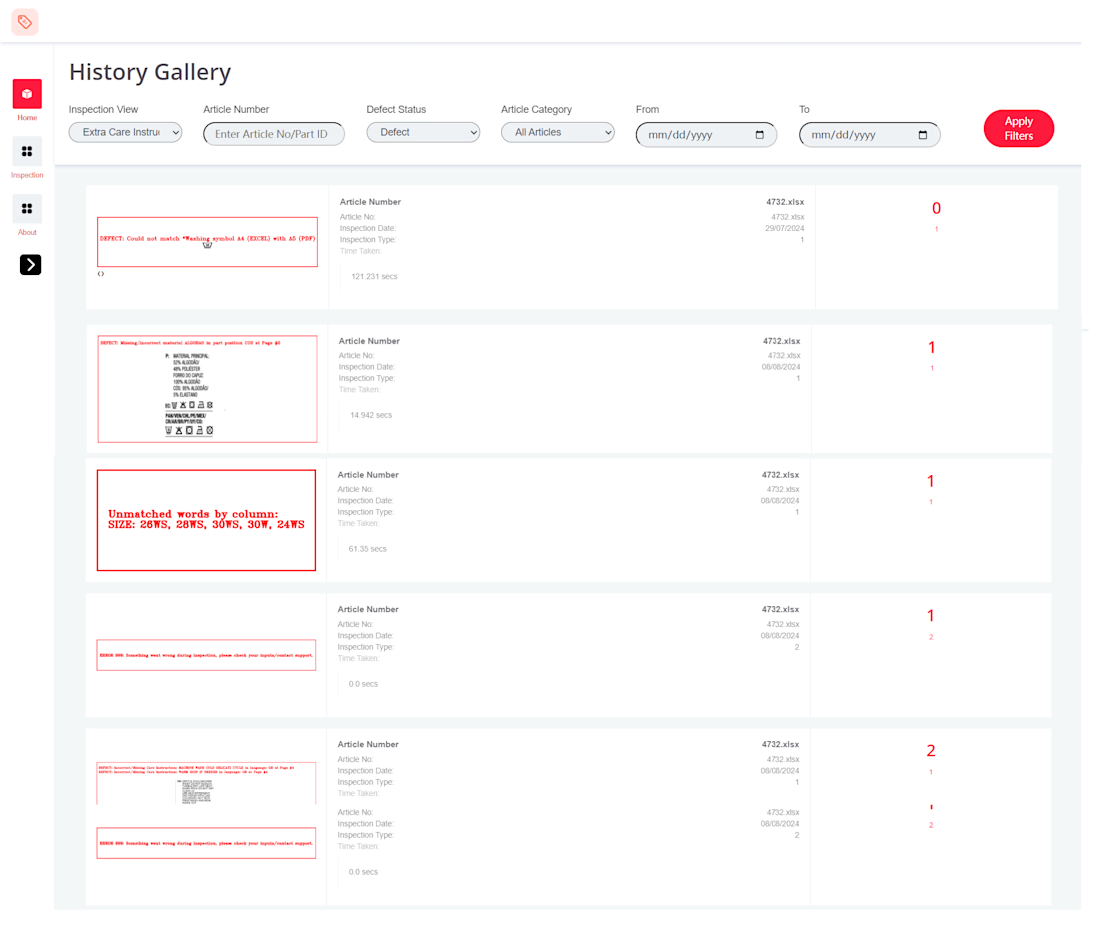
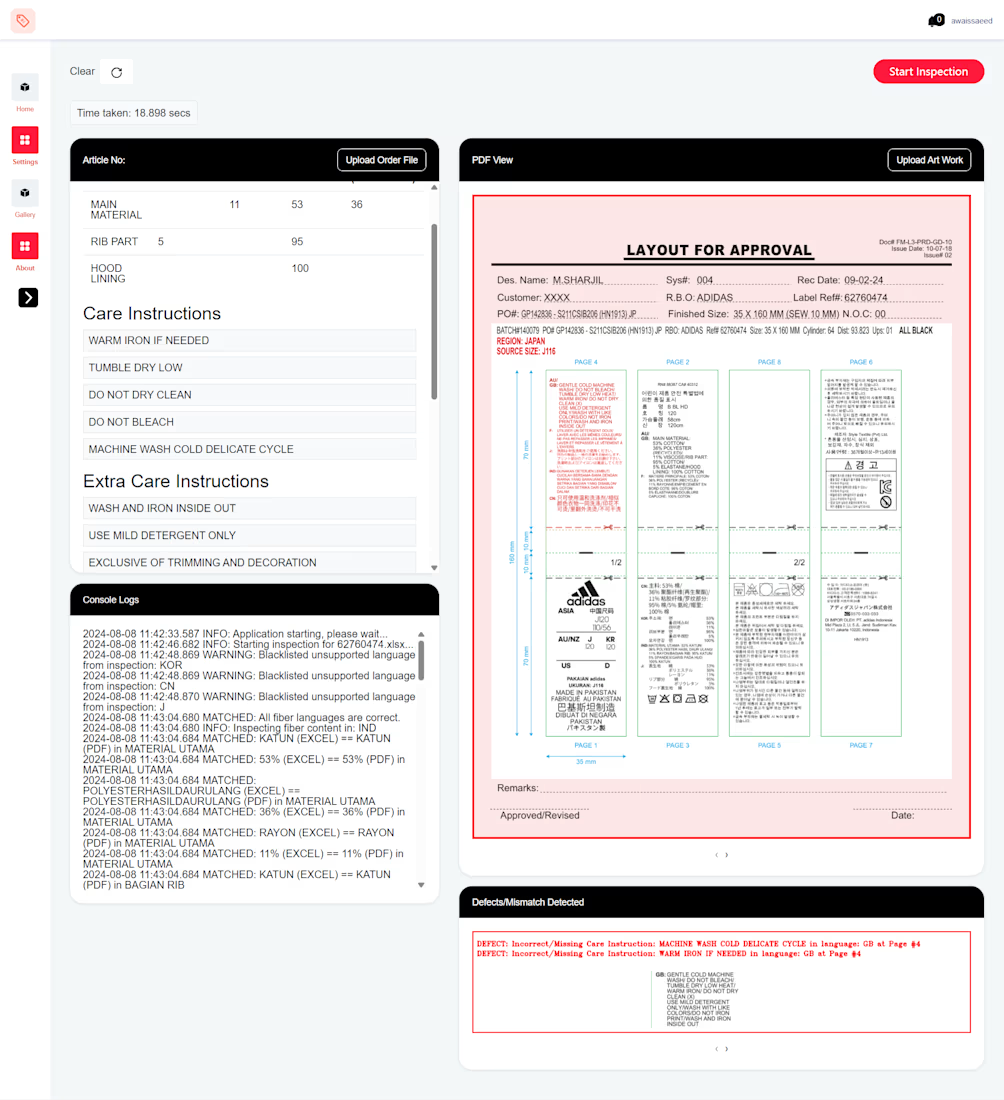
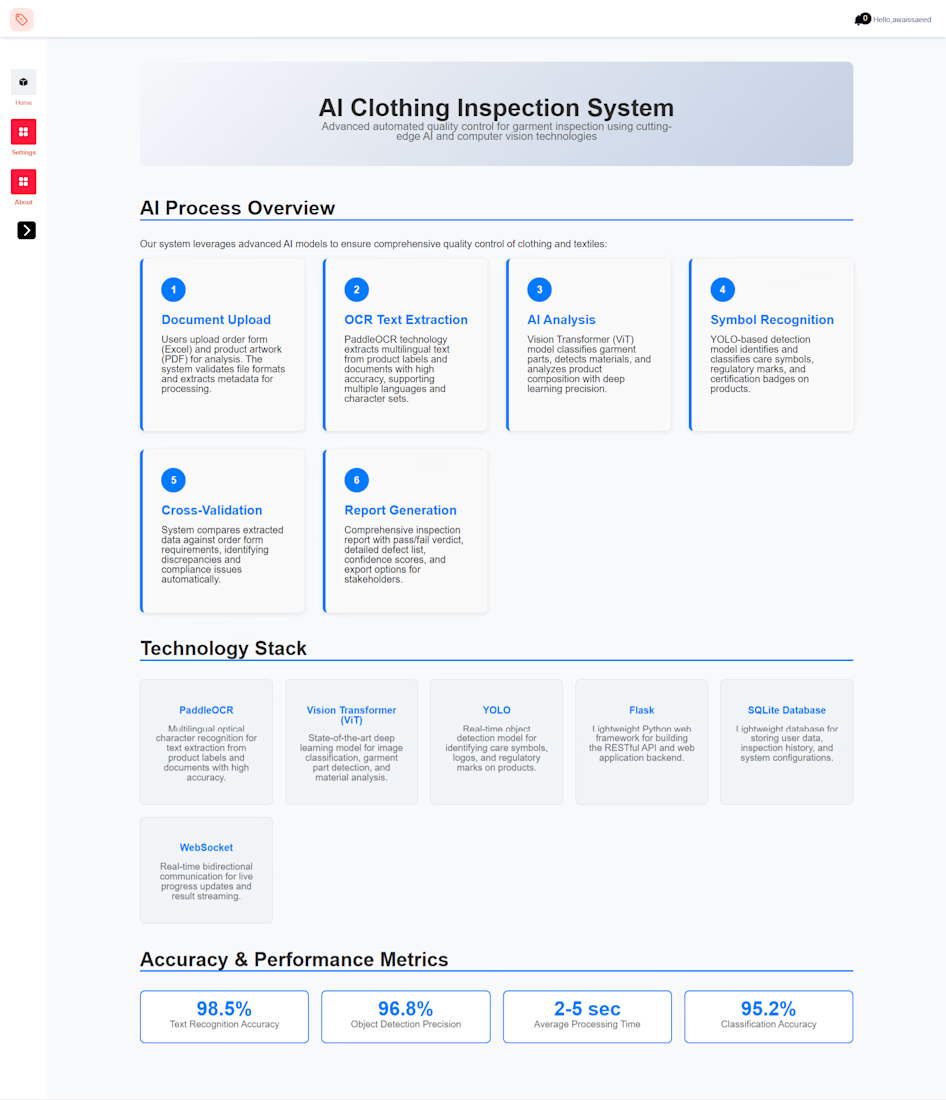

spotting garment defects with vision plus OCR on labels is a solid real-world use

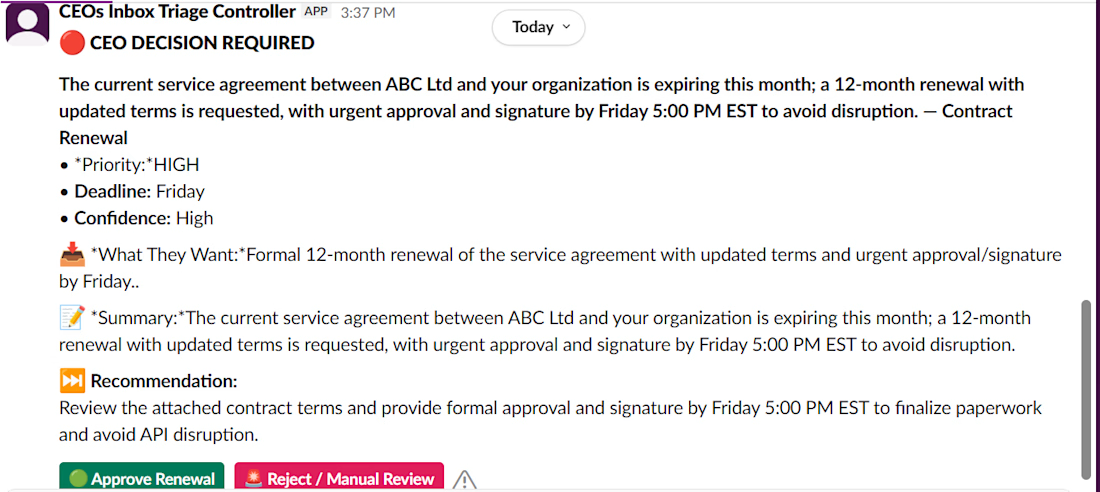
This week, I have been working on automating my boss's inbox management, delegating email triage to AI while I handle reviews and approvals that require sound judgment. Because one wrong response to a client can cost a business revenue, I wanted to build a system that saves time without handing over critical decisions to AI.
How I built it:
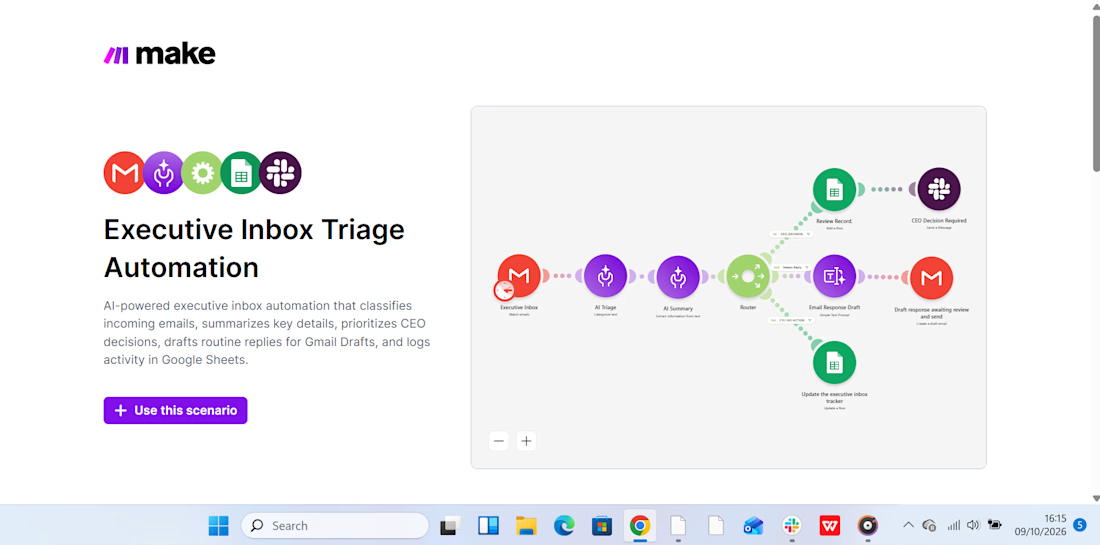
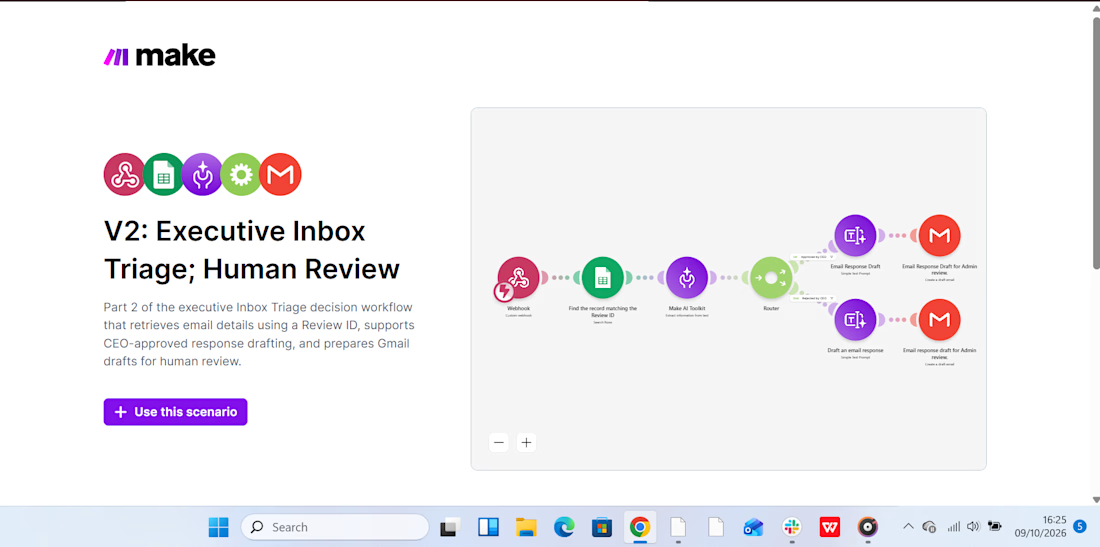
I created two connected automation scenarios in Make.com.
Scenario 1: Intelligent Inbox Triage:
AI analyzes incoming emails, categorizes them by priority, summarizes their content, and recommends the next action. This makes it easier to identify urgent messages and decide what needs attention first.
Scenario 2: Human Review & Approval:
The workflow supports the review and approval process before an email is sent. Slack notifications help bring relevant updates to my attention, so I can review the proposed action and approve the response before it goes out.
Below are snippets of the two scenarios, including a Slack notification, showing how the workflow operates.
My takeaway? AI can help manage the inbox, but when a response could affect revenue or a client relationship, the final decision should remain human.



I'd test the triage with urgent emails that sound casual, such as 'I still can't access the account.' Do you review a sample of low-priority messages to catch urgent ones the AI missed?