The network for creativity
Join 1.25M professional creatives like you
Connect with clients, get discovered, and run your business 100% commission-free
Creatives on Contra have earned over $150M and we are just getting started
Back to feedPost

The more useful your AI assistant becomes, the more dangerous it is.
This is the Intimacy-Privacy Tradeoff.
For an AI assistant to be truly useful over a long time horizon, it needs deep context about you: your financial goals, your codebase structure, your unfinished ideas, your health concerns, and your professional anxieties.
In a standard cloud-hosted AI model (like ChatGPT or Claude), all of this intimate data is stored on a server you do not control.
To solve this, we built a Local-First architecture.
Local-first doesn’t mean completely offline. You can still call fast cloud LLM APIs for raw intelligence. The difference is in where your "self" is stored:
• The Cloud gets: A single, temporary API call to process a message.
• Your Machine keeps: Your long-term memory, your causal knowledge graph (SQLite), your conversation history, and your goals.
The cloud never learns who you are over time.
Yes, local-first comes with tradeoffs—you have to manage your own backups, and the initial CLI setup is slightly more complex than a 1-click web app login.
But for users who want an assistant that knows them deeply without exposing their most sensitive data, the cloud-hosting tradeoff is becoming impossible to justify.
I wrote a detailed breakdown of the local-first architecture decisions we made for our agent VYN:
https://openyf.dev/blogs/local-first-privacy
#DataPrivacy #LocalFirst #ArtificialIntelligence #SoftwareArchitecture #SQLite
The network for creativity
Join 1.25M professional creatives like you
Connect with clients, get discovered, and run your business 100% commission-free
Creatives on Contra have earned over $150M and we are just getting started



Related posts

Ai Tamagotchi with Augmented Reality
They've been around for several years now, with built-in AI. And in a couple of years, we may (not all) there will be pocket devices-agents with AI


Cute!

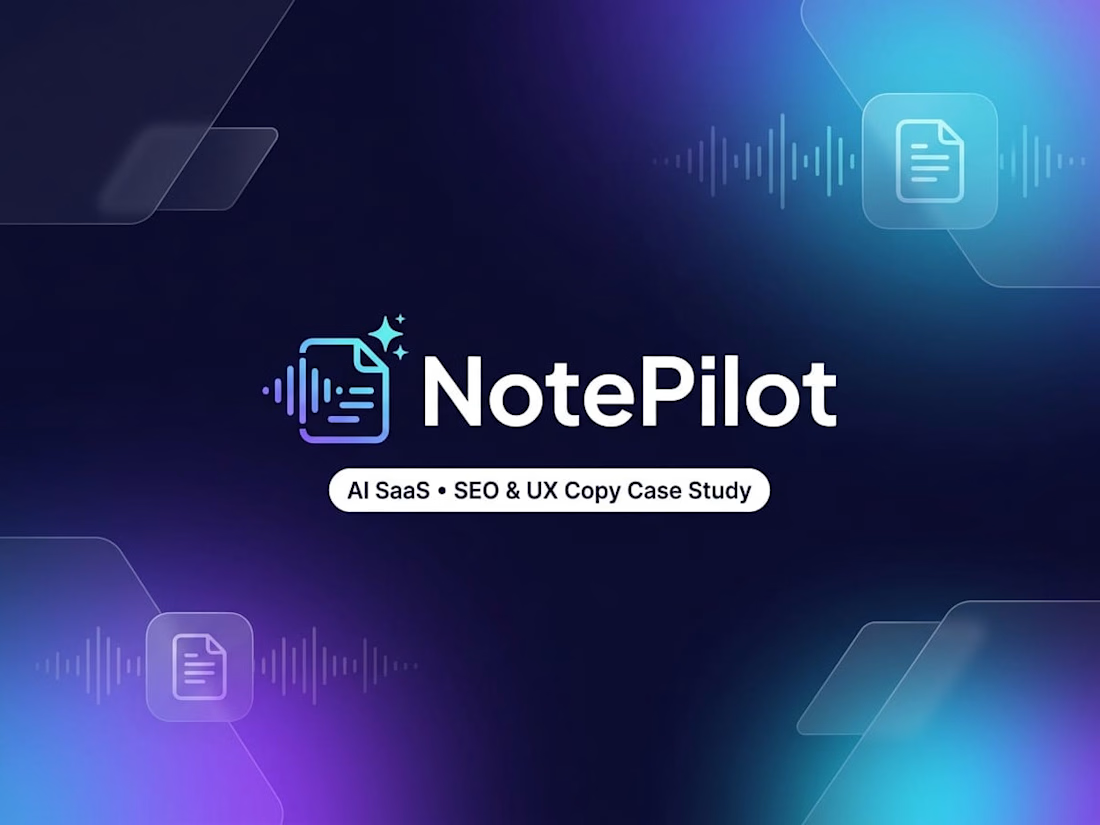
Just added a new AI SaaS UX & Conversion Copywriting concept to my Contra profile! 🤖✨
Most AI meeting assistants lose users in two spots: landing pages packed with vague "neural intelligence" hype instead of clear time-savings, and in-app setups that trigger instant privacy hesitation or blank-prompt paralysis.
For this self-initiated NotePilot concept, I designed the messaging from first click to automated follow-up:
Outcome-First SEO Copy: Led with tangible value ("Never Take Meeting Notes Again Get Action Items in Seconds") and defused privacy objections upfront ("Never trains AI models on your private calls").
High-Trust Calendar Sync UX: Added clear bot permission toggles and an "Ask Me Before Joining" option so users feel in full control.
One-Click Prompt Chips: Replaced an intimidating empty chat bar with instant action chips ("Draft Follow-Up Email", "Extract Action Items") to speed up first-call activation.
Check out the full case study on my profile. What’s your #1 dealbreaker when trying a new AI tool? 👇

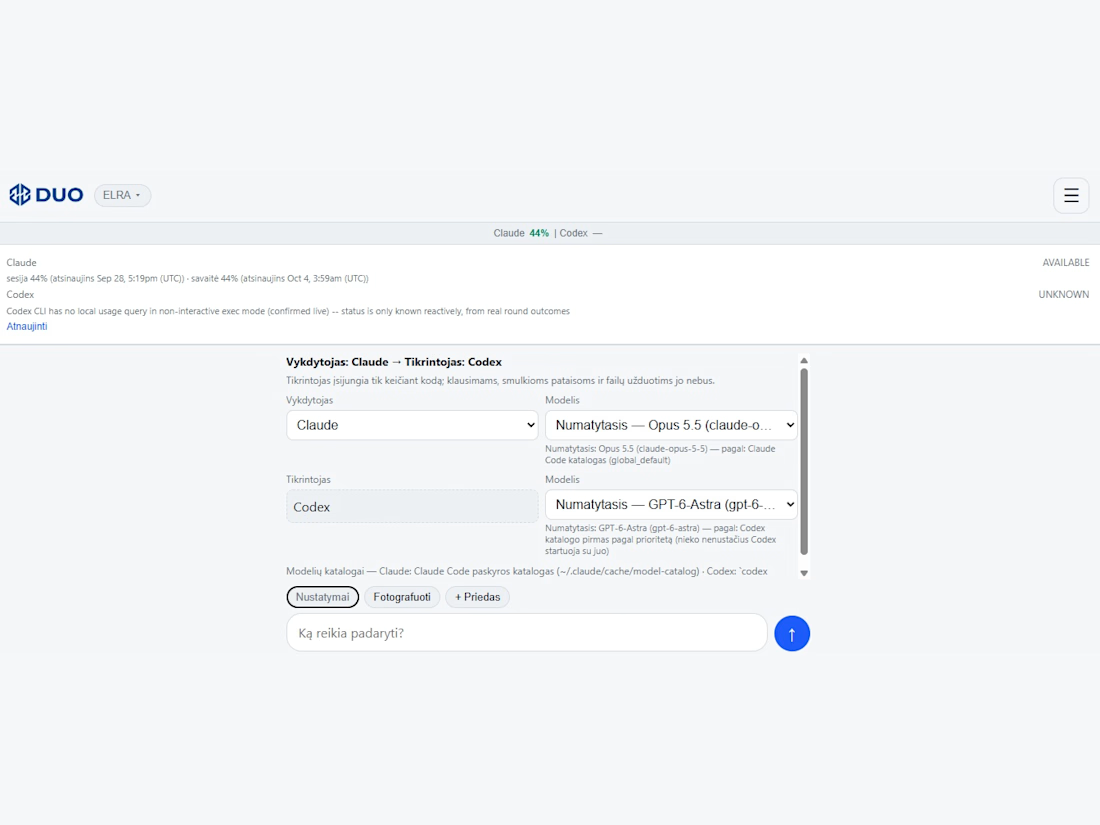
What I'm building right now: DUO, a functional prototype in active development.
It's a work and project management platform where AI agents take tasks in plain language, collaborate, and have their work checked by an independent agent. Projects keep memory across long sessions, tasks can be paused and resumed, and the owner approves what agents are allowed to do. Web UI plus an Android app.
Still in development, but it already shapes how I think about reliable AI automation.

Pause and resume is the part I'd want most. What happens when the checker agent rejects a task?