The network for creativity
Join 1.25M professional creatives like you
Connect with clients, get discovered, and run your business 100% commission-free
Creatives on Contra have earned over $150M and we are just getting started
Back to feedPost

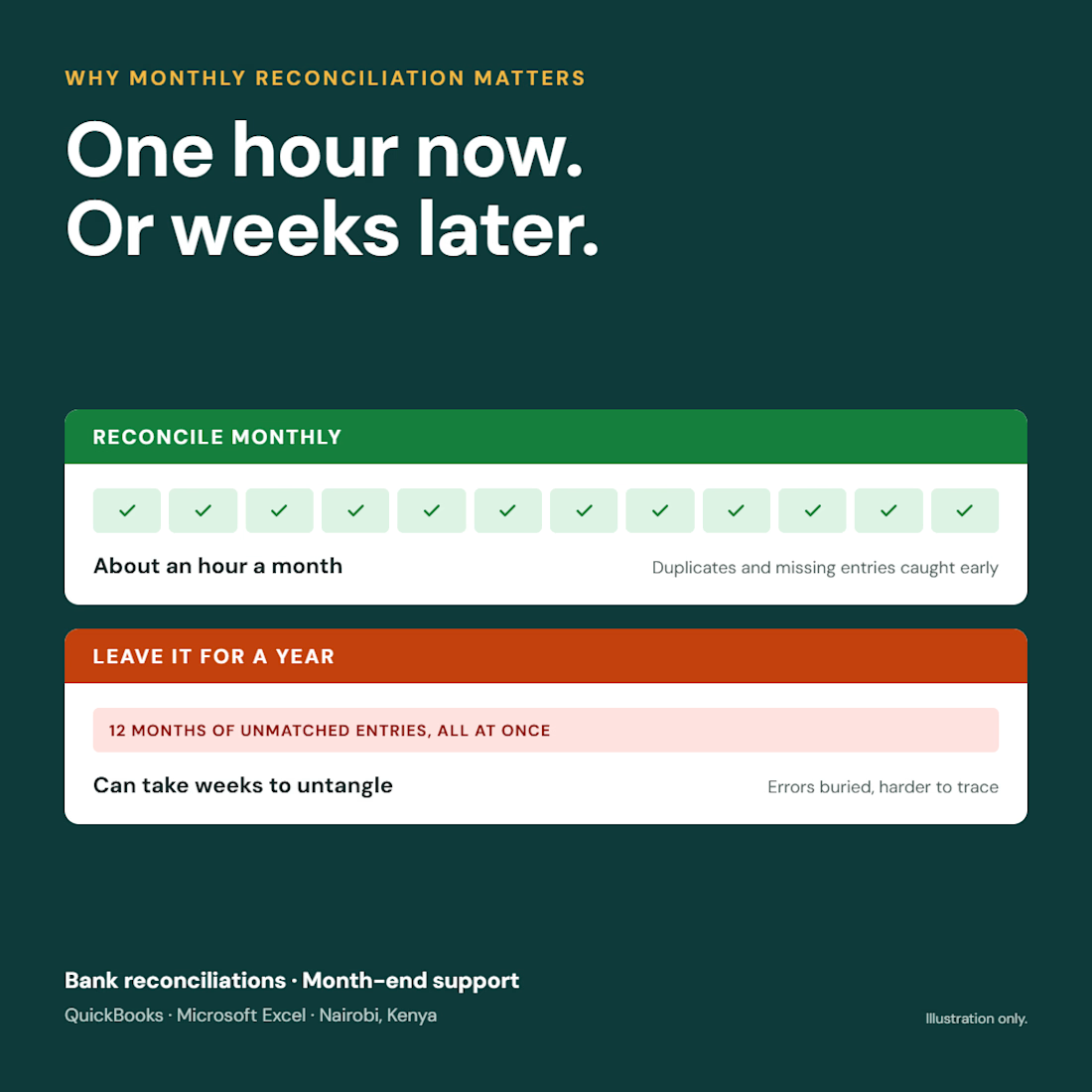
One hour now, or weeks later. ⏳
A bank reconciliation done every month usually takes about an hour. Left for a whole year, it can take weeks to untangle, and by then errors are buried and harder to trace.
Reconciling monthly helps you:
✅ Catch duplicate payments early
✅ Spot missing entries before they pile up
✅ Know your real cash position at any time
✅ Go into month-end and tax time without surprises


So true. A one-hour monthly job turns into weeks of untangling if it gets left. Catching duplicates and missing entries early saves so much stress at tax time

Consistency makes all the difference! Monthly reconciliations help catch discrepancies early, maintain accurate cash flow records, and prevent small errors from turning into major problems at year-end.
The network for creativity
Join 1.25M professional creatives like you
Connect with clients, get discovered, and run your business 100% commission-free
Creatives on Contra have earned over $150M and we are just getting started



Related posts

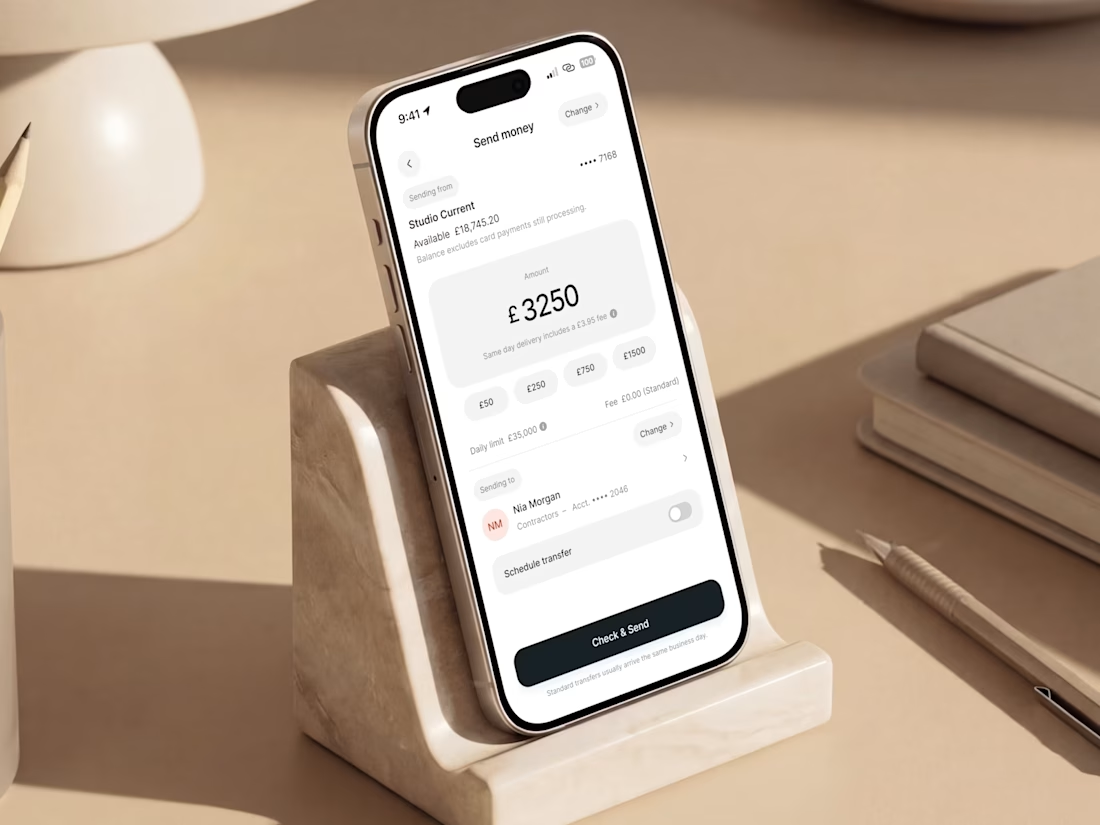
A mobile business banking experience designed to make sending money feel clear, controlled, and reassuring.


Clean designs

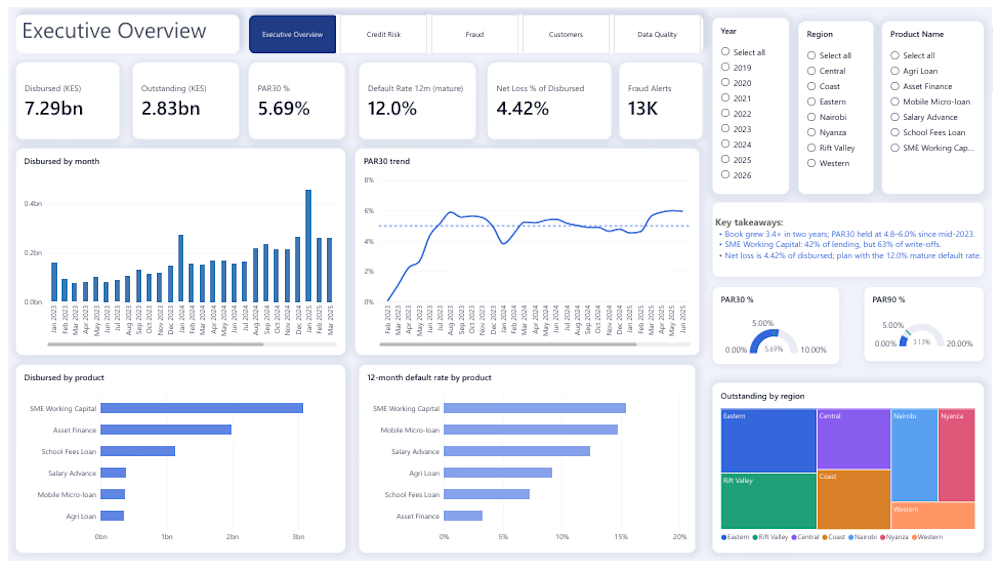
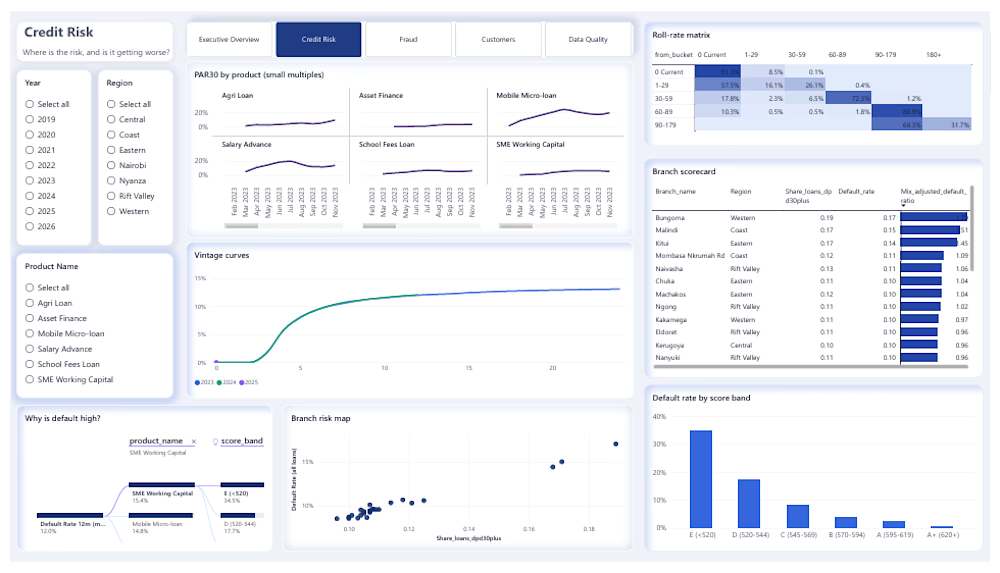
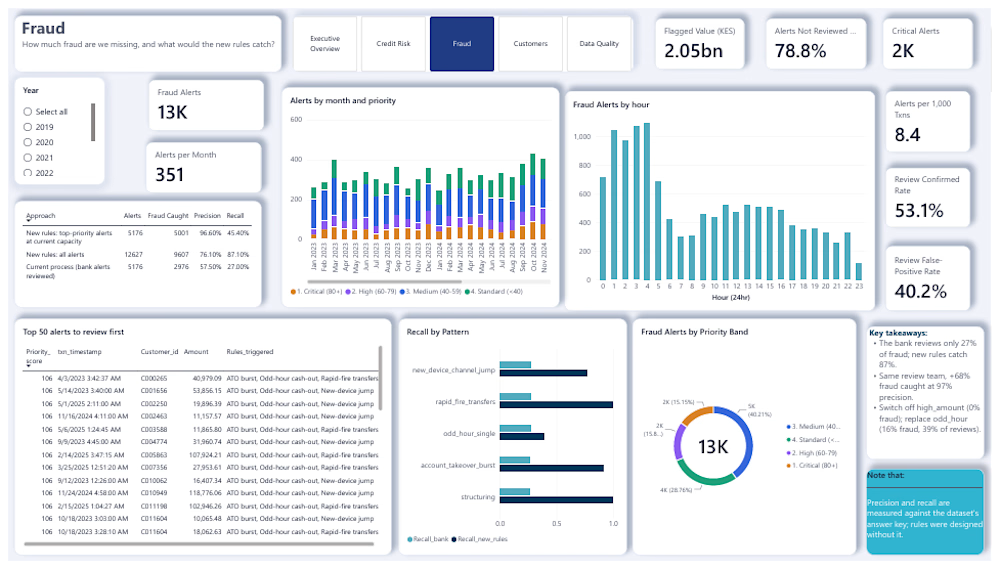
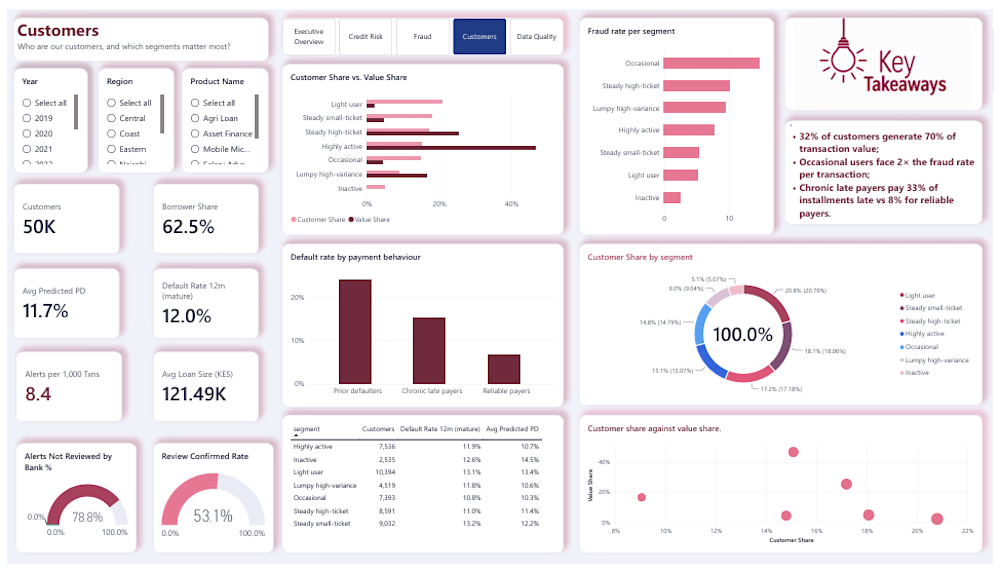
I spent the last few weeks building an end-to-end analytics project for a fictional Kenyan lender: from 45 messy CSV files to a Power BI dashboard.
The brief: the loan book grew 3.4× in two years. Leadership wanted four answers:
→ Is the growth safe?
→ Who will default?
→ How much fraud is being missed?
→ Who are the customers?
What I found:
• One product is 42% of lending but 63% of write-offs
• 30 days late is the point of no return: 57% of late loans recover before it, 18% after
• A scorecard that would cut the bad-loan rate from 12.5% to 9.0%
• Fraud rules that catch 68% more fraud with the same review team
Stack: PostgreSQL, SQL, Python (pandas, scikit-learn), Power BI.
The data is synthetic, generated with deliberate defects and a hidden answer key, so I could score every step of my work.
The full slides are attached. Code, write-ups and the dashboard are on GitHub (link in the first comment).
If you could ask this bank one more question, what would it be?
#DataAnalytics #PowerBI #SQL #CreditRisk #PortfolioProject


Before / After: lead follow-ups, automated with n8n + OpenAI
Before: a new lead waited up to 2 days for a reply. Follow-ups were manual — 1 touch, easy to forget, easy to miss.
After: 1 n8n workflow watches the inbox, drafts the reply with OpenAI, and sends 3 follow-ups over 7 days. The first reply goes out within 5 minutes. A human still approves every message before it is sent.
In numbers: 2 days to first reply became 5 minutes. 1 touch became 3 touches. Built in 5 days — 1 workflow, 0 missed leads since.
What part of your follow-up would you automate first?