The network for creativity
Join 1.25M professional creatives like you
Connect with clients, get discovered, and run your business 100% commission-free
Creatives on Contra have earned over $150M and we are just getting started
Back to feedPost

Clarity Before Build
There’s a growing pattern I’m seeing across project requests:
Complex systems being framed as “simple execution.”
Multi-platform builds labeled as “just Webflow.”
Advanced workflows expected within starter budgets.
This isn’t a critique — it’s a common misalignment in scope vs expectation.
When systems involve multiple tools, user paths, data syncing, and automation layers…
you’re not hiring a builder.
You’re engaging systems architecture.
Clarity at the beginning doesn’t increase cost —
it prevents wasted time, rebuild cycles, and budget leakage later.
I’m currently open to a limited number of aligned projects where:
• Scope matches system reality
• Strategy is valued alongside execution
• Outcomes matter more than shortcuts
If that’s where you’re operating — we’ll work well together.
For those wanting to ensure alignment before building, I offer a focused
AiProject Alignment Session
(30 minutes — $75)
A concise working session to:
• Clarify scope vs actual system requirements
• Identify gaps before development begins
• Align expectations to avoid costly missteps
If that resonates, feel free to reach out.


The network for creativity
Join 1.25M professional creatives like you
Connect with clients, get discovered, and run your business 100% commission-free
Creatives on Contra have earned over $150M and we are just getting started



Related posts

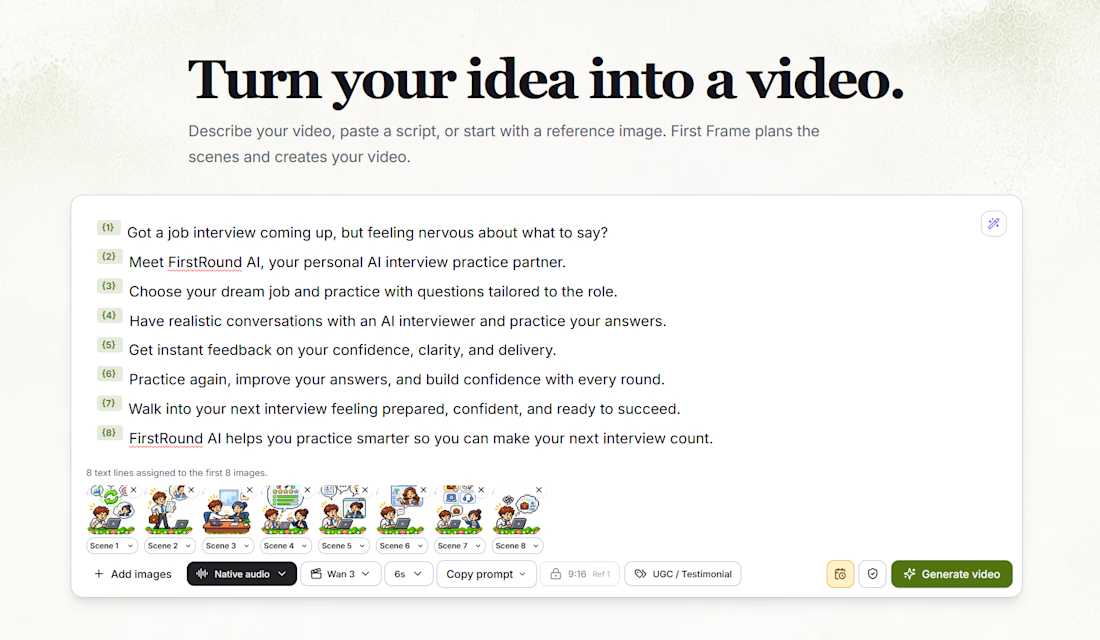
Instead of spending hours editing, stitching clips together, and figuring out production workflows, you can describe your idea, paste a script, or upload reference images.
First Frame helps turn that into a structured, multi-scene video.
Here's what I've been building into it:
AI Scene Planning — Turn a script into individual scenes with matching reference images.
Multiple AI Video Models — Generate scenes using models like Wan 3.
Visual Continuity — Keep characters, scenes, and storytelling consistent.
Audio Integration — Support for narration and audio generation.
Automated Video Assembly — Bring individual scenes together into one finished video.
Creative Controls — Adjust scene duration, video formats, prompts, and generation settings.
The screenshot shows an eight-scene promotional video I'm creating for FirstRound AI, with each script line connected to its own visual reference.
My goal is to make AI video creation more accessible, without needing a complicated editing suite or a production team.
It's still evolving, and I'm continuing to improve the generation pipeline, transitions, audio synchronization, and final exports.
From an idea to a storyboard to a finished video — all in one place.


Great work 👏🏻

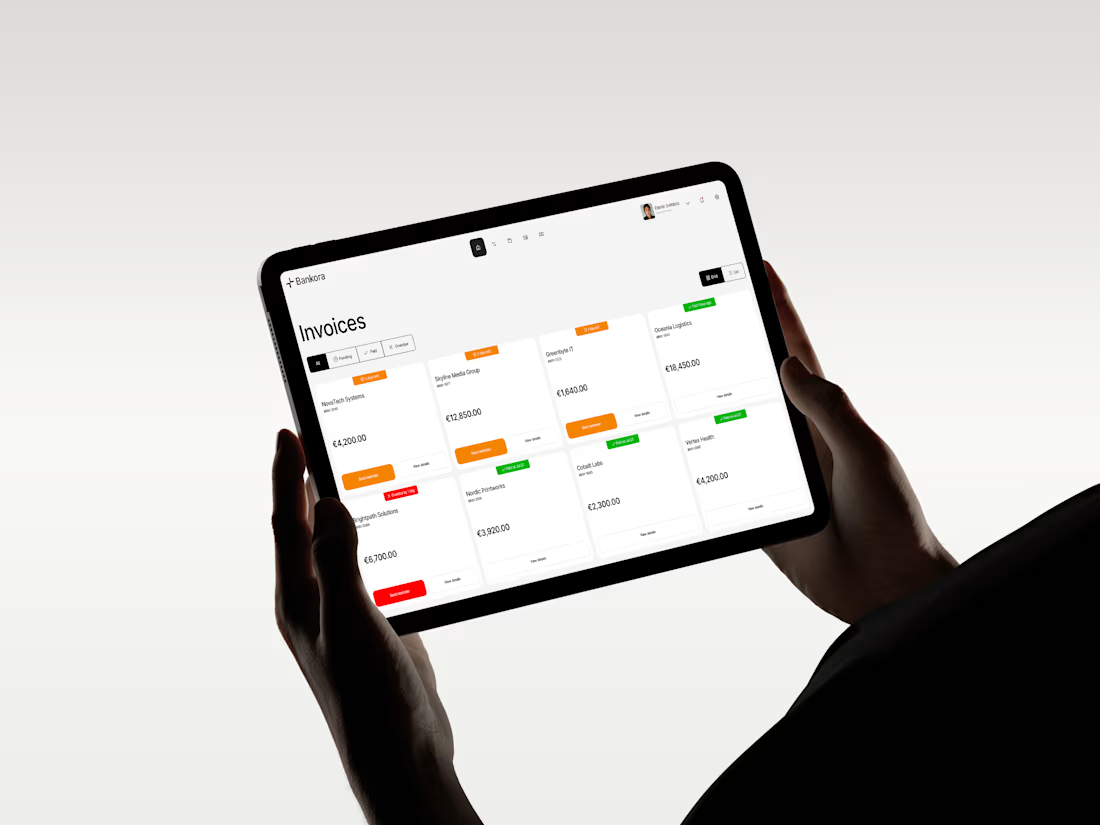
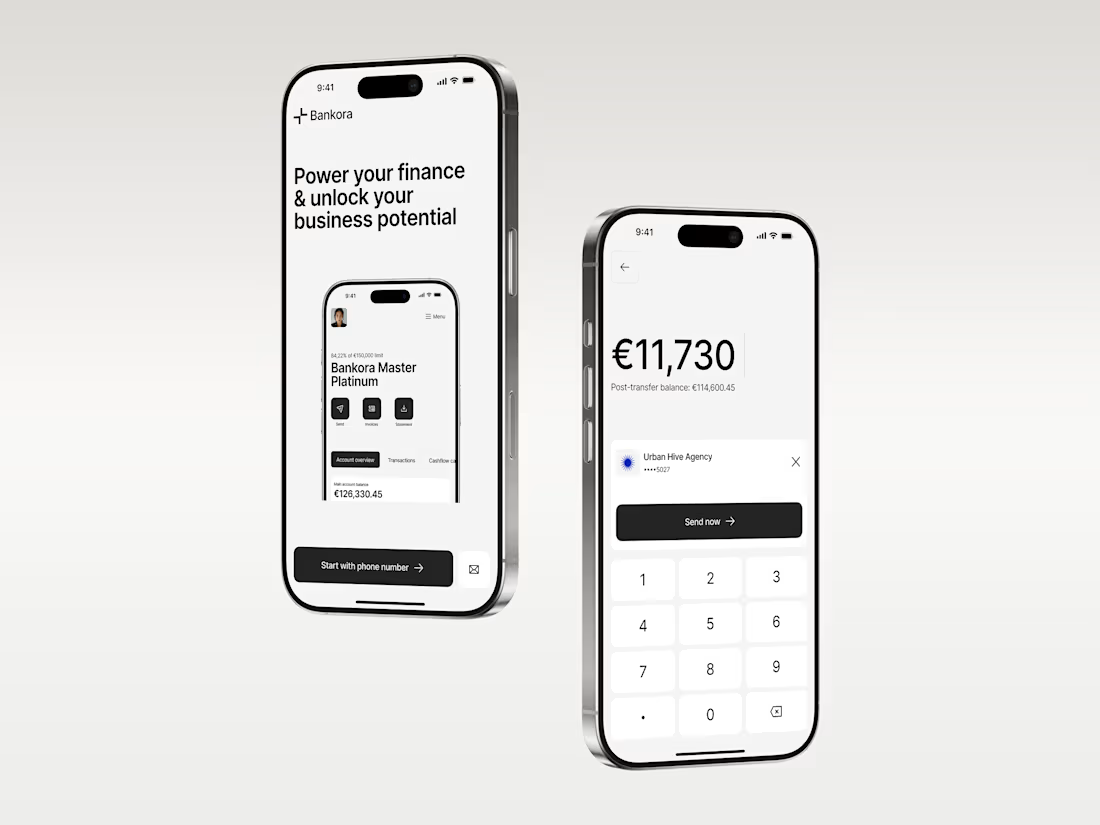
Business banking is already complex. The product shouldn’t make it feel even harder.
That was the thinking behind Bankora.
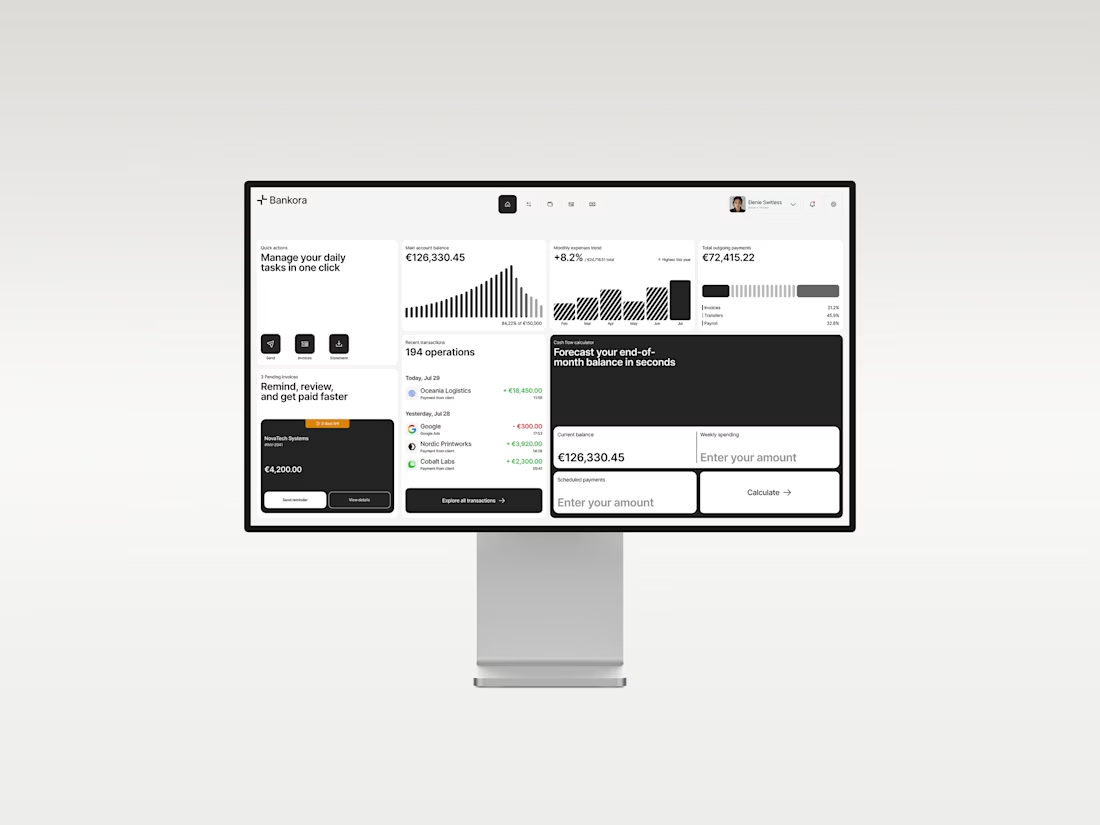
Payments, invoices, cash flow, financial overview. These are things business teams deal with constantly, yet many banking products still bury simple actions under dense data, long paths, and complicated navigation.
So I started with the workflows, not the screens.
I looked at the tasks people need to complete most often, where unnecessary steps appear, and what information actually needs attention first.
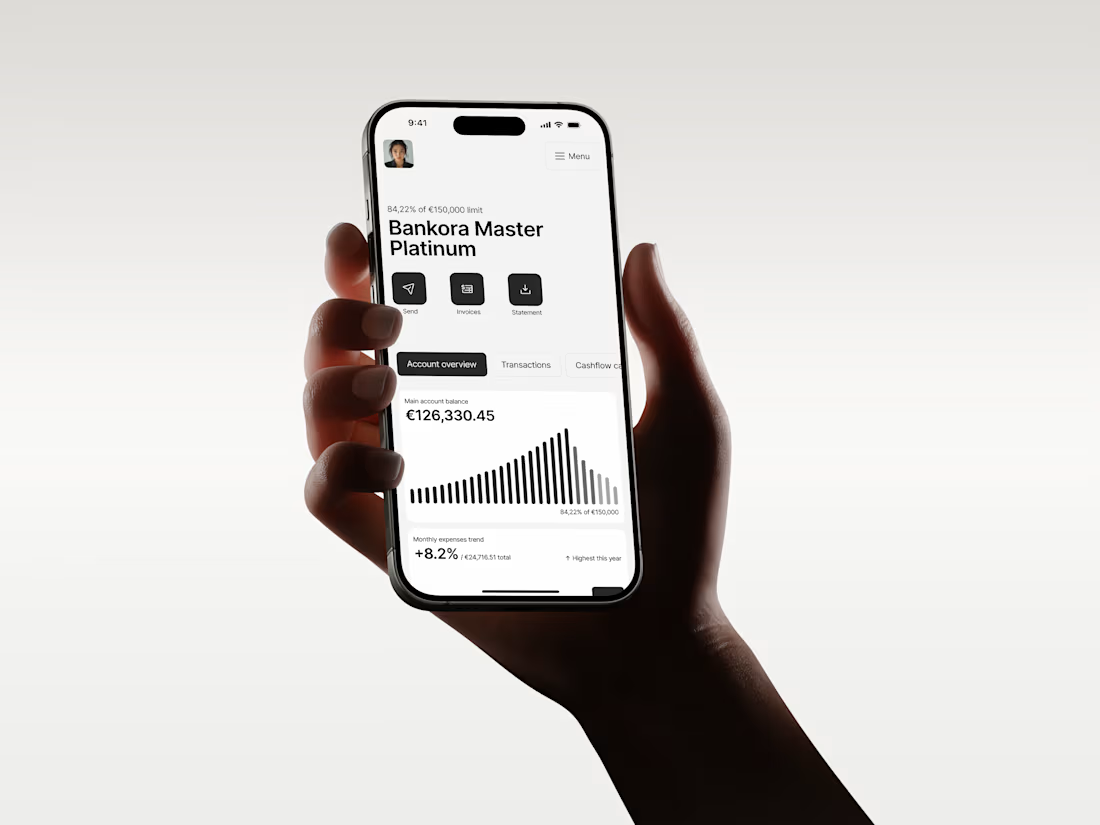
From there, I built the experience around clearer priorities: key actions available quickly, predictable navigation, structured financial data, and modular UI that makes things like pending and overdue invoices easier to understand at a glance.
I also designed an interactive cash flow calculator to help users see where the business may be heading, not just what has already happened.
The goal wasn’t to make financial operations simpler than they really are.
It was to make interacting with them feel simpler.
Less searching. Less cognitive load. More confidence in what to do next.
And it was especially nice to see Bankora later featured by Contra.


Lovely!

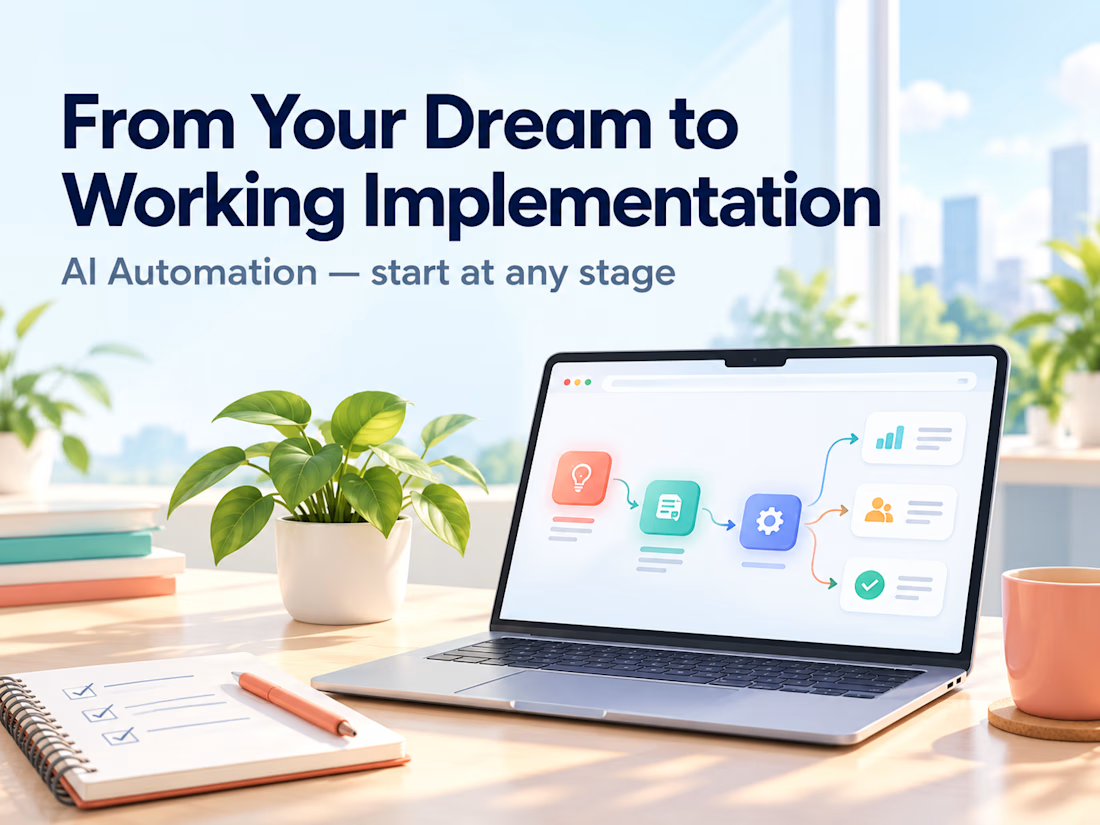
Clients often start with the same request: "Let's build an AI agent."
My counter-question is always: which manual process actually costs you time, errors, or money right now?
My selection rule: remove it first. If it can't be removed, simplify it. If it's still needed, automate it with a plain script. Only then add an integration or an agent. Often the best result is the process that no longer exists.
Safe automation means real scenarios, error handling, and alerts. Without alerts, a workflow can silently lose data for weeks. I always define what stays with a human and what goes to the system.
Question for you: which process would you automate first, and why is it still manual?
Service for audit and implementation: https://contra.com/s/BmWLbgFU-ai-automation-from-your-dream-to-working-implementation?r=auto_booster