The network for creativity
Join 1.25M professional creatives like you
Connect with clients, get discovered, and run your business 100% commission-free
Creatives on Contra have earned over $150M and we are just getting started
Back to feedPost

Icons → tokens → components → screens. In that order, on purpose.
On an eIDAS-compliant signature platform, I built the design system in a strict sequence — each layer constraining the one above it.
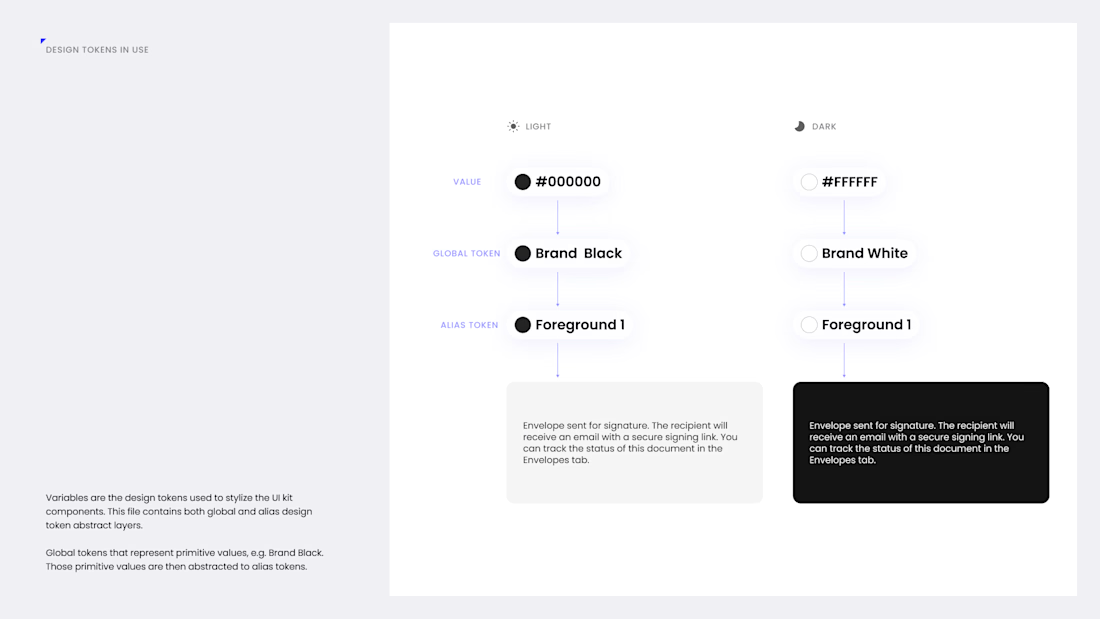
Tokens came in three layers: global (primitive values), alias (intent — surface.primary, border.subtle), component (button.primary.background).
The separation did real work: globals could change without touching components; aliases let one primitive serve different intents across light and dark.
The test came later, when the team grew: other designers changed some of my decisions — and the token architecture absorbed the changes without breaking.
A system that can't be changed isn't a system. It's a style guide.
The network for creativity
Join 1.25M professional creatives like you
Connect with clients, get discovered, and run your business 100% commission-free
Creatives on Contra have earned over $150M and we are just getting started







Related posts


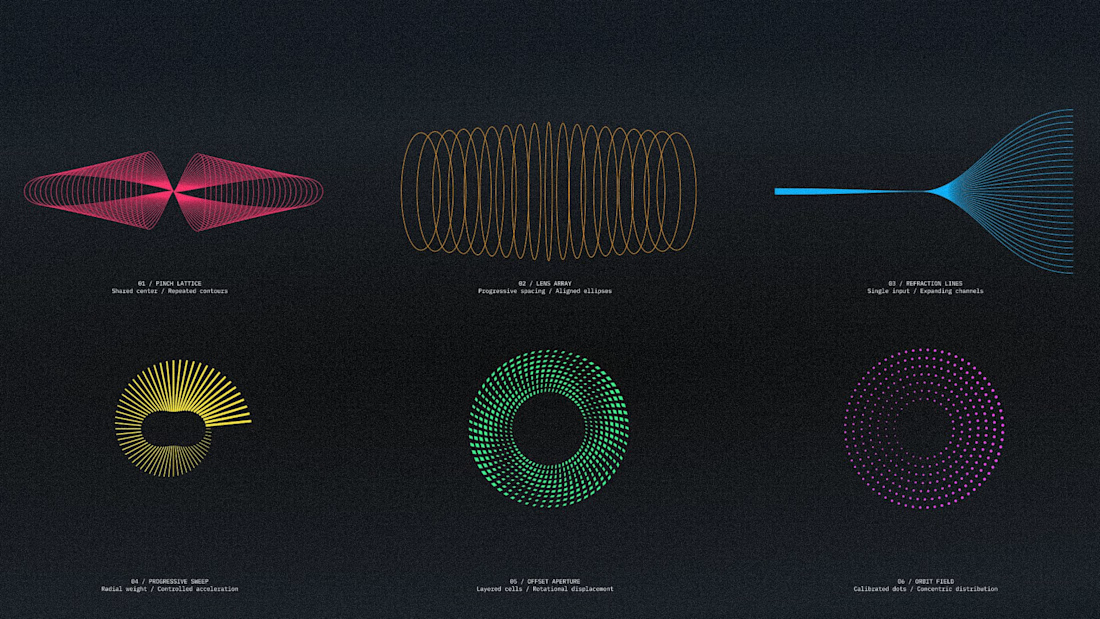
Six vector motifs, each built on one rule.
Shared center, repeated contours. Single input, expanding channels. Rule first, then shape.
That's what makes a system survive a format nobody scoped.

Absolutely stunning!!


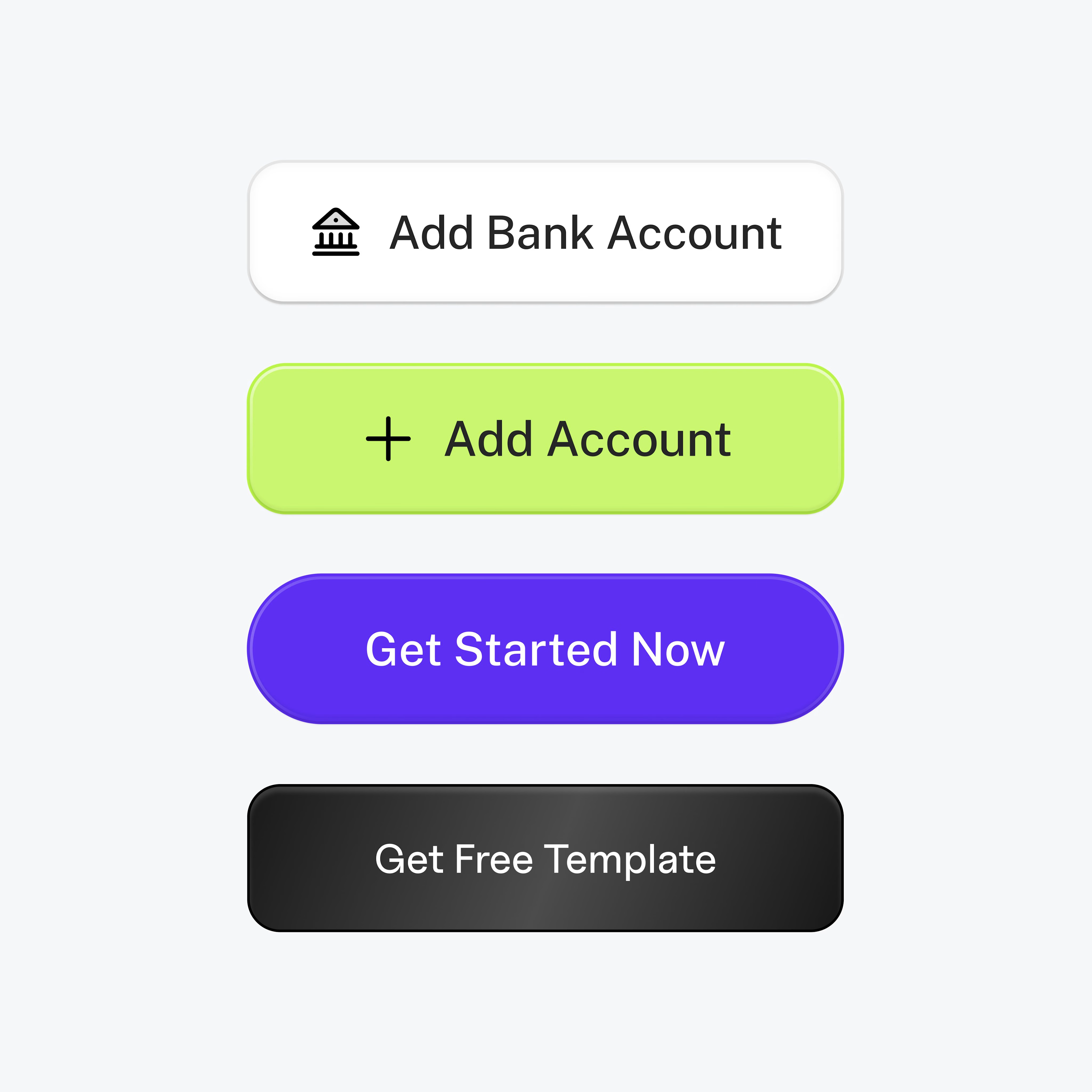
The Lime Green is the best!!

SaaS Animation : Sniffr AI


