The network for creativity
Join 1.25M professional creatives like you
Connect with clients, get discovered, and run your business 100% commission-free
Creatives on Contra have earned over $150M and we are just getting started
Back to feedPost
𝗔𝗜 𝘀𝘆𝘀𝘁𝗲𝗺𝘀 𝗱𝗼𝗻'𝘁 𝗷𝘂𝘀𝘁 𝗿𝗲𝗮𝗱 𝘆𝗼𝘂𝗿 𝘄𝗲𝗯𝘀𝗶𝘁𝗲 — 𝘁𝗵𝗲𝘆 𝗿𝗲𝗮𝗱 𝘄𝗵𝗮𝘁 𝘁𝗵𝗲 𝗶𝗻𝘁𝗲𝗿𝗻𝗲𝘁 𝘀𝗮𝘆𝘀 𝗮𝗯𝗼𝘂𝘁 𝘆𝗼𝘂. 🤓
But if you're wondering where to start with your Webflow website specifically, that's a narrower, more solvable problem.
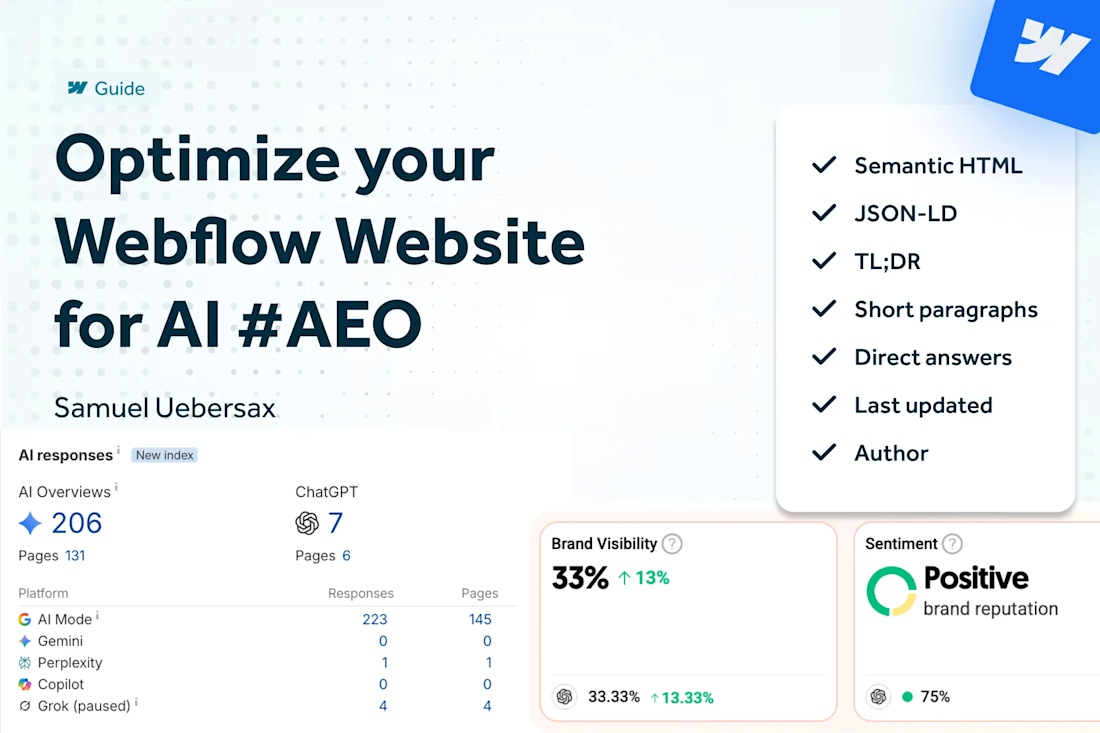
So I wrote a guide.
It covers:
→ How to measure if you're even showing up in AI answers
→ How to structure content so AI systems can extract it
→ Where nested schema markup actually belongs in Webflow (head code vs. on-element)
→ Why FAQ sections alone won't get you cited
→ What matters for Google AI Overviews vs. ChatGPT/Perplexity — and why they're not the same playbook
Disclaimer: AEO is changing fast. This guide won't be complete in 3 months. But it's a solid starting point today.
Link: https://uebersaxsamuel.ch/en/webflow/webflow-geo-ki-sichtbarkeit-optimieren


The point about AI reading the wider internet, not just the site, is easy to overlook. Which off-site signal would you audit first for a Webflow brand?


I'd always start with the question what are your customers looking for? prompt it and check where the answers do come from. it might be a forum, blog, competition …
The network for creativity
Join 1.25M professional creatives like you
Connect with clients, get discovered, and run your business 100% commission-free
Creatives on Contra have earned over $150M and we are just getting started





Related posts

A high-impact Webflow experience for an industrial site-selection platform.


Industrial site selection on Webflow lives or dies on map and filter clarity. High impact usually means dense data still scans on mobile.

AI UGC - Minimalist Watch Ad | Viral E-com TikTok
This is an AI UGC video - I created this human avatar + voice without hiring real models.
Hook: 0-1.5 sec smile close-up with watch (emotional hook for female audience) Avatar: Custom AI model - cute, warm, natural - not robotic Edit: DaVinci Resolve + CapCut - clip-by-clip color correction, logo placement, beat sync, no on-screen text
Why AI UGC? ✓ No model fee - saves $200/video for brand ✓ 48 batch delivery (5-10 videos/day) ✓ Perfect for testing product angles fast
This exact style got 1.1M organic views for my watch brand client.
Tools: HeyGen / Arcads + CapCut + DaVinc


I'm loving the depth of field in this shot, the focus pull from the model's face onto the wrist is a good move and there's some nice background walla/clinking that makes it feel grounded in the first two seconds that gets ducked against the vocals. Still some observations and...

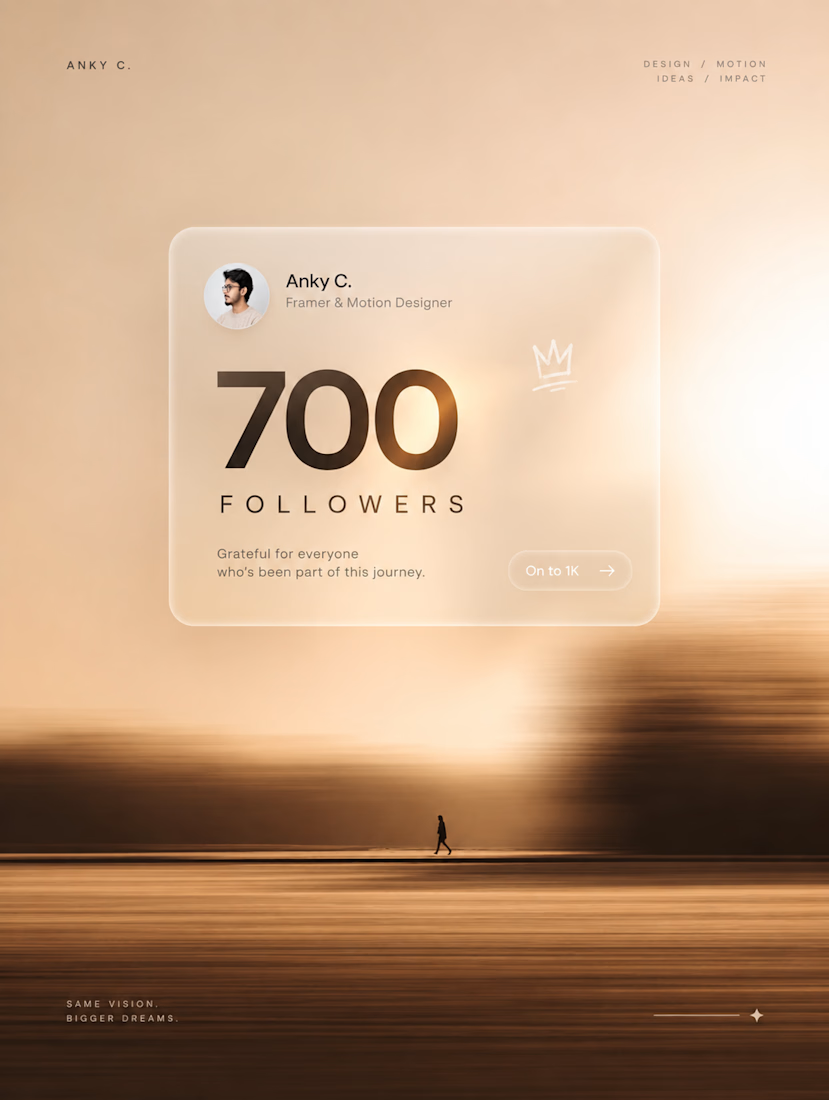
700 followers on Contra. 🫶
A small number, but a big milestone for me.
700 → 1K. Let’s keep going. ⚡
PS: Yes, the post is AI-generated.
At this point, I’m just supervising. 😂