The network for creativity
Join 1.25M professional creatives like you
Connect with clients, get discovered, and run your business 100% commission-free
Creatives on Contra have earned over $150M and we are just getting started
Back to feedPost

Marketers, I need your takes 👇
I've been deep in content strategy lately and I keep coming back to the same question: what's actually working right now?
Not the stuff everyone's talking about. The specific formats, hooks, or platform behaviors that you personally swear by and wouldn't give up.
For me it's Reddit social listening before writing a single piece of content. Finding the exact words real people use to describe their problem and building scripts around that language has been the single biggest unlock for organic growth.
What's yours? Drop it below, I want to steal your best ideas.
The network for creativity
Join 1.25M professional creatives like you
Connect with clients, get discovered, and run your business 100% commission-free
Creatives on Contra have earned over $150M and we are just getting started











Related posts

How to Build Your Best Portfolio for 2027: Which Format Works Better?
Clients don't have time to dig.
Here's how to make your work easy to trust.
A potential client opens your link. You have about 10 seconds before they decide to stay or leave.
So the real question isn't ...should I have a portfolio?. It's ...which kind gets read, and which gets skipped?
Here's the breakdown.
1. PDF portfolio
Best for: sending directly to a client in a DM or email.
Strength: fast, controlled, looks exactly how you designed it.
Weakness: it's not searchable, it doesn't update itself, and it feels static.
Use it as a companion, not your main home.
2. Platform portfolio (Contra, Behance, Dribbble)
Best for: being found by clients already looking to hire.
Strength: built-in audience, reviews, and a clear way to contact you.
Weakness: you're on someone else's platform, with their layout and their rules.
This is where freelancers should start, because it puts you in front of buyers with no website to build.
3. Your own website
Best for: long-term trust and search.
Strength: you own it, control the story, and can show services, samples, and results in one place.
Weakness: it takes longer to build, and it needs traffic from somewhere else.
This is where serious clients end up after they've found you elsewhere.
4. LinkedIn profile + Featured section
Best for: B2B work, since buyers check it before they message you.
Strength: your portfolio sits next to your posts, so proof and personality are together.
Weakness: limited design space.
For B2B services, this is often the first place a client looks.
So which one wins?
None of them alone. What works best is a simple chain:
LinkedIn (get found) → Contra or your site (see the work) → PDF (close the deal).
Each one does a different job. LinkedIn brings the visitor, the portfolio page proves your skill, and the PDF makes it easy for them to forward you to their team.
What to put in any portfolio
Whatever format you choose, include these 5 things:
A one-line promise: who you help and what changes
3 strong samples, not 15 average ones
A short caption for each: the problem, what you did, why it works
One real result or testimonial, as soon as you have one
One clear next step: book a call, DM, or email
If you don't have client work yet, create sample projects and label them clearly as samples. That's honest, and buyers respect it more than a padded portfolio.
In 2027, a portfolio isn't a gallery. It's a trust tool. Keep it clean, specific, and easy to scan, and make the next step obvious.
I'm Maryam, and I ghost-write LinkedIn content for SaaS founders and help design clear, clean profiles. If you'd like help with your LinkedIn, profile, or website writing, message me on Contra or LinkedIn.

Love this! A portfolio should not just show what you do, but help potential clients understand how you can solve their problems. Trust and clarity make all the difference. 👏

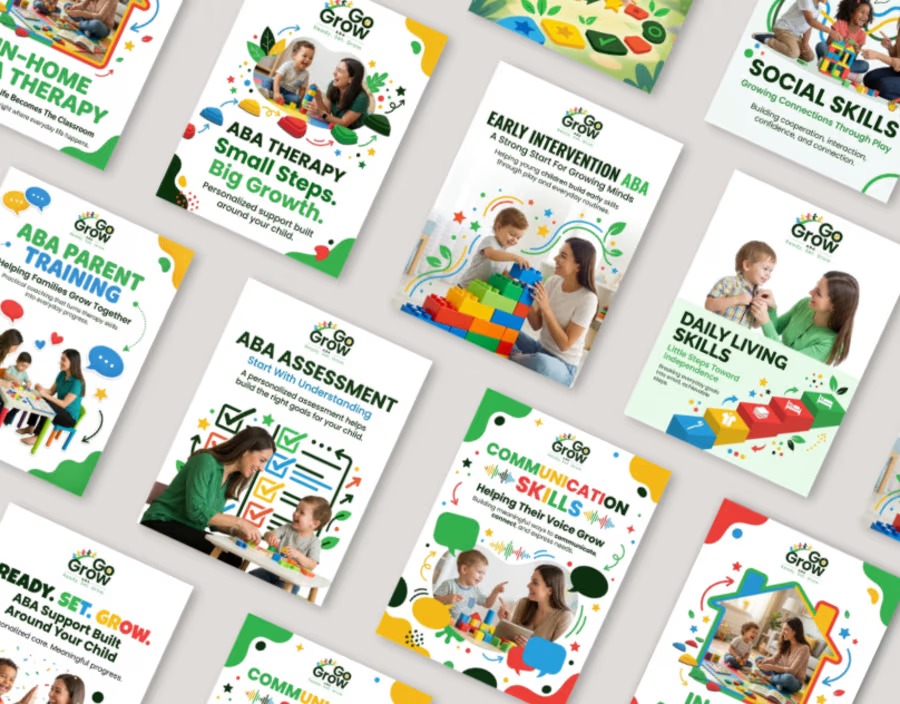
Created a vibrant and educational social media content series for Grow Grow ABA, focused on ABA therapy, early intervention, communication skills, social skills training, daily living skills, and parent support.
The designs combine child-friendly visuals, playful illustrations, consistent green branding, and clear messaging to help families understand therapy services while building trust and brand awareness.
This project showcases my approach to social media management, content strategy, educational content creation, and brand consistency for child development and family-focused organizations.
#SocialMediaManager #SocialMediaMarketing #ContentStrategy #ContentCreation #ABATherapy #AutismSupport #ChildDevelopment #EarlyIntervention #BehaviorTherapy #CommunicationSkills #SocialSkillsTraining #DailyLivingSkills #ParentTraining #FamilySupport #ChildTherapy #HealthcareMarketing #EducationalContent #InstagramMarketing #SocialMediaDesign #BrandIdentity #ContentMarketing #DigitalMarketing #VisualStorytelling #GrowGrowABA #ContraCreator



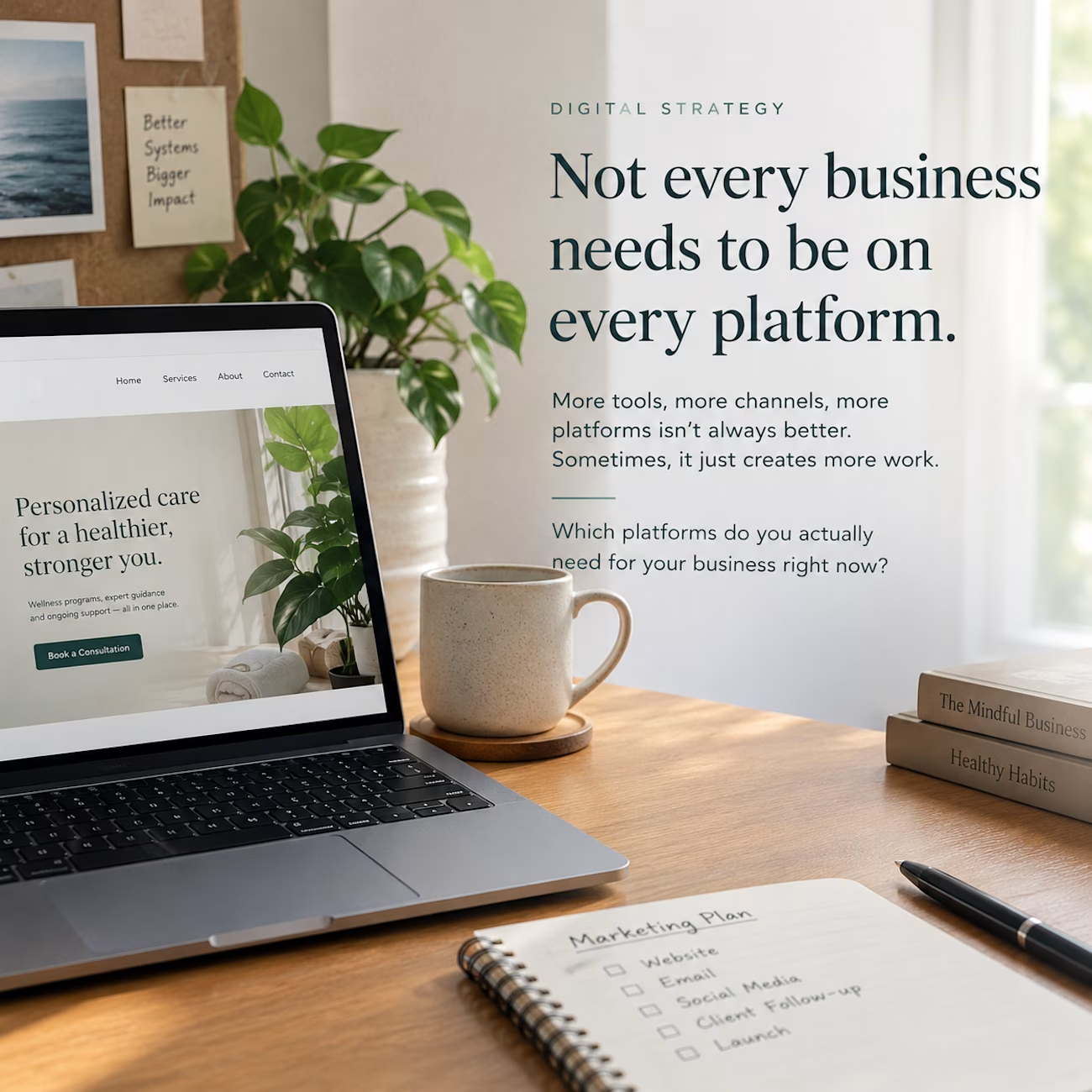
Not every business needs to be on every platform.
There's a lot of advice telling business owners to be everywhere.
Build a website.
Post on LinkedIn.
Grow on Instagram.
Start a newsletter.
Automate everything.
Add a CRM.
Before long, managing the platforms becomes another job in itself.
But more platforms don't automatically mean more clients.
A wellness coach with a strong referral network and a well-managed email list may not need to spend hours creating daily TikTok videos.
A healthcare practice may get more value from a useful website, a straightforward booking process, and consistent follow-ups than from trying to maintain five social media accounts.
The right setup depends on how your business attracts clients, how you serve them, and what you can realistically maintain.
I'd rather see a business use three tools well than seven tools inconsistently.
The goal isn't to do everything. It's to make the things you choose work together.
What do you think: are businesses spreading themselves too thin trying to keep up with every platform?
#DigitalStrategy #WellnessBusiness #BusinessGrowth #EmailMarketing #CRM #WebsiteDesign

first covering one platform brings more sales