The network for creativity
Join 1.25M professional creatives like you
Connect with clients, get discovered, and run your business 100% commission-free
Creatives on Contra have earned over $150M and we are just getting started
Back to feedPost

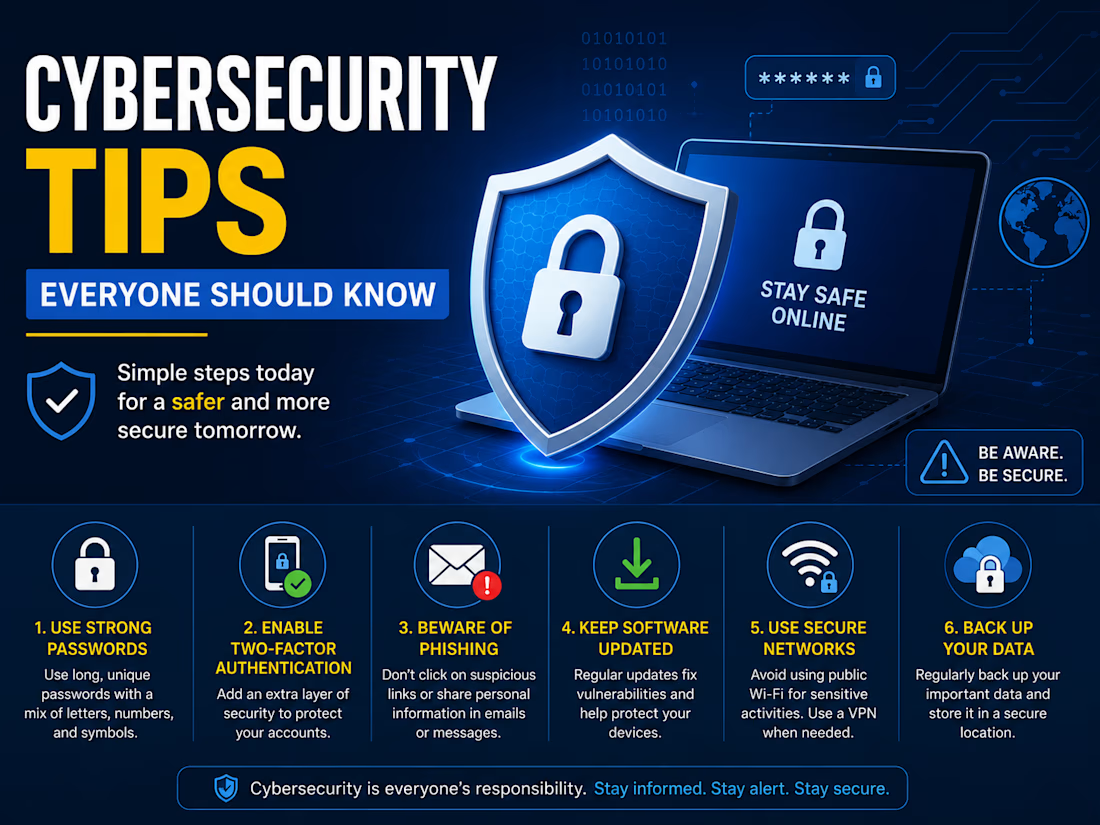
As technology becomes increasingly integrated into our everyday experiences, the importance of cybersecurity is heightened. Safeguarding your personal and work-related information begins with establishing sound digital practices. Adhere to these 11 cybersecurity suggestions to ensure safety in both your home and professional environments.
1. Establish Your Cybersecurity Focus
Commence by formulating a cybersecurity strategy tailored to your specific requirements. Contemplate the following:
What objectives do you aim for in terms of cybersecurity?
Which devices and types of information require safeguarding?
What degree of protection is necessary for them?
2. Be Cautious Before Clicking
Prior to clicking any link, hover over it to inspect where it truly leads. If the URL appears dubious or fails to correspond with the visible text, refrain from clicking it.
3. Avoid Falling for Phishing Scams
Phishing attacks typically create a false sense of urgency, tricking individuals into clicking harmful links or opening dangerous attachments.
To maintain security:
Do not click on questionable links or attachments.
Notify your IT or security personnel of any suspicious emails.
Immediately delete phishing-related emails.
Think about blocking any dubious senders or domains.
4. Look Beyond Just Passwords
Easy-to-hack passwords can be compromised quickly by cybercriminals. Boost your account's security by utilizing:
Robust, unique passphrases
Complicated passwords that combine letters, numbers, and symbols
5. Implement Multi-Factor Authentication (MFA)
Secure crucial accounts using a minimum of two authentication methods.
Instances include:
Something you know:Password or passphrase
Something you are:Fingerprint or facial recognition
Something you have: An authentication app, security key, or ID badge
Whenever feasible, activate two-factor authentication (2FA) to further enhance the protection of sensitive data.
6. Ensure Everything is Up-to-Date
Consistently install updates for your:
Operating system
Internet browser
Software applications
Security programs
Updating software addresses existing security weaknesses and aids in defending your devices against cyber threats.
7. Use Public Wi-Fi Wisely
Prior to connecting to public or unknown Wi-Fi networks, contemplate utilizing a Virtual Private Network (VPN).
A VPN encrypts your online traffic, minimizing the chances of your personal information being compromised.
8. Shop Safely Online
When making purchases online:
Shop exclusively from reputable websites.
Do not save your payment credentials unless absolutely necessary.
9. Securely Configure Your Devices
Devote time to properly configure your:
Computer
Smartphone
Printer
Smart home equipment
Any other internet-connected device
Employing the strongest security settings available will help secure all your connected gadgets.
10. Maintain Respectful Online Conduct
Engage in responsible digital actions.
Never disclose someone else's private details without their consent (also referred to as "doxxing"), as it can lead to harm and legal repercussions.
11. Charge Your Devices Responsibly
Refrain from using unfamiliar USB charging stations for your phone or tablet, as they may expose your device to "juice jacking" attacks.
Instead:
Carry a portable battery pack.
Whenever possible, use your own charging cable and a trusted wall outlet.


The network for creativity
Join 1.25M professional creatives like you
Connect with clients, get discovered, and run your business 100% commission-free
Creatives on Contra have earned over $150M and we are just getting started






Related posts

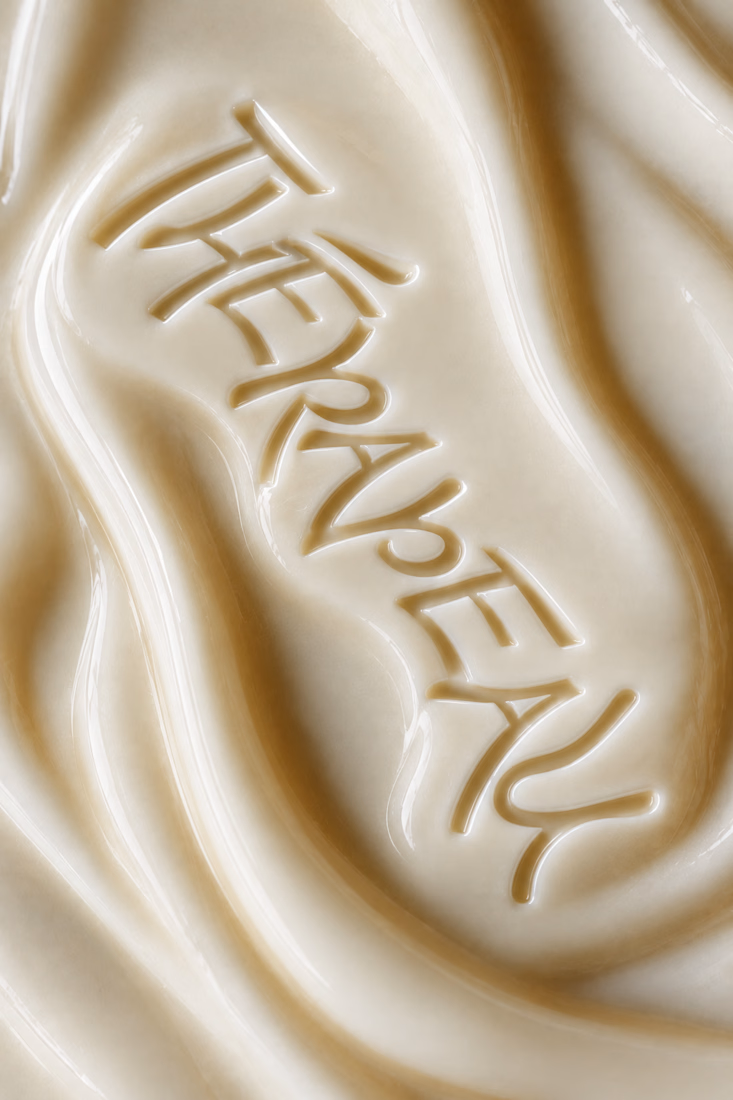
Exploring imagination through texture, typography and skincare. ✨
For THÉRAPEAU, I wanted to push the visual identity beyond packaging and explore how serum, gel and cream could become part of the brand language itself.
Using the core wordmark as a starting point, I experimented with different materials, colours and tactile expressions — turning skincare textures into typography and visual studies.
These explorations were created together with ChatGPT as part of the creative process, helping me test ideas quickly while keeping the final brand direction grounded in my own identity system and design decisions.
A small study in how texture can become communication. 💧
#ChatGPT #AIinDesign #Branding #VisualIdentity #SkincareBranding





Letting the wordmark turn into the material itself is a strong idea. Did you set a limit for how far a texture can distort the letters before it stops reading as THÉRAPEAU?

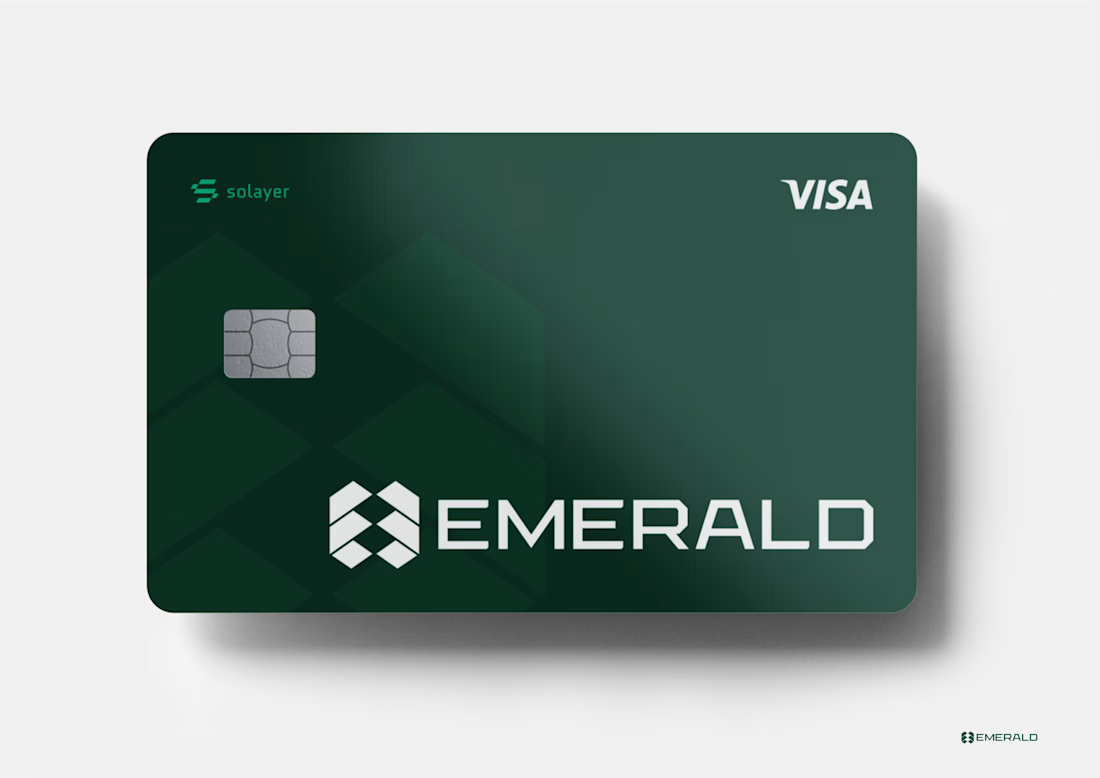
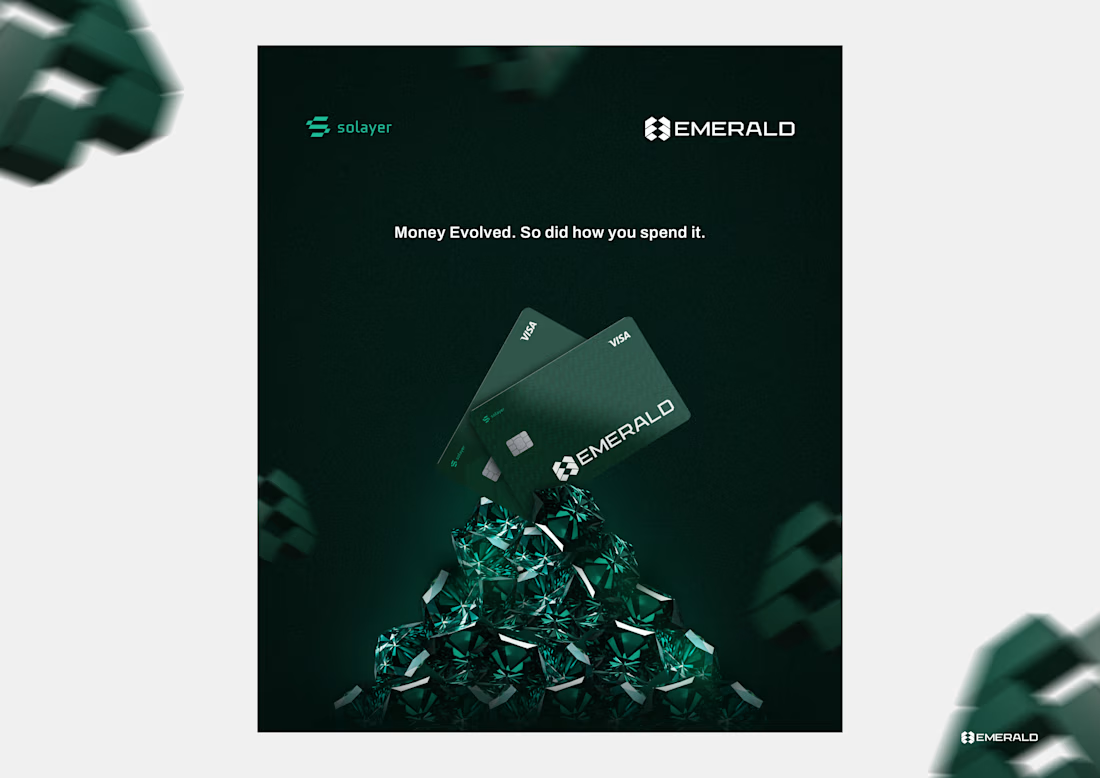
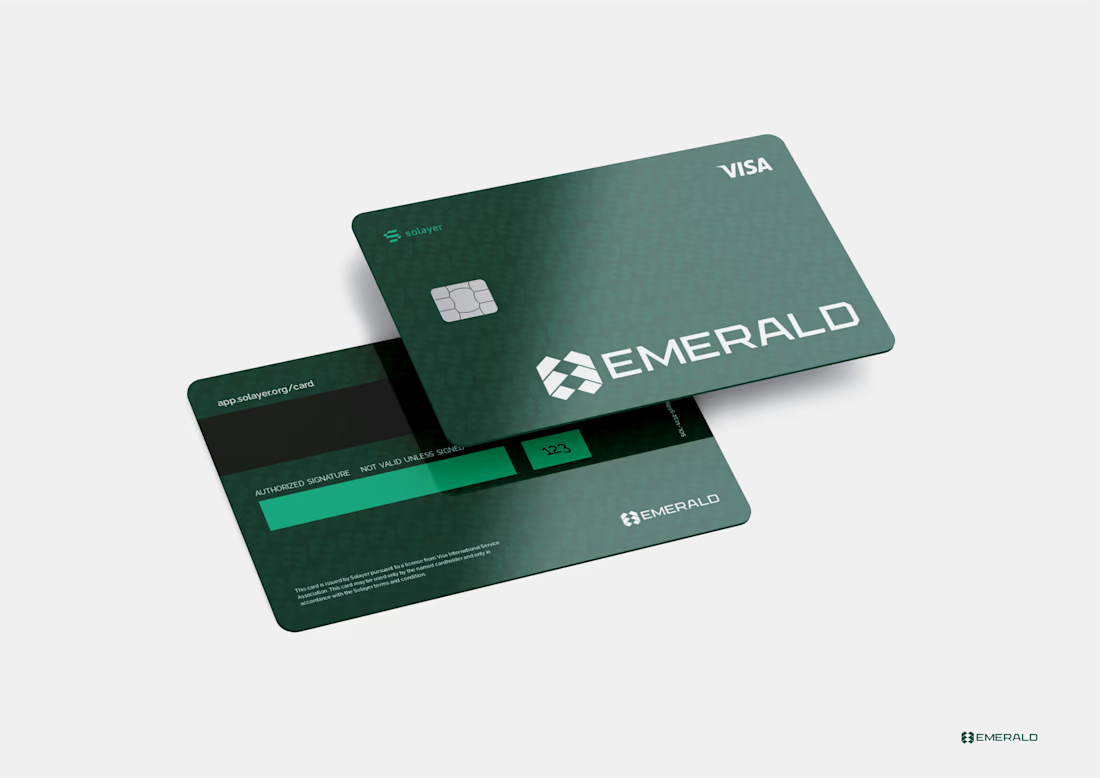
A brand identity and card design project for Solayer’s Emerald Card, combining a geometric logo with a refined visual system inspired by the richness and brilliance of emeralds. The deep green palette, clean typography, and premium card layouts create a modern, sophisticated identity that bridges digital finance with everyday spending.





This is a really creative piece! I love how the visual elements come together to create something that feels distinctive rather than predictable. The composition, the overall visual direction, and the way the idea has been executed all contribute to making this stand out. It’s a...

Designed a clean, modern, and responsive business website concept to showcase services, build trust, and help businesses attract potential customers.


Not only is the design clean, but you also did a great job making sure it works well across different devices with a responsive design.