The network for creativity
Join 1.25M professional creatives like you
Connect with clients, get discovered, and run your business 100% commission-free
Creatives on Contra have earned over $150M and we are just getting started
Back to feedPost

Title:
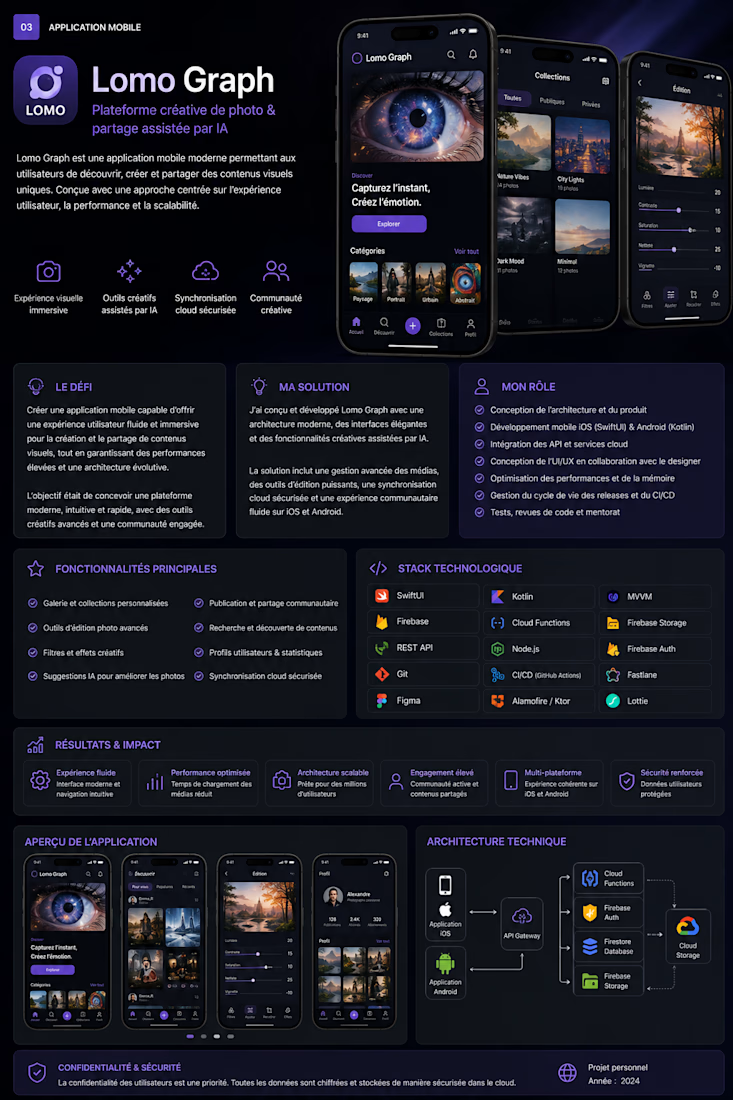
Lomo — AI-Powered Mobile Creative & Social Platform
I would use Lomo, rather than locking the Contra case study to the old “Lomo Graph” branding, since the product is evolving into Lomo Live.
Short description:
Designed and engineered a native mobile platform combining visual creation, AI-assisted editing, cloud media management and social discovery, with an architecture designed to evolve into community, messaging and real-time live experiences.
Our contribution:
Product architecture, native iOS/Android engineering, media workflows, backend and cloud integrations, authentication, performance optimization, CI/CD, testing and scalable platform design.
Services/tags:
Mobile Development · Product Engineering · AI · iOS · Android · Backend Development · Cloud
This one is strategically valuable because it's your own product. You aren't merely saying CSP can engineer ambitious products—you can show one being built internally.


The network for creativity
Join 1.25M professional creatives like you
Connect with clients, get discovered, and run your business 100% commission-free
Creatives on Contra have earned over $150M and we are just getting started





Related posts

Same prompt. Same concept. Two AI tools. 👀
I gave ChatGPT and Gemini the exact same prompt to create a luxury perfume ad creative.
No changes. No extra instructions.
Now I want to know what YOU think:
Which creative did it better?
🔵 A— Gemini
🟣 B— ChatGPT
Look at the overall concept, visual quality, composition, typography, and how “ad-ready” it feels.
Who wins this round? 👀
Vote below and tell me what made you choose your answer.
#AIContent #AIAdvertising #AdCreative #CreativeStrategy #ChatGPT #Gemini #SocialMediaManager #SocialMediaStrategy #SocialMediaMarketing #MarketingStrategy #DigitalMarketing #ContentCreation

11 voted
39%

17 voted
61%

28 votes
Closed

I will go with Chatgpt on this.
It looks more luxurious and eye catching 🔥

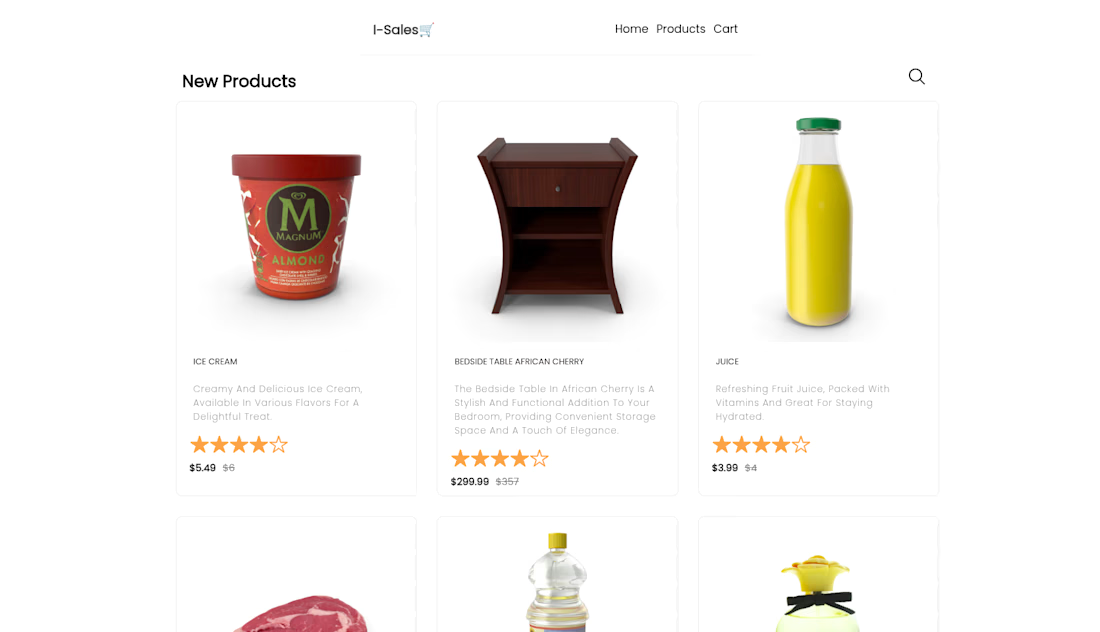
I-Sale (demo shopping webapp)
A dynamic online store optimized for discovery and interaction, featuring a real-time live search interface and a streamlined checkout mockup for seamless navigation from cart to completion.



Lovely 😍

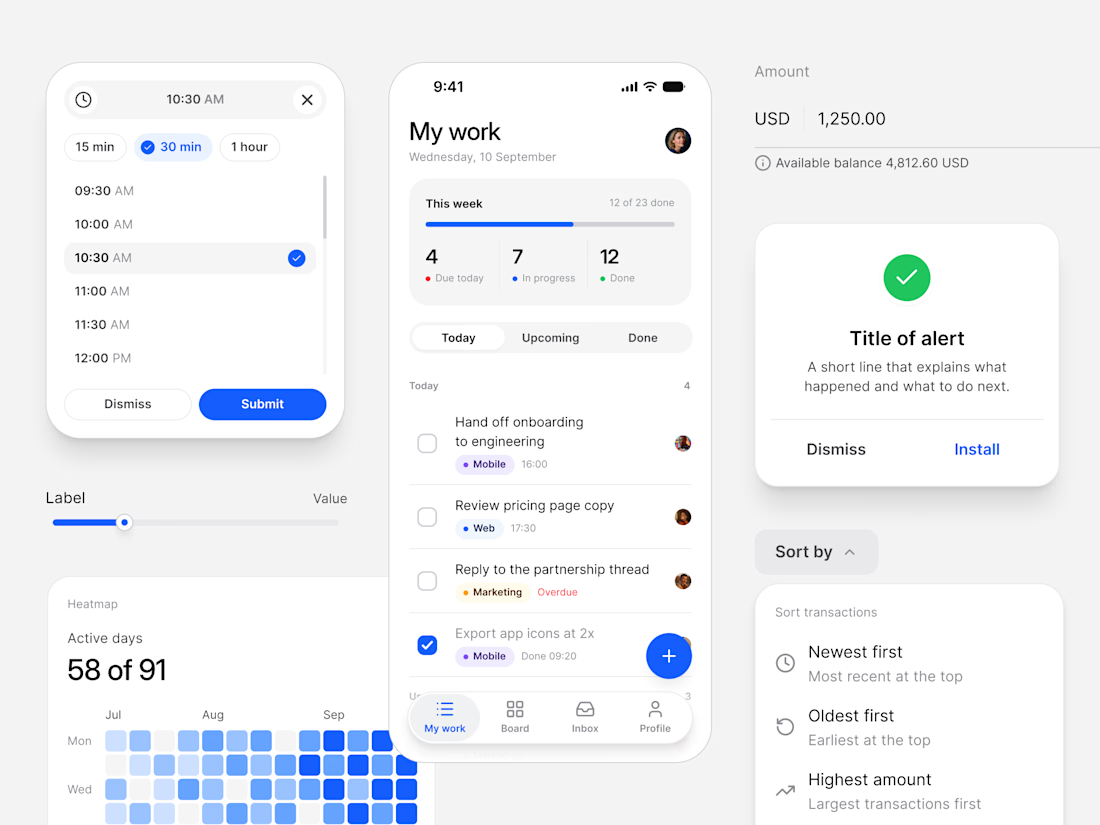
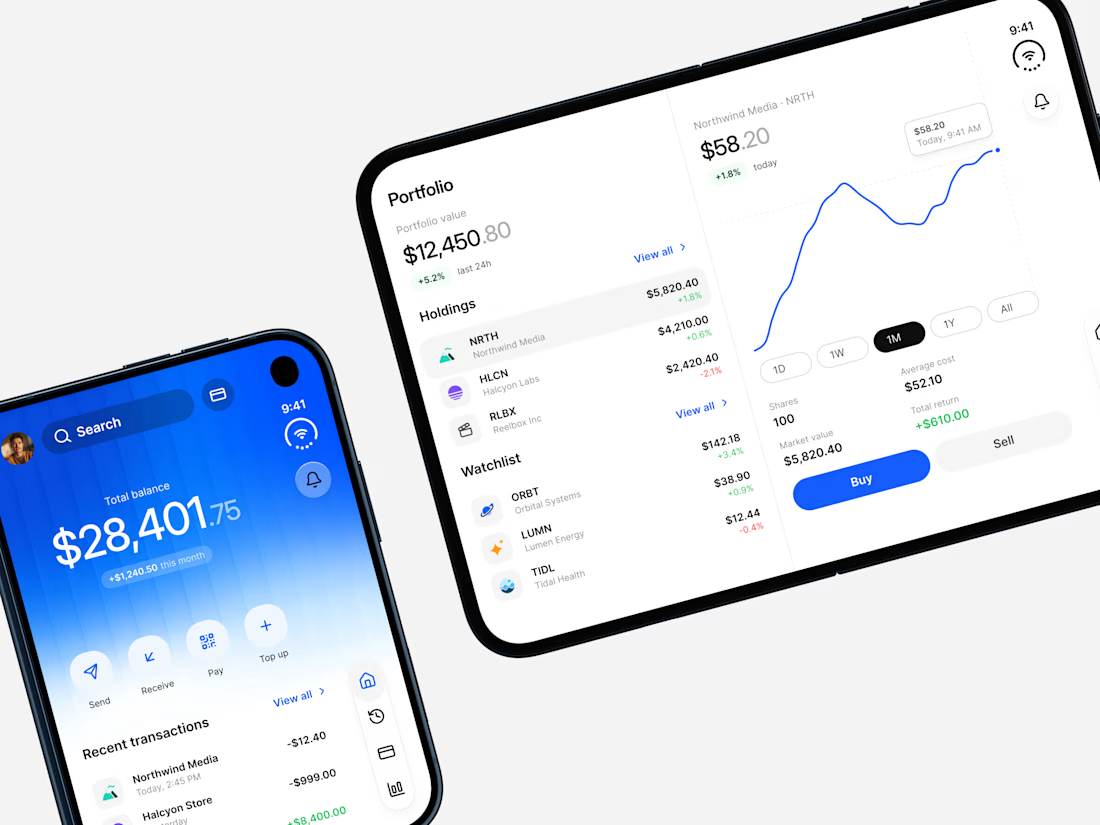
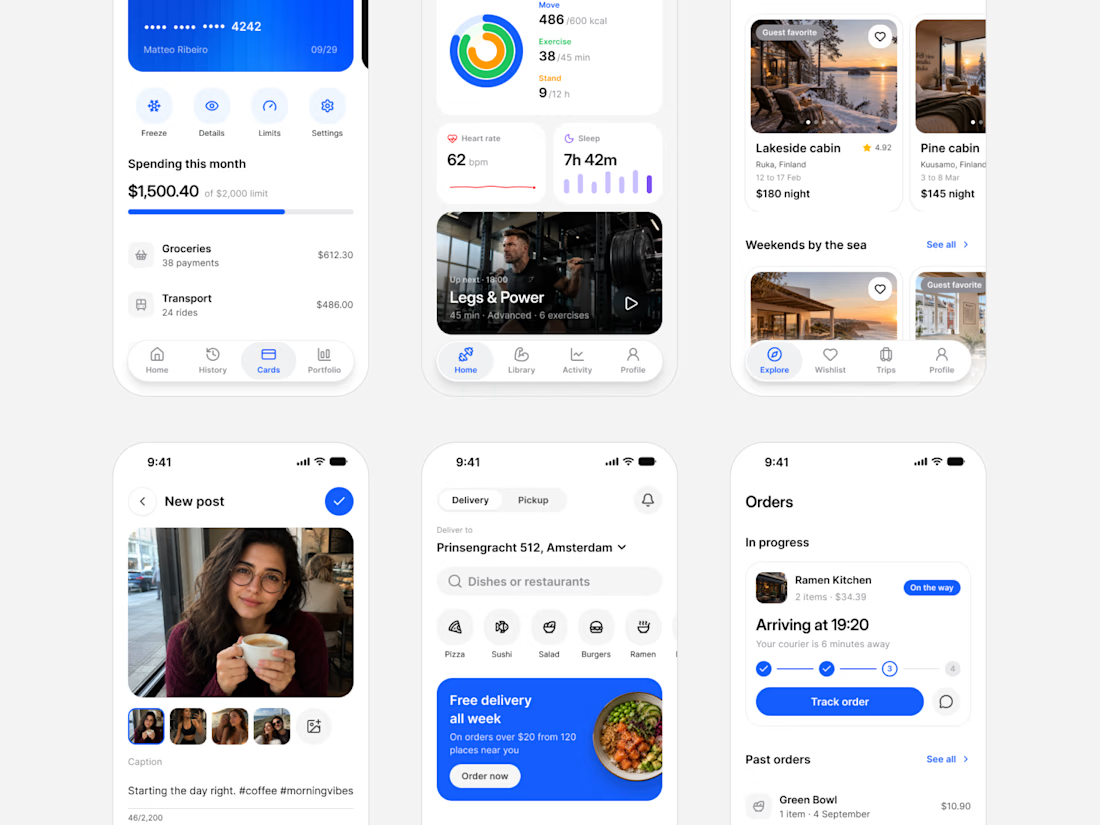
Appetite UI 2.5 is out, and most of the time went into iPhone Duo.
A foldable is not a bigger phone. On Duo the status bar, toolbar and tab bar leave the horizontal edges for a 96 pt rail beside the content, and the inner display has room for a sidebar. In 2.5 that is two Platform modes.
Switch a frame to Duo and the safe areas, the rail width and the corners follow from the same tokens. Eight apps, both displays, light and dark.
Also in 2.5:
– Dynamic Island with 23 system presentations and ten expanded layouts.
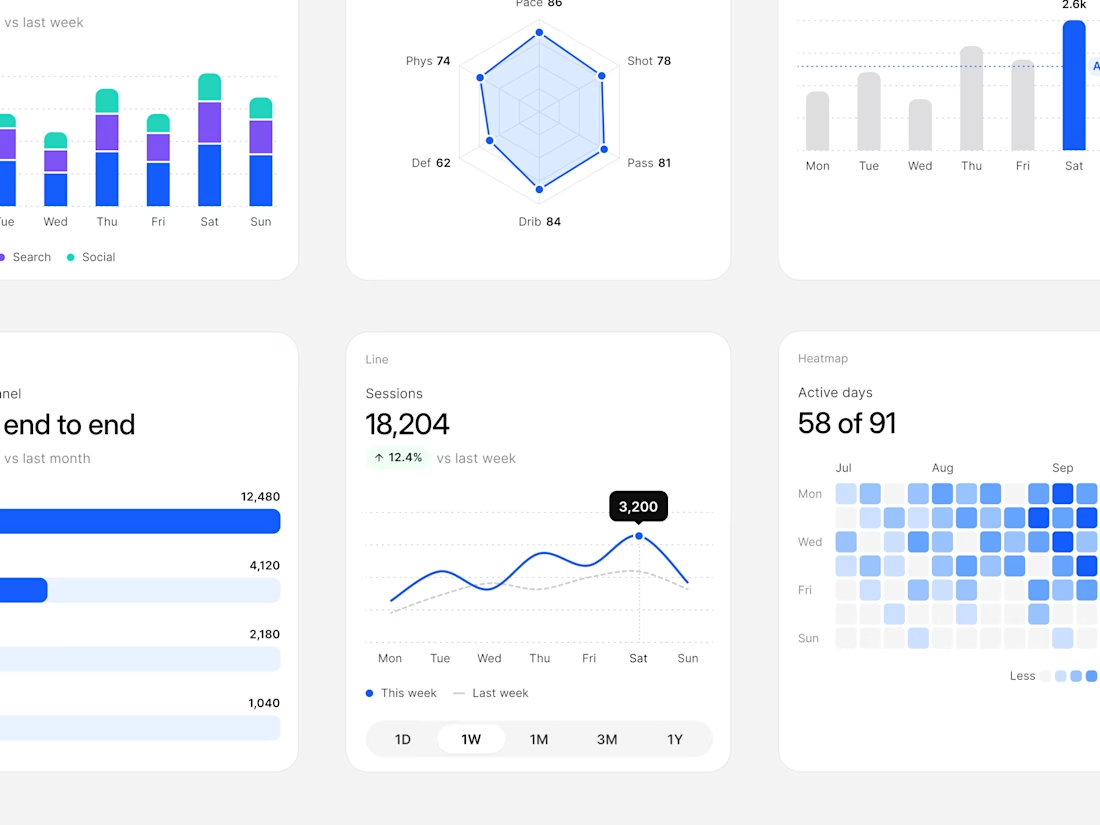
– 16 chart components and a Table with a pinned column.
– Liquid Glass in Clear, Regular and Tinted, like the iOS setting.
– A Tasks app in ten screens.
– Nine components that play their own state change on the Figma timeline.
– Token files for SwiftUI, Compose, Flutter and CSS in the package.


Like the visuals