The network for creativity
Join 1.25M professional creatives like you
Connect with clients, get discovered, and run your business 100% commission-free
Creatives on Contra have earned over $150M and we are just getting started
Back to feedPost

Website Vs Web App
One question saves a lot of confusion:
Does the user only need to read and contact you, or do they need to log in and do something?
If they read, browse, book, pay, or submit a form, you probably need a website.
If they log in, upload files, check project status, view invoices, manage records, approve work, or see a dashboard, you are moving into web app territory.
That difference matters.
1. Calling everything a "website" makes the project sound smaller than it is.
2. Calling everything a "web app" makes it sound more complex than it needs to be.
For a lot of businesses, the right answer is a hybrid:
1. Public pages for trust and search
2.Private portal for clients
3. Dashboard for the team
4. CMS for content updates
I wrote a simple guide here:

growthcanvas.site
Web App vs Website Guide | Growth Canvas
Learn the difference between a website and a web app, when each makes sense, and how to plan the right build for your business.
The network for creativity
Join 1.25M professional creatives like you
Connect with clients, get discovered, and run your business 100% commission-free
Creatives on Contra have earned over $150M and we are just getting started



Related posts

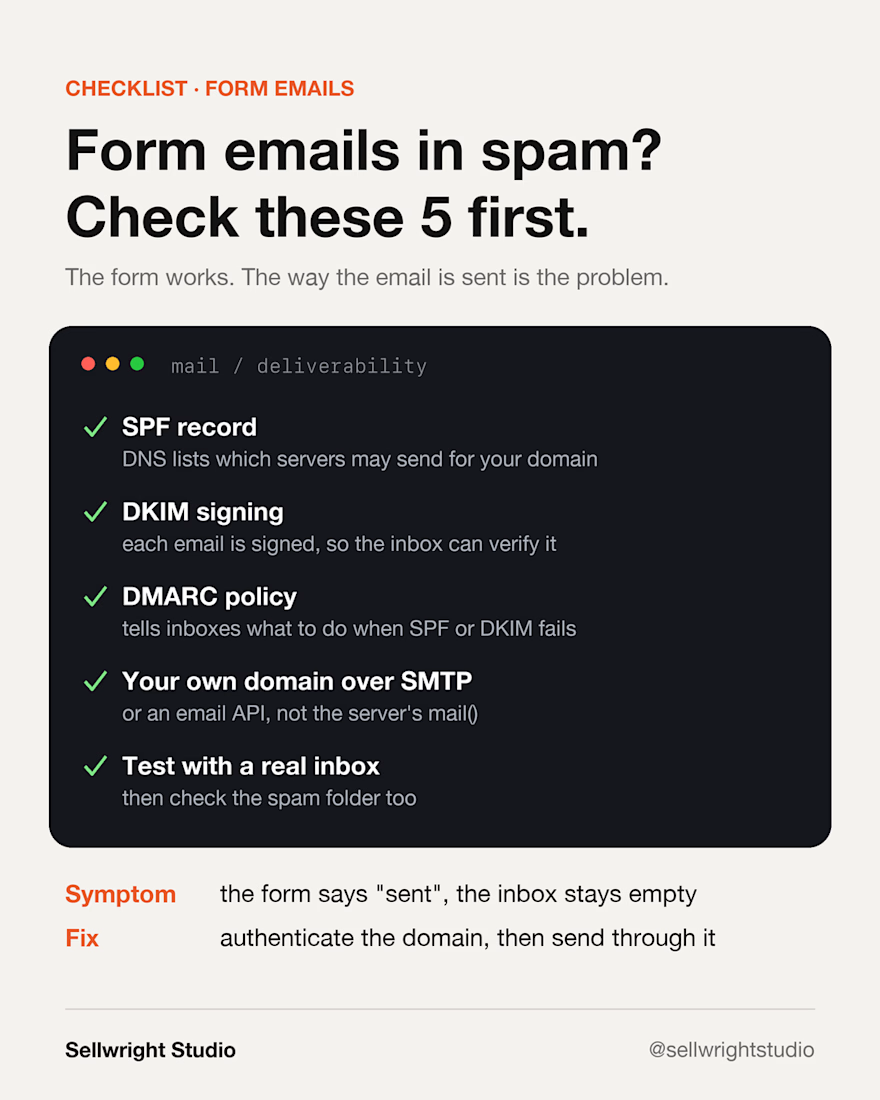
Your contact form works. The emails just never arrive.
This week a booking form on a client site sent its notifications with PHP mail(). The owner's Gmail sent them to spam, or dropped them.
Before you blame the form, check how the email is sent:
• SPF: a DNS record listing which servers may send for your domain
• DKIM: each email is signed, so the inbox can verify it came from you
• DMARC: tells inboxes what to do when SPF or DKIM fails
• Send from your own domain over SMTP or an email API, not the server's mail()
• Test with a real inbox, and check the spam folder too
Where do your site's form emails go: an inbox, a CRM, or both?
One real site, one real tip, every day. Follow for more videos.
More builds: youtube.com/@sellwrightstudio · instagram.com/sellwrightstudio



This one catches so many sites. Moving form notifications off PHP mail() to authenticated SMTP with proper SPF and DKIM fixes most of these cases.

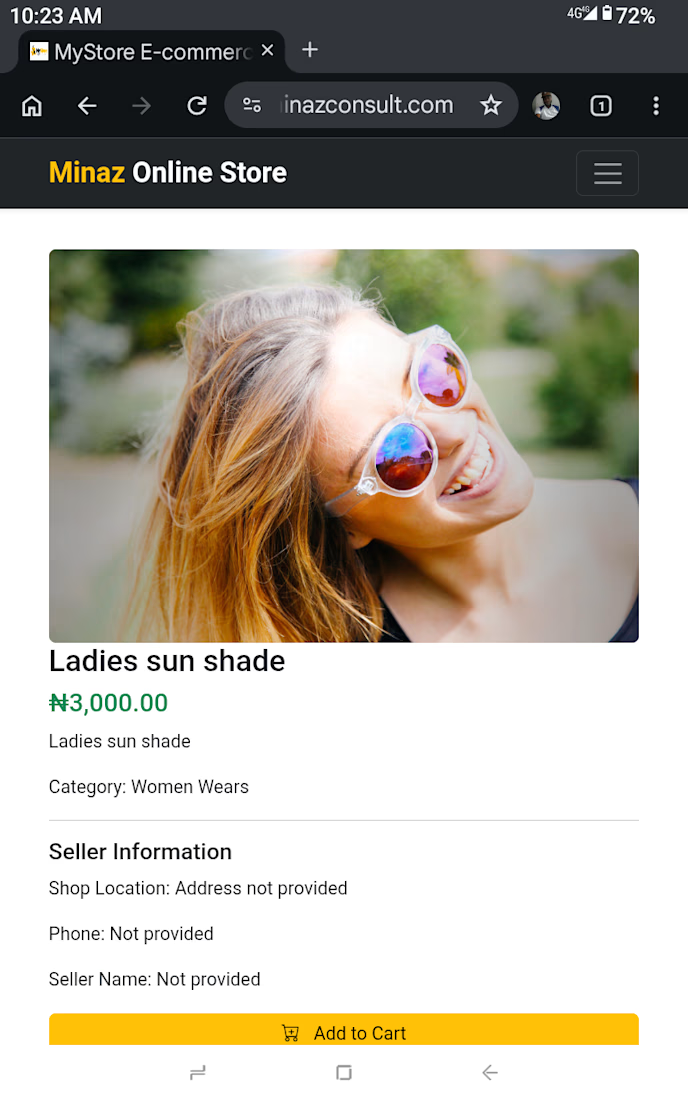
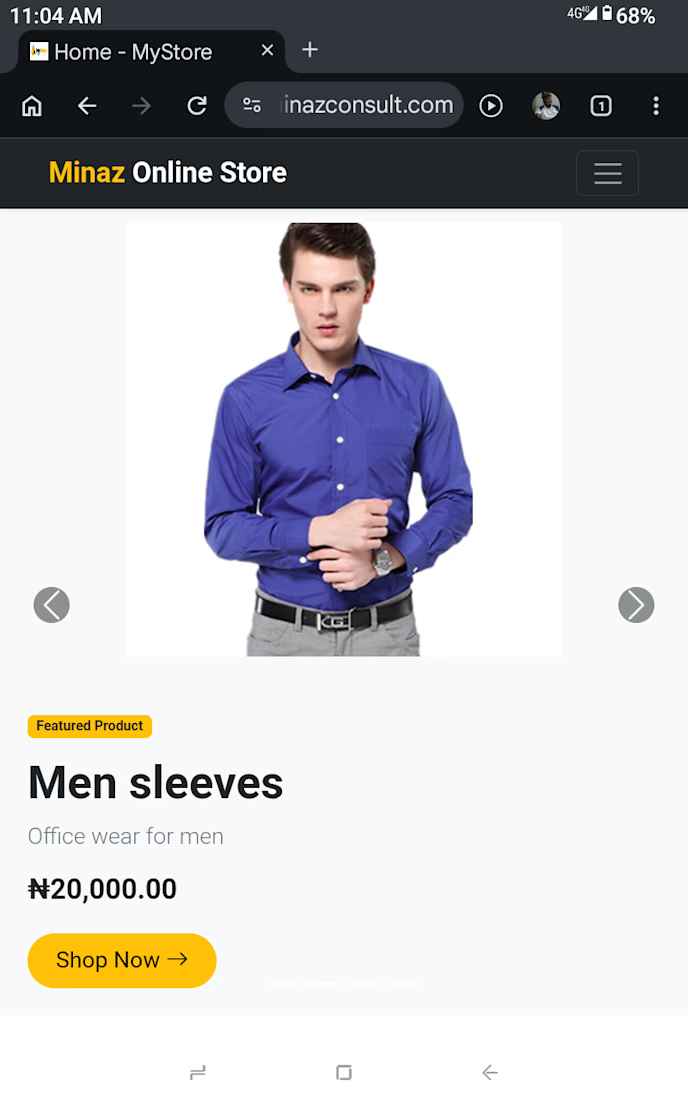
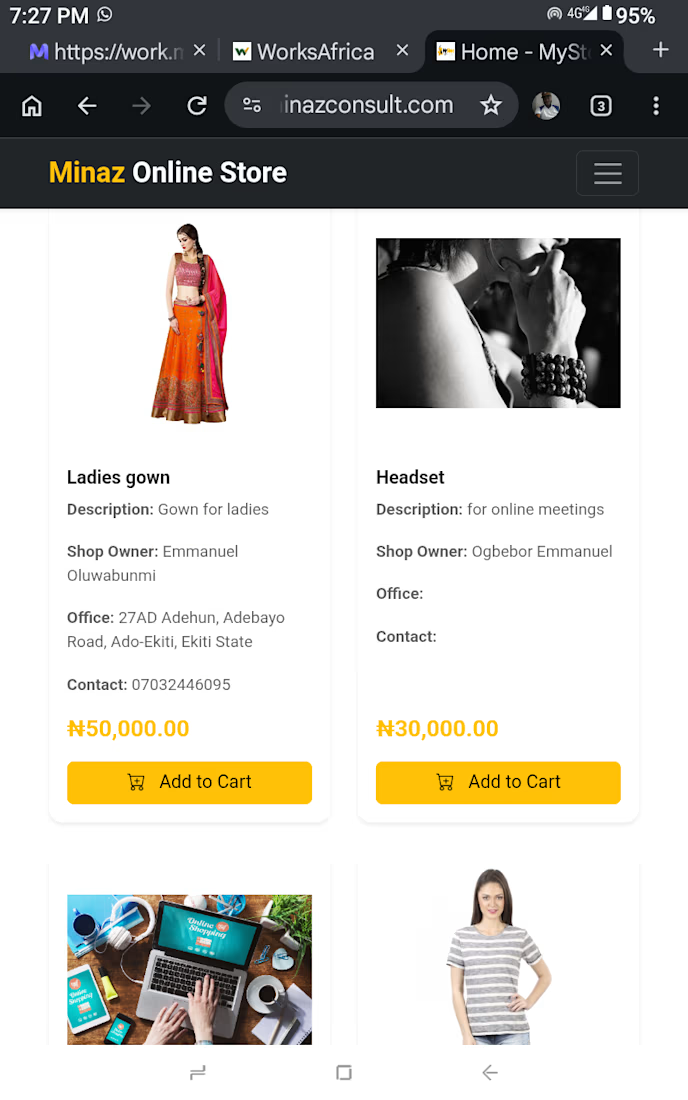
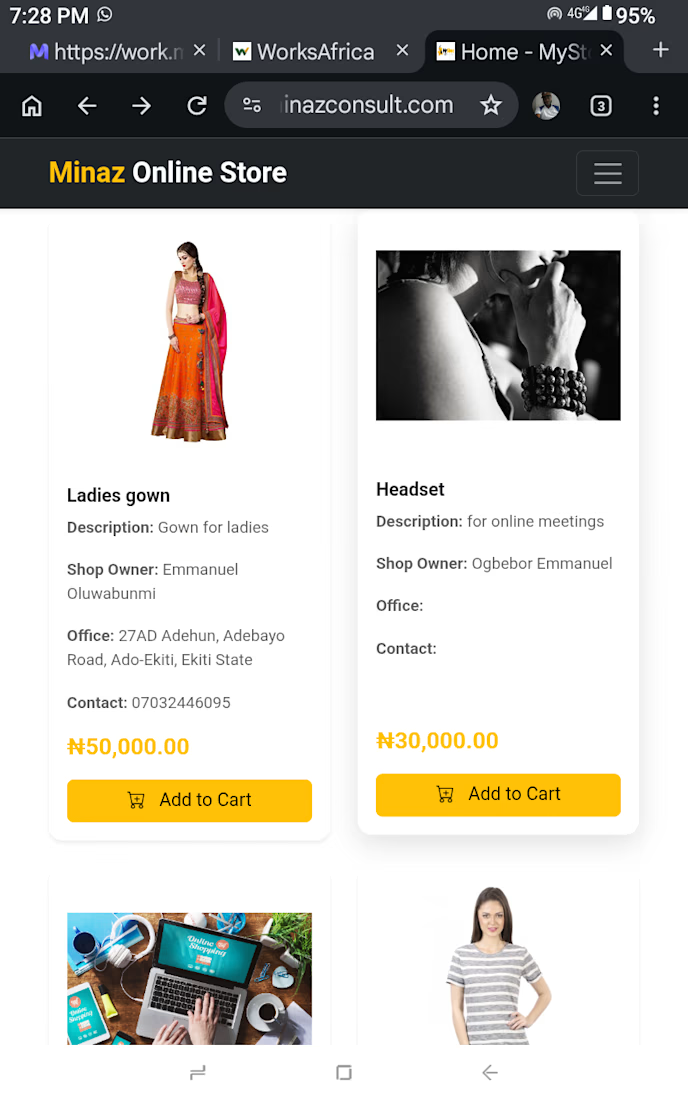
I just deployed an ecommerce web app with marketplace. Where you can display your goods and service and get buyers easier.



Great work 👏🏻

Personal Trainer Website – Helping Fitness Businesses Grow Online
The Problem
Relying only on social media makes it difficult for personal trainers to present their services professionally, build trust with potential clients, and manage enquiries or session bookings easily.
Potential clients may struggle to find service details, understand available training options, or know how to get started.
The Solution
I built a professional website that gives personal trainers a dedicated online presence where potential clients can:
Explore training services and programmes.
Learn about the trainer and their approach to fitness.
View testimonials and build confidence.
Find clear calls to action to enquire or book training sessions.
Access important business information in one place.
Why It Matters
A website gives a fitness business more control over its online presence. It makes information easier to access, creates a professional first impression, and gives potential clients a clear path from discovering the business to making an enquiry.
The goal is simple: help personal trainers attract potential clients, build trust, and turn more visitors into enquiries.


Nice focus on booking.