The network for creativity
Join 1.25M professional creatives like you
Connect with clients, get discovered, and run your business 100% commission-free
Creatives on Contra have earned over $150M and we are just getting started
Back to feedPost

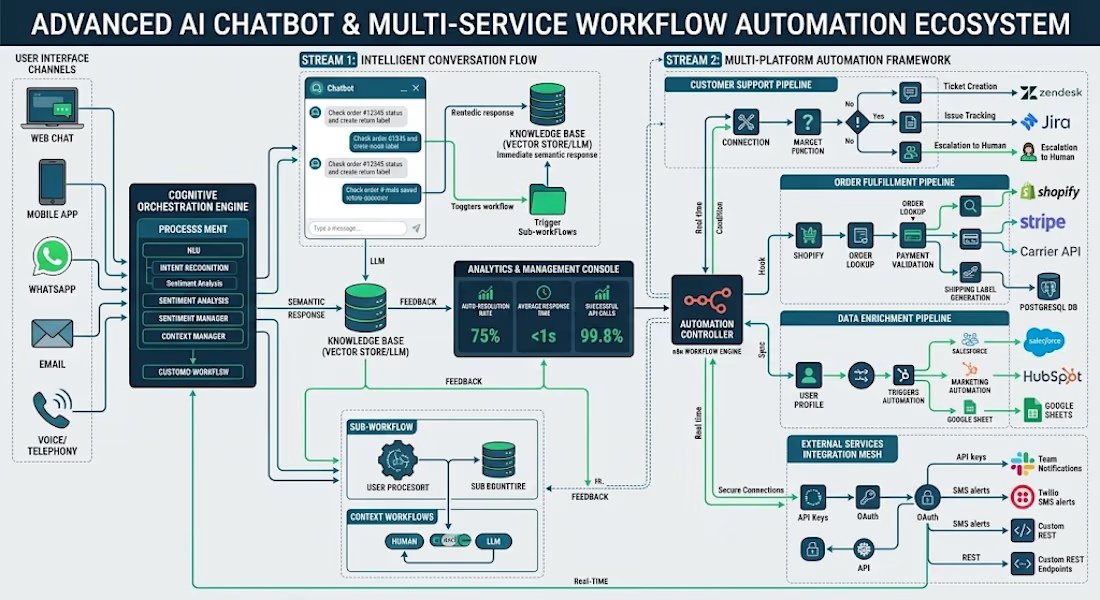
Multiple Entry Points (Left): Shows user interaction coming from Web, Mobile, WhatsApp, Email, and Voice.
Cognitive Orchestration (Center Left): A deep-dive into the AI stack, breaking it down into processes like NLU, Intent Recognition, Sentiment Analysis, and Context Management.
The n8n Automation Engine (Center Right): The core control unit coordinating all actions.
Multi-Pipeline Service Mash (Right): Visualizes specific parallel automated workflows that you can build:
Support: Automatic ticket creation in Zendesk/Jira and live Escalation to Human.
Fulfillment: Connecting Shopify/Stripe with real-time Database Updates.
Enrichment: Syncing Salesforce/HubSpot data and performing API Data Logs.
Analytics and Management (Top Right): Real-time monitoring metrics like Sub-second Response Times and 75% Auto-resolution Rate.


The network for creativity
Join 1.25M professional creatives like you
Connect with clients, get discovered, and run your business 100% commission-free
Creatives on Contra have earned over $150M and we are just getting started







Related posts

This is the kind of AI workflow that gets me excited as an independent developer.
Faster ideation, faster prototyping, and more room to focus on turning ideas into real products. 🚀


What does sketch to shippable actually look like in real time? 🎥
Honestly, I went in doubting it, and came out convinced, for early concepting at least. 🤔 I recorded the whole process, doodle to final.
Calling all desginers to run it on your own idea and drop the result below....

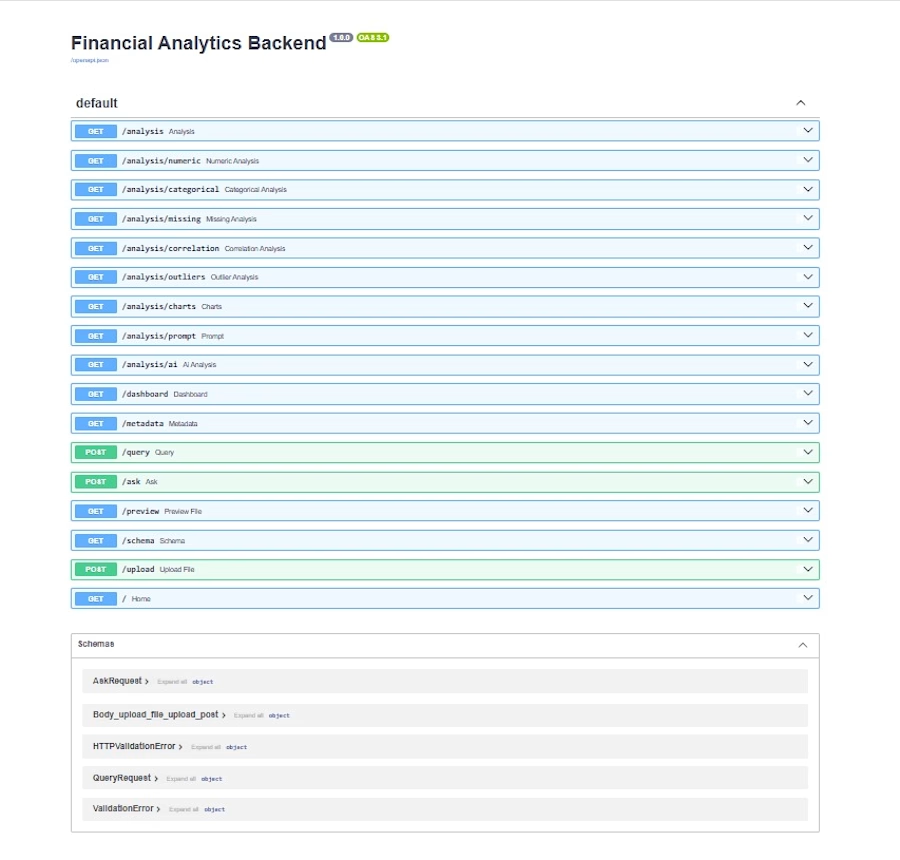
AI-powered financial analytics platform built with FastAPI, Pandas, DuckDB, and Gemini API for data analysis, REST APIs, natural-language-to-SQL queries, and automated business insights.



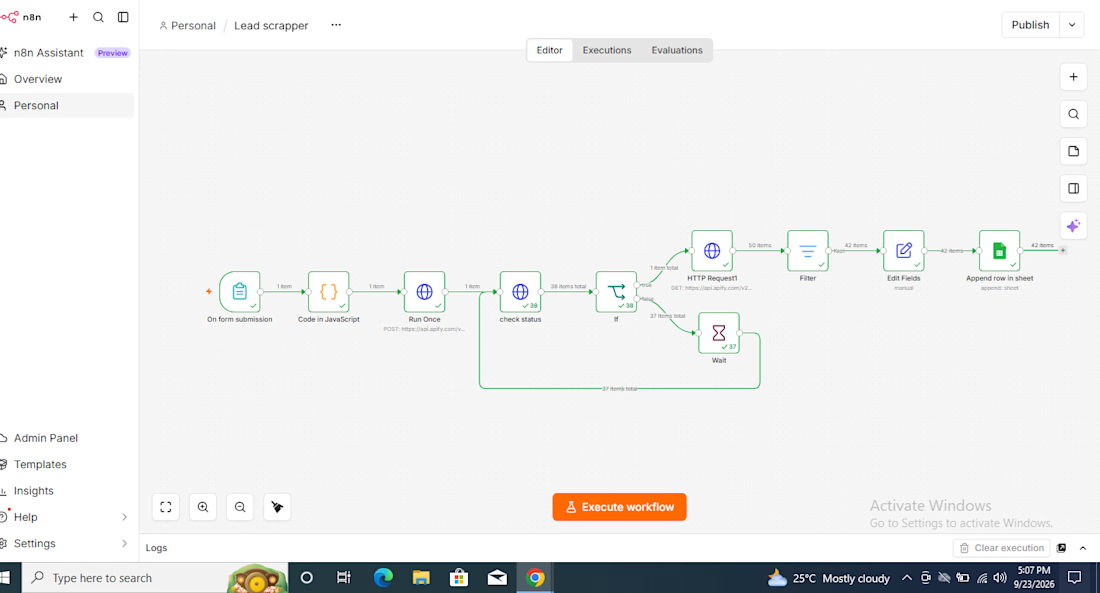
Built a lead-scraping automation in n8n.
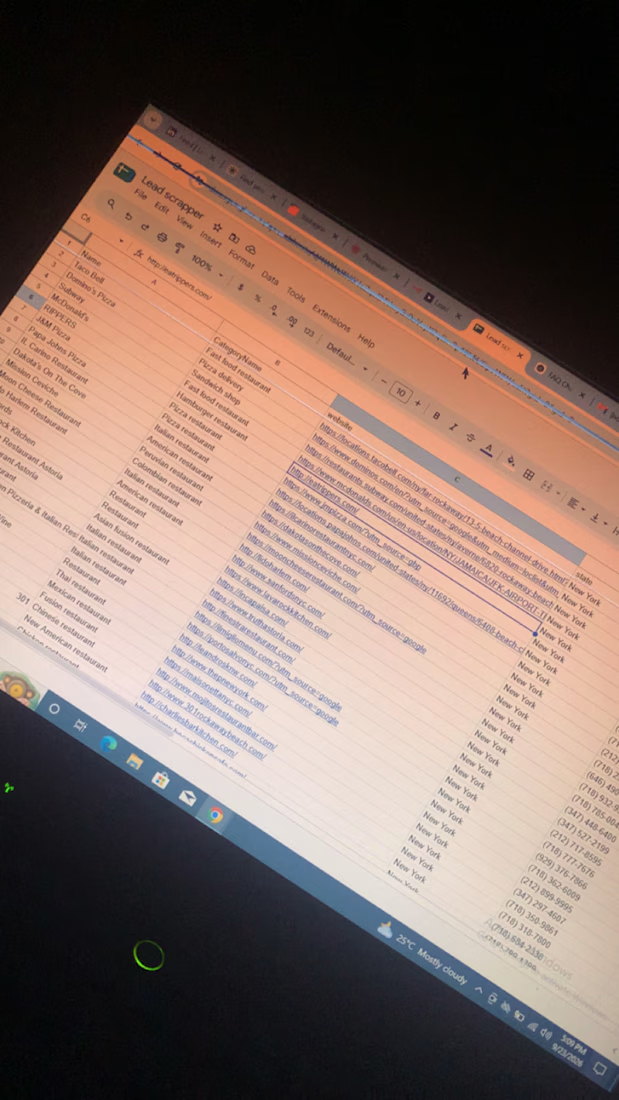
For this one, I focused on local restaurants in New York and automated the process of collecting their business information from Google Maps.
The workflow pulls things like:
Restaurant name
Website
Business category
Instead of manually searching Google Maps, opening businesses one by one, and copying their details into a spreadsheet, the workflow handles the repetitive part automatically and saves the leads directly into Google Sheets.
This is just one use case. The same setup can be adapted for different locations, industries, and lead-generation needs.