The network for creativity
Join 1.25M professional creatives like you
Connect with clients, get discovered, and run your business 100% commission-free
Creatives on Contra have earned over $150M and we are just getting started
Back to feedPost

A tarot shuffle that cheats a little
Most code that shuffles a deck picks a random number and takes the remainder, something like random % 78. It looks fair, and it isn't quite. A random byte has 256 possible values, and 256 doesn't divide evenly by 78. The remainder is 22, so on that draw the first 22 positions get four chances in 256 while every other position gets three. Nobody would notice that in a single reading. I would know, though.
So the shuffle on Numenist throws those draws away. If a number lands in the leftover range that would tilt the odds, it gets discarded and drawn again; about nine times in ten, the first draw is already clean. Every swap pulls fresh randomness from the operating system, the finished deck is checked so no card is missing or doubled, and the spread gets a 16-character seal, a SHA-256 hash of the moment, the cards, and the random bytes that produced them. It's printed under every spread.
Is that overkill for tarot? Maybe. But when someone brings a real question to the cards, the cards they get should be the ones chance gave them.
The network for creativity
Join 1.25M professional creatives like you
Connect with clients, get discovered, and run your business 100% commission-free
Creatives on Contra have earned over $150M and we are just getting started
Related posts

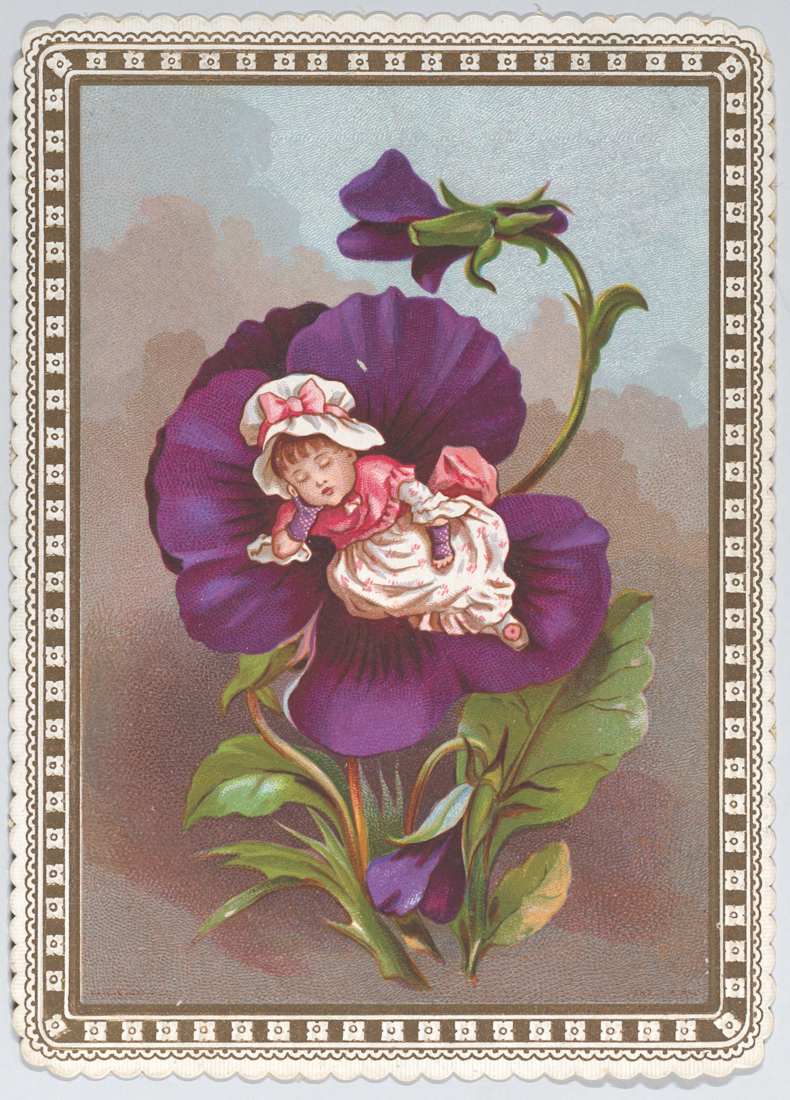
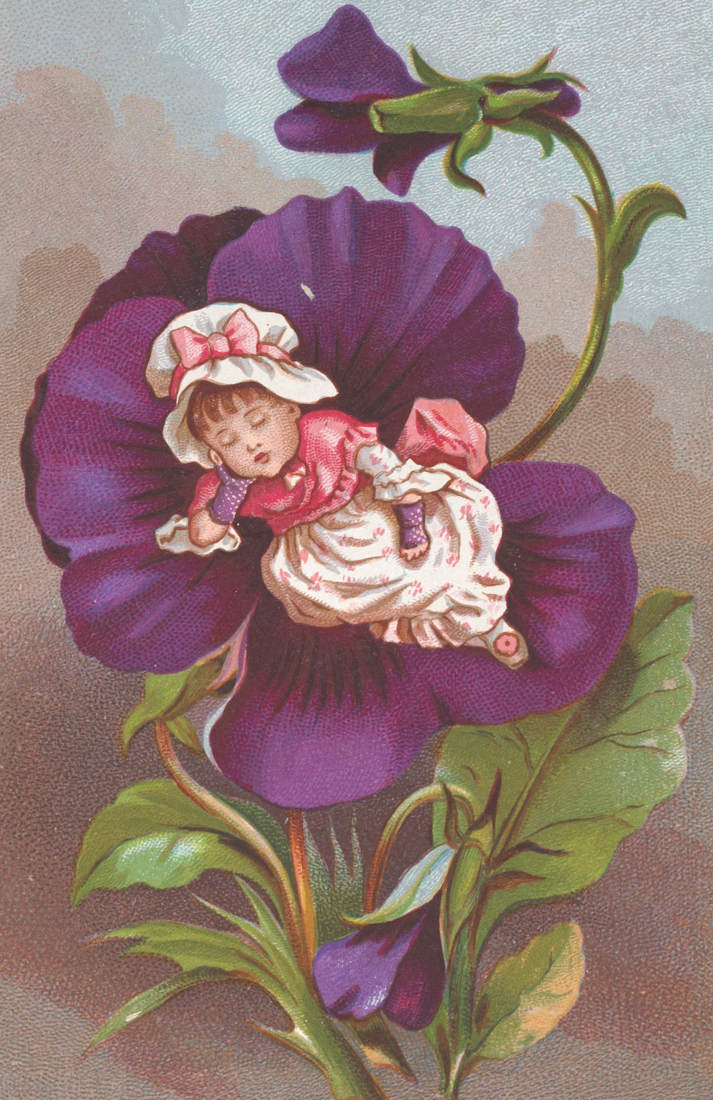
Pansy Hours began with one Valentine card from the Metropolitan Museum of Art (Anonymous, 1875-80, Public Domain), where a tiny girl sleeps inside a giant pansy. I turned that single card into a custom Recraft Style and asked what a love letter from 1875 would look like if it were written for exhaustion instead of romance. The answer is a fictional sleep-and-calm brand: the same sleeping girl and the same velvet-purple blooms now live on a tea tin, tote bag, gift box, sticker sheet, notebook, playing cards and a phone case, objects the original printer could never have imagined. The collision is the point: a Victorian card that refuses to hurry, placed on everything we use to keep up. Every object is generic, with no real brands or logos, and a short animated reveal brings the collection to life.

My "Stories" template results:
- 650+ clicks
- 410+ remixes
- $350+ in referrals
This was my very first template on the Framer Marketplace, and honestly, I never expected it to be loved by so many people.
Thank you to everyone who gave it a try!