The network for creativity
Join 1.25M professional creatives like you
Connect with clients, get discovered, and run your business 100% commission-free
Creatives on Contra have earned over $150M and we are just getting started


The network for creativity
Join 1.25M professional creatives like you
Connect with clients, get discovered, and run your business 100% commission-free
Creatives on Contra have earned over $150M and we are just getting started





Related posts

Meet my latest website template, Vauban, tailored for architecture studios.
Built around an editorial grid and Swiss typography, it puts projects at the center while giving the studio itself a clear presence.
Available as a Framer template.

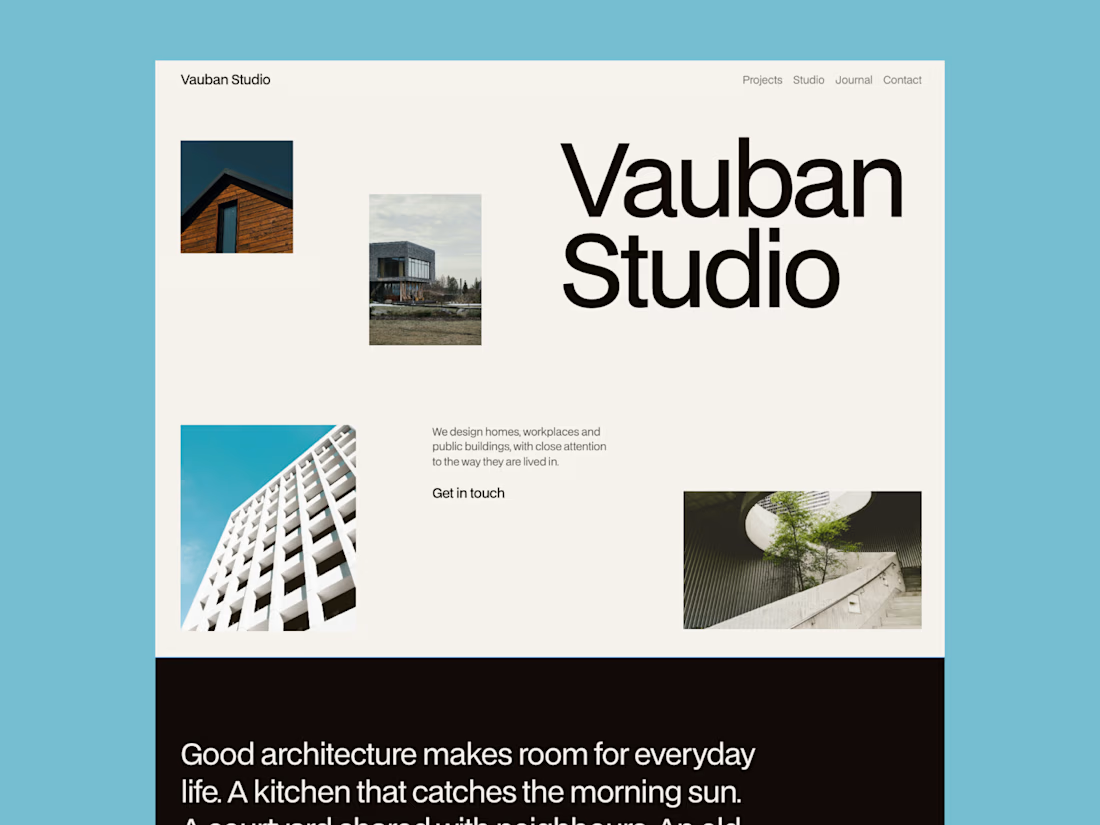
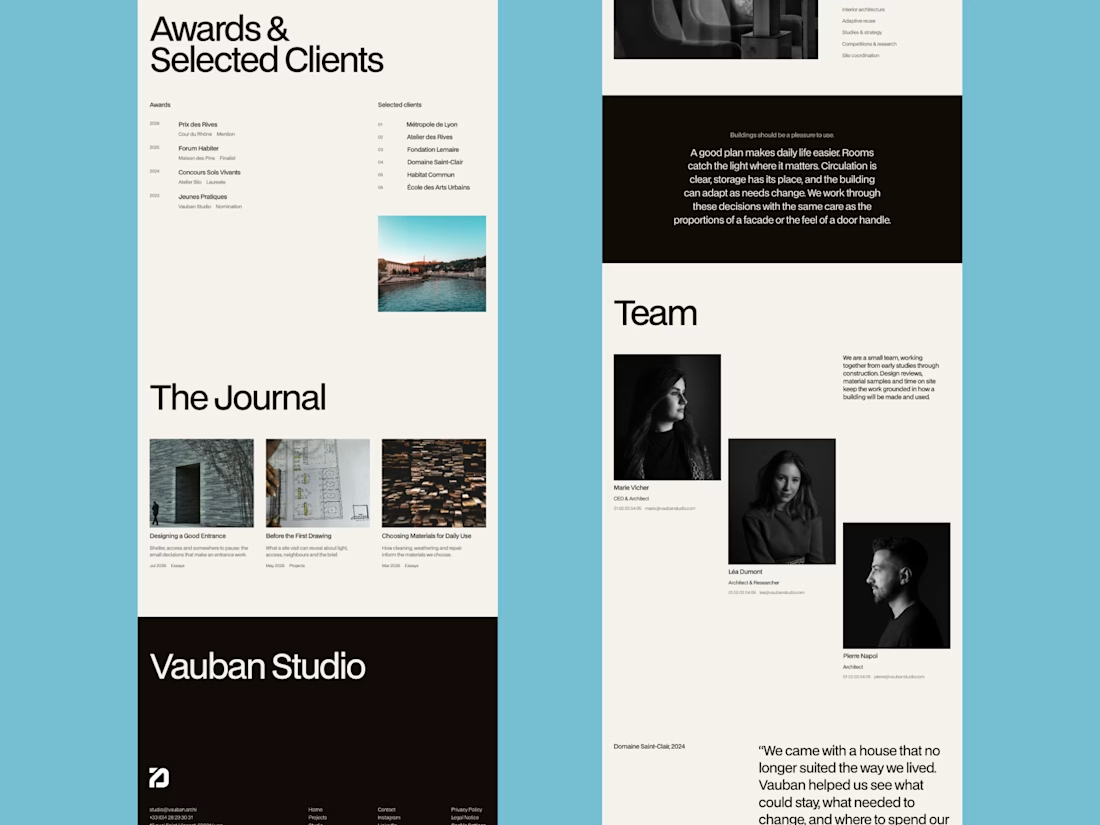
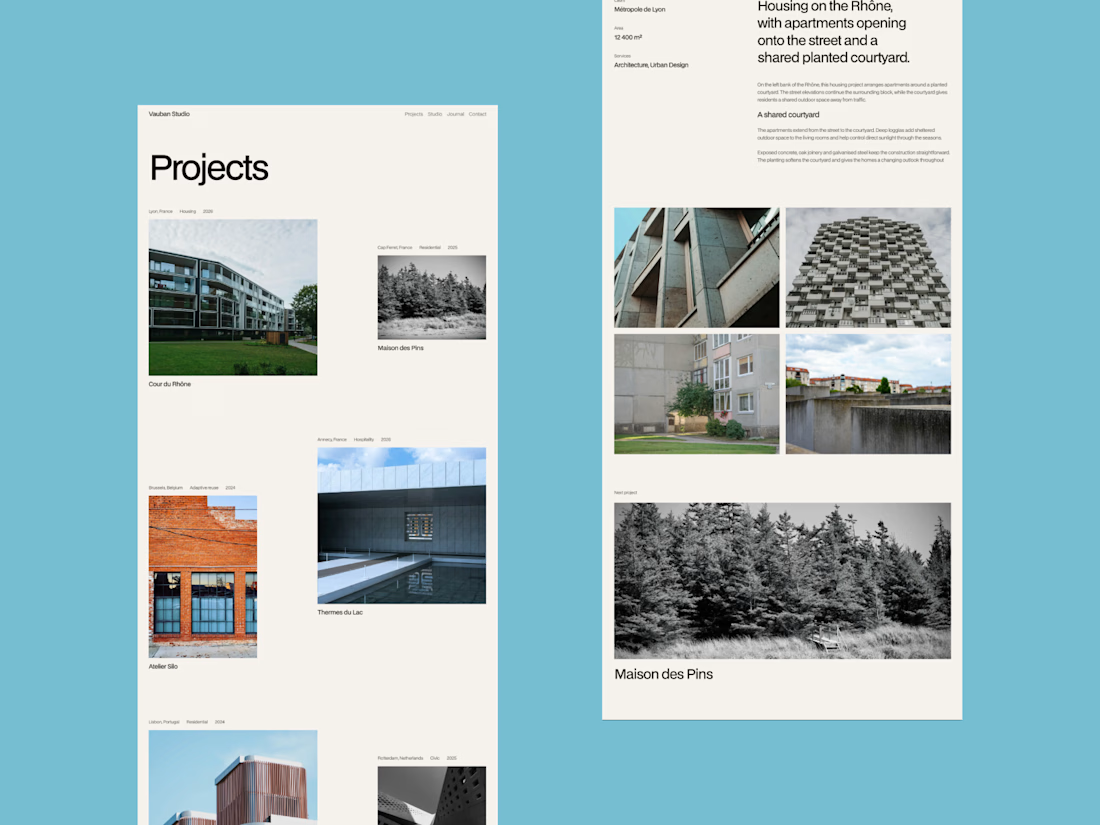

That blue background around the grid is a bold choice. Makes the photography pop.

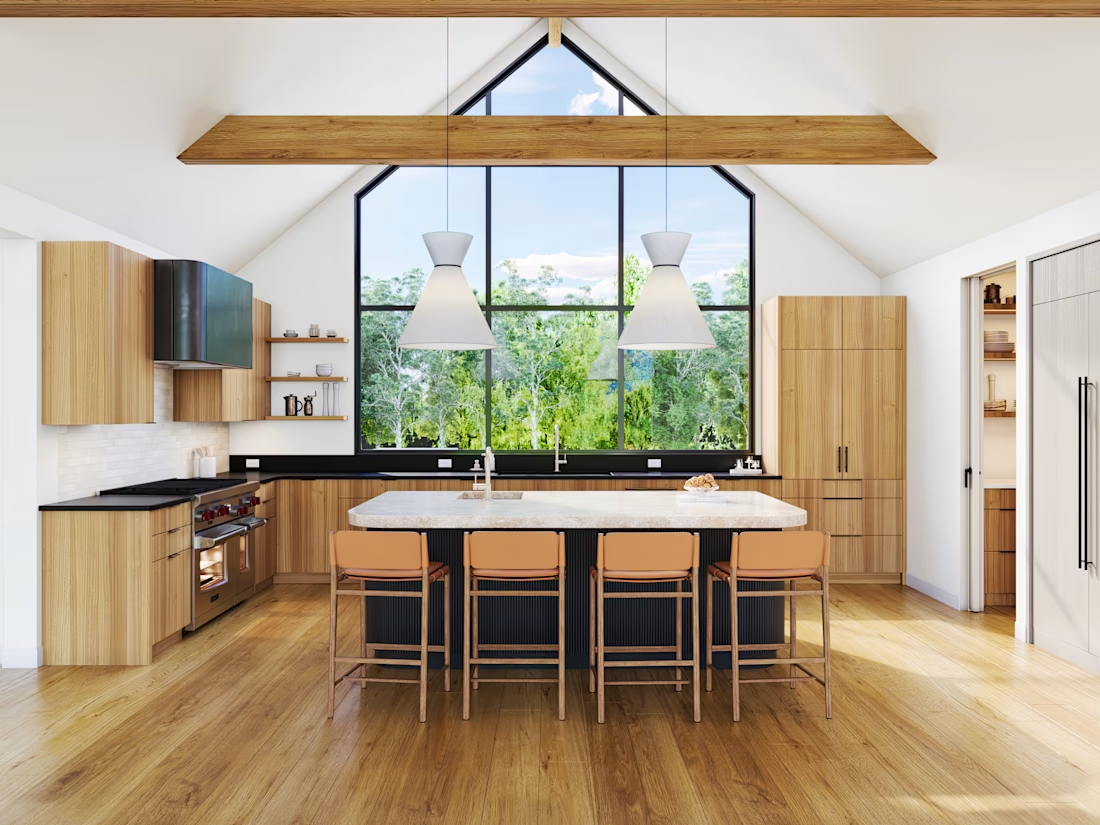
New kitchen render set is live 🏡
This one's built around a single architectural move - a soaring gable window that anchors the entire vaulted ceiling. Everything else (the island, the cabinetry, even the bar wall next door) had to support that one gesture instead of competing with it.
Full case study is in my portfolio. Which space would you spend more time in - the island or the bar wall?


Wow😍