The network for creativity
Join 1.25M professional creatives like you
Connect with clients, get discovered, and run your business 100% commission-free
Creatives on Contra have earned over $150M and we are just getting started
Back to feedPost

Recently I tried something new: I became a founder of my own pet project.
Over my 6 years in design, I've worked with all kinds of companies: from big tech to startups, across very different business types. Some clients were in love with their product and wanted to build only their own ideas, so I leaned hard on soft skills to hold space for both the business and the users. Others were open to suggestions and design-led decisions.
From a designer's side, it's always a challenge and a balancing act. But when I started my own pet project (a product for expat women), something shifted. This time I was the one fully in love with the idea, and I wanted to learn vibe-coding and Cursor hands-on.
With Claude, I quickly shaped the idea, positioning, competitor analysis, and other pieces of product research. I even validated my hypotheses through surveys on Reddit, Facebook, and with my friends — and they held up. Happy and motivated, I jumped into building the landing page and core flows in Cursor…
…until I caught myself. I was about to sink a lot of time into building, and this time, there was no team whose hours I needed to justify but my own.
So I stopped and asked: what's the cheaper, faster way to test this? I had two options:
Build a Telegram bot — faster than full development.
Test manually and gather feedback from participants directly.
Here's the thing: cheap, early hypothesis-testing wasn't new to me. I knew it well, but always from the designer's seat, as one good practice among many. What changed with my own project is that the trade-off finally became mine. It wasn't a team's roadmap or a client's budget on the line, it was my own time, my own money, my own idea I was tempted to over-build.
And that's exactly what made it click, the way the Lean literature I'd been recommended frames it (The Lean Startup by Eric Ries, Lean UX by Jeff Gothelf): the cheapest way to test a hypothesis before you build isn't just a nice principle. As a founder, it's the best decision.
Being on the founder's side, even briefly, shifted what I want to get better at. Understanding founders: their state of mind, what drives them, why they're so attached to building things a certain way. And from there, being the person who can offer the simpler, cheaper path before anyone sinks weeks into the wrong thing. Now that I've felt that pull to over-build myself, I understand it from the inside, and I think that makes me a better partner to the founders I design with.
If you've made the leap from designer to founder (even for a side project), I'd love to hear what shifted for you.
The network for creativity
Join 1.25M professional creatives like you
Connect with clients, get discovered, and run your business 100% commission-free
Creatives on Contra have earned over $150M and we are just getting started










Related posts

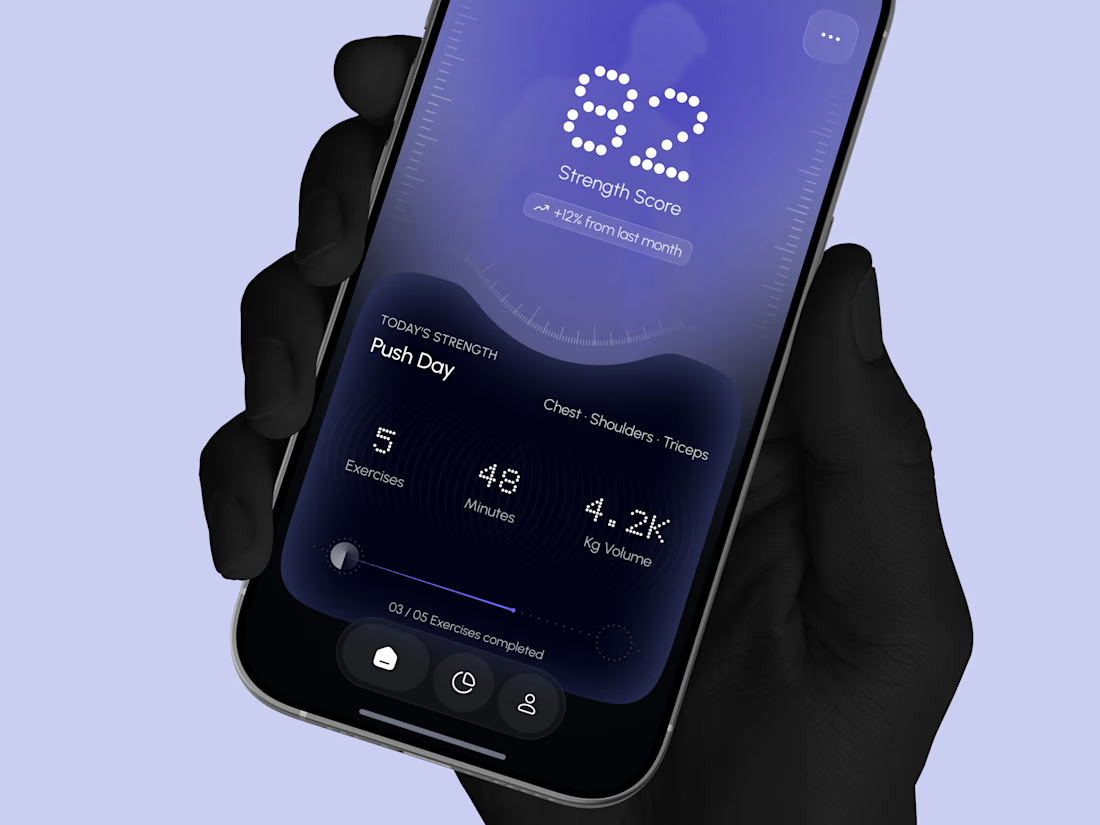
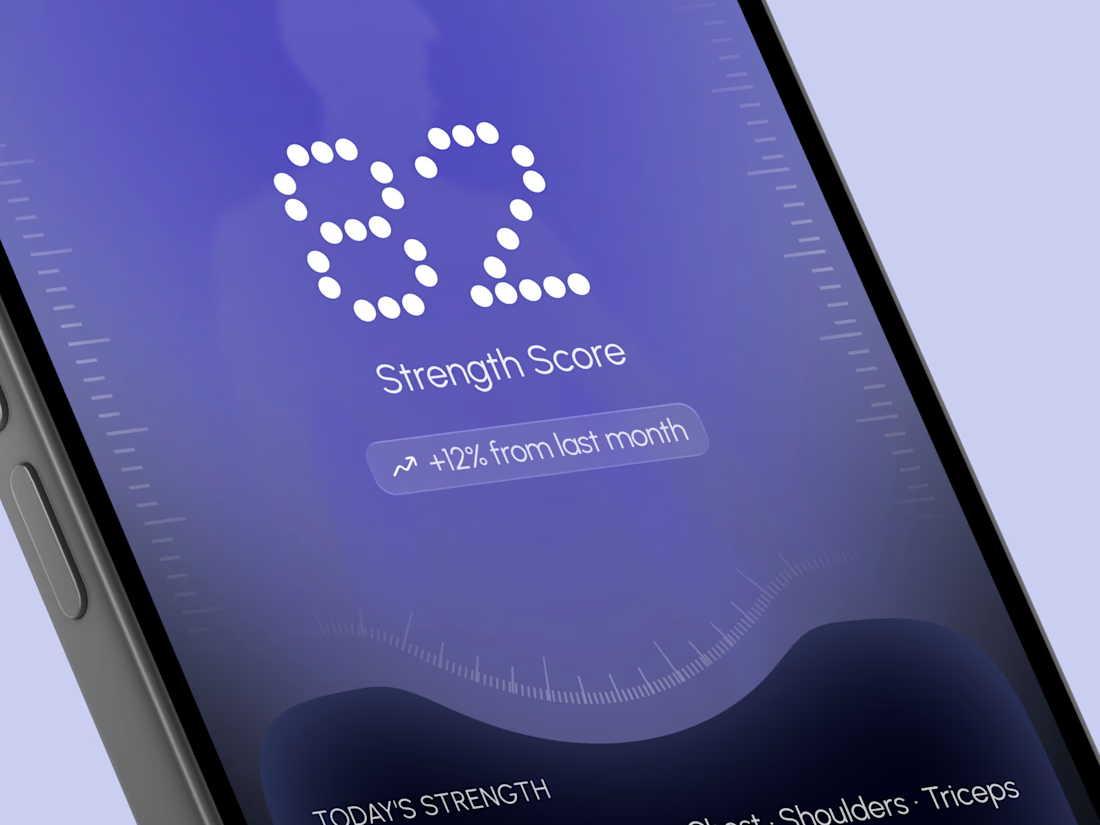
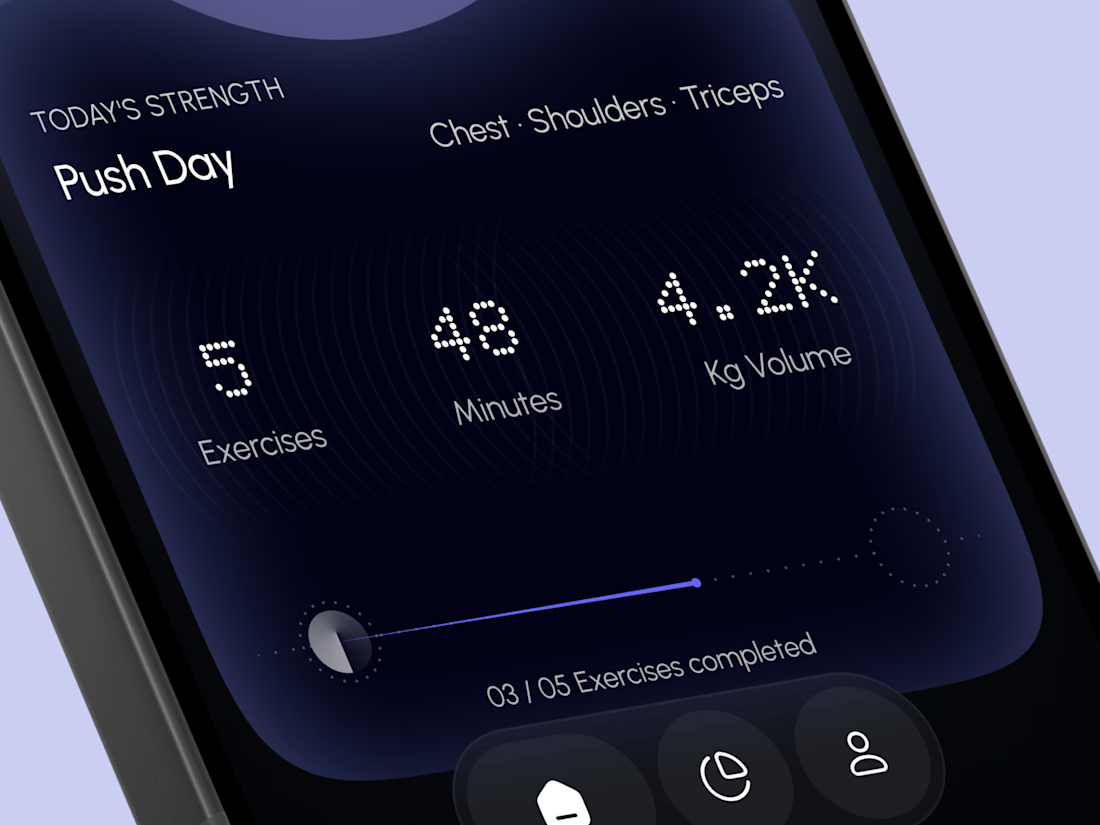
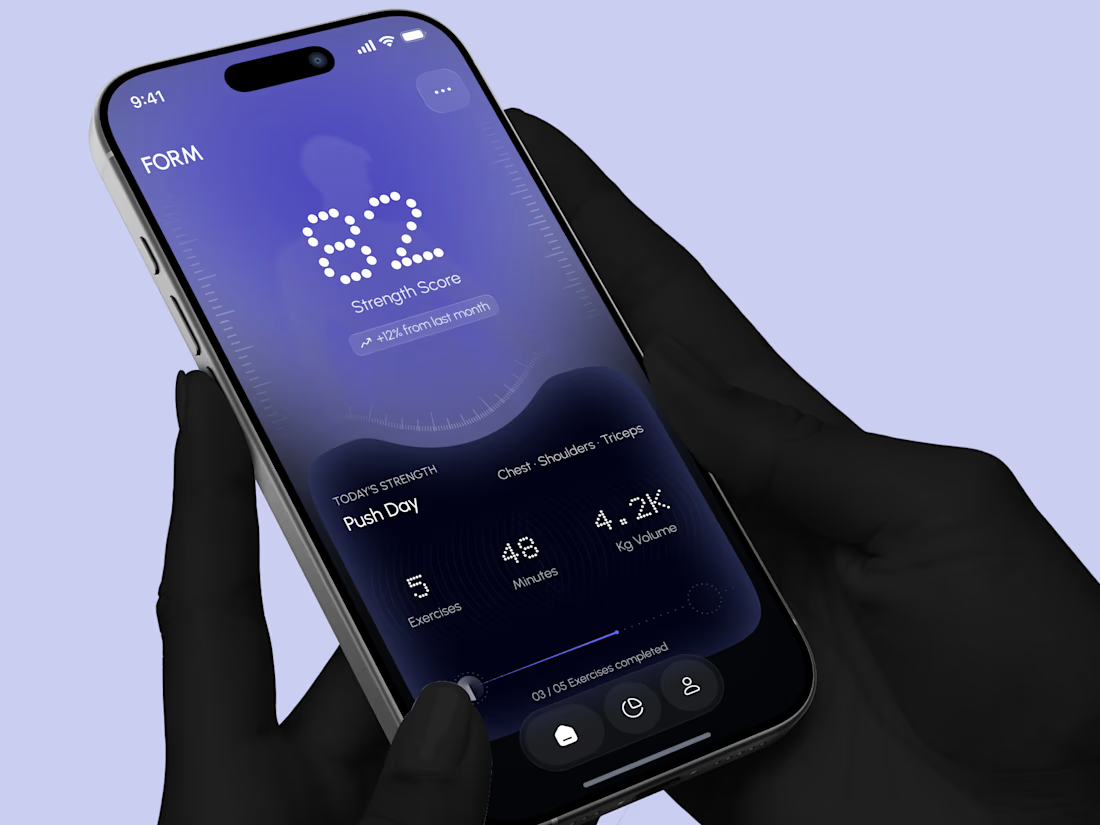
Designed a modern Strength Training Mobile App.
A deep indigo and violet gradient with a soft body silhouette and dotted display numbers for a bold and focused first impression.
A glowing strength score, a clear workout card with exercises, minutes, and volume, plus a simple progress bar make every training session easy to follow. A curved dark panel, fine tick marks, and a floating tab bar keep the whole app sleek, modern, and easy to use.



High end execution

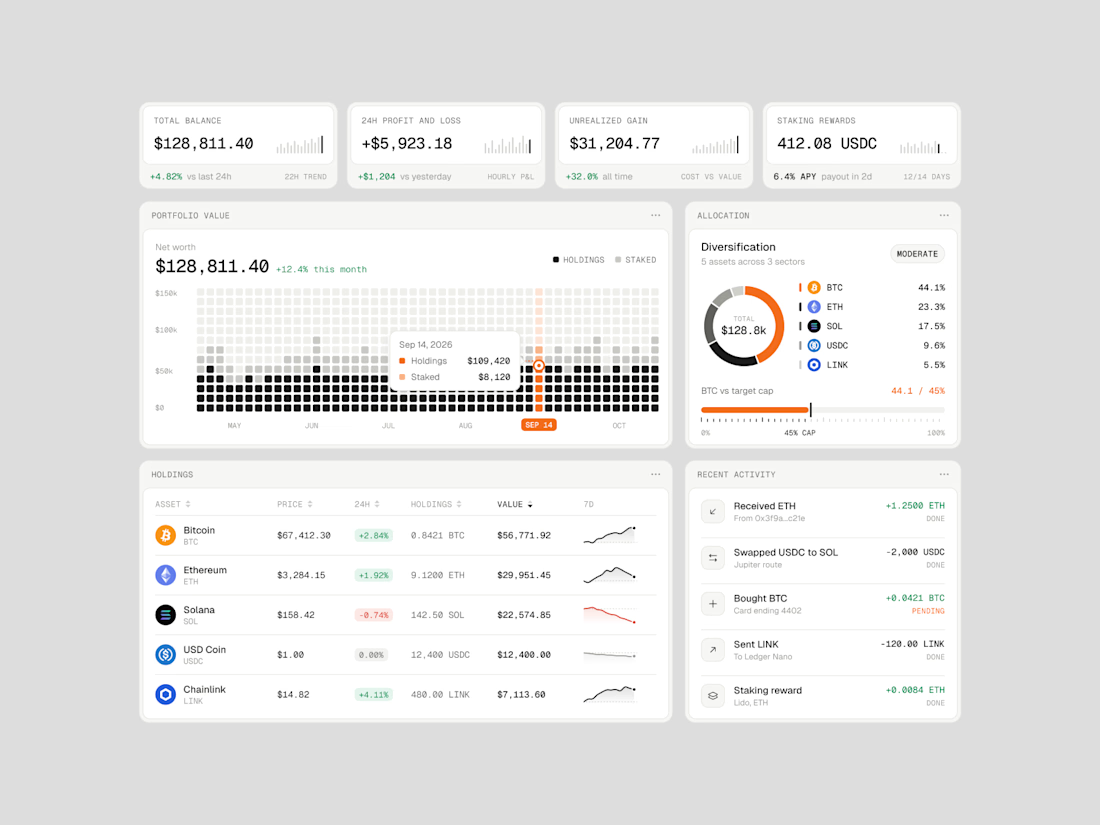
Exploring how complex financial data can feel simple, structured, and easy to navigate.
Vault One is a crypto portfolio dashboard concept that brings together asset performance, portfolio allocation, transaction history, and key financial metrics in one workspace.
I focused on visual hierarchy, information density, and data visualization, using a neutral color palette, subtle UI details, and selective accent colors to keep the interface clean without compromising functionality.
The goal was to make the data easier to understand, not just nicer to look at.
Would love to hear your thoughts on the visual direction and layout!
#ProductDesign #UIDesign #Fintech #DashboardDesign #UXDesign



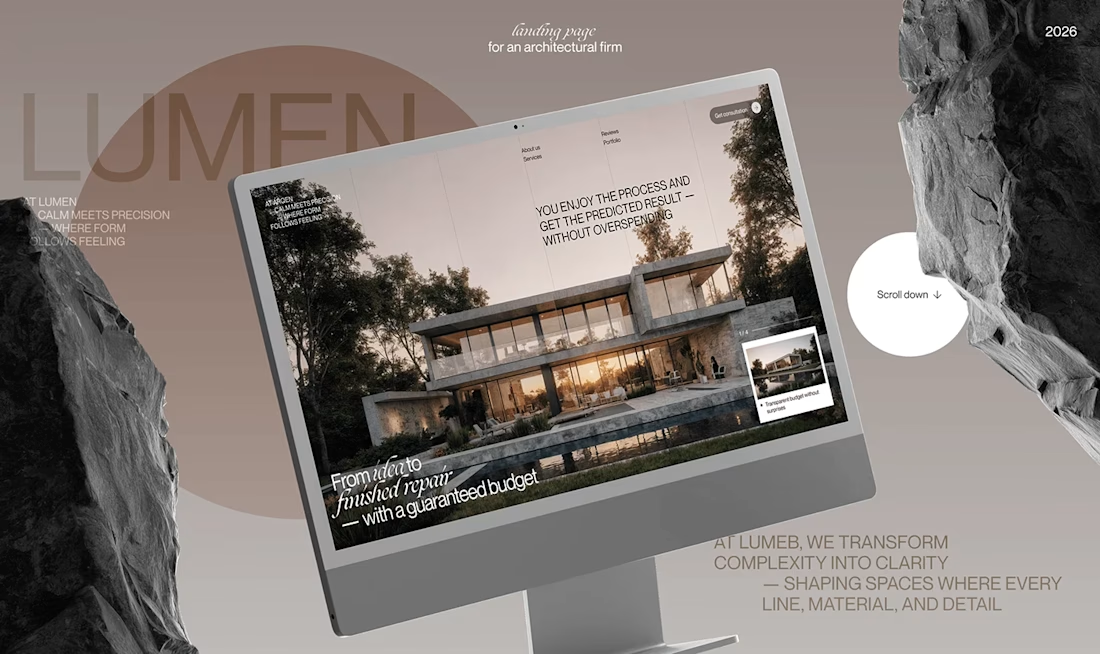
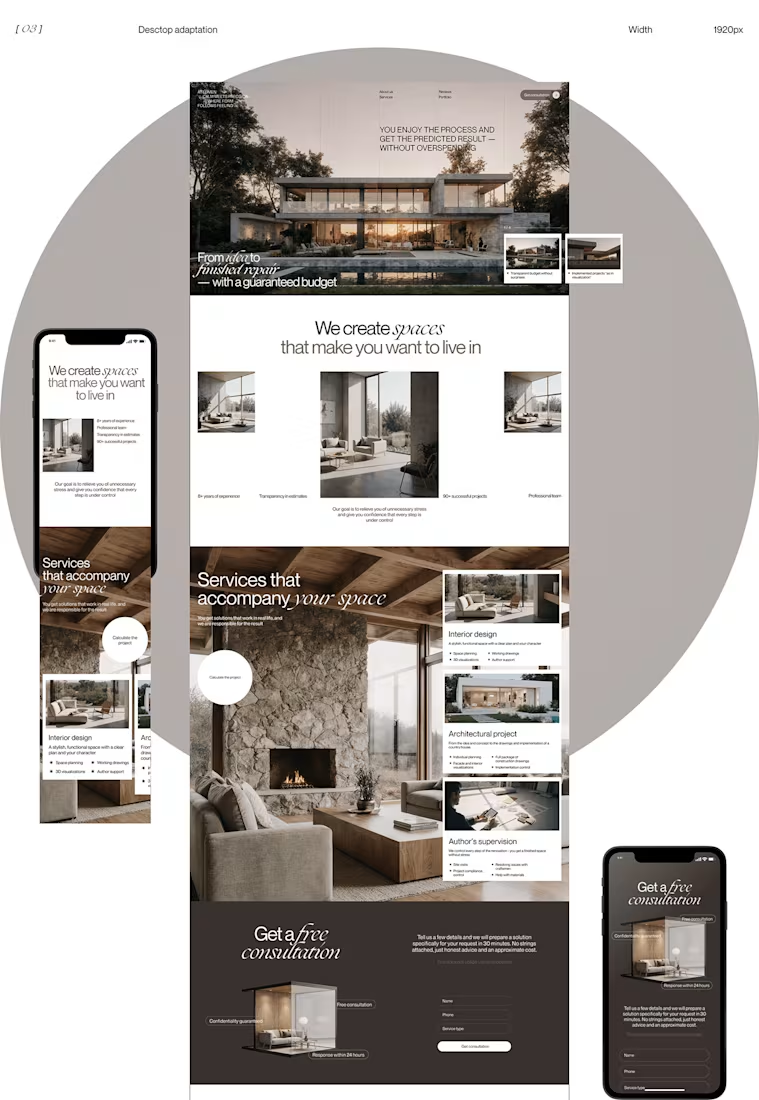
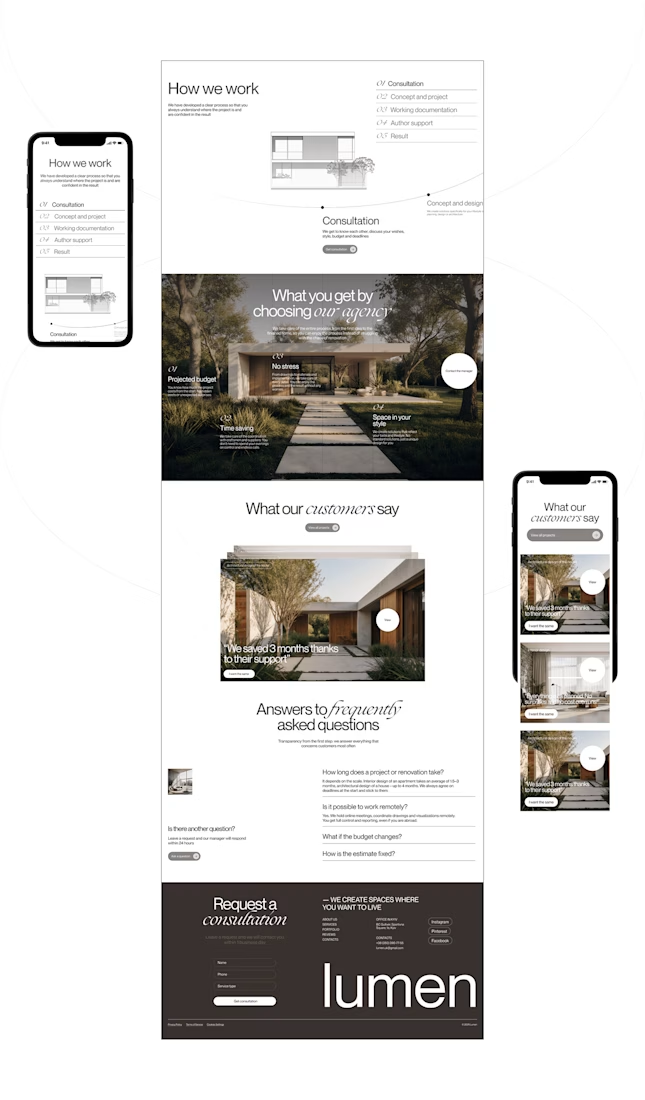
Lumen — UX/UI Design for a Premium Architecture Studio
Sometimes, the smallest details are what give a design its personality.
For Lumen, I found myself exploring how typography, architectural photography, colour, and layout could work together to tell a story before someone even starts reading.
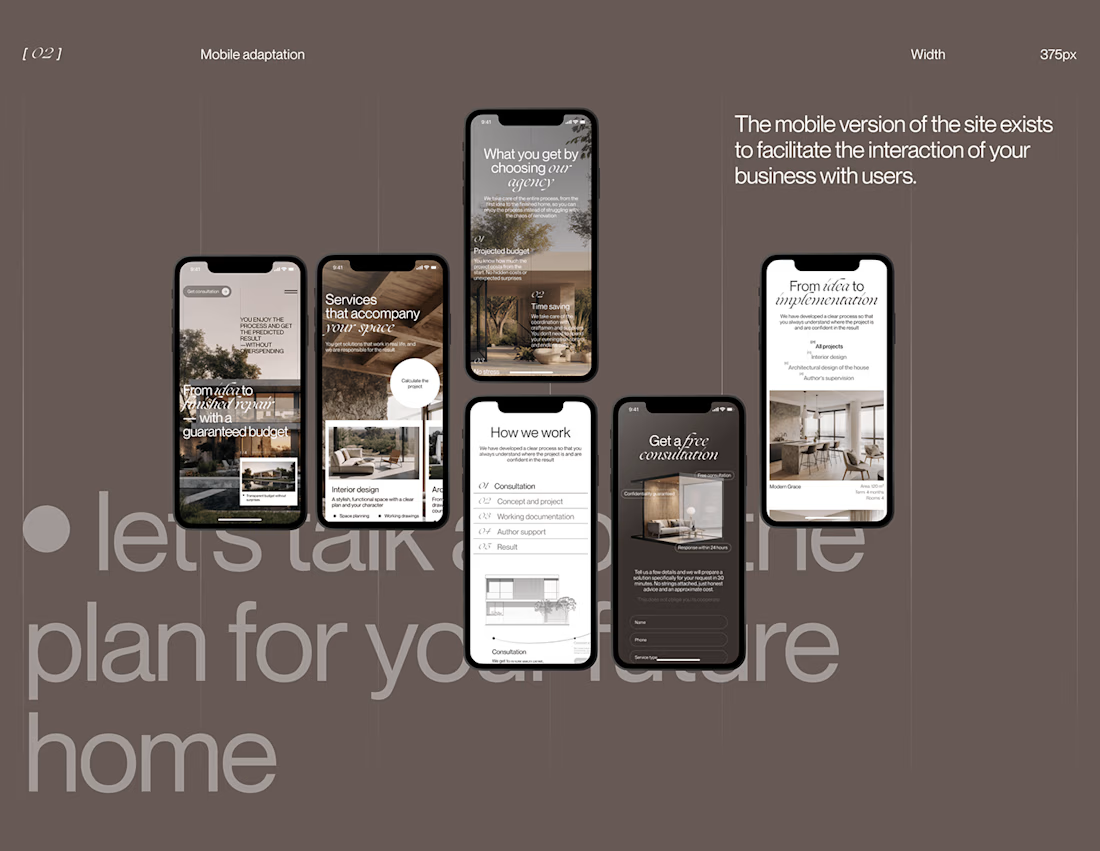
I played with oversized text, warm brown tones, editorial layouts, and a mobile experience that carries the same visual character as the desktop design.
I especially enjoyed putting the mobile screens together. Seeing the different sections come to life on a smaller screen made the whole concept feel more complete.
It's always interesting to see how different creative decisions can change the way people experience a brand.
What's one design detail that can make you appreciate a website even before you've explored everything?
#WebDesign #CreativeDesign #UIUXDesign #Architecture


i love this soooo wellllll, i just said welll with 4 l's thats how good this is