The network for creativity
Join 1.25M professional creatives like you
Connect with clients, get discovered, and run your business 100% commission-free
Creatives on Contra have earned over $150M and we are just getting started
Back to feedPost

Figma to Webflow: three client sites I built from their designers' files.
Voomo (AI video SaaS): more than 10,000 CMS items split into tools, comparisons and blog collections. It scores 92 on mobile PageSpeed, and their marketing team publishes without me.
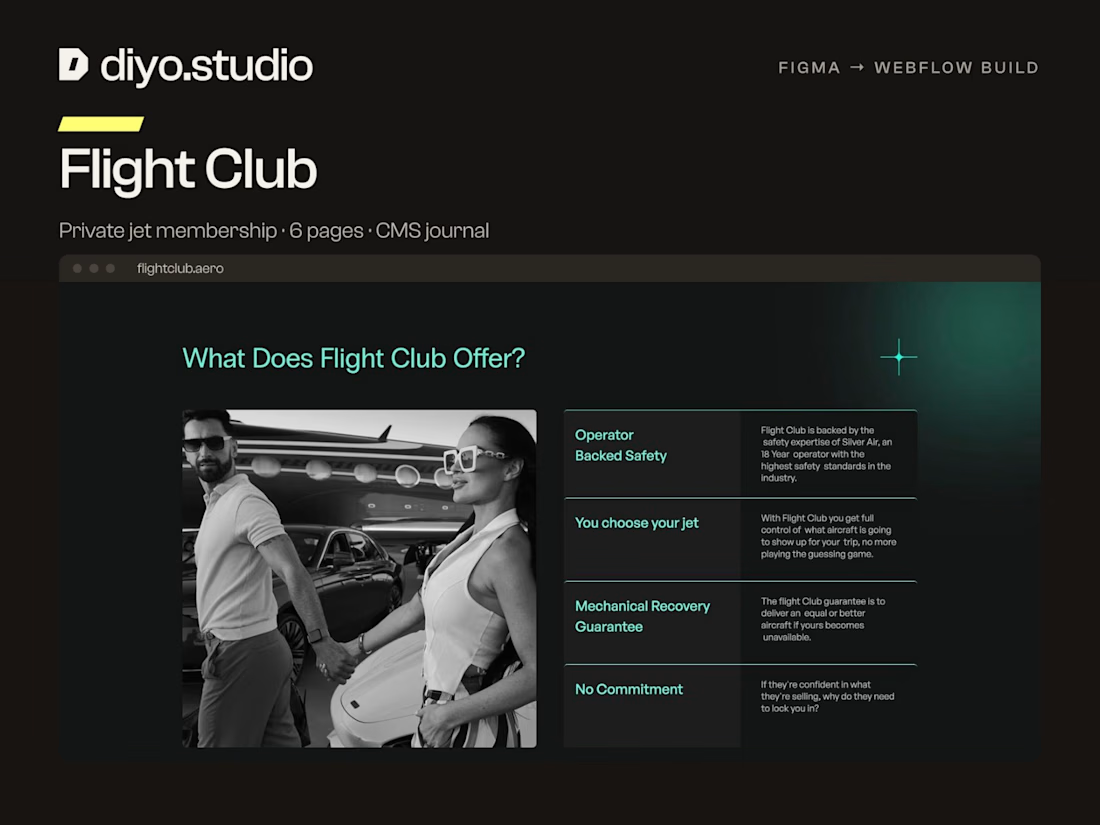
Flight Club (private jet membership): six pages built as drawn, with self-hosted video and long editorial layouts checked at every screen width.
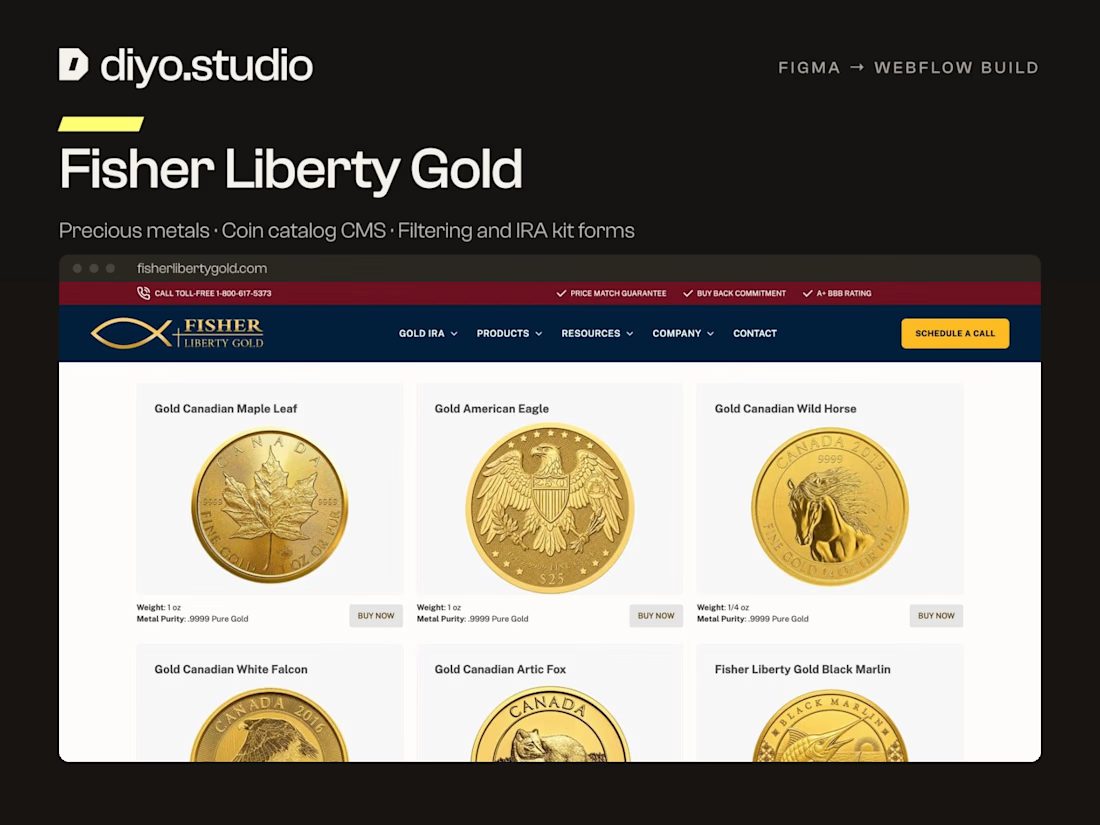
Fisher Liberty Gold (precious metals): one coin catalog feeds every category page, so a single product edit updates the whole site.
What all three taught me: the build is the easy part. The CMS structure decides whether the team can run the site after launch.
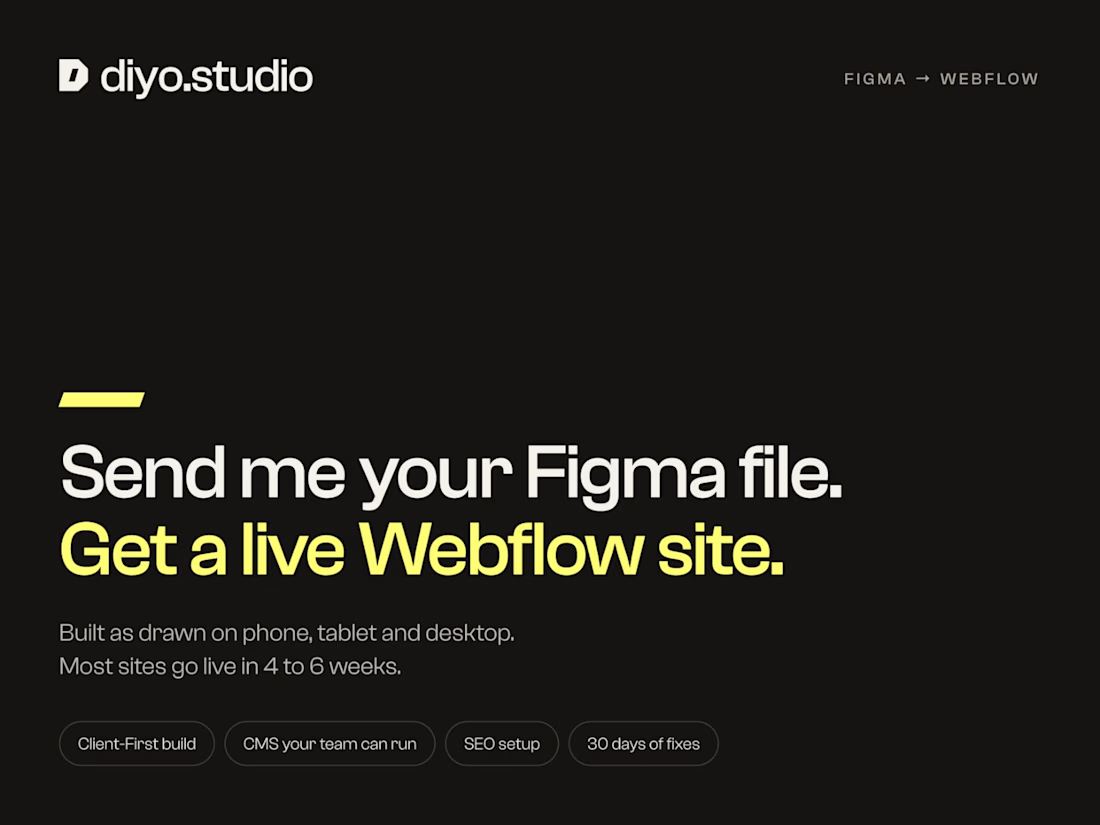
Every build is on Client-First, with SEO setup and 30 days of fixes after launch. Most sites go live in 4 to 6 weeks.
Designers: what's the one thing from your Figma file that most often gets lost in the build?
Have a Figma file ready? Send it over and I'll tell you how I'd build it.

The network for creativity
Join 1.25M professional creatives like you
Connect with clients, get discovered, and run your business 100% commission-free
Creatives on Contra have earned over $150M and we are just getting started



Related posts

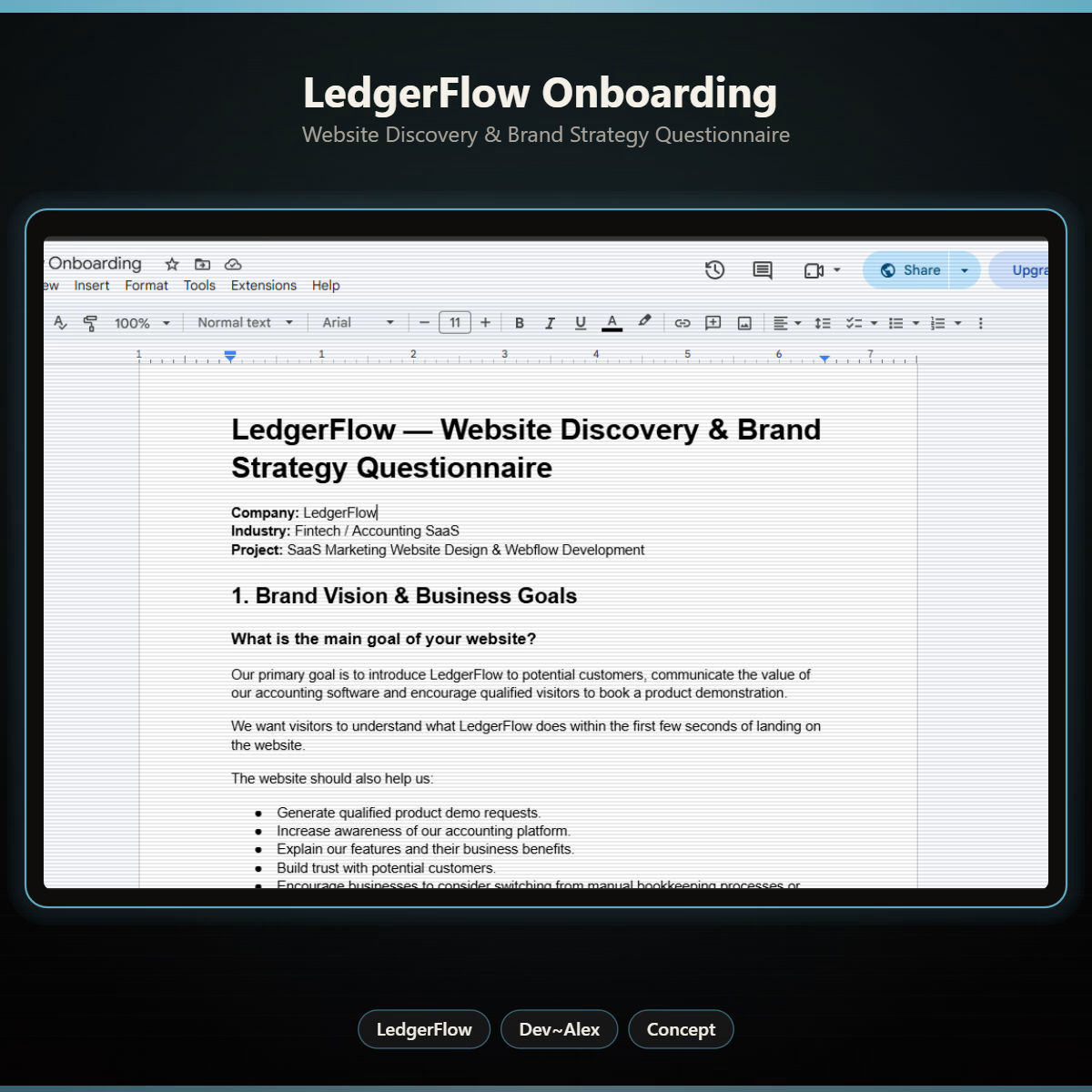
The first thing I created for LedgerFlow wasn't a screen.
It was a set of questions.
I'm kicking off a new concept project: **LedgerFlow, an accounting and financial management SaaS platform for small businesses, freelancers and independent business owners.
The goal is to design a website that helps visitors understand what the product does, how it helps their business, and why they should book a demo.
But before opening Figma, I needed to understand the business.
So I created a website discovery and brand strategy questionnaire.
It covers:
→ Brand vision and business goals.
→ Target audience.
→ Website goals and user experience.
→ Branding and visual direction.
→ Services and offers.
→ Project direction and logistics.
I want to understand things like:
Who exactly are we designing for?
What problem does the product solve?
What makes it different from traditional accounting software?
What should visitors understand within the first few seconds?
And what would make them confident enough to book a demo?
Because the answers will influence the website's messaging, content, visual hierarchy and calls to action.
You can't design a clear experience when you don't understand what the business needs to communicate.
LedgerFlow is a concept project, but I'm treating the process like a real client engagement.
I'll be sharing the journey from discovery to website structure, UI design and Webflow development.
And if you're building a SaaS product or need a website that communicates your business value clearly, I'm open to website design and Webflow projects.
Let's talk about what you're building. 🤝


Starting with a discovery questionnaire instead of a screen is how good briefs begin, and "explain what LedgerFlow does in the first seconds" is the right goal to design around. Will the answers become a one page brief?

We’ve just released Amber House, a new real estate landing page template, now available on Webflow Marketplace.
I’m exploring different niches at the moment. It helps me sharpen my skills, experiment with different visual styles, and design around the needs of each business and its audience.
Amber House combines architectural imagery, warm neutrals and expressive typography with practical features for homebuyers:
• Interactive floor plans to explore different layouts
• An availability table to compare homes, prices and status
• Clear paths to brochure requests and enquiries
• Responsive layouts for mobile browsing
Behind the visuals, we’ve put just as much care into Webflow development, technical SEO and performance — with high Lighthouse scores to back it up.


Real estate is a great niche to practise on because the page has to do two jobs at once: feel premium and push visitors toward a viewing enquiry. Congrats on the Webflow Marketplace release, Amber House looks like a solid template.
Saturday is for making connections, so let's make some!
Sometimes, the best opportunities start with a simple conversation.
So, today, I'd love to connect with more people here.
Are you a founder building something?
Working on a startup?
A UI/UX or web designer?
A developer, freelancer, or creative in another field?
I'd love to know what you're working on, what you're building, and what you do.
A little about me: I'm a UI/UX & Product Designer and Webflow Developer, and I'm open to freelance projects, contract opportunities, and part-time roles.
Let's make this easy:
Drop your name, what you do, and what you're currently working on in the comments.
I'll stop by, check out your work, and connect with you.
And don't be shy about saying hello. You never know where a simple connection can lead. 👋