The network for creativity
Join 1.25M professional creatives like you
Connect with clients, get discovered, and run your business 100% commission-free
Creatives on Contra have earned over $150M and we are just getting started
Back to feedPost

Vermilion County / Danville Showpiece
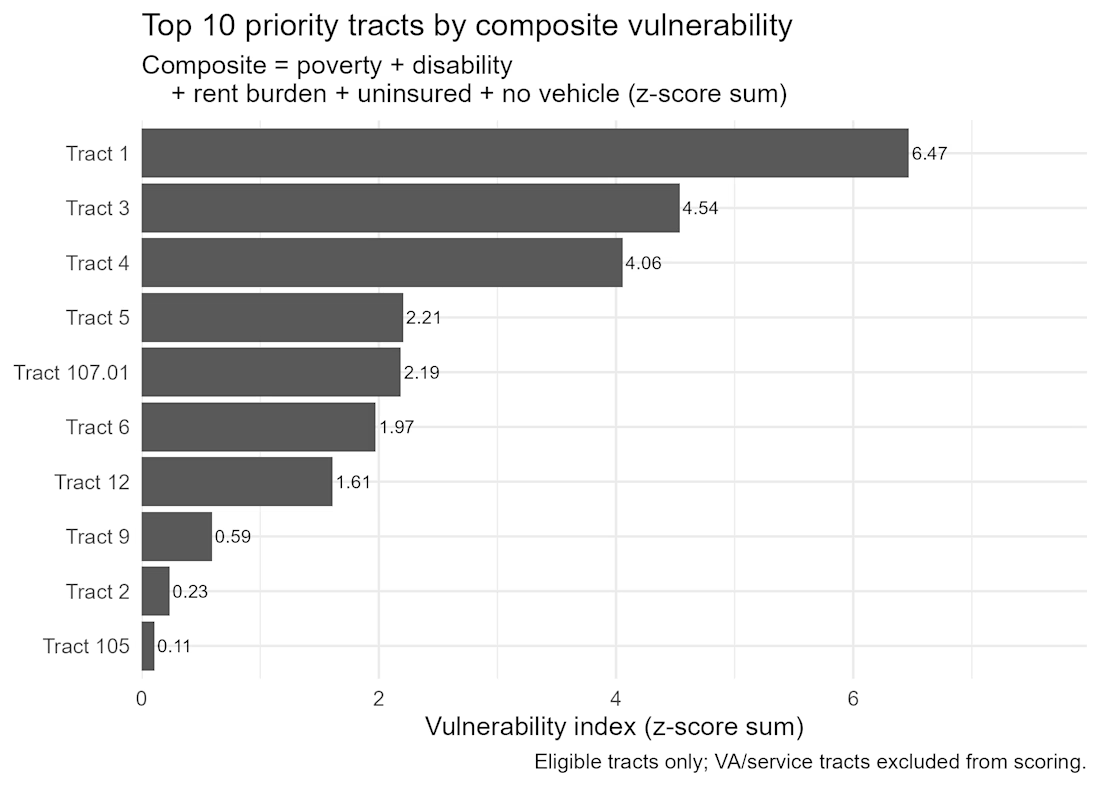
I recently worked on a project highlighting Vermilion County and Danville through data, mapping, and community context. The goal was to bring together clear research, local insight, and visual storytelling to create a piece that was both informative and easy to understand.
This kind of work sits at the intersection of planning, demographics, and analysis — turning complex information into something useful for decision-makers, organizations, and communities.
Projects like this are a good example of the work I enjoy most: combining research, data, and place-based analysis to help tell a community’s story clearly and effectively.
The network for creativity
Join 1.25M professional creatives like you
Connect with clients, get discovered, and run your business 100% commission-free
Creatives on Contra have earned over $150M and we are just getting started










Related posts

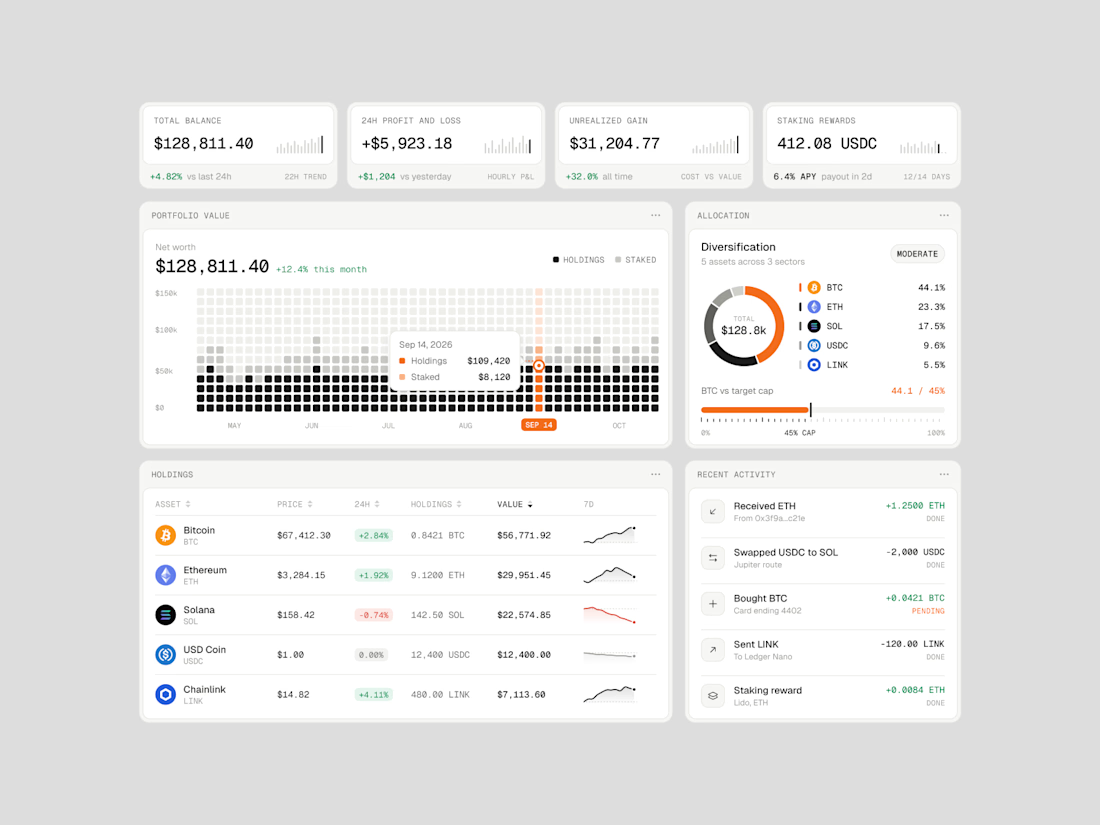
Exploring how complex financial data can feel simple, structured, and easy to navigate.
Vault One is a crypto portfolio dashboard concept that brings together asset performance, portfolio allocation, transaction history, and key financial metrics in one workspace.
I focused on visual hierarchy, information density, and data visualization, using a neutral color palette, subtle UI details, and selective accent colors to keep the interface clean without compromising functionality.
The goal was to make the data easier to understand, not just nicer to look at.
Would love to hear your thoughts on the visual direction and layout!
#ProductDesign #UIDesign #Fintech #DashboardDesign #UXDesign




Video Editing & Motion Graphics Showcase
A portfolio piece showcasing my video editing and motion graphics work—bringing footage and graphic elements together to tell a clear, engaging story.
Interested in a similar style for your content? Contact me on Contra to discuss your project.


The pacing keeps this motion showcase clear and cohesive.

Project Title:
Dunkin’ Product Web Concept
Project Description:
A playful web design concept created to explore bold product visuals, strong composition, and interactive brand presentation. The goal was to turn a simple product idea into a more engaging digital experience while keeping the layout clean, clear, and visually memorable.
This concept reflects how I approach web design in general — understanding the brand, building a strong visual direction, and creating an experience that works around the product, service, or idea being presented.
Role: Web Designer / Creative Developer
Focus: Visual Direction, Layout, Product Presentation, Web Interaction

