The network for creativity
Join 1.25M professional creatives like you
Connect with clients, get discovered, and run your business 100% commission-free
Creatives on Contra have earned over $150M and we are just getting started
Back to feedPost

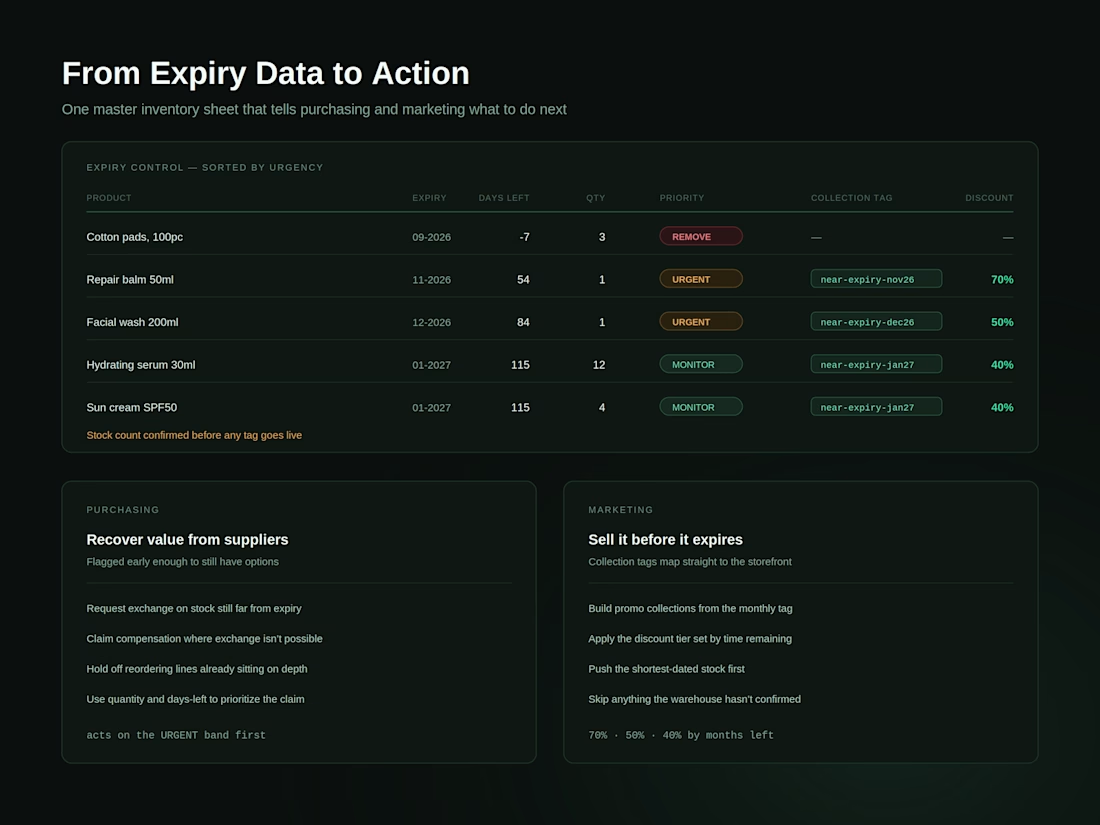
Tracking expiry dates only solves half the problem. Knowing what's about to expire doesn't help unless someone acts on it, and that action sits with different teams than the warehouse.
I structured the master inventory sheet so expiry data turns directly into decisions. Every item gets a status and priority based on how much time is left, and a collection tag by expiry month with a discount tier attached, the closer to expiry, the deeper the discount.
Purchasing uses it to catch stock early enough to still have options with suppliers, either exchanging it or claiming compensation, and to avoid reordering lines that already have depth sitting close to expiry. Marketing uses the monthly tags to build promotional collections and push the shortest-dated stock first.
One rule holds it together: nothing gets promoted until the warehouse confirms the count, so a product is never advertised at a discount that can't be fulfilled.
The result is that near-expiry stock becomes recoverable value instead of a write-off, and both teams work from the same source instead of asking the warehouse each time.


The network for creativity
Join 1.25M professional creatives like you
Connect with clients, get discovered, and run your business 100% commission-free
Creatives on Contra have earned over $150M and we are just getting started




Related posts

You Will Get Apollo + LinkedIn Sales Navigator B2B Leads, Verified Emails & Direct Phone Numbers.
Need targeted B2B leads with accurate contact information for your sales or outreach?
What You Provide:
✔Target industry / niche
✔Location
✔Company size or other filters
✔Decision-maker titles
✔Or your Apollo / LinkedIn Sales Navigator search link
What I Do:
I research and qualify the right companies and decision-makers, then enrich the prospects with:
✔Verified business emails
✔Direct phone / mobile numbers
✔LinkedIn profiles
✔Job titles
✔Company information
I also verify, clean, and remove duplicates before delivery.
What You Receive:
Company • Contact Name • Job Title • LinkedIn • Verified Email • Direct Phone • Website
Why Choose Me:
✓ Targeted B2B research
✓ Multiple data sources
✓ Manual data checking
✓ Email & contact verification
✓ Clean, organized, outreach-ready data
Tools: Apollo • LinkedIn Sales Navigator • Lusha • ContactOut • SalesQL • Google Sheets
Ready to Get Started?
Send me your target requirements or Apollo / Sales Navigator search link, and I can start with a small sample.


good work

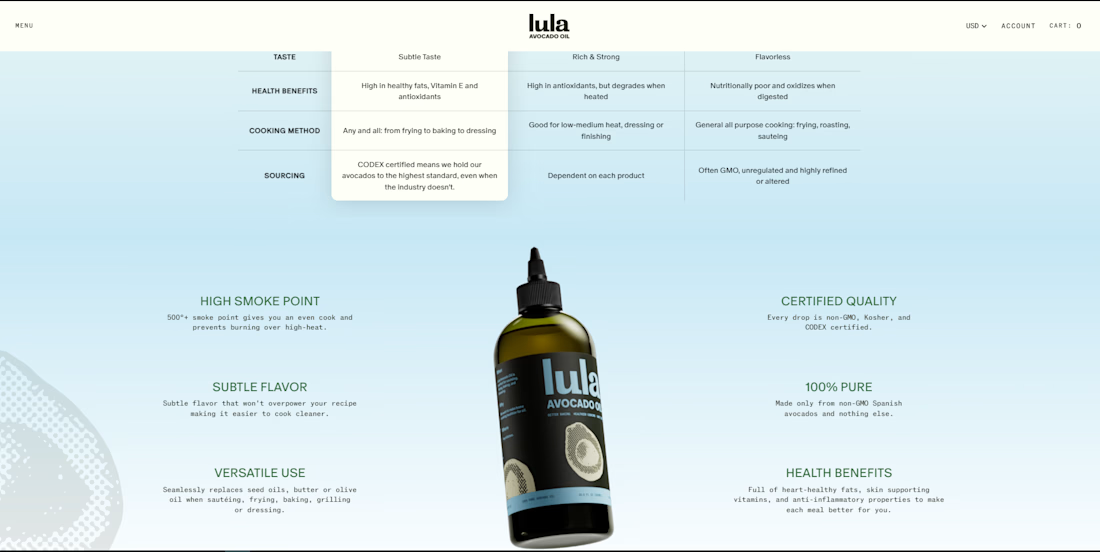
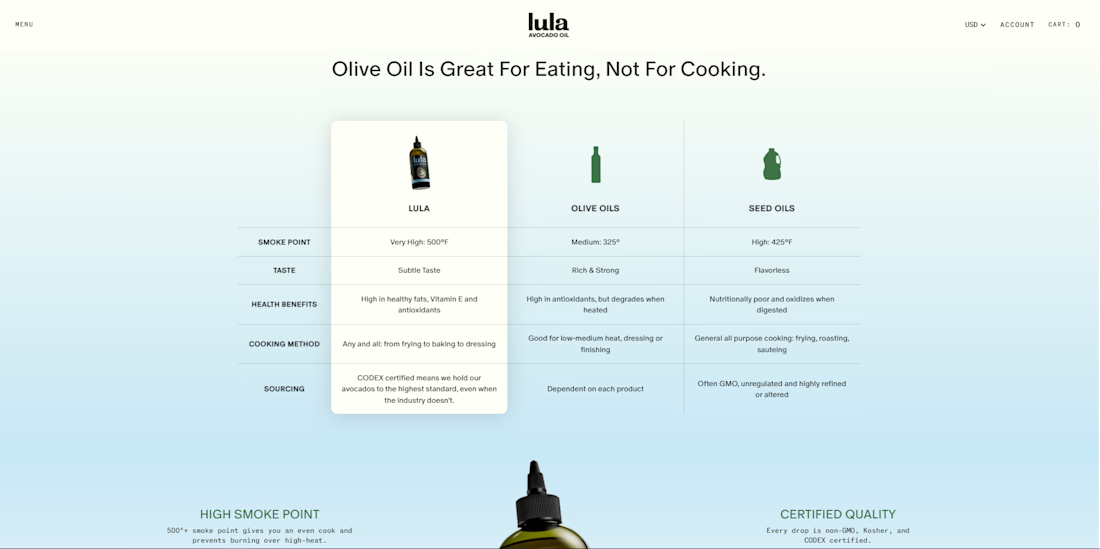
A fresh Shopify experience built for Lula Oil 🥑
Creating a clean, modern e-commerce experience that puts the product and brand story at the center.
From the visual direction and product presentation to the responsive Shopify experience, every detail was designed to make the brand feel premium, natural, and easy to explore.
✨ Clean & modern UI
🥑 Product-focused experience
🛍️ Shopify e-commerce development
📱 Responsive across devices
🌿 Natural, premium brand aesthetic
Here’s a look at some of the visuals and videos from the project.
Built with Shopify.



Nice translation of the avocado-oil branding into the PDP. Since this is a consumable people reorder on a cycle, is there a subscribe-and-save or reorder-reminder flow built in, or is the launch scope first-purchase-only for now? That's usually where the real revenue sits on a...
You Will Get Verified B2B Contacts With Email & Direct Phone Numbers.
Need accurate contact details for your existing prospect list?
What You Provide:
1/ Company or contact list
2/ LinkedIn profiles
3/ Apollo / Sales Navigator search
4/ Required contact fields
What I Do:
I research and enrich your prospects with:
1/ Verified business emails
2/ Direct phone / mobile numbers
3/ LinkedIn profiles
4/ Job titles
5/ Company information
I cross-check the data, remove duplicates, verify emails, and organize everything into a clean spreadsheet.
What You Receive:
Name • Job Title • Company • LinkedIn • Verified Email • Direct Phone • Website
Why Choose Me:
✓ Manual research & cross-checking
✓ Multiple data sources
✓ Clean and organized data
✓ Focus on accuracy and relevance
✓ Outreach-ready delivery
Tools: Apollo • Lusha • ContactOut • SalesQL • LinkedIn • Google Sheets
Ready to Get Started?
Send me your existing list or target requirements, and I can start with a small sample.
Excellent lead research and accurate contact enrichment!