The network for creativity
Join 1.25M professional creatives like you
Connect with clients, get discovered, and run your business 100% commission-free
Creatives on Contra have earned over $150M and we are just getting started
Back to feedPost

A full-stack Python web application can completely transform the way a business operates.
Instead of managing customers, products, orders, inventory, employees, payments, reports, and daily operations across multiple tools, a custom web app can bring everything together into one centralized platform.
With technologies like Python, Django, FastAPI, JavaScript, React, and modern databases, businesses can build powerful systems that are designed around their exact workflow.
A well-developed web application can help businesses:
• Automate repetitive business operations
• Manage customers and leads from one place
• Track products, inventory, orders, and sales
• Create real-time dashboards and business analytics
• Manage employees, roles, and permissions
• Reduce manual data entry and human errors
• Streamline communication and internal processes
• Generate reports and monitor business performance
• Integrate payment gateways, APIs, and third-party services
• Build secure and scalable systems that can grow with the business
The goal isn't simply to build a website. It's to build a digital business system that saves time, reduces complexity, improves productivity, and makes everyday decision-making easier.
Whether it's an e-commerce platform, CRM, management dashboard, SaaS product, marketplace, booking system, or a completely custom business solution, Python provides the flexibility to turn complex business processes into simple, automated workflows.
Build once. Automate intelligently. Manage everything in one place. Grow without unnecessary complexity.

The network for creativity
Join 1.25M professional creatives like you
Connect with clients, get discovered, and run your business 100% commission-free
Creatives on Contra have earned over $150M and we are just getting started



Related posts

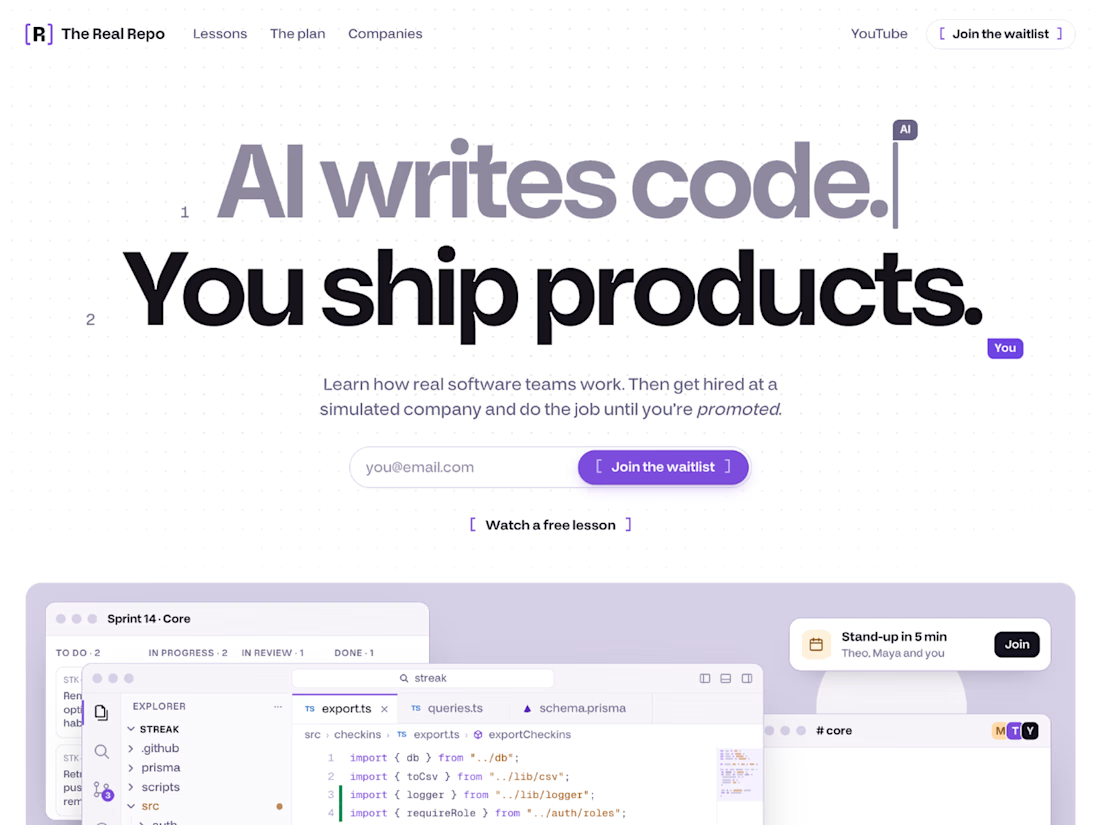
The Real Repo: a learning platform where developers practise real software-team work inside a simulated company, from tickets and code reviews to deploys, until they earn a promotion. I designed and built the platform and run its YouTube channel.




Hello, Contra: this is Nagz Studio
New name, same work: this profile is now Nagz Studio.
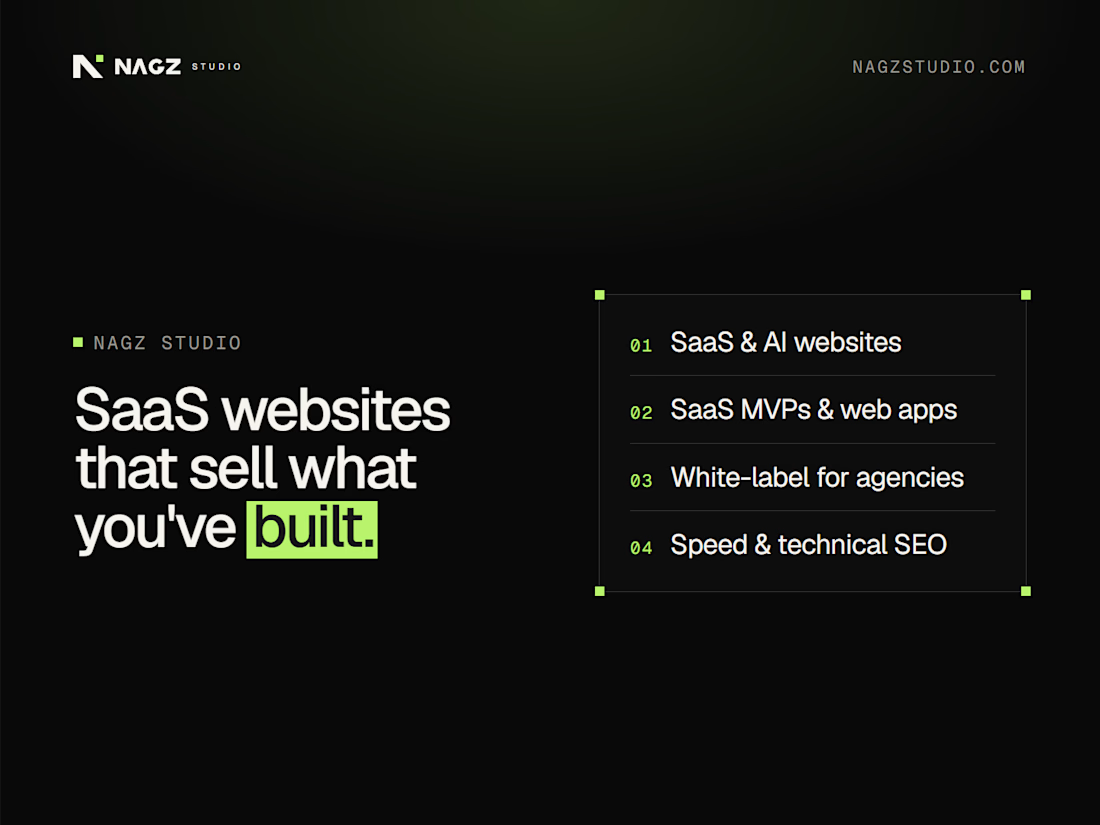
I design and build websites and MVPs for SaaS and AI companies, in Next.js and WordPress, and take on white-label builds for agencies.
Four things, done properly:
→ SaaS & AI websites
→ SaaS MVPs & web apps
→ White-label development for agencies
→ Speed & technical SEO
You talk to the person who builds it. Message me here when you're ready to start.


Multi-Model Social Media Agent — Automated Content Workflows
Built by QuantEve Technologies | AI Automation & Full-Stack Engineering
Designed and developed an AI-powered social media workflow that streamlines content research, drafting, evaluation, approval, publishing, and performance analysis.
Rather than relying on a single model for every task, the system uses a multi-model workflow to organize content operations into manageable stages, with persistent state and human review where needed.
Core Capabilities
Content Research: Organizes topics and research inputs into a structured content workflow.
AI-Assisted Drafting: Generates social media content for platforms such as X and LinkedIn.
Multi-Model Processing: Supports model-provider alternatives and fallback handling for more resilient workflows.
Draft Evaluation: Adds an evaluation stage to review and improve content before it moves forward.
Human Approval: Keeps content review separate from publishing so drafts can be checked before external actions.
Workflow Persistence: Uses SQLite-backed queues and stored state to track content as it moves through the system.
Performance Feedback: Organizes publishing analytics and feedback to inform future content decisions.
Engineering Focus
The system brings AI model orchestration, application logic, persistent workflow state, and social media operations together in one maintainable automation pipeline.
Technology Stack
Python / Node.js (depending on the deployed component) · LLM APIs · REST APIs · SQLite · Workflow Automation · Social Platform Integrations
Built by QuantEve Technologies to demonstrate how AI can automate repetitive content operations while keeping the workflow organized, reviewable, and controllable.


Keeping content review separate from publishing, with state in SQLite queues, is a sensible setup. When a model provider fails mid-run and the fallback kicks in, does the queue retry just that stage with the next model, or does the draft restart from research?