The network for creativity
Join 1.25M professional creatives like you
Connect with clients, get discovered, and run your business 100% commission-free
Creatives on Contra have earned over $150M and we are just getting started
Back to feedPost

Which is your choice on these python backend techs:
Team A: FastApi
Team B: Django(Rest)
Let's know in the comments.
The network for creativity
Join 1.25M professional creatives like you
Connect with clients, get discovered, and run your business 100% commission-free
Creatives on Contra have earned over $150M and we are just getting started




Related posts

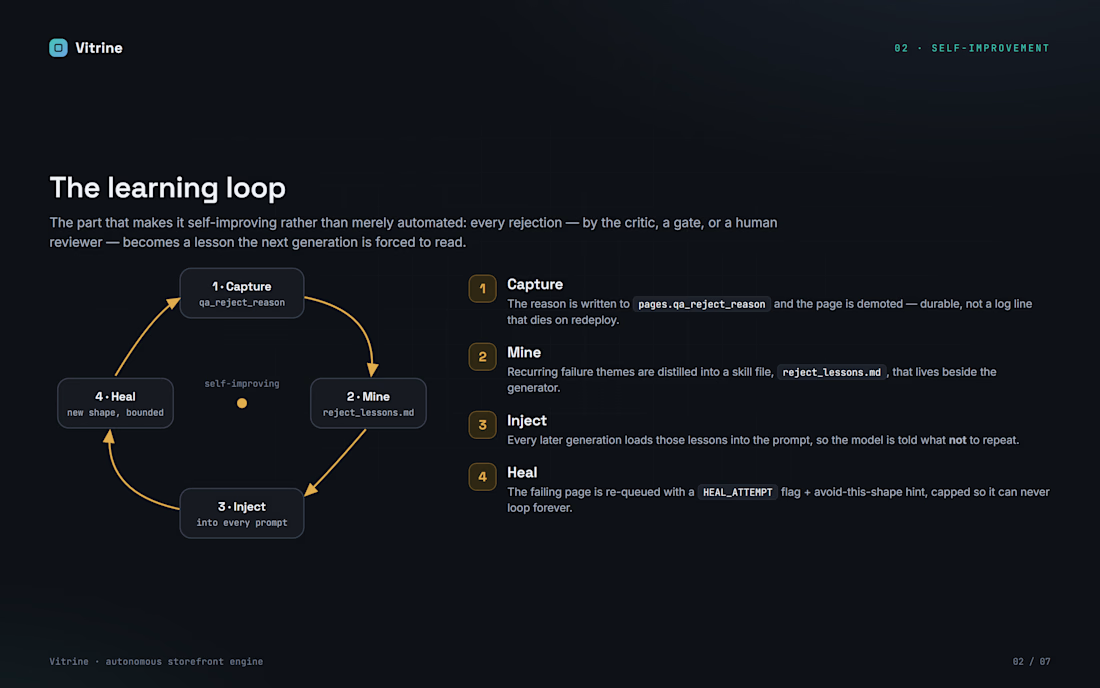
Autonomous backend that turns local merchants into bespoke landing pages with almost no human in the loop. Celery tasks discover businesses, an LLM designs each page, then two independent AI gates - an HTTP health oracle and a 5-axis design critic - validate it. Rejections are mined into lessons and re-injected, so the system self-heals and regenerates a better layout automatically. Qualified pages wait behind a signed preview link and a human approval gate; nothing ships without consent, payment and a global kill switch


Webflow, Framer or WordPress? Guess before it flips.
Three sites I've worked on: Latitude Health (Framer), Gentreo (WordPress + Elementor Pro) and Moody Bank (Webflow). From the outside you mostly can't tell, which is the point: I pick the platform by who edits the site after launch.
What was your score?
Follow for more videos: instagram.com/sellwrightstudio · youtube.com/@sellwrightstudio


Choosing the platform by who will edit the site after launch is exactly the right question. Nice that all three feel equally polished from the outside.

Building a Voice AI Assistant That Turns Phone Calls Into Thoughtful Follow‑Through
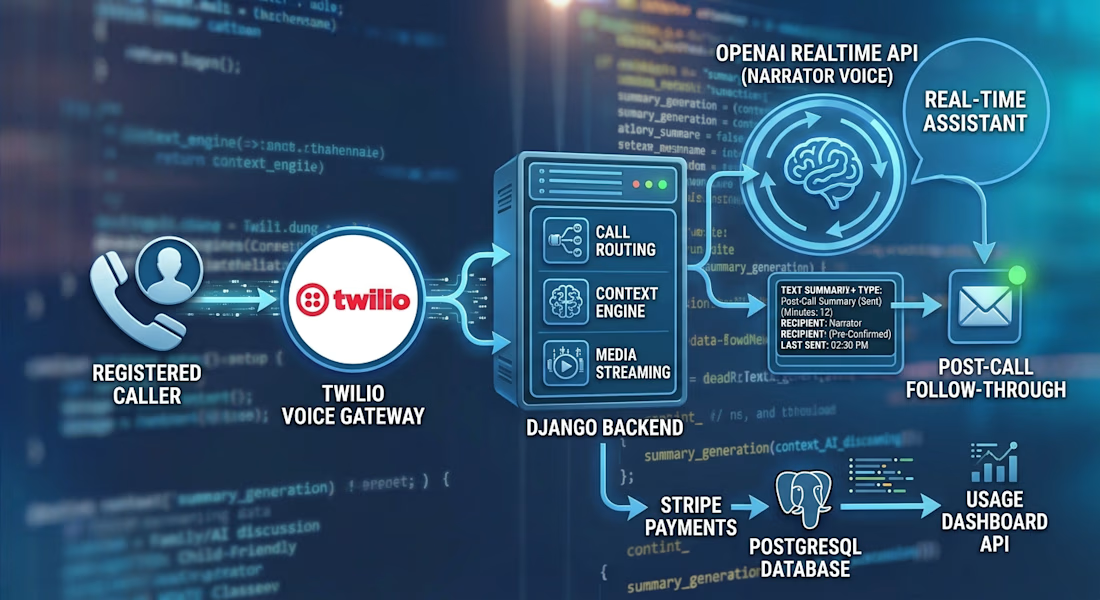
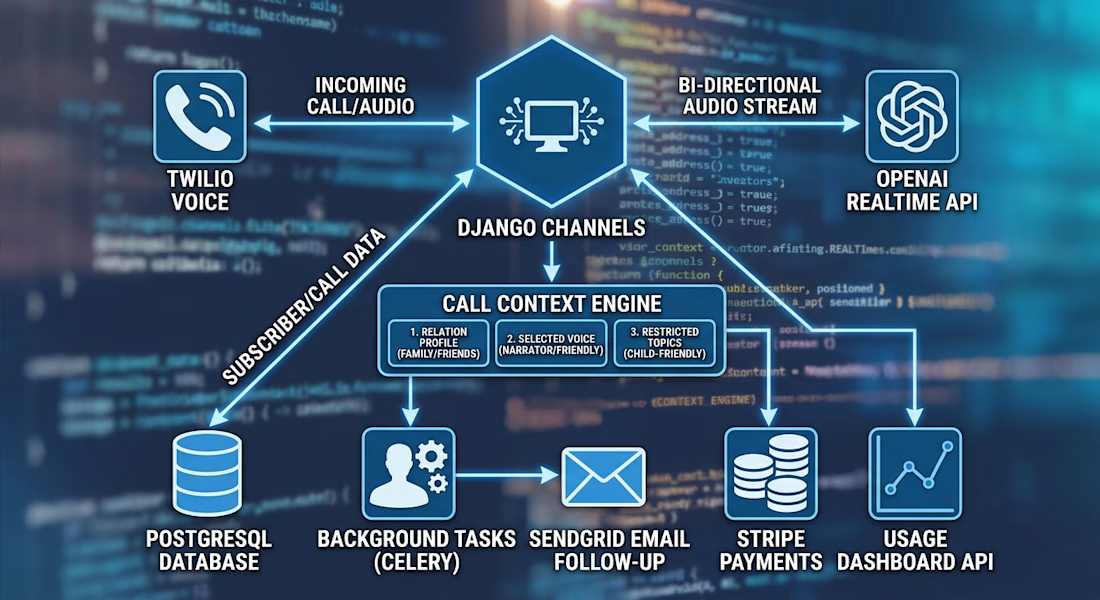
I built a Django backend for a family-focused AI phone assistant. A registered caller connects through Twilio, and Django Channels streams the call to an OpenAI Realtime session for a natural, two-way conversation.
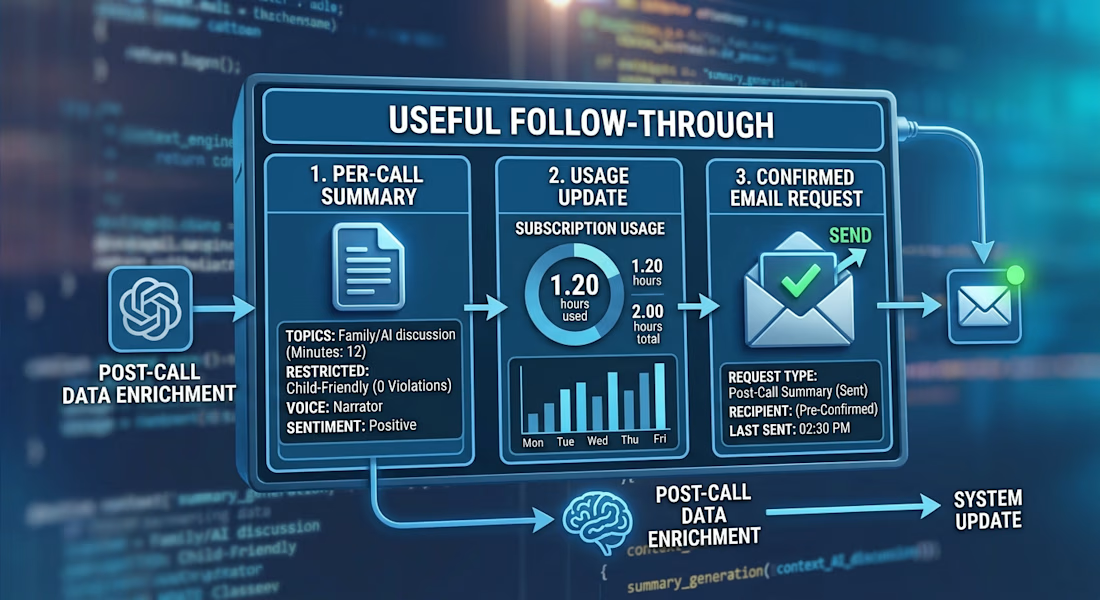
The backend adds caller-specific context, selected voices, subscription minute limits, and interruption handling. After the call, background tasks generate a separate summary. A follow-up email is sent only when requested and the recipient is confirmed.
I also built APIs for managing relations, subscriptions, and dashboard usage data. One of the most interesting parts was connecting the whole lifecycle: incoming call, real-time conversation, usage tracking, and post-call follow-through.
#Django #VoiceAI #RealtimeAI #Twilio #OpenAI #BackendDevelopment