The network for creativity
Join 1.25M professional creatives like you
Connect with clients, get discovered, and run your business 100% commission-free
Creatives on Contra have earned over $150M and we are just getting started
Back to feedPost

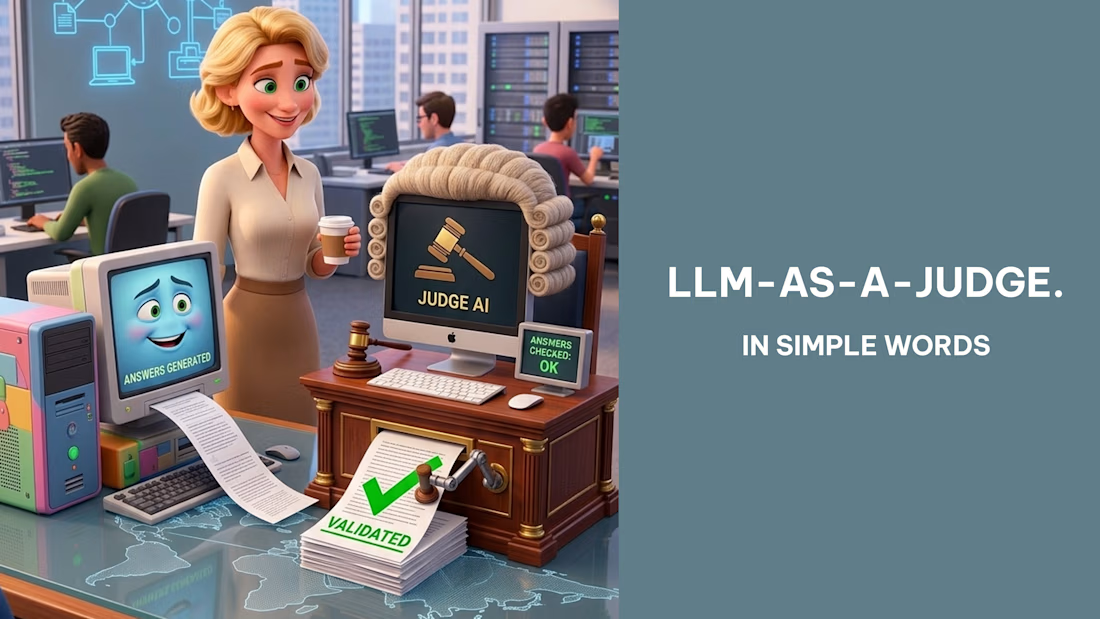
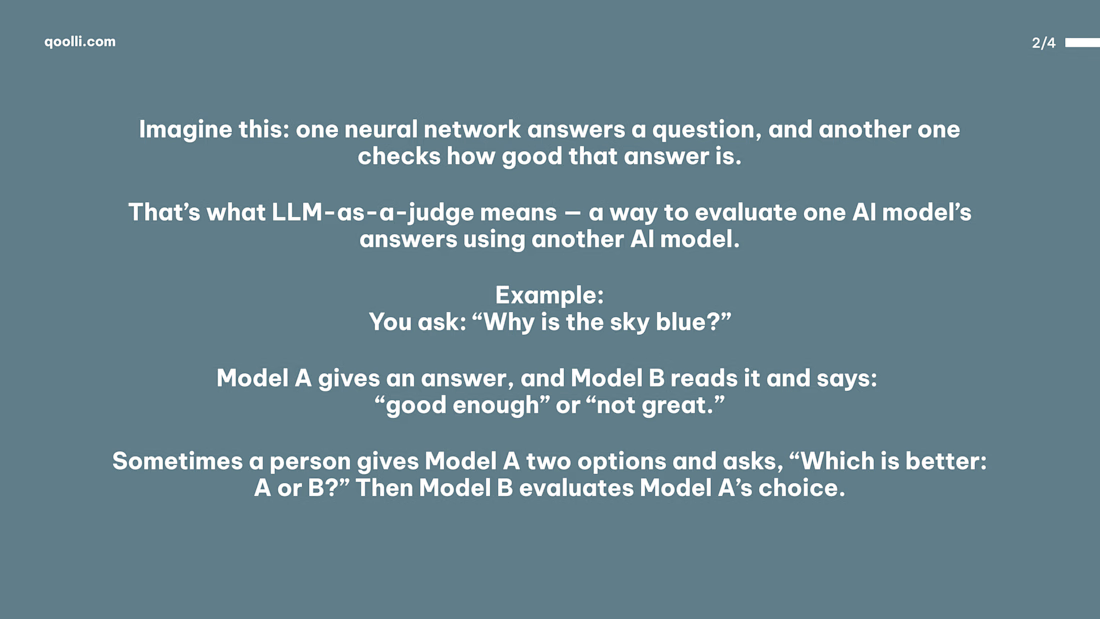
Imagine this: one neural network answers a question, and another one checks how good that answer is.
That’s what LLM-as-a-judge means — a way to evaluate one AI model’s answers using another AI model.
Example:
You ask: “Why is the sky blue?”
Model A gives an answer, and Model B reads it and says: “good enough” or “not great.”
Sometimes a person gives Model A two options and asks, “Which is better: A or B?” Then Model B evaluates Model A’s choice.
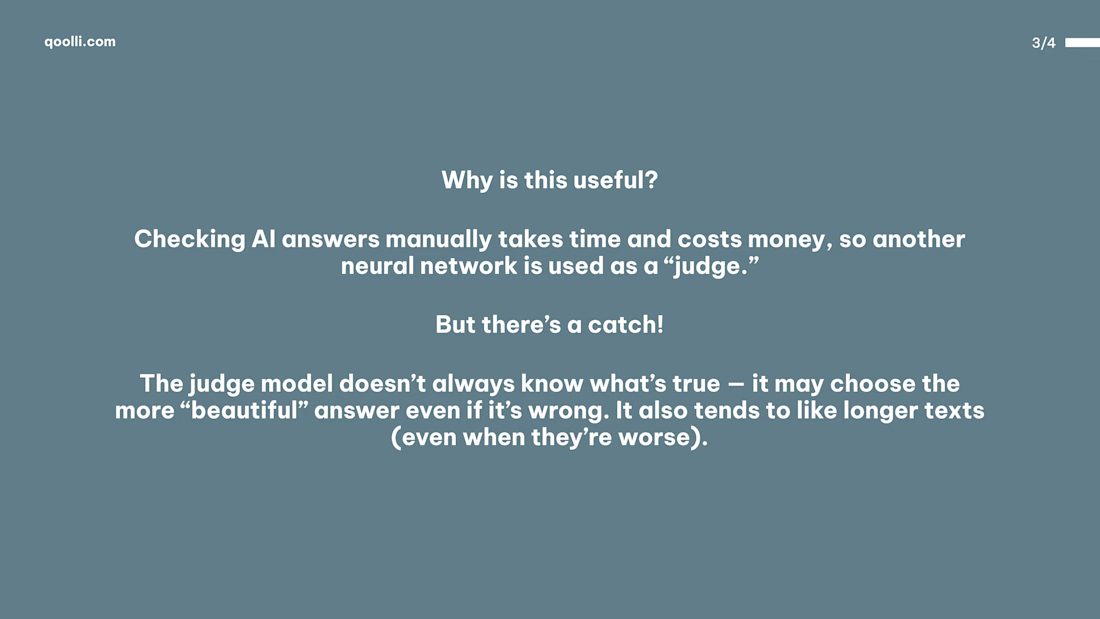
Why is this useful?
Checking AI answers manually takes time and costs money, so another neural network is used as a “judge.”
But there’s a catch!
The judge model doesn’t always know what’s true — it may choose the more “beautiful” answer even if it’s wrong. It also tends to like longer texts (even when they’re worse).
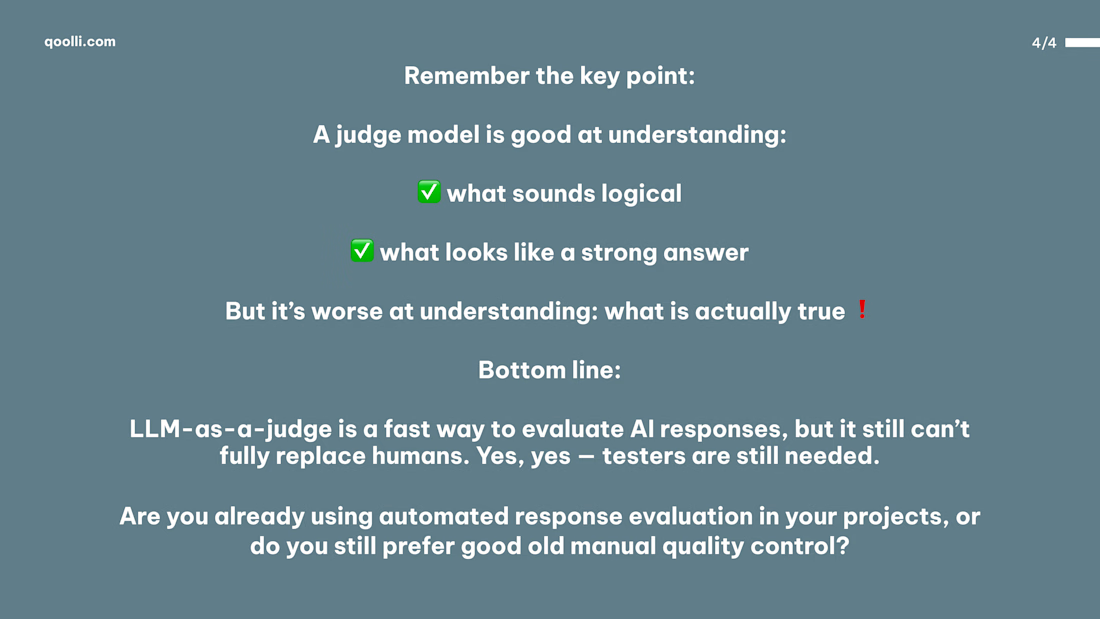
Remember the key point:
A judge model is good at understanding:
✅ what sounds logical
✅ what looks like a strong answer
But it’s worse at understanding: what is actually true ❗
Bottom line:
LLM-as-a-judge is a fast way to evaluate AI responses, but it still can’t fully replace humans. Yes, yes — testers are still needed.
Are you already using automated response evaluation in your projects, or do you still prefer good old manual quality control?
The network for creativity
Join 1.25M professional creatives like you
Connect with clients, get discovered, and run your business 100% commission-free
Creatives on Contra have earned over $150M and we are just getting started








Related posts

New case study: SYVO. Just ask, and Syvo gets it done.
An AI agent that finds, compares, books and sells for you, then waits for your yes. Answers come as cards, your agent deals with the seller agent, and a character with 18 moods shows what it is doing. We designed and built the brand, the character, the app and the agent platform.
syvo.si is live, in private pilot. Full case study: vstd.si/products/syvo
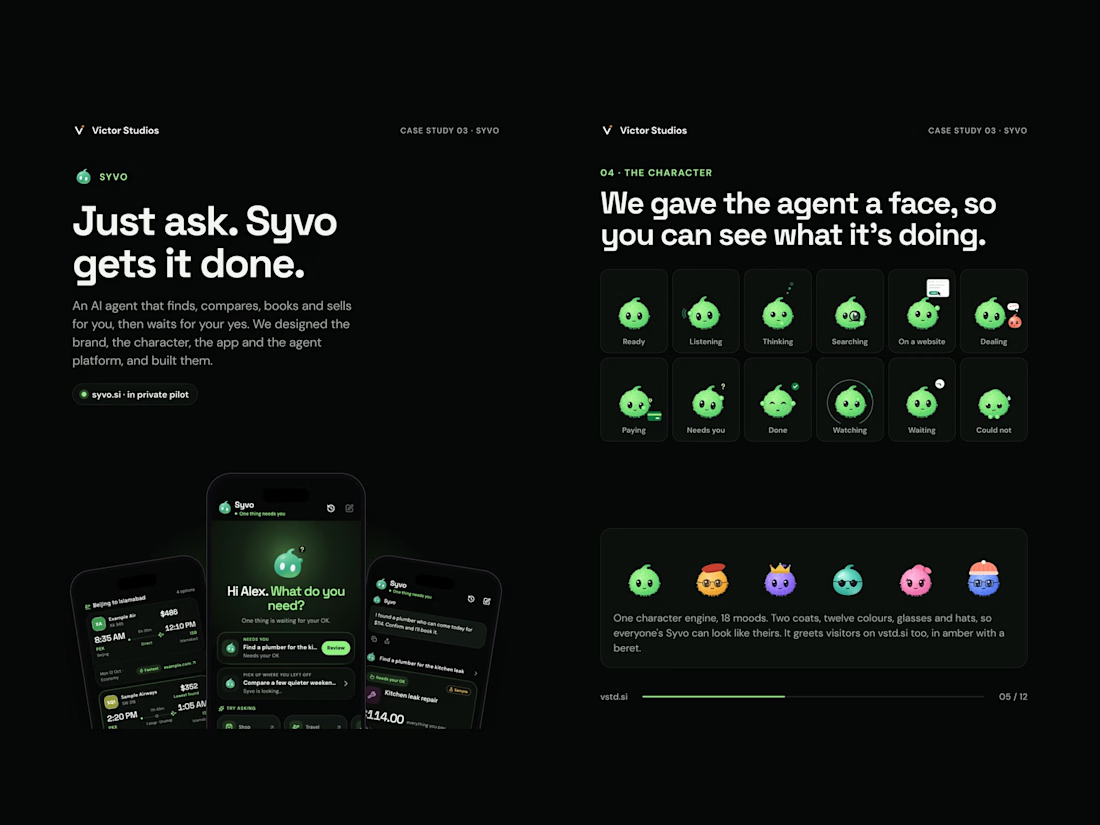
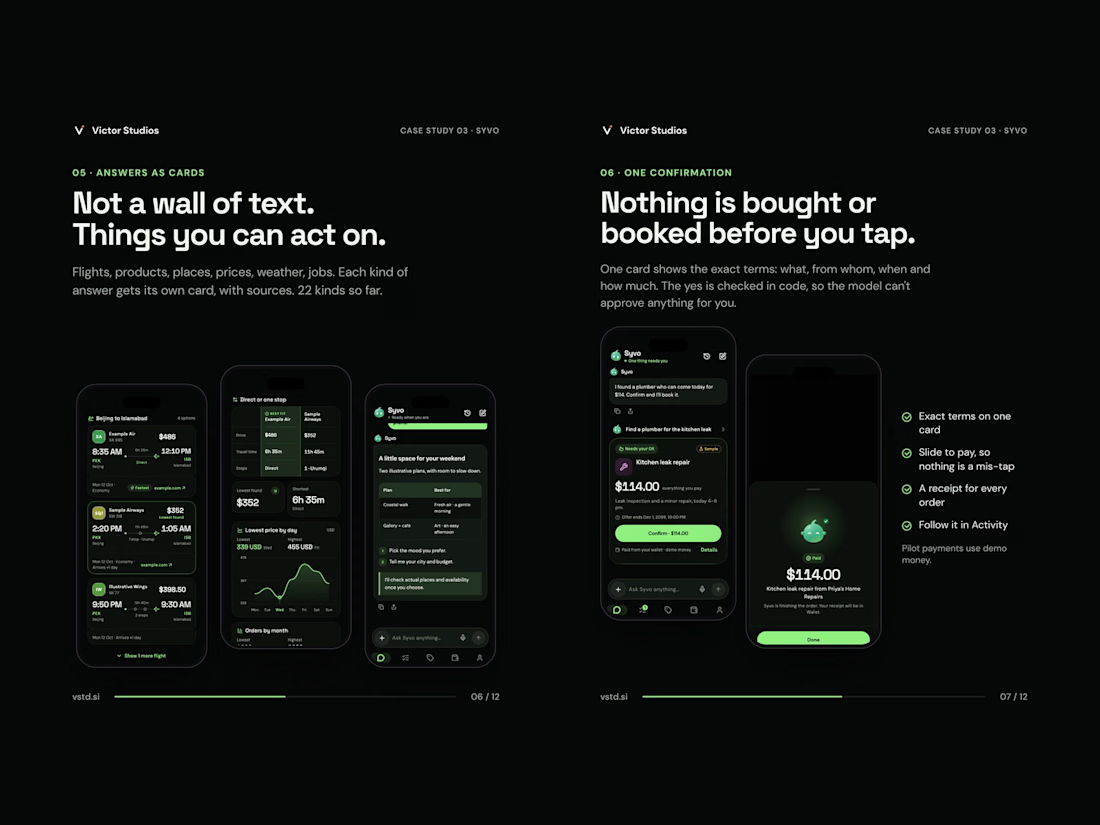
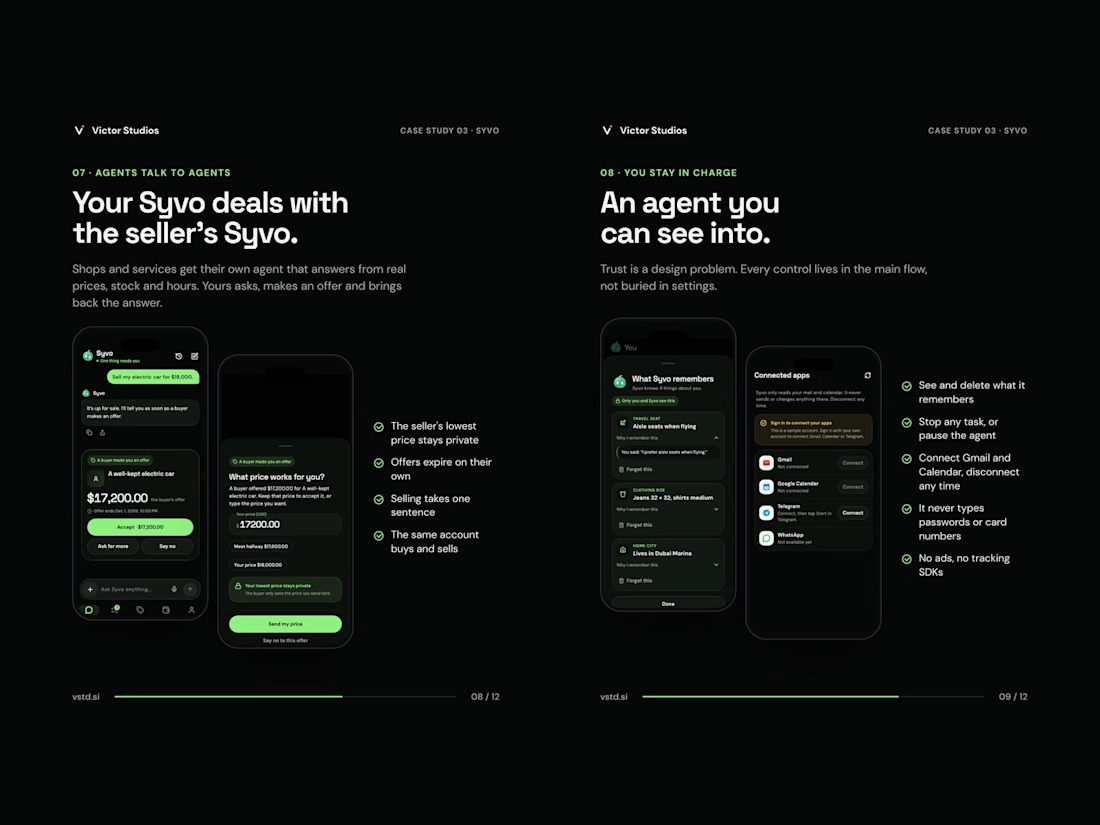
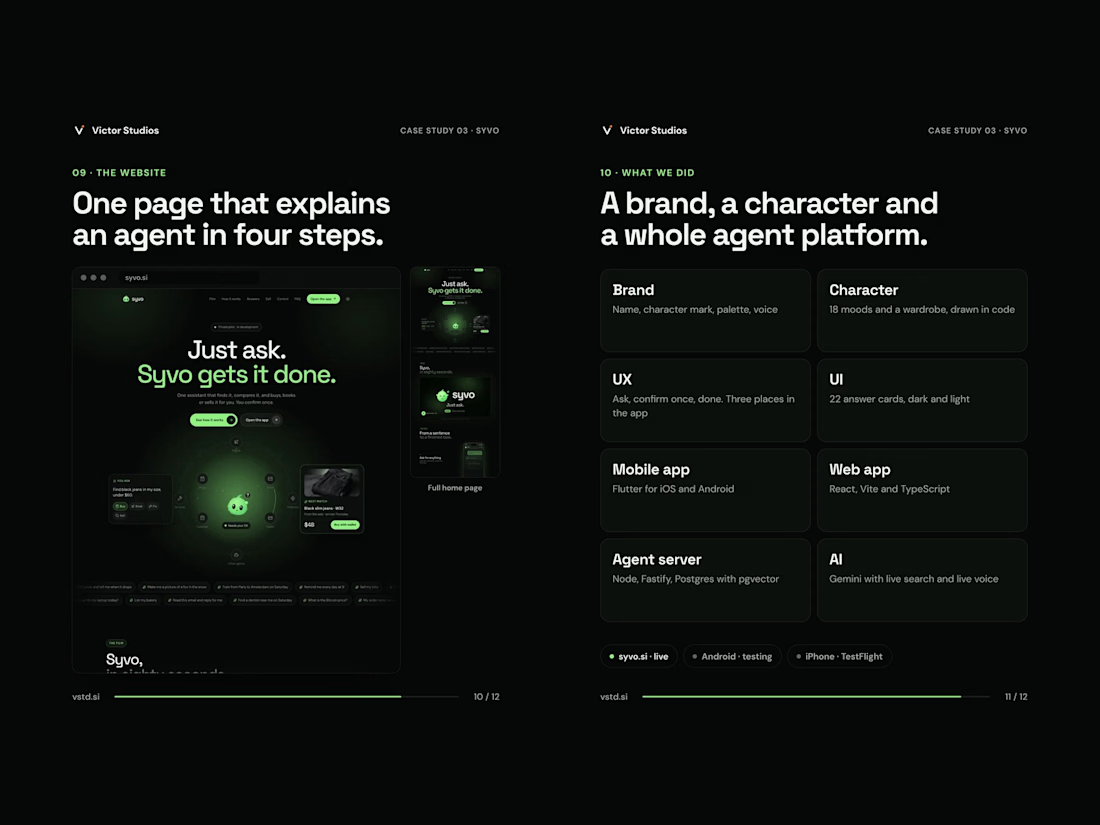

Giving the agent a face with 18 moods is such a smart trust move. Instead of a wall of text, you can see what it is doing, and that makes the whole autonomous concept feel human and approachable.

When commissioning AI training, I'd ask to see the exercise used to assess participants.
Suppose a participant uses AI to turn a project brief into a delivery plan. Ask them which assumption affects the deadline and what they chose to revise. Then move the requested delivery date forward. What could change, and what would the team have to agree before promising it?
In the discussion, I'd want to hear how the participant interpreted the model's answer and chose what to keep. The exercise is hypothetical and comes from my article on making a person's contribution visible in AI training.
I publish the article; AI assisted the article and this post.
https://topmoller.com/articles/who-passed-your-ai-training-assessment/?utm_source=contra&utm_medium=community&utm_campaign=ai-assessment-202610&utm_content=changed-deadline

topmoller.com
Who actually passed your AI training assessment?
When an agent can complete a course quiz, the completion report leaves a question about the participant. Examine what the assessment actually proves.

The best way to use AI isn’t asking it for answers. It’s giving it your worst, most repetitive work.
Think about your week. What do you do over and over that needs no real judgment? Summarizing calls, reformatting data, drafting the same email with small changes, writing first-pass copy.
That’s where AI pays off the most. Not because it’s smarter than you, but because it never gets bored. ⚡
A simple test: if you could explain the task to an intern in 2 minutes, hand it to AI. If it needs your taste, context, or a hard call, keep it.
Use AI for the boring 70%, and spend your own energy on the 30% only you can do.