The network for creativity
Join 1.25M professional creatives like you
Connect with clients, get discovered, and run your business 100% commission-free
Creatives on Contra have earned over $150M and we are just getting started
Back to feedPost

Most AI products spend their first screen apologizing for the model.
Disclaimers. "Results may vary." A blank box that hands the user the entire job of figuring out what to type. Then the team wonder why activation is soft.
I design the opposite ; a first turn that does one thing and earns the second.
Three things that I keep coming back to:
*The first turn is the whole product*. If someone hits an error before they hit a real result, they don't come back to give you ae first turn; don't caption it.
*Show uncertainty before it costs trust*. A model that says "here's what I'm sure of, here's what I'd double-check" keeps its credibility through the answer that's wrong. One that's always confident spends trust it can't rebuild.
*Handoff is a feature, not a failure*, The moment the AI reaches its edge and hands off cleanly is where people decide whether to rely on it. Most products treat that moment as something to hide.
None of this shows up in your evals. It shows up in churn.
I made my 5-day audit that looks bookable pay and start, no call required: https://contra.com/yjCLqh6r/p/yjCLqh6r-ux-audit-critical-flow
Happy to disagree in the replies.
The network for creativity
Join 1.25M professional creatives like you
Connect with clients, get discovered, and run your business 100% commission-free
Creatives on Contra have earned over $150M and we are just getting started



Related posts

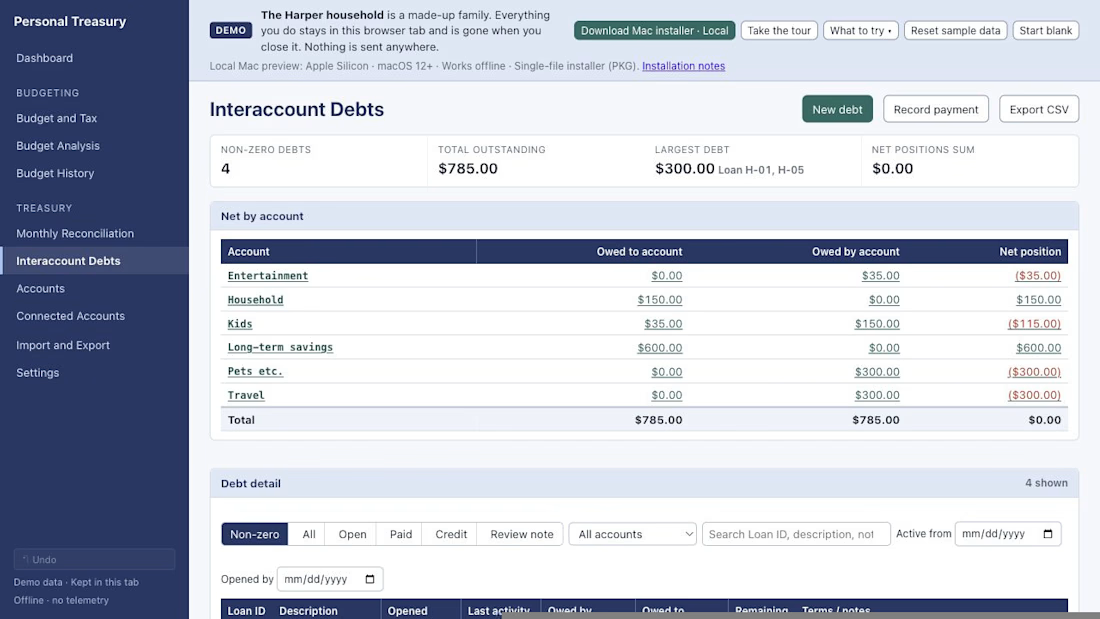
One useful way to review an app: imagine the user’s first mistake.
In Personal Treasury, persistent treasury edits have undo, and history views help explain where figures came from. Those are part of making a detailed process manageable.
For your next review, follow an accidental edit through to recovery. Check that the person can find the correction and understand what it changed.

Good reminder to test undo.

The fix for an agent that keeps getting your design system wrong isn't a better prompt.
It's putting the rules where the agent reads them.
In the repo. In skills. In checks it can run itself.
Writing a course about exactly this.

What sells it for me is the refusal telling the agent exactly where the token should go. A bare "no hex" error usually just sends it looping. Does guard.mjs run only as an agent hook, or in pre-commit too so it catches humans as well?

Testing two color directions for Pilotly, an AI agent platform for product teams.
Which direction would you pick for an AI automation product?


3 voted
100%
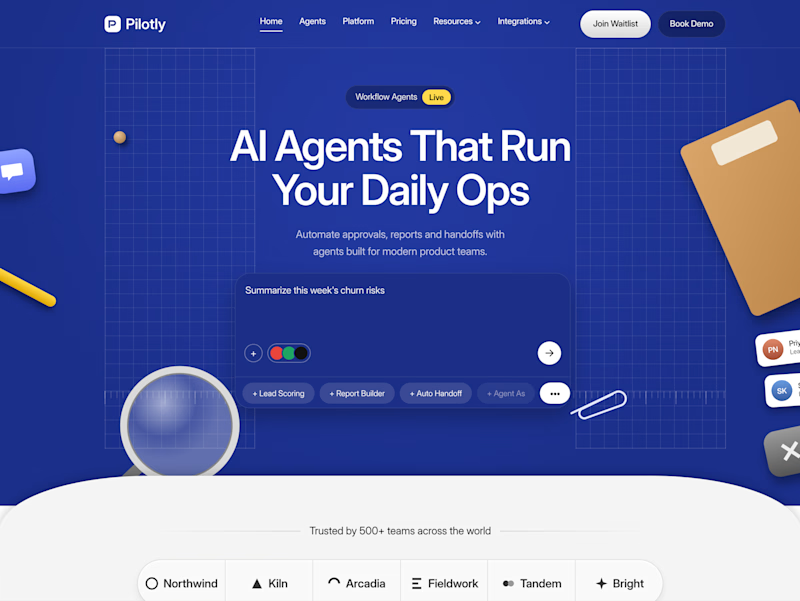
0 voted
0%
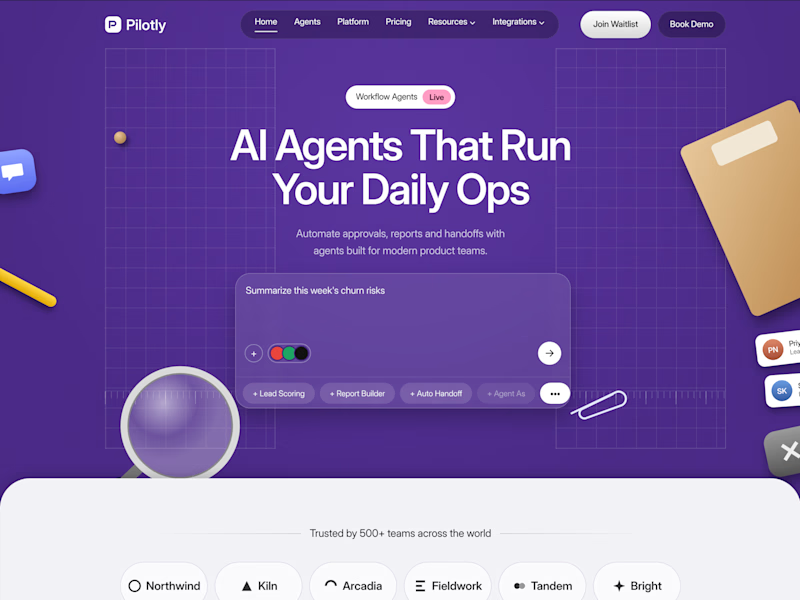
3 votes
Closed