The network for creativity
Join 1.25M professional creatives like you
Connect with clients, get discovered, and run your business 100% commission-free
Creatives on Contra have earned over $150M and we are just getting started
Back to feedPost

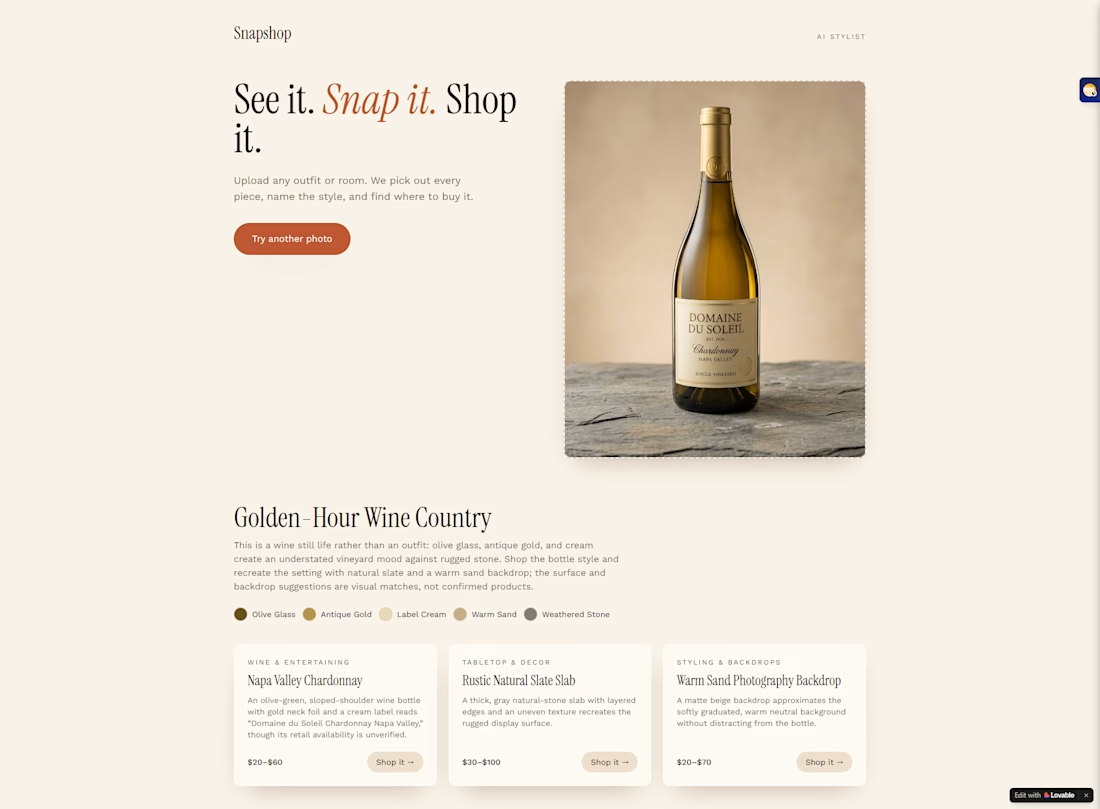
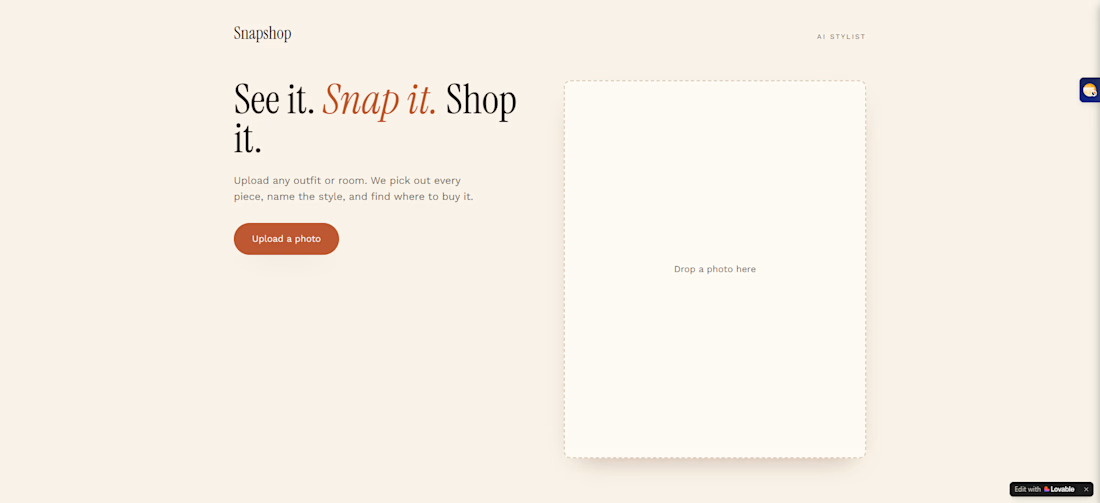
Quick question: if you could upload any photo and find similar products to shop for, what would you use it for first?

The network for creativity
Join 1.25M professional creatives like you
Connect with clients, get discovered, and run your business 100% commission-free
Creatives on Contra have earned over $150M and we are just getting started



Related posts

Kajabi Website Design for Online Coaches & Courses
Designed a Kajabi website concept for online coaches and course creators who need a clear, professional way to present their programs and learning offers.
The website focuses on presenting course information, highlighting program benefits, and guiding visitors toward enrollment or the next step. The layout combines clear content structure, engaging sections, responsive design, and strategically placed calls to action to create a smooth experience across desktop and mobile.
The goal is to help coaches communicate the value of their programs and give prospective students a clear path from discovering the offer to taking action.
#Kajabi #KajabiWebsiteDesign #WebsiteDesign #OnlineCourse #CourseCreator #OnlineCoaching #CoachingWebsite #CourseWebsite #LandingPageDesign #SalesPageDesign #WebDevelopment #Elearning

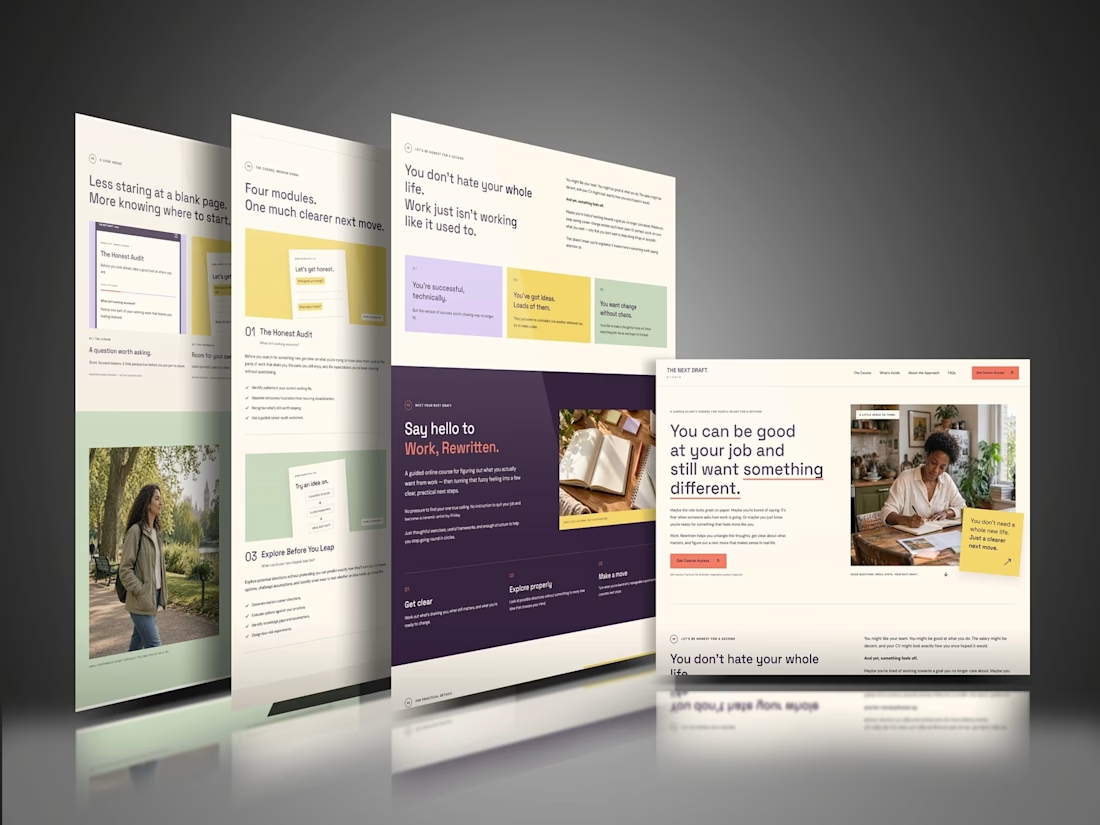

The “Four modules. One much clearer next move.” line makes the course feel manageable before someone gets into the details. That’s a useful choice for coaches whose offers can otherwise feel overwhelming. For this concept, would the main CTA go straight to enrollment, or let visitors preview a lesson first?

MOTIF — From Words to Pixels to Code
What if you could see your dream website before writing a single line of code, then turn that vision into something real?
That's why I built Motif, an AI-powered visual design and website creation studio, built on Base44.
We turn words into pixels. Then we turn those pixels into real HTML and CSS.
Most AI website builders take a prompt and immediately generate a website. You get what the AI decides, and often spend ages prompting, regenerating and fighting to get something that resembles what you originally imagined.
I wanted to change that.
Motif puts visual creativity before code.
You start by describing your idea in plain English. Motif explores different visual directions, generating concepts that let you actually see what's possible before committing to a design.
Once you find something you love, Motif transforms that approved visual into a real, responsive website built with HTML and CSS. Not a flattened image pretending to be a website, but actual editable elements.
And that's where Motif becomes more than an AI generator.
Inside the visual studio, you can select elements, change typography, colours, spacing, imagery and layouts, preview desktop and mobile versions, and refine the design without starting over.
One of my favourite features is Shuffle, which can dramatically reimagine a design's composition and styling, allowing you to explore new creative possibilities without writing another lengthy prompt.
I also wanted people to understand what Motif could do before signing up or waiting for AI generation. So I built a product-focused homepage featuring real application footage, an explainer video and editable sample projects visitors can explore.
Why I built it
I've spent years working across software development, 3D design and interactive experiences, and I've always been fascinated by the gap between having a creative vision and actually bringing it to life.
AI has made building software more accessible, but great design still requires exploration, experimentation and creative control.
I believe AI should expand your imagination, not replace your creativity.
Motif is my attempt to bring those worlds together: the freedom of visual design, the intelligence of AI and the flexibility of real web development.
It's designed for entrepreneurs, developers, designers and anyone who's ever had a great idea but struggled to make it look the way they imagined.
Built with Base44, Motif demonstrates how far a creative application can go beyond traditional no-code tools.
Motif isn't about generating another template. It's about making something unmistakably yours.
Imagine it. Shape it. Make it real.
#Base44Challenge


Great idea, great output Mellis - goated

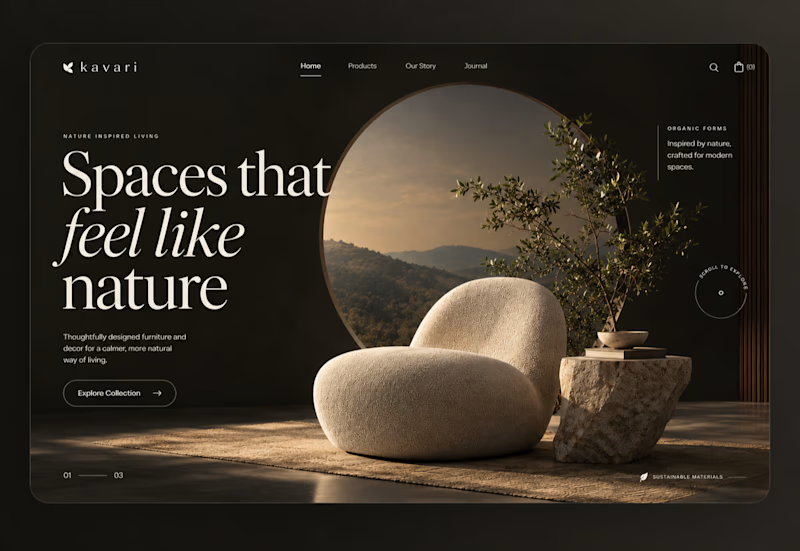
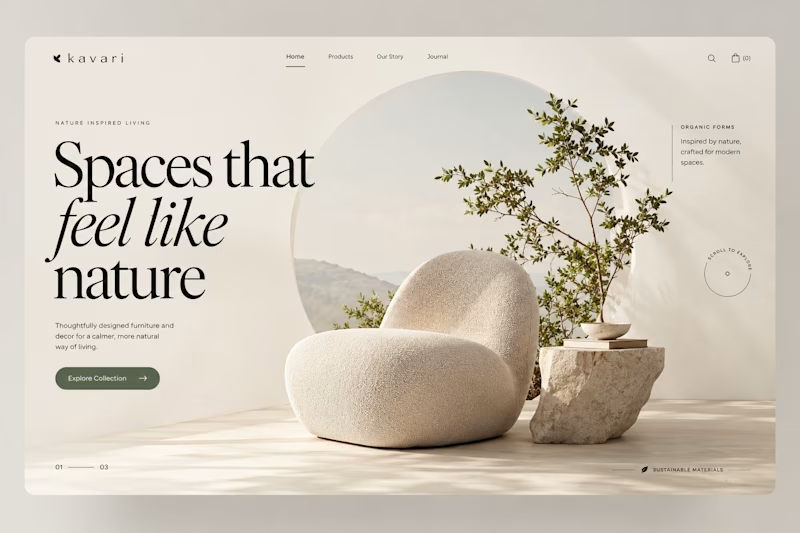
Spaces that feel like nature.
I kept coming back to one question on this concept: does a furniture brand feel more premium in low light or in daylight? So I built both.
The warm version sells atmosphere. The light version sells the product. Both use the same type scale and the same circular motif holding a landscape behind the piece.
Still undecided. Which would you ship?

6 voted
50%
6 voted
50%
12 votes
Closed

Daylight