The network for creativity
Join 1.25M professional creatives like you
Connect with clients, get discovered, and run your business 100% commission-free
Creatives on Contra have earned over $150M and we are just getting started
Back to feedPost

What AI features we most often add to Retool apps
Most AI features inside internal tools are not flashy. They solve small operational problems that teams deal with every day. The features we add most often are:
Classification: Automatically tagging tickets, requests, or records
Summaries: Turning long histories into quick operational context
Suggestions: Recommended replies, actions, or next steps inside workflows
Anomaly detection: Highlighting unusual activity before it becomes a larger issue
These features usually work quietly in the background, but they significantly reduce manual work and decision fatigue
Small AI features often create the biggest impact


The network for creativity
Join 1.25M professional creatives like you
Connect with clients, get discovered, and run your business 100% commission-free
Creatives on Contra have earned over $150M and we are just getting started
Related posts

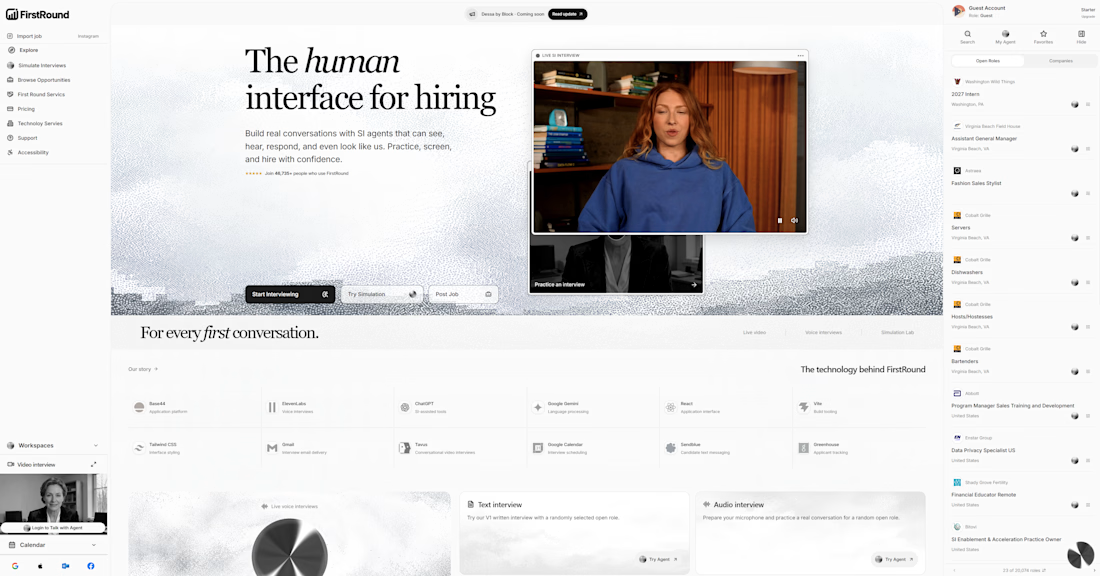
FirstRound AI is a full-stack, AI-powered hiring and career development platform connecting employers and job seekers through intelligent automation.
Built with Base44, React, ElevenLabs, Tavus, and LLM integrations, it offers AI voice and video interviews, job discovery, candidate assessments, workforce training, and career simulations.
The platform unifies recruitment, applicant management, employer intelligence, and professional development into one scalable ecosystem.



the app is nice but i think there are some features that are needed to be completed or added


Feels like a lot of companies are trying their luck with AI instead of hiring designers right now.
I think it's going to backfire on them in a few months.
Trying to stay optimistic about it.

I can't wait for them to start hiring designers again. No matter how good AIs are, Human Intelligence will always supercede it.

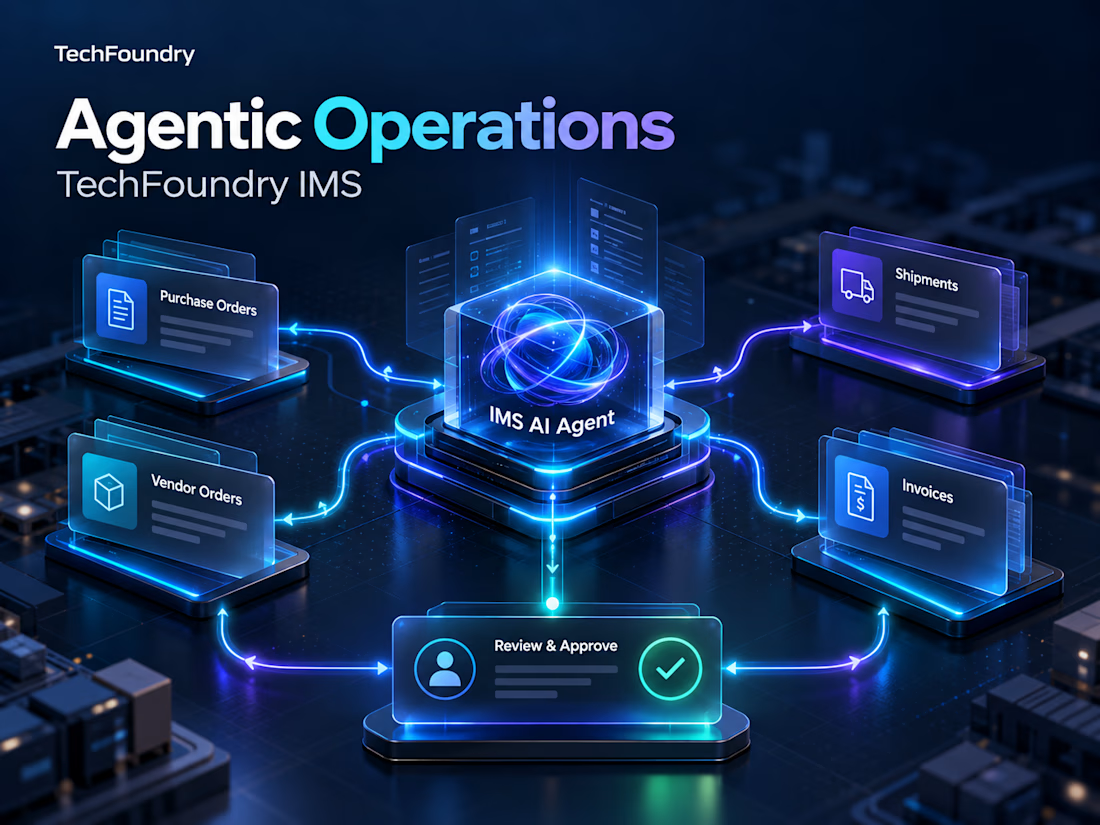
What does practical, agentic AI look like in a real business workflow?
Our new TechFoundry IMS case study walks through seven demos—from purchase-order intake and catalog conflict resolution to vendor orders, shipments, client shipping, and invoice reconciliation.
It shows how AI agents, document processing, and software integrations work together, with human review where judgment matters. I’ve also included the technology stack behind the platform.
Explore the case study:
https://contra.com/p/oWU3ssF3-tech-foundry-ims-ai-procurement-and-fulfillment-in-seven-demos
Building an agentic AI solution? Book a free initial consultation with me on Contra. We’d love to work with you.
#PracticalAI #AgenticAI #Automation #SoftwareDevelopment

Purchase-order intake and catalog conflict resolution feel like the right place to start with agents, since the pain is concrete. How do you handle the cases where the agent is unsure and a human has to step in?