The network for creativity
Join 1.25M professional creatives like you
Connect with clients, get discovered, and run your business 100% commission-free
Creatives on Contra have earned over $150M and we are just getting started
Back to feedPost

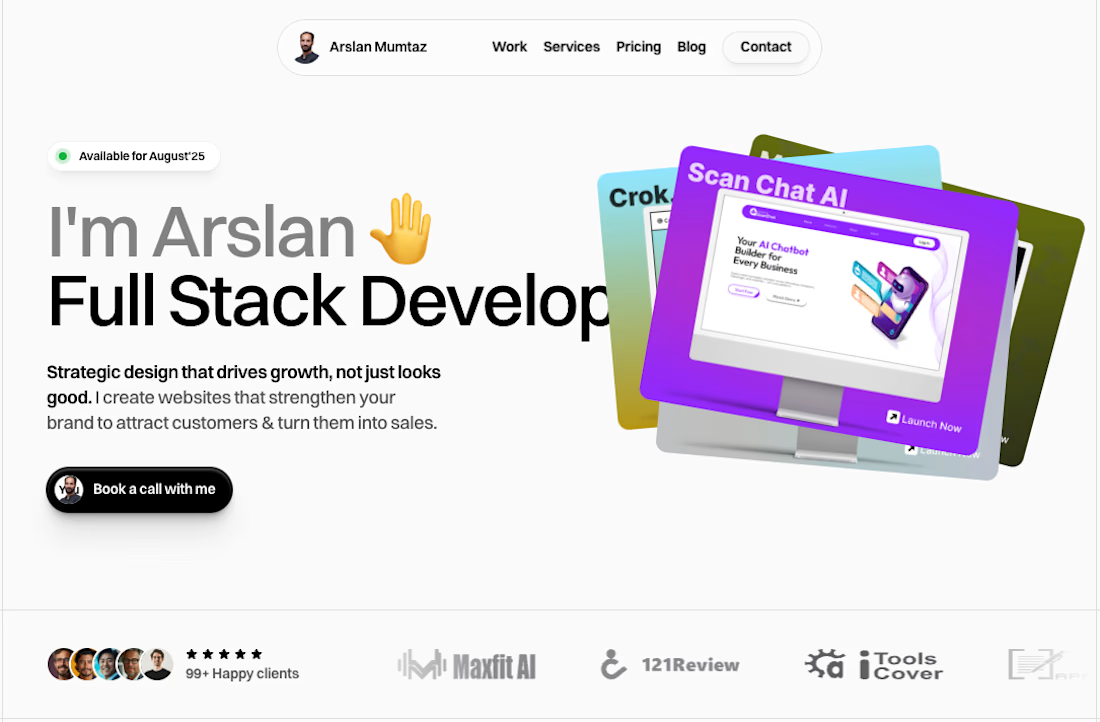
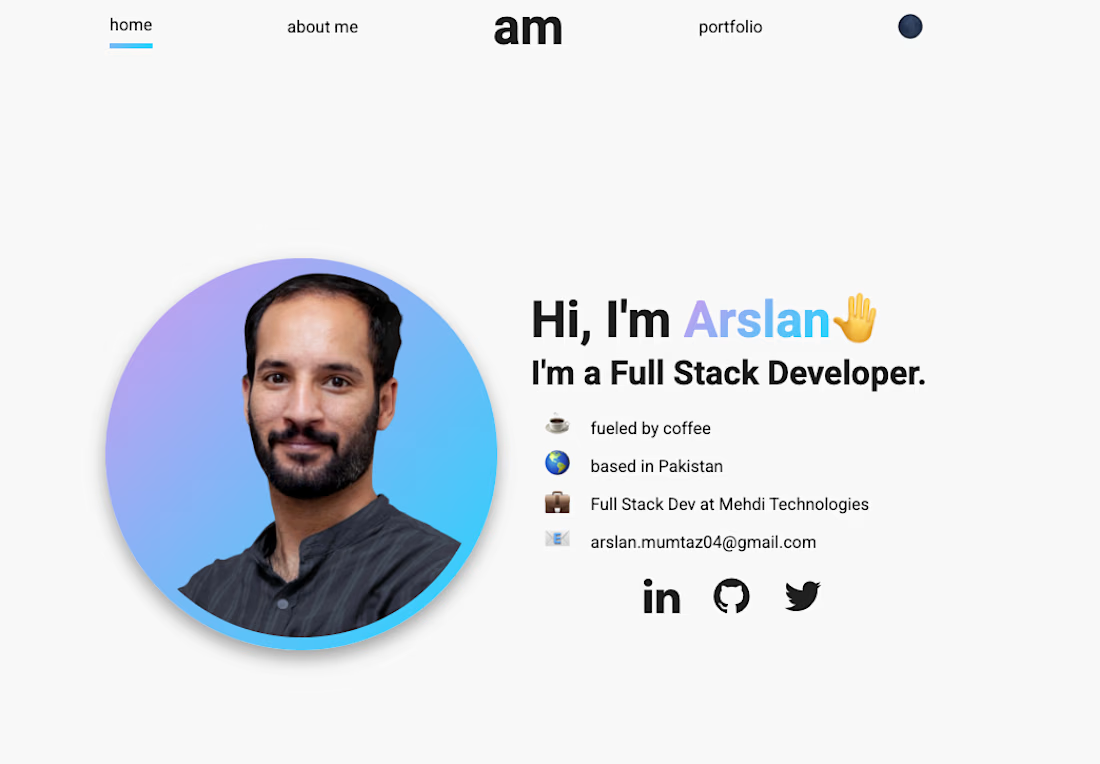
I recently moved my personal portfolio from React.js + Vercel to @Framer, and it has been one of the best decisions I've made for my website.
Previous portfolio:
https://arslan-portfolio-lilac.vercel.app/
New portfolio Framer :
https://arslan-mumtaz.framer.website/
I originally built my portfolio with React.js, giving me complete control over every component. It worked well, but every design update or content change required going back into the code.
With Framer, I still have the flexibility to build custom components when I need them, but everyday editing is much faster and more intuitive. The growing community of ready-made components also saves a lot of development time without sacrificing customization.
Some of the biggest improvements I've noticed:
• Faster content and design updates without touching code
• Better SEO and built-in performance optimizations
• Smooth animations and interactions out of the box
• Responsive design that's easy to fine-tune
• A huge library of community components that speed up development
• Full freedom to customize components exactly how I want
As a developer, I still enjoy building with React, but for a personal portfolio where I want to iterate quickly, Framer provides a much smoother workflow.
The result is a faster, cleaner, and easier-to-maintain portfolio that lets me focus more on showcasing my work instead of maintaining the codebase.
Curious to hear from others who've made the switch what's been your experience with Framer?



Welcome to Contra
The network for creativity
Join 1.25M professional creatives like you
Connect with clients, get discovered, and run your business 100% commission-free
Creatives on Contra have earned over $150M and we are just getting started



Related posts


Here’s a little piece from my current project. As I watch the Swiss design concept become a part of my creative DNA, I find myself constantly gravitating towards this direction in web design.
What’s really interesting is that Volume 3 studio and I are experimenting here, mixing things that seem completely unmixable at first glance.
Since Volume 3 is a CGI and VFX studio, it was crucial to incorporate a 3D dimension into their brand communication. On top of that, a Terminal UI is exactly what keeps that technical vibe going.
So, the final mix is International (Swiss) style, a Terminal UI, and a 3D feel brought to life by neumorphism. Crazy, right???
It looks simple and clean, but behind the scenes, there’s a massive amount of work on the details. We focused on all those little things that push the UX/UI into the premium segment — the things you don't necessarily see right away, but you definitely feel when you're on the page.
The work is still ongoing, so I can't dive into reflecting on the whole process just yet, but I'm gonna keep revealing small parts here.


Swiss grids on the web never get old when they're this clean. What are you and Volume 3 mixing it with?

Noise Reveal, a premium reveal component for Framer
I built a component that gives Framer sites cinematic reveals for images, video and live layouts. It has a soft, film-like edge with glow and grain, and can play on load, on view, from a variant or scrubbed by scroll.
It’s built for production: the reveal is prepared before it scrolls in, it’s accessible with reduced-motion support, it falls back when WebGL isn’t available, and pages stay plain HTML when nothing is moving.
Launched on the Framer Marketplace. Open to custom Framer and interaction work.

The WebGL fallback and reduced-motion support are the parts most reveal effects skip, so it's great to see them called out. Does the fallback keep some of the grain edge with CSS, or does it drop to a simple fade?

Built a [niche] Framer template and I'm giving it away.
Free to remix, free to use in real projects.
Try it: https://framer.link/nwnOyEA
