The network for creativity
Join 1.25M professional creatives like you
Connect with clients, get discovered, and run your business 100% commission-free
Creatives on Contra have earned over $150M and we are just getting started
Back to feedPost

10 Interesting Facts About Human Behavior
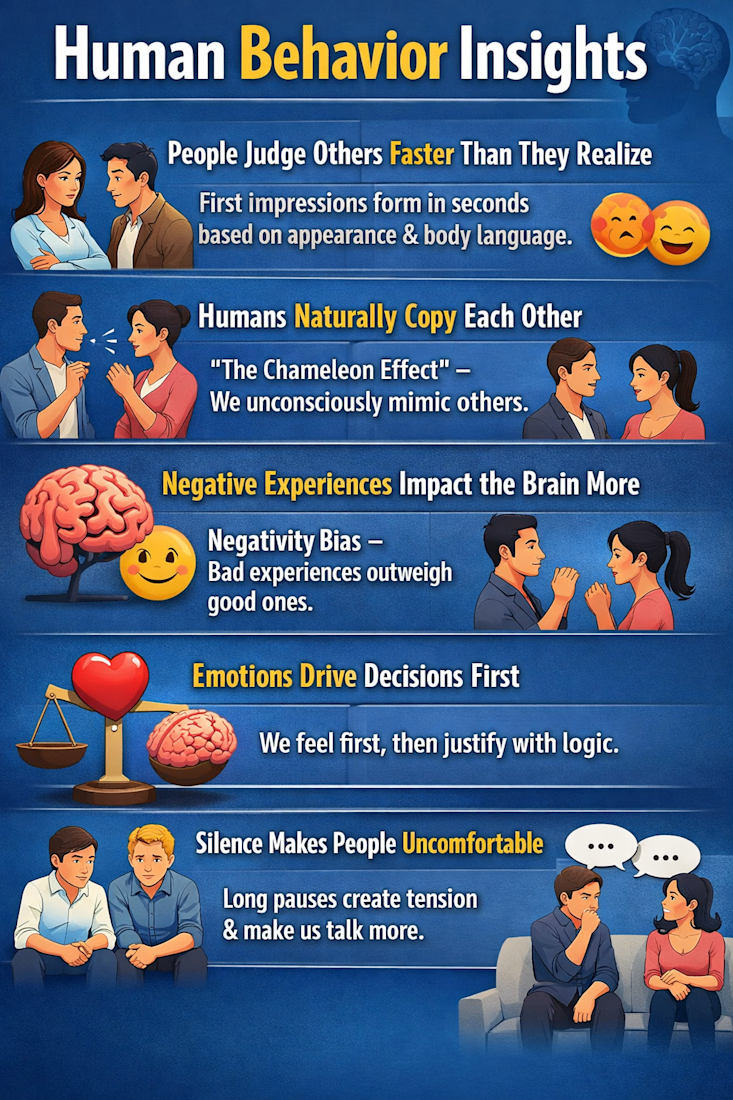
1. People Judge Others Faster Than They Realize
Research in psychology shows that humans form first impressions
within seconds. These judgments are often based on facial expressions, tone of
voice, posture, and appearance, even before a full conversation begins.
2. Humans Naturally Copy Each Other
This is called the “chameleon effect.” People unconsciously imitate
the body language, speaking style, and gestures of those around them. It helps
create trust and social connection.
3. Negative Experiences Affect the Brain More Strongly
Than Positive Ones
Psychologists call this the “negativity bias.” One criticism can
emotionally outweigh several compliments because the brain is wired to notice
threats more intensely than rewards.
4. Most Decisions Are Emotional First, Logical Second
People often believe they make decisions rationally, but neuroscience
suggests emotions usually influence decisions first. Logic often comes
afterward to justify the choice.
5. Silence Makes Many People Uncomfortable
In conversations, long pauses create psychological tension. Because
of this, people often reveal extra information simply to fill silence. Skilled
negotiators and interviewers use this strategically.
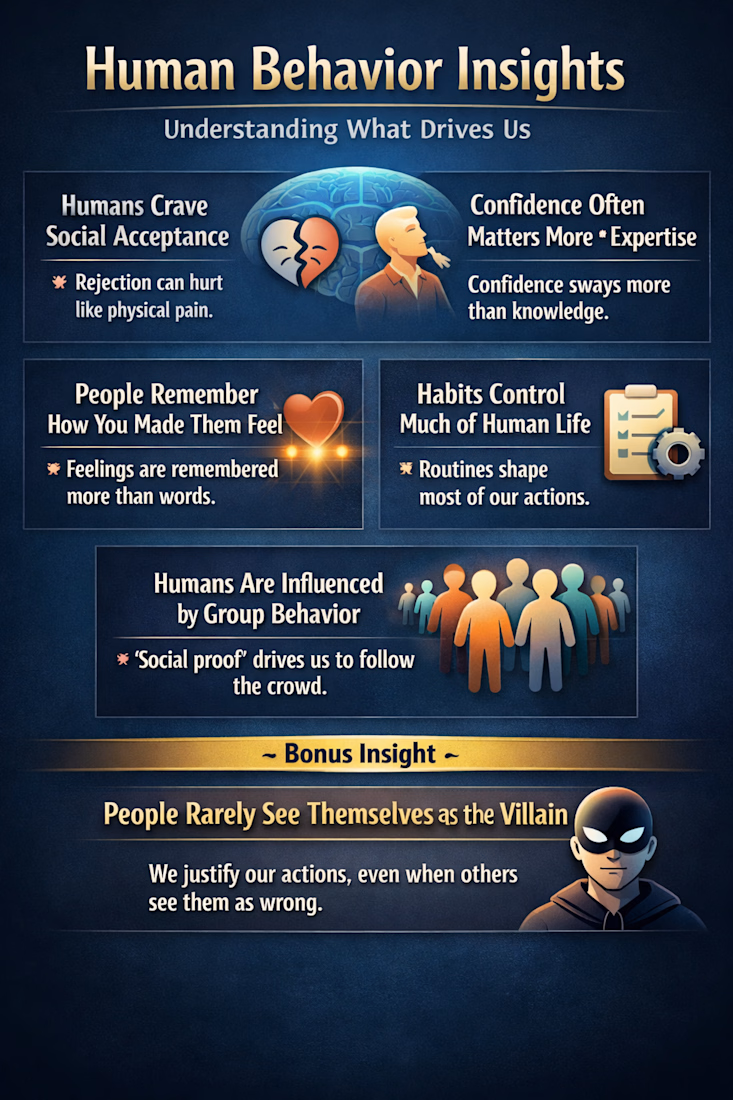
6. Humans Crave Social Acceptance
The brain reacts to social rejection in ways similar to physical
pain. This is why exclusion, humiliation, or public embarrassment can feel
deeply painful and emotionally exhausting.
7. Confidence Often Matters More Than Expertise
Studies in behavioral psychology show that people frequently trust
confident speakers more than knowledgeable but hesitant ones. Perception
strongly shapes influence.
8. People Remember How You Made Them Feel More Than What
You Said
Emotional memory tends to last longer than factual memory. A person
may forget your exact words but clearly remember whether they felt respected,
inspired, ignored, or valued.
9. Habits Control Much of Human Life
A large percentage of daily actions happen automatically through
habit loops. Once behaviors become routines, the brain uses less energy to
perform them.
10. Humans Are Highly Influenced by Group Behavior
This is called “social proof.” People often follow what others are
doing, especially during uncertainty. This explains trends, viral content,
crowd behavior, and even financial market panic.
Bonus Insight
One of the most fascinating truths about human behavior is this:
People rarely see themselves as the villain in their own story.
Most individuals justify their actions internally, even when others
see those actions negatively. Human beings are experts at self-rationalization.


The network for creativity
Join 1.25M professional creatives like you
Connect with clients, get discovered, and run your business 100% commission-free
Creatives on Contra have earned over $150M and we are just getting started





Related posts




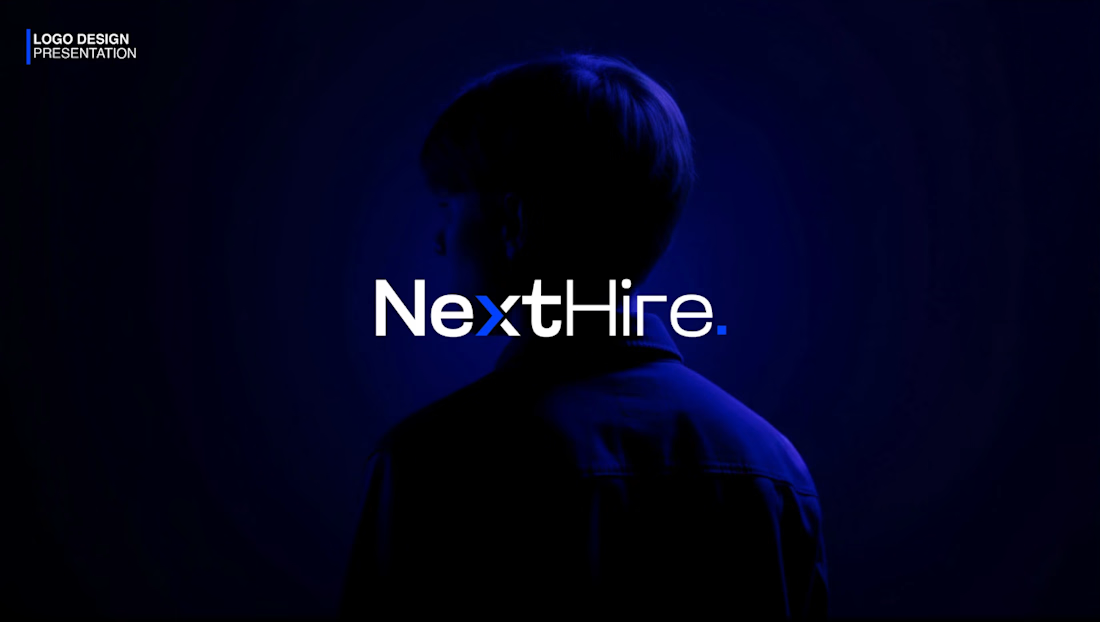
A look at the identity I created for NextHire, centered on one simple idea: moving forward.
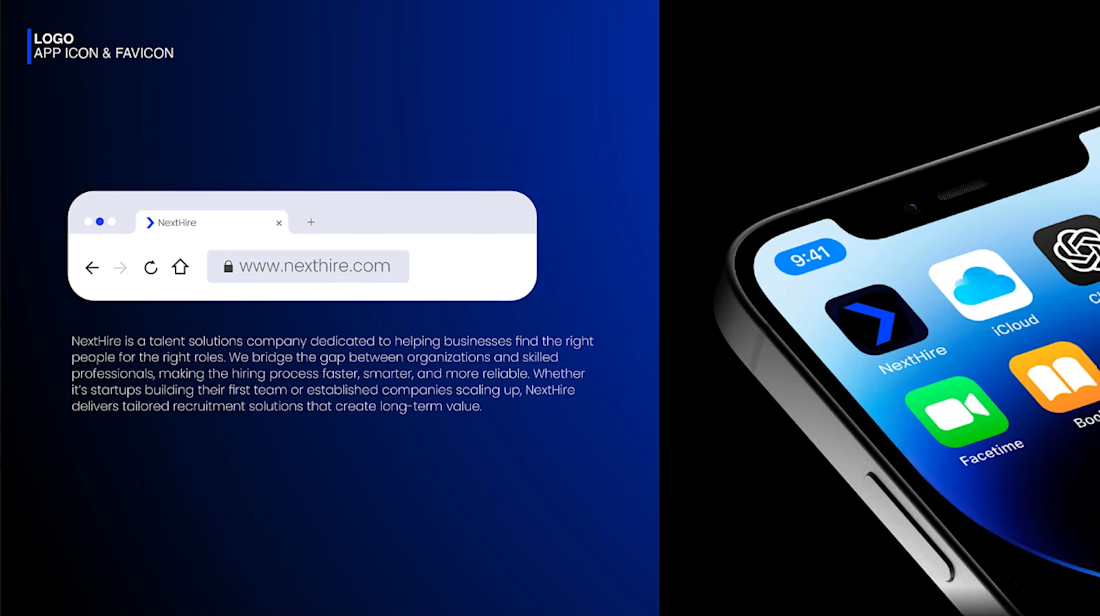
NextHire helps businesses find the right people and professionals find their next opportunity. I wanted the brand to feel confident but approachable, with a clear sense of direction.
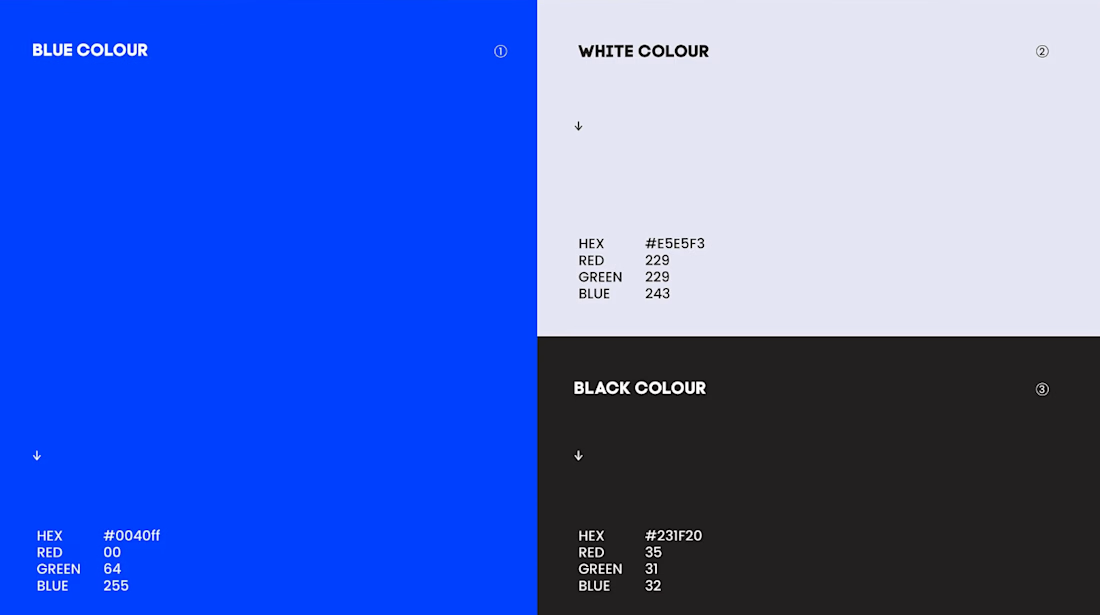
The blue arrow appears in the wordmark, then works on its own in smaller applications. It’s a small detail, but it gives the rest of the identity a clear foundation.