The network for creativity
Join 1.25M professional creatives like you
Connect with clients, get discovered, and run your business 100% commission-free
Creatives on Contra have earned over $150M and we are just getting started
Back to feedPost

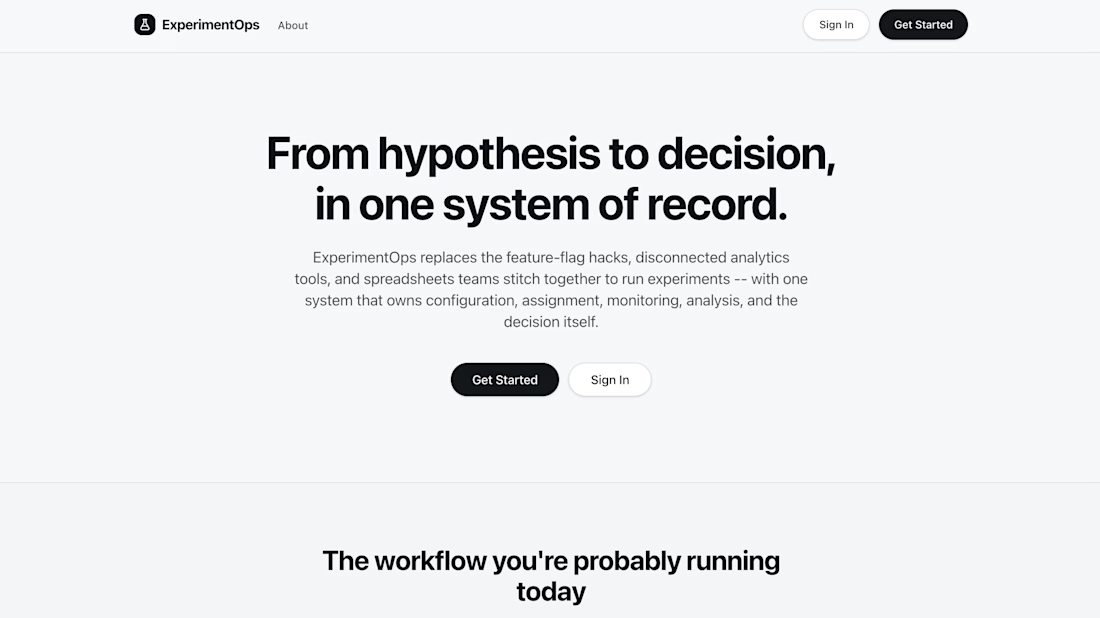
ExperimentOps brings experiment setup, monitoring, analysis, and decision documentation into one workspace for product and growth teams.
The platform connects the full workflow: define a hypothesis, configure variants and metrics, allocate traffic, monitor performance, analyze results, and document whether to ship, iterate, or stop.


The network for creativity
Join 1.25M professional creatives like you
Connect with clients, get discovered, and run your business 100% commission-free
Creatives on Contra have earned over $150M and we are just getting started



Related posts

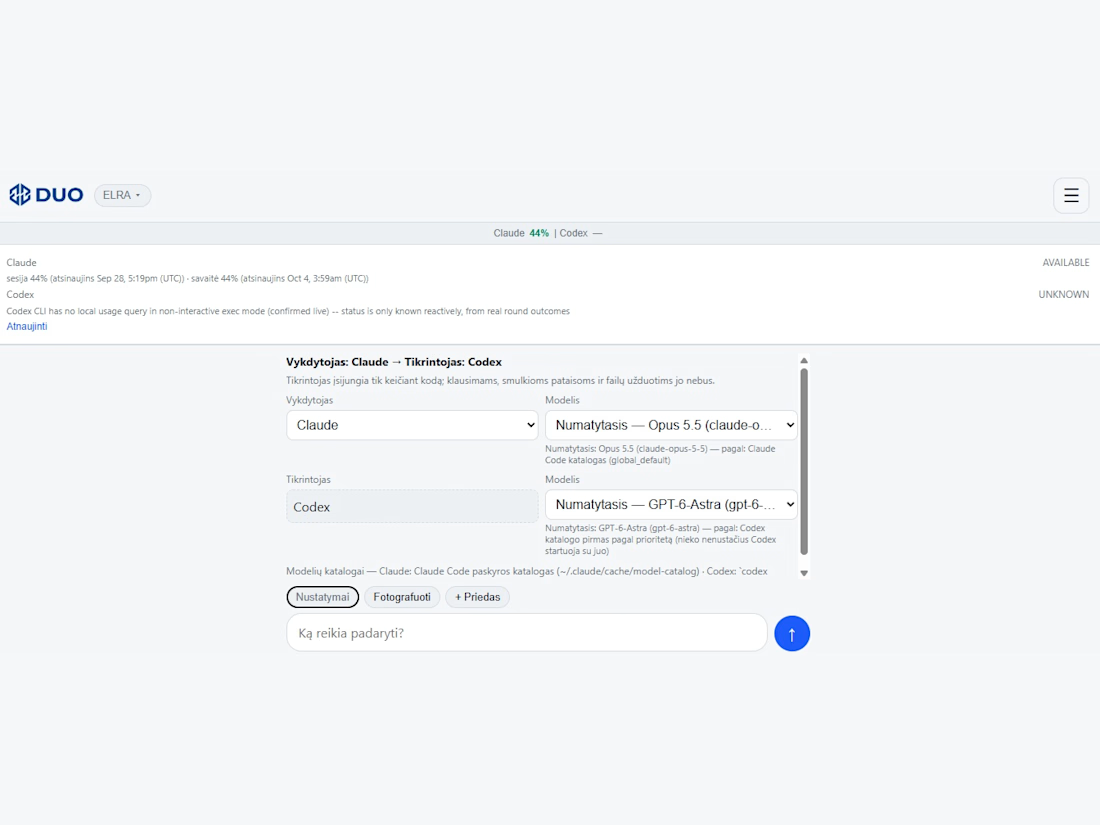
What I'm building right now: DUO, a functional prototype in active development.
It's a work and project management platform where AI agents take tasks in plain language, collaborate, and have their work checked by an independent agent. Projects keep memory across long sessions, tasks can be paused and resumed, and the owner approves what agents are allowed to do. Web UI plus an Android app.
Still in development, but it already shapes how I think about reliable AI automation.

Pause and resume is the part I'd want most. What happens when the checker agent rejects a task?

One Deploy.
Everyone. Live.
Netlify Server.
A little cinematic I made with Seedance 2.5 for Netlify, because every great product deserves an ad.

This is so clean! Making a server deploy feel like a launch is a tough brief. Did you plan the shots first, or find them as you generated?

The workflow I refuse to automate — and why that makes my AI builds better.
Problem: Every founder I meet wants to automate everything. But automating a judgment call doesn't save time — it scales bad decisions. The worst agents I've seen weren't underbuilt. They were trusted too far, too fast.
Build: Before I build, I run every workflow through three questions: Is it reversible? Does it look the same every time? What does a mistake cost? If a step fails any of them, it stays human — and the agent is built around it, with a clear handoff and an escalation rule.
Result: The automations I ship in my 5-day n8n x OpenAI sprints survive the first month, because the boundaries were decided on Day 1, not discovered in week 3. The runbook lists what the agent never touches, so the founder keeps control where it matters.
Offer: Tell me the one workflow you're unsure about automating. I'll tell you honestly whether it belongs in a sprint — and what should stay human.

The reversibility question does most of the work. In insurance, claims triage passes your test but the final payout decision doesn't, so the agent drafts and a person signs. Deciding that on day one saves a messy rollback later.