The network for creativity
Join 1.25M professional creatives like you
Connect with clients, get discovered, and run your business 100% commission-free
Creatives on Contra have earned over $150M and we are just getting started
Back to feedPost


Why are designers still building on Framer and Webflow? 🤔
I get it. Fast setup, visual editor, no-code appeal. Great for getting something live quickly.
But here is the thing nobody talks about.
If your client has editor access, they will use it. 🙈
I learned this the hard way.
Fixed price project on Framer. A client had editor access but wasn't supposed to touch anything until we wrapped.
Spoiler: he touched everything. 😅
Broken responsiveness. Broken components. Layout changes that made zero sense. All done with complete confidence by someone who had never designed anything in his life.
Because Framer lets you do that. That's literally the selling point.
And now it's my problem to fix. On a fixed price contract....
That's when I started asking myself a different question.
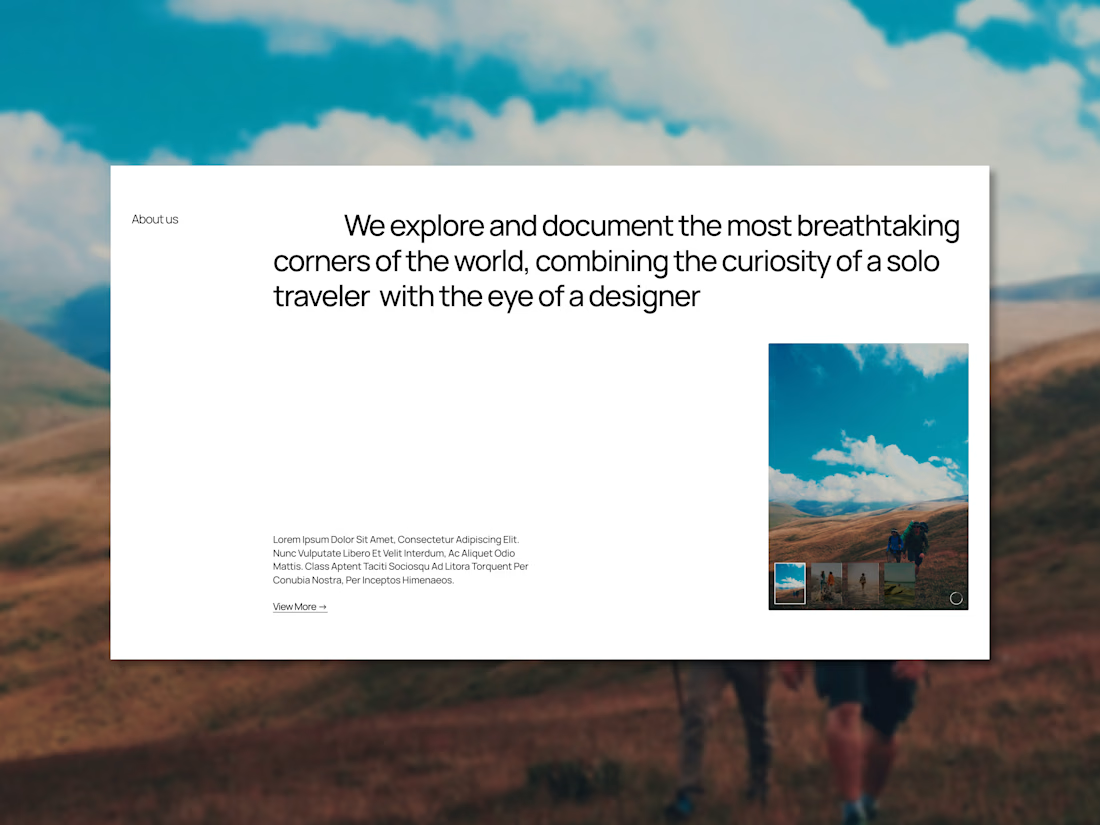
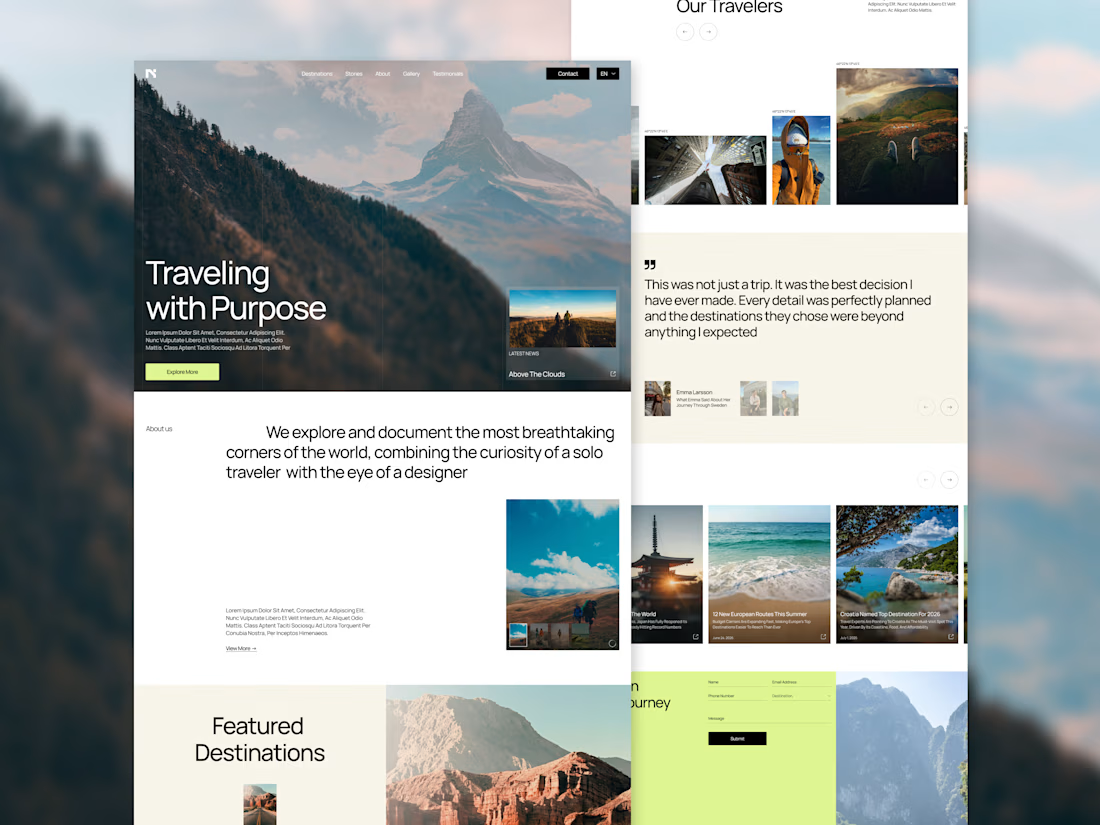
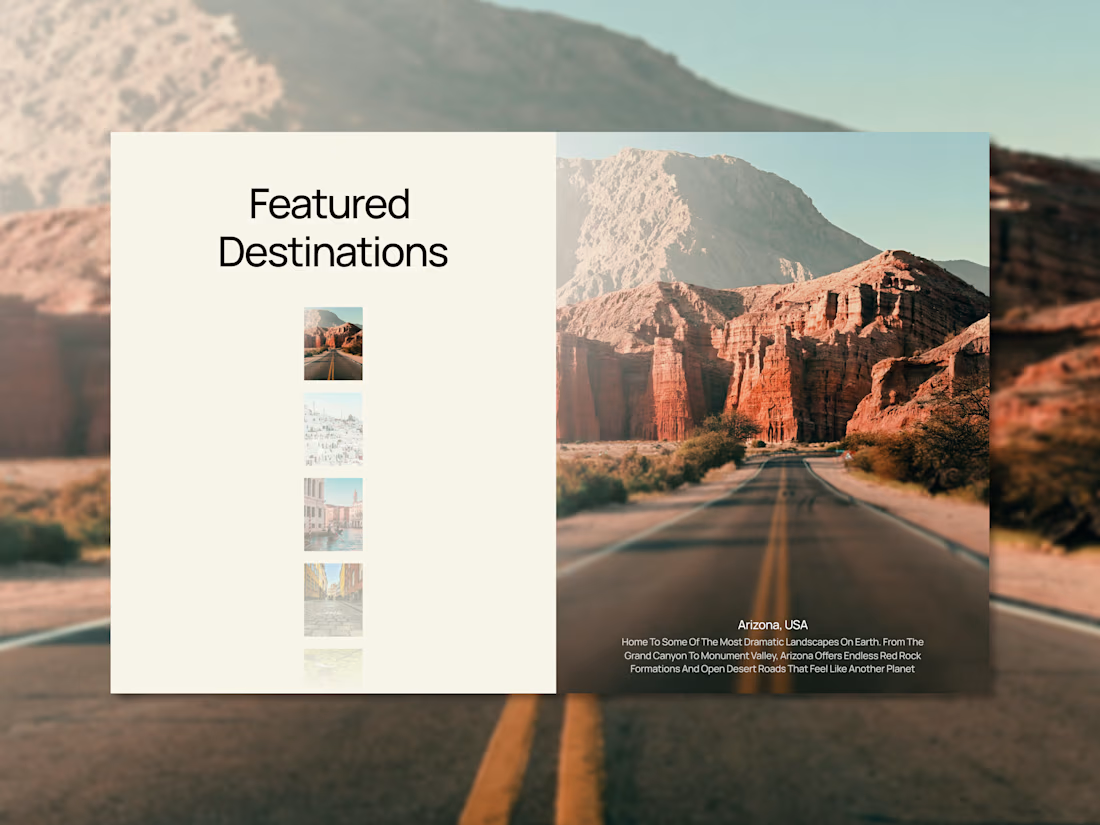
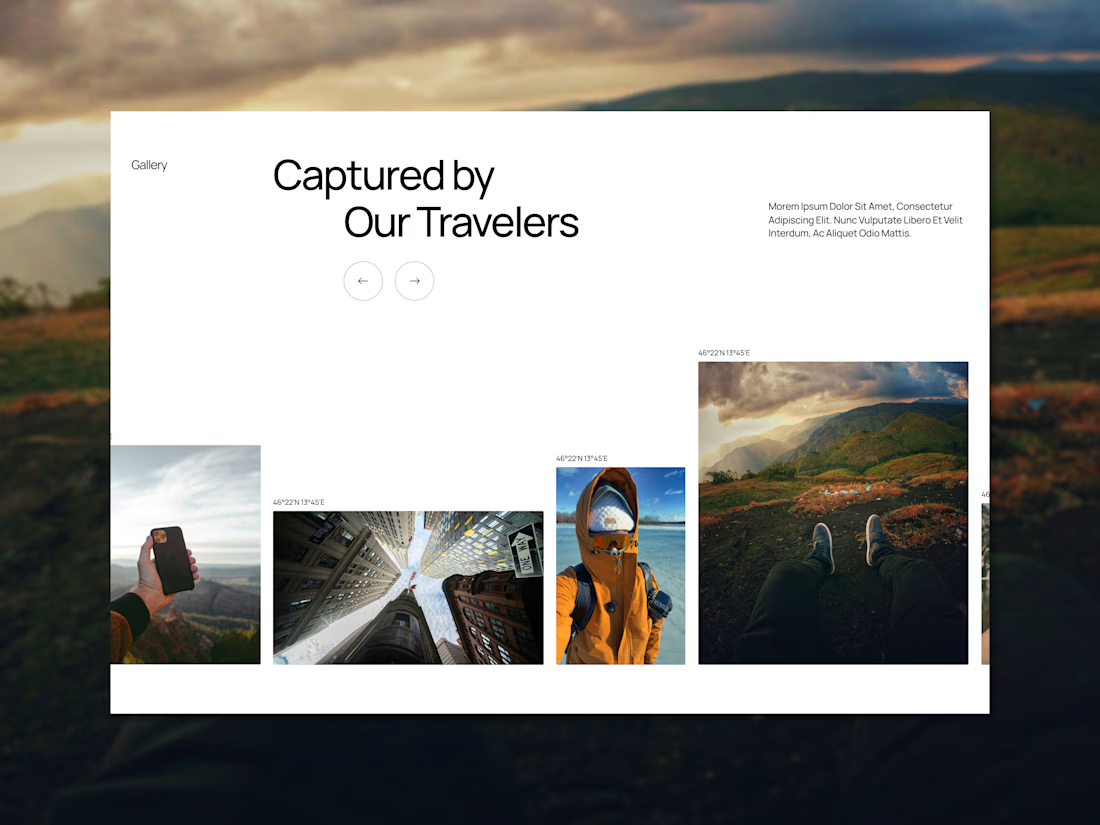
What if I just vibecooked the site in clean HTML, CSS, and a little JS instead? 💻
No visual editor for clients to break. No platform limitations. No bloated code under the hood.
Just a custom site connected to a third party CMS for content updates.
The result 👇
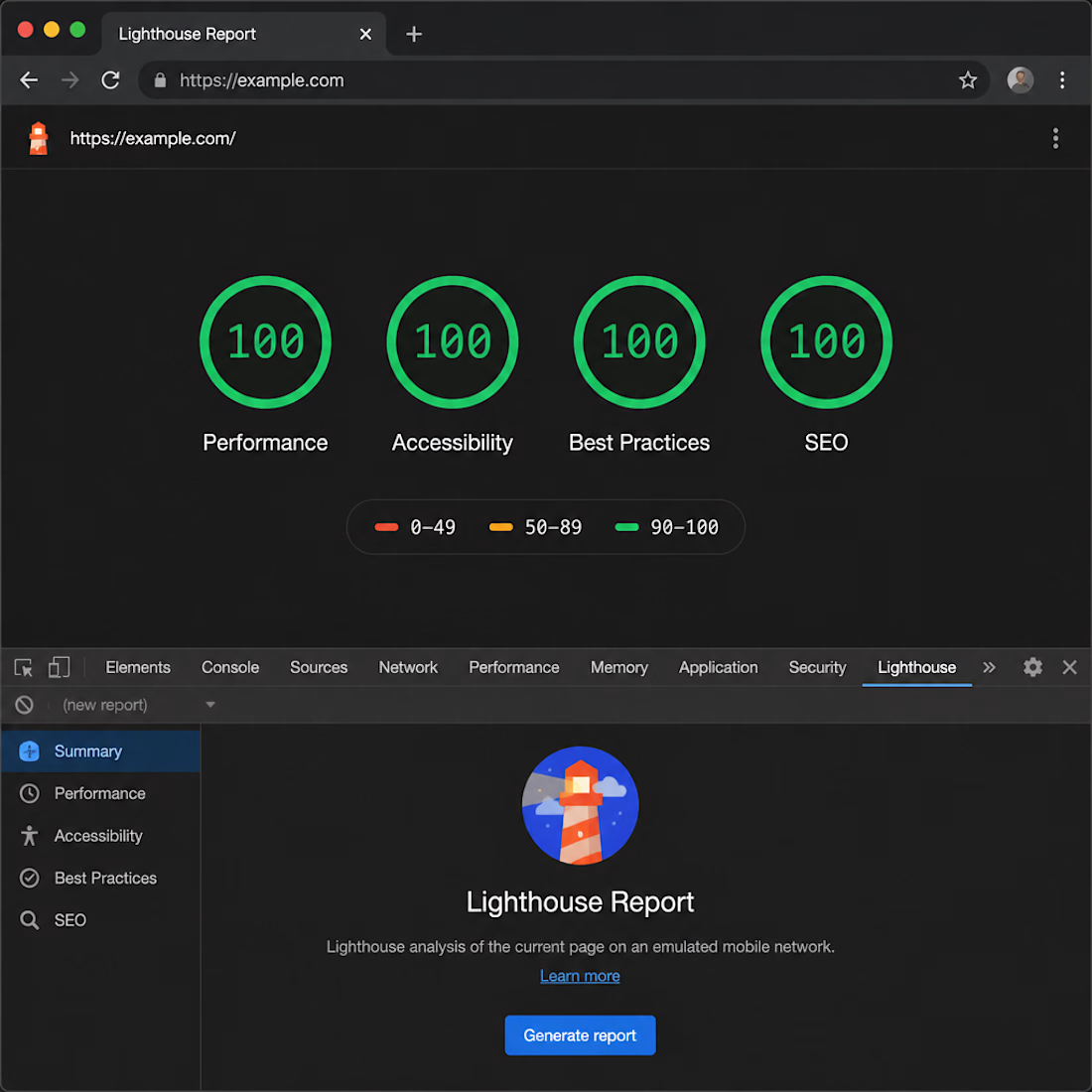
✅ 100% performance scores, no matter how complex the site
✅ Better SEO because you control every single detail manually
✅ Better GEO optimization, full control over structured data and metadata
✅ Zero chance the client breaks the layout by "just having a look"
The client still gets to update content. That's it. Nothing else to touch. 🔒
Framer and Webflow are great tools. I still use them for the right projects.
But if you are a designer who knows HTML and CSS, vibecooing a custom site and connecting it to a headless CMS is faster, cleaner, and way less stressful than explaining to a client why they shouldn't drag components around.
💬 Had a client break your Framer site? You are not alone. Drop a comment 👇


all the vibe coding tools are great, if you know code, all the tools for hosting, git. etc. , but for regular clients tools like Framer/Webflow still makes sense as your able to visually manage your site and update it. To each their own.
You're absolutely right, and I agree with you.
As a professional designer, you'll need to learn HTML and CSS if you want to be popular on the market (not now, in a few years).
As a client, you want to have access to easily change and update your own website, but if you don't...
The network for creativity
Join 1.25M professional creatives like you
Connect with clients, get discovered, and run your business 100% commission-free
Creatives on Contra have earned over $150M and we are just getting started





Related posts


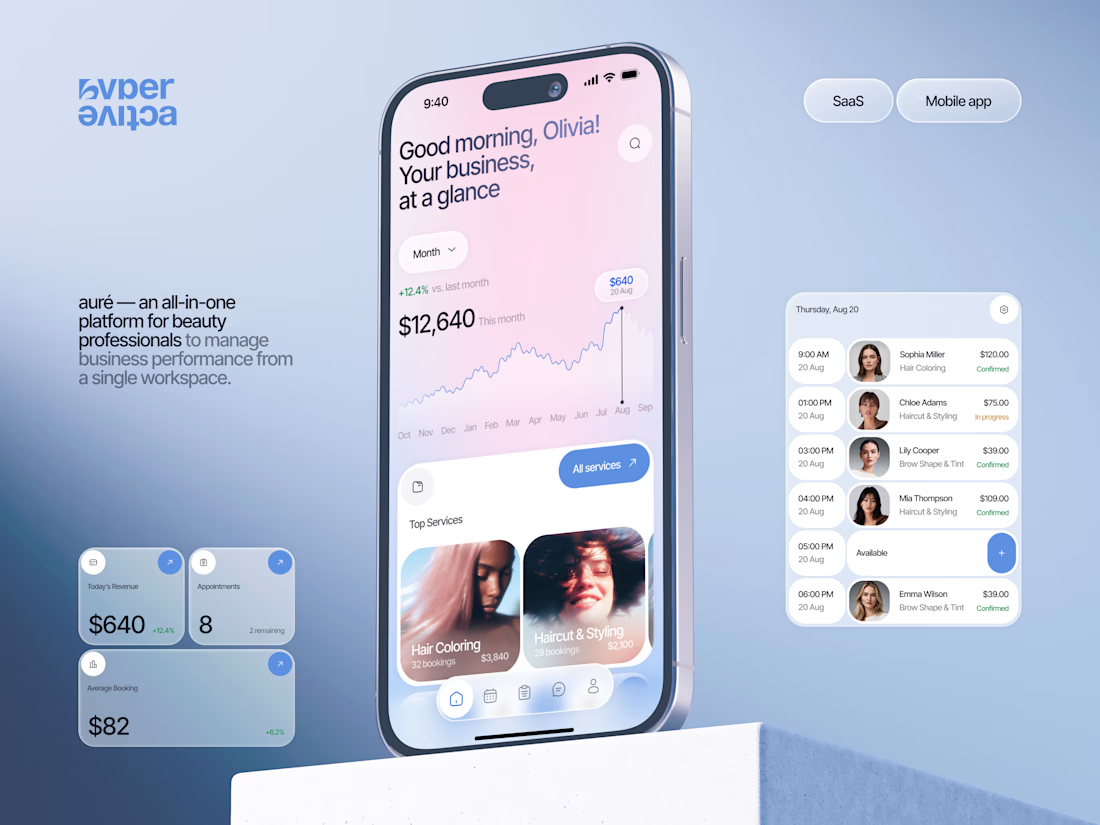
Finally wrapped up this project, and I’m excited to share the case study! 💅 A fresh product design concept for a beauty dashboard. Would love to hear your thoughts! ✨


A beauty dashboard is such a fun product design challenge, Oleksandra. The Good morning, Olivia! greeting in the header makes business metrics feel personal instead of clinical, which is exactly what a beauty professional would want.

Static web design is dead.
Designed this bento section for a Sales CRM Platform and turned it into an animated section with Claude.
I got to start including motion in my designs.


I’m curious, what prompt did you use to create this? The result looks really smooth, by the way!