The network for creativity
Join 1.25M professional creatives like you
Connect with clients, get discovered, and run your business 100% commission-free
Creatives on Contra have earned over $150M and we are just getting started
Back to feedPost

Designing a digital roar.
I’ve just launched a new high-performance project for ASK and their rental sub-brand: DriveMustang5.0
The goal was simple: translate the raw energy of 421 BHP and 530 Nm of torque into a seamless mobile-first experience. Deep blacks, crimson accents, and aggressive typography: this is designed for adrenaline.
The Specs:
🔥 Bespoke Visual Identity: Dark mode tailored for the automotive elite.
🔥 Strategic Copywriting: Selling the experience, not just the car.
🔥 Conversion-First UX: Streamlined booking flow to turn clicks into engine starts.
🔥 Regional SEO Power: Dominating the local search landscape.
The result is a fierce, professional platform that doesn’t just look the part...
The network for creativity
Join 1.25M professional creatives like you
Connect with clients, get discovered, and run your business 100% commission-free
Creatives on Contra have earned over $150M and we are just getting started

Challenges
View all


Related posts

AI-Directed Porsche 911 GT3 R Film
A cinematic automotive experiment created without a camera, physical car, studio, or production crew.
The goal was to explore how far AI + art direction could go in creating a premium automotive design film.
The Approach
Rather than asking AI to generate one complete video, I treated it like an actual production.
I broke the Porsche 911 GT3 R into individual visual moments — carbon bodywork, headlights, front aero, wheels and brakes, side profile, rear wing, and the final hero reveal.
Each shot was individually directed with attention to camera movement, lighting, reflections, materials, composition, and consistency.
The individual sequences were generated using Higgsfield, then brought into Runway to assemble, refine the pacing, transitions, and final film.
The Challenge
Generating a beautiful AI shot is relatively easy.
Making seven independently generated shots feel like they belong to one cohesive film is where it gets interesting.
The challenge was maintaining consistency across the car, materials, lighting, camera language, and overall visual direction while building a natural progression from detail → form → full reveal.
Tools
Higgsfield — AI video generation
Runway — Editing & sequence assembly
AI + Art Direction — Shot planning, prompting & visual consistency
A personal exploration into how AI can become part of the creative production process — not replacing direction, but expanding what can be produced from an idea.


Which design theme would you prefer to select?

4 voted
50%
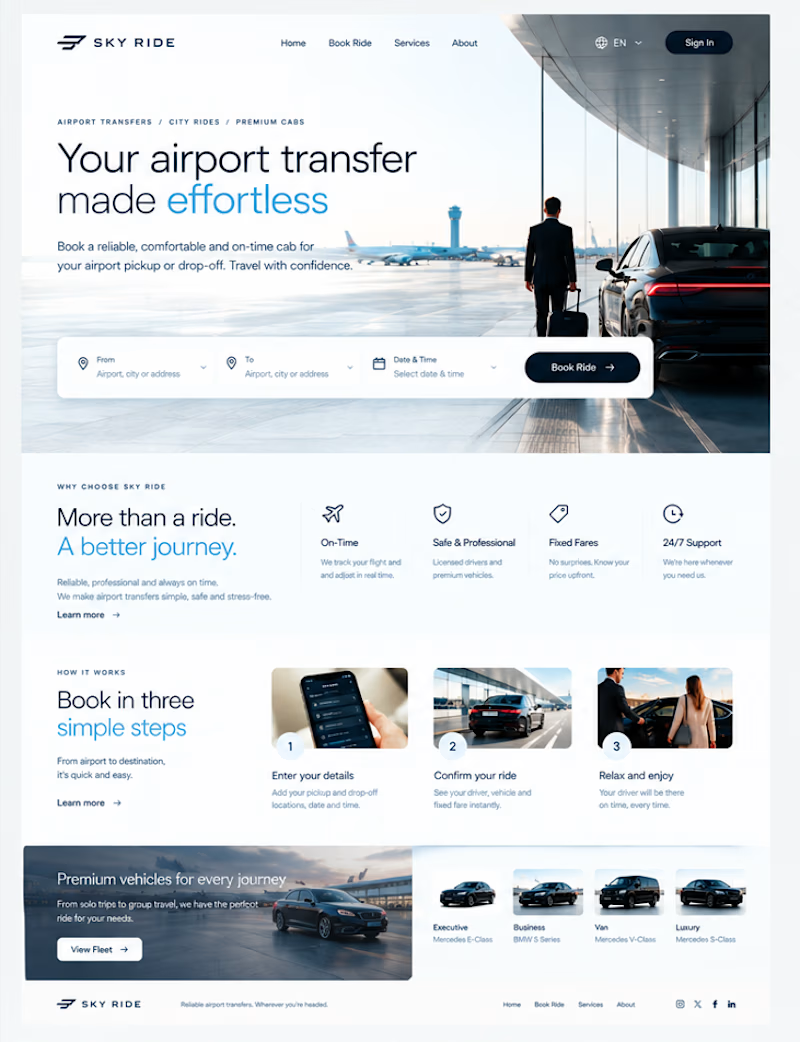
4 voted
50%
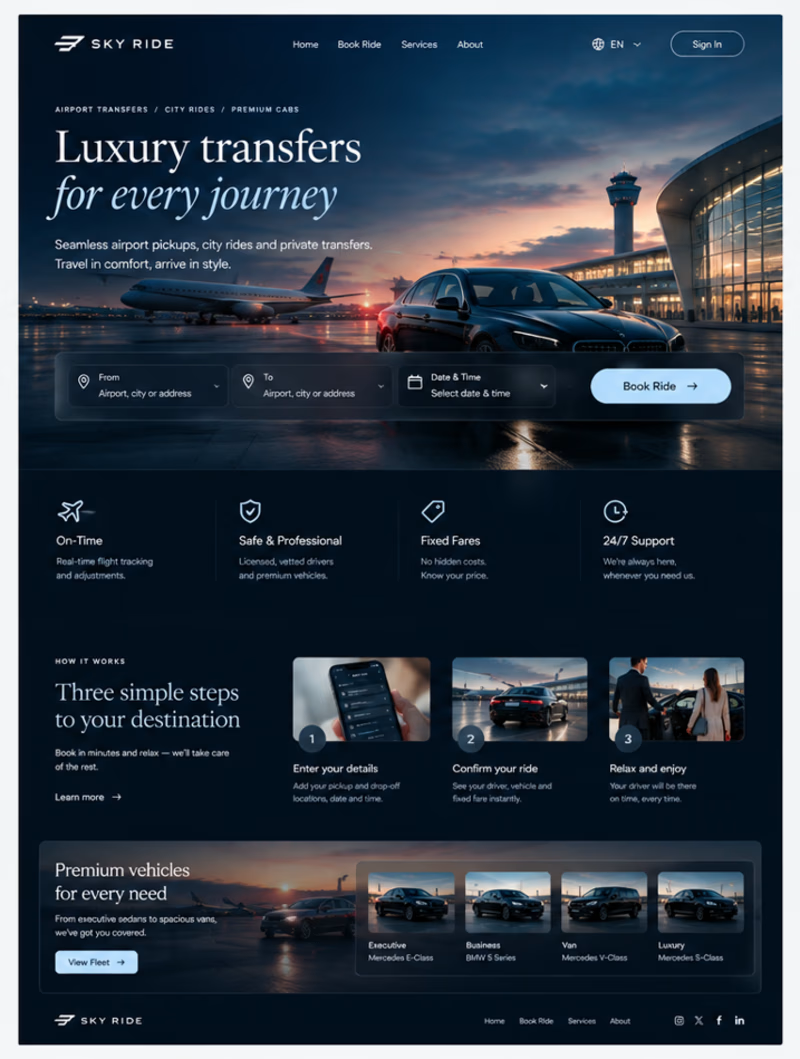
8 votes
Closed


Awesome design !

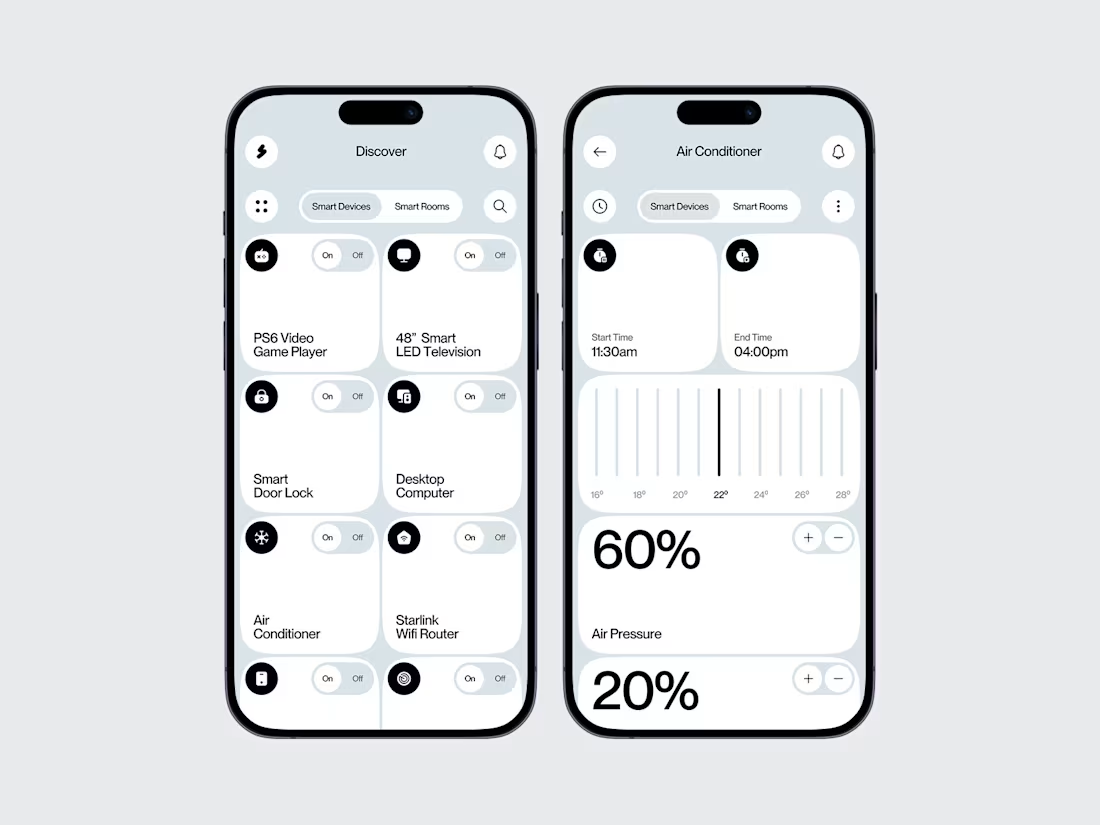
Smart Home Controller Mobile App
Connected-home products can become complicated very quickly.
The challenge with this concept was to create a controller that gives users access to their devices without making them feel like they're operating a technical system.
The experience is organized around the way people actually interact with their homes — rooms, devices and everyday controls.
The interface gives users a quick overview of their home while keeping important actions easy to reach.
The visual system stays clean and restrained so the technology doesn't overwhelm the experience.
Focus: Smart Home UI/UX · IoT App Design · Home Automation · Mobile Product Design
Designed for a connected-home experience where control should feel simple.
Have an IoT product that needs thoughtful UX?
hello.waxyweb@gmail.com
www.waxyweb.com

excellent