
Social Media ManagementIwalola Habibat
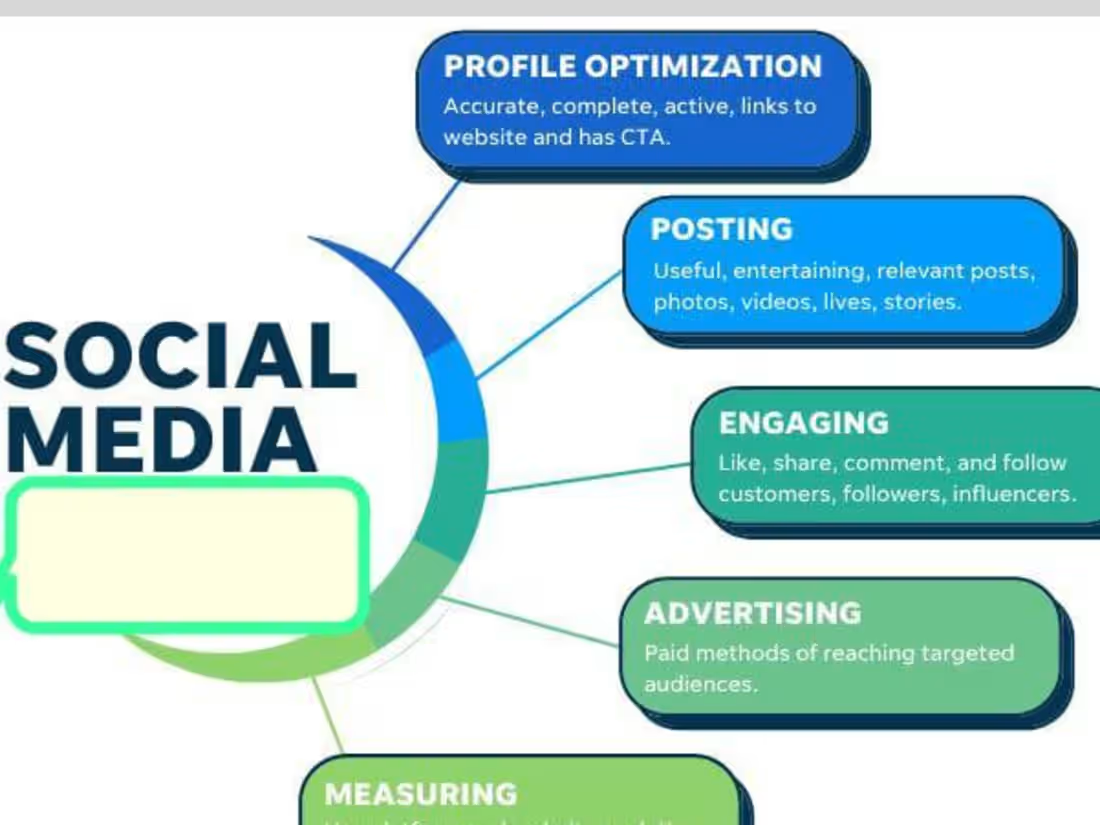
Iwalola managed social media accounts with a unique blend of technical expertise and creative vision to enhance online presence.
What's included
Content Calendar
A detailed schedule outlining the types of content (e.g., images, videos, blog links) to be posted, along with dates and times for each post. The calendar should align with the brand’s marketing strategy, including promotions, holidays, and special events.
Content Creation
Development of various types of content, such as graphics, videos, infographics, stories, and posts tailored to different platforms (e.g., Facebook, Instagram, Twitter, LinkedIn, TikTok). Content should be designed to engage the target audience and reflect the brand’s voice and identity.
Post Scheduling and Publishing
Using social media management tools to schedule posts for optimal times when the target audience is most active. This also includes publishing content consistently across all relevant social media platforms.
Hashtag and SEO Strategy
Researching and implementing relevant hashtags and keywords to enhance content visibility and reach on platforms like Instagram, Twitter, and LinkedIn. This also includes optimizing profiles and posts for search engines.
Ad Management
Creating, monitoring, and optimizing paid social media ads to maximize ROI. This includes targeting the right audience segments, adjusting bids, and testing ad creatives and formats.
Social Listening and Trend Analysis
Monitoring social media for brand mentions, industry trends, and customer sentiment. This helps in understanding audience preferences and staying ahead of trends.
FAQs
Iwalola's other services
Contact for pricing
Tags
Facebook

Instagram

LinkedIn

TikTok

Social Media Manager
Social Media Marketer
Social Media Strategist
Service provided by
Iwalola Habibat Nigeria
Social Media ManagementIwalola Habibat
Contact for pricing
Tags
Facebook
Instagram
LinkedIn
TikTok
Social Media Manager
Social Media Marketer
Social Media Strategist
Iwalola managed social media accounts with a unique blend of technical expertise and creative vision to enhance online presence.
What's included
Content Calendar
A detailed schedule outlining the types of content (e.g., images, videos, blog links) to be posted, along with dates and times for each post. The calendar should align with the brand’s marketing strategy, including promotions, holidays, and special events.
Content Creation
Development of various types of content, such as graphics, videos, infographics, stories, and posts tailored to different platforms (e.g., Facebook, Instagram, Twitter, LinkedIn, TikTok). Content should be designed to engage the target audience and reflect the brand’s voice and identity.
Post Scheduling and Publishing
Using social media management tools to schedule posts for optimal times when the target audience is most active. This also includes publishing content consistently across all relevant social media platforms.
Hashtag and SEO Strategy
Researching and implementing relevant hashtags and keywords to enhance content visibility and reach on platforms like Instagram, Twitter, and LinkedIn. This also includes optimizing profiles and posts for search engines.
Ad Management
Creating, monitoring, and optimizing paid social media ads to maximize ROI. This includes targeting the right audience segments, adjusting bids, and testing ad creatives and formats.
Social Listening and Trend Analysis
Monitoring social media for brand mentions, industry trends, and customer sentiment. This helps in understanding audience preferences and staying ahead of trends.
FAQs
Iwalola's other services
Contact for pricing