
UI/UX Design ServicesVal Y.
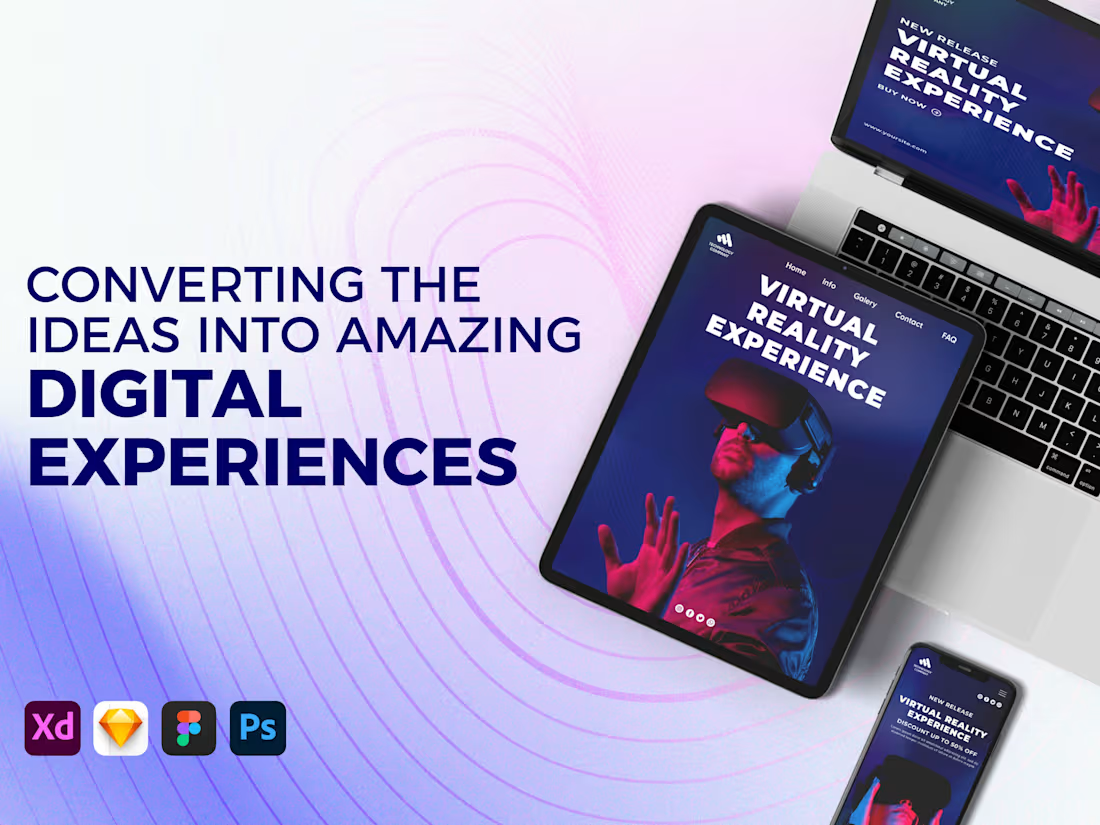
Offering comprehensive UI/UX design services for web and mobile applications, with a focus on user-centered design and deep UX research.
What's included
UX Research and Findings
Summarize user research findings including user personas, user journeys, and competitor analysis.
Wireframes
Low-fidelity representations of the layout and structure of key pages or screens, focusing on functionality rather than aesthetics.
Mockups
High-fidelity static representations of the final design, showcasing visual elements, colors, typography, and branding.
Prototypes
Interactive representations of the design, allowing stakeholders to experience user flows and interactions.
UI Design Assets
Production-ready design files including icons, buttons, graphics, and other visual elements.
Style Guide
Documentation outlining design principles, brand guidelines, color palettes, typography, and UI patterns to ensure consistency across the application or website.
Usability Testing Report
Summary of findings from usability testing sessions, including user feedback and recommendations for improvements.
Responsive Design
Adaptation of the design for various screen sizes and devices, ensuring a seamless user experience across desktop, tablet, and mobile platforms.
Handoff Documentation
Detailed instructions for developers including design specifications, CSS styles, and asset export guidelines.
Support and Iteration
Ongoing support for design implementation, iteration based on user feedback, and updates as needed post-launch.
FAQs
Contact for pricing
Tags
Adobe XD

Figma

Sketch

Mobile Designer
UX Designer
Web Designer
Service provided by
Val Y. Armenia
- 1
- Followers
UI/UX Design ServicesVal Y.
Offering comprehensive UI/UX design services for web and mobile applications, with a focus on user-centered design and deep UX research.
What's included
UX Research and Findings
Summarize user research findings including user personas, user journeys, and competitor analysis.
Wireframes
Low-fidelity representations of the layout and structure of key pages or screens, focusing on functionality rather than aesthetics.
Mockups
High-fidelity static representations of the final design, showcasing visual elements, colors, typography, and branding.
Prototypes
Interactive representations of the design, allowing stakeholders to experience user flows and interactions.
UI Design Assets
Production-ready design files including icons, buttons, graphics, and other visual elements.
Style Guide
Documentation outlining design principles, brand guidelines, color palettes, typography, and UI patterns to ensure consistency across the application or website.
Usability Testing Report
Summary of findings from usability testing sessions, including user feedback and recommendations for improvements.
Responsive Design
Adaptation of the design for various screen sizes and devices, ensuring a seamless user experience across desktop, tablet, and mobile platforms.
Handoff Documentation
Detailed instructions for developers including design specifications, CSS styles, and asset export guidelines.
Support and Iteration
Ongoing support for design implementation, iteration based on user feedback, and updates as needed post-launch.
FAQs
Contact for pricing