
Transform your vision into responsive, user-friendly websites.Mohammad Sayeed
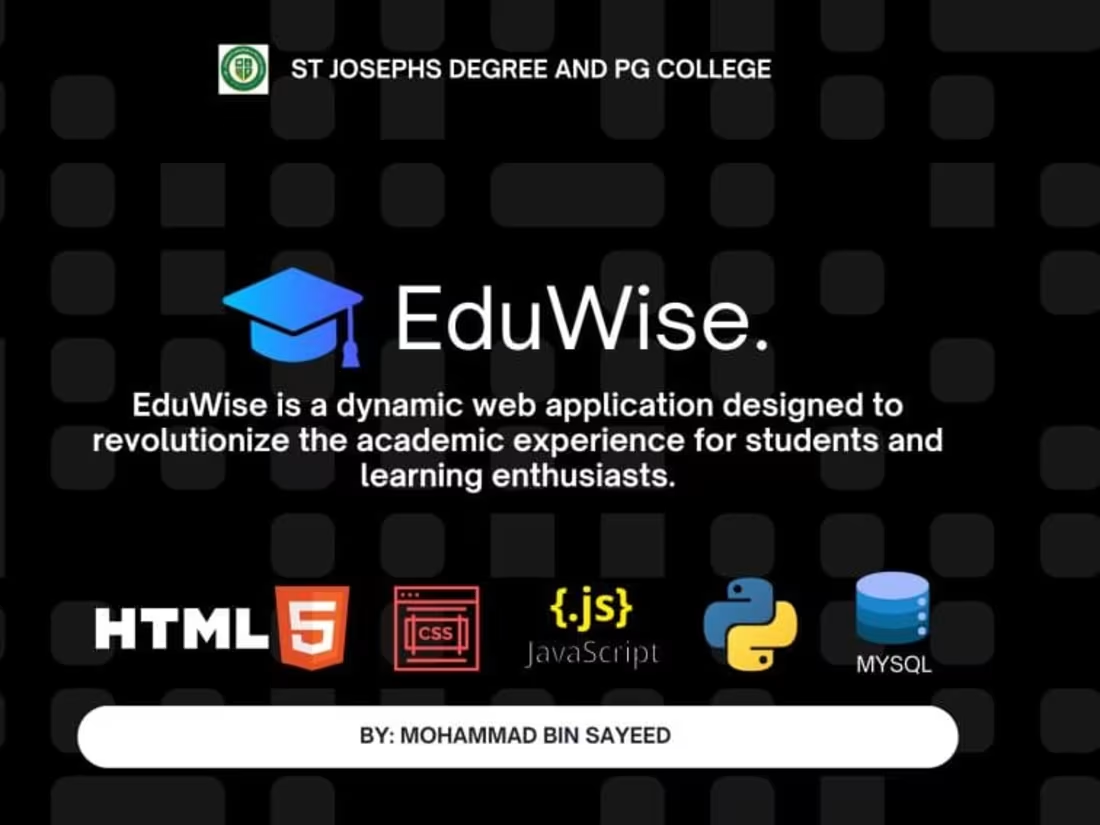
I offer expert front-end web development services that transform your vision into responsive, user-centric websites. What sets me apart is my commitment to clean, efficient coding and a focus on creating seamless user experiences across all devices, ensuring your site is both visually appealing and functional. With a keen eye for design and best practices in accessibility and performance, I deliver tailored solutions that elevate your online presence.
What's included
Front End Web Develper / Software Developer
Responsive Website: A fully functional website that adjusts seamlessly across various devices and screen sizes.
HTML/CSS Files: Clean and organized HTML and CSS files that adhere to best practices and coding standards.
JavaScript Functionality: Implemented interactive elements using JavaScript or frameworks (e.g., React, Vue) to enhance user experience.
Design Mockups: Visual representations or prototypes of the website layout, showcasing the design before development.
Style Guide: Documentation of design elements, including colors, typography, and UI components, ensuring consistency throughout the site.
Cross-Browser Compatibility: The website tested and functioning correctly on major web browsers (Chrome, Firefox, Safari, Edge).
Performance Optimization: Optimized code and assets for fast loading times and improved site performance.
Accessibility Features: Implementation of best practices to ensure the website is accessible to users with disabilities.
SEO Optimization: Basic on-page SEO practices applied, including meta tags, alt texts, and structured data.
Content Management System (CMS) Integration: If applicable, a setup that allows the client to manage content easily (e.g., WordPress, Shopify).
User Documentation: Guides and instructions for the client on how to use and maintain the website.
Testing and Debugging Reports: Summary of testing results, including any issues found and their resolutions.
Launch Support: Assistance with launching the website, including setup on the client’s server or hosting platform.
Post-Launch Support: Availability for a specified period after launch to address any immediate issues or questions.
Example work
Mohammad's other services

Starting at$150 /wk
Tags
Adobe XD

Elementor

Figma

Sketch

Webflow

Frontend Engineer
UX Designer
Web Developer
Service provided by
Mohammad Sayeed Hyderabad, India
Transform your vision into responsive, user-friendly websites.Mohammad Sayeed
Starting at$150 /wk
Tags
Adobe XD
Elementor
Figma
Sketch
Webflow
Frontend Engineer
UX Designer
Web Developer
I offer expert front-end web development services that transform your vision into responsive, user-centric websites. What sets me apart is my commitment to clean, efficient coding and a focus on creating seamless user experiences across all devices, ensuring your site is both visually appealing and functional. With a keen eye for design and best practices in accessibility and performance, I deliver tailored solutions that elevate your online presence.
What's included
Front End Web Develper / Software Developer
Responsive Website: A fully functional website that adjusts seamlessly across various devices and screen sizes.
HTML/CSS Files: Clean and organized HTML and CSS files that adhere to best practices and coding standards.
JavaScript Functionality: Implemented interactive elements using JavaScript or frameworks (e.g., React, Vue) to enhance user experience.
Design Mockups: Visual representations or prototypes of the website layout, showcasing the design before development.
Style Guide: Documentation of design elements, including colors, typography, and UI components, ensuring consistency throughout the site.
Cross-Browser Compatibility: The website tested and functioning correctly on major web browsers (Chrome, Firefox, Safari, Edge).
Performance Optimization: Optimized code and assets for fast loading times and improved site performance.
Accessibility Features: Implementation of best practices to ensure the website is accessible to users with disabilities.
SEO Optimization: Basic on-page SEO practices applied, including meta tags, alt texts, and structured data.
Content Management System (CMS) Integration: If applicable, a setup that allows the client to manage content easily (e.g., WordPress, Shopify).
User Documentation: Guides and instructions for the client on how to use and maintain the website.
Testing and Debugging Reports: Summary of testing results, including any issues found and their resolutions.
Launch Support: Assistance with launching the website, including setup on the client’s server or hosting platform.
Post-Launch Support: Availability for a specified period after launch to address any immediate issues or questions.
Example work
Mohammad's other services
$150 /wk