
Complete Responsive WordPress Development Waqas Akram
My proven experience aligns perfectly with your project's goals.
My strong problem-solving skills and ability to adapt to new challenges make me a valuable asset to your team.
My passion for Web development combined with my dedication to delivering high-quality work ensures I'll exceed your expectations.
What's included
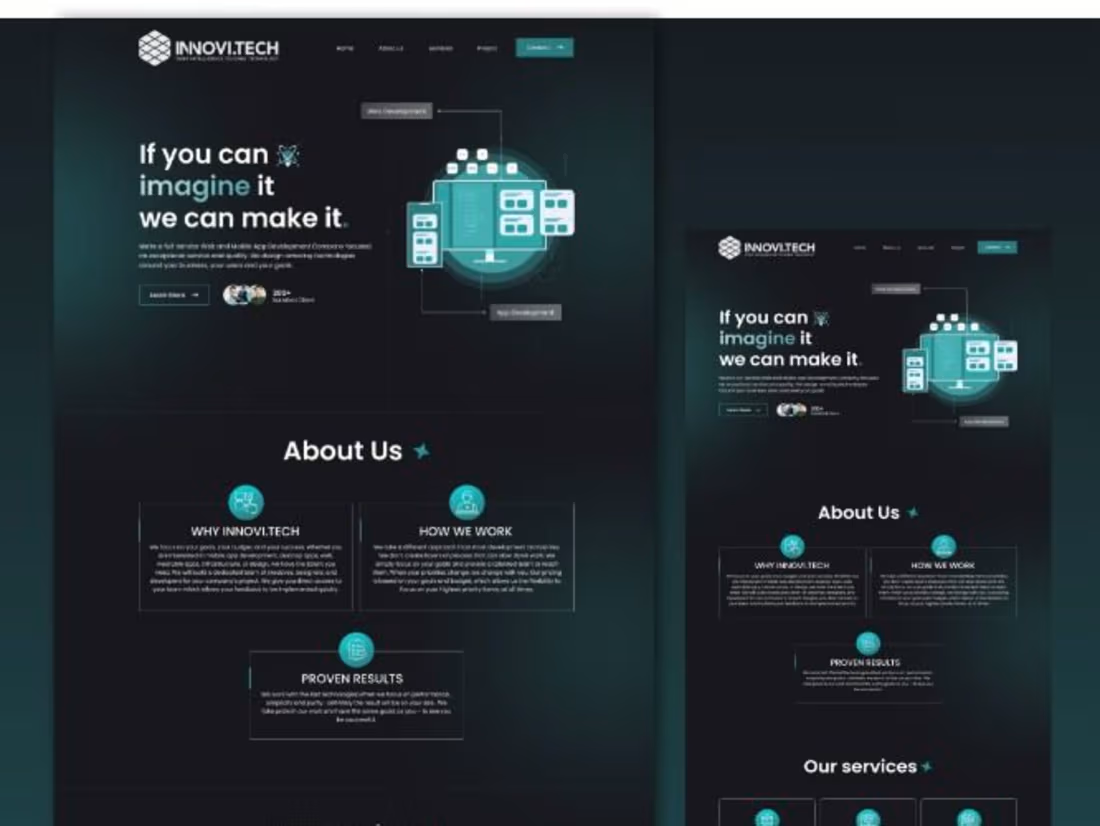
A completely working and Responsive website
1. Website Structure and Design:
Wireframing: Creating a basic visual layout of the website's structure and content placement.
Design Concepts: Presenting design mockups or themes that align with the client's branding and preferences.
Responsive Design: Ensuring the website looks and functions optimally on various devices (desktop, tablet, mobile).
2. WordPress Setup and Configuration:
Installation: Setting up a WordPress installation on a suitable hosting platform.
Theme Selection: Choosing a theme that matches the design concept or customizing an existing one.
Plugin Integration: Installing and configuring necessary plugins for features like contact forms, social media, etc.
3. Content Creation and Management:
Content Upload: Assisting the client in uploading their content (text, images, videos).
Content Organization: Structuring the content into pages, posts, and categories.
Media Optimization: Optimizing images for faster loading times.
4. Functionality and Features:
Custom Development: Creating custom features or functionality that the theme or plugins don't provide.
E-commerce Integration: Setting up online stores with payment gateways if required.
Contact Forms: Implementing contact forms with email notifications.
Social Media Integration: Linking the website to social media profiles.
5. Testing and Quality Assurance:
Browser Compatibility: Testing the website on different browsers and devices.
Functionality Testing: Ensuring all features and links work as expected.
Performance Optimization: Optimizing the website's loading speed.
6. Training and Support:
WordPress Training: Providing basic training on how to manage and update the website.
Ongoing Support: Offering post-launch support for any issues or updates.
Additional Considerations:
--Project Timeline
--Communication
--Revisions
Waqas's other services
Contact for pricing
Tags
Elementor

Figma

Sketch

WordPress

UX Designer
Web Designer
Web Developer
Service provided by
Waqas Akram London, UK
Complete Responsive WordPress Development Waqas Akram
Contact for pricing
Tags
Elementor
Figma
Sketch
WordPress
UX Designer
Web Designer
Web Developer
My proven experience aligns perfectly with your project's goals.
My strong problem-solving skills and ability to adapt to new challenges make me a valuable asset to your team.
My passion for Web development combined with my dedication to delivering high-quality work ensures I'll exceed your expectations.
What's included
A completely working and Responsive website
1. Website Structure and Design:
Wireframing: Creating a basic visual layout of the website's structure and content placement.
Design Concepts: Presenting design mockups or themes that align with the client's branding and preferences.
Responsive Design: Ensuring the website looks and functions optimally on various devices (desktop, tablet, mobile).
2. WordPress Setup and Configuration:
Installation: Setting up a WordPress installation on a suitable hosting platform.
Theme Selection: Choosing a theme that matches the design concept or customizing an existing one.
Plugin Integration: Installing and configuring necessary plugins for features like contact forms, social media, etc.
3. Content Creation and Management:
Content Upload: Assisting the client in uploading their content (text, images, videos).
Content Organization: Structuring the content into pages, posts, and categories.
Media Optimization: Optimizing images for faster loading times.
4. Functionality and Features:
Custom Development: Creating custom features or functionality that the theme or plugins don't provide.
E-commerce Integration: Setting up online stores with payment gateways if required.
Contact Forms: Implementing contact forms with email notifications.
Social Media Integration: Linking the website to social media profiles.
5. Testing and Quality Assurance:
Browser Compatibility: Testing the website on different browsers and devices.
Functionality Testing: Ensuring all features and links work as expected.
Performance Optimization: Optimizing the website's loading speed.
6. Training and Support:
WordPress Training: Providing basic training on how to manage and update the website.
Ongoing Support: Offering post-launch support for any issues or updates.
Additional Considerations:
--Project Timeline
--Communication
--Revisions
Waqas's other services
Contact for pricing