
Bring your ideas to life with Storyboards & Prototypes. Shafaq Imran
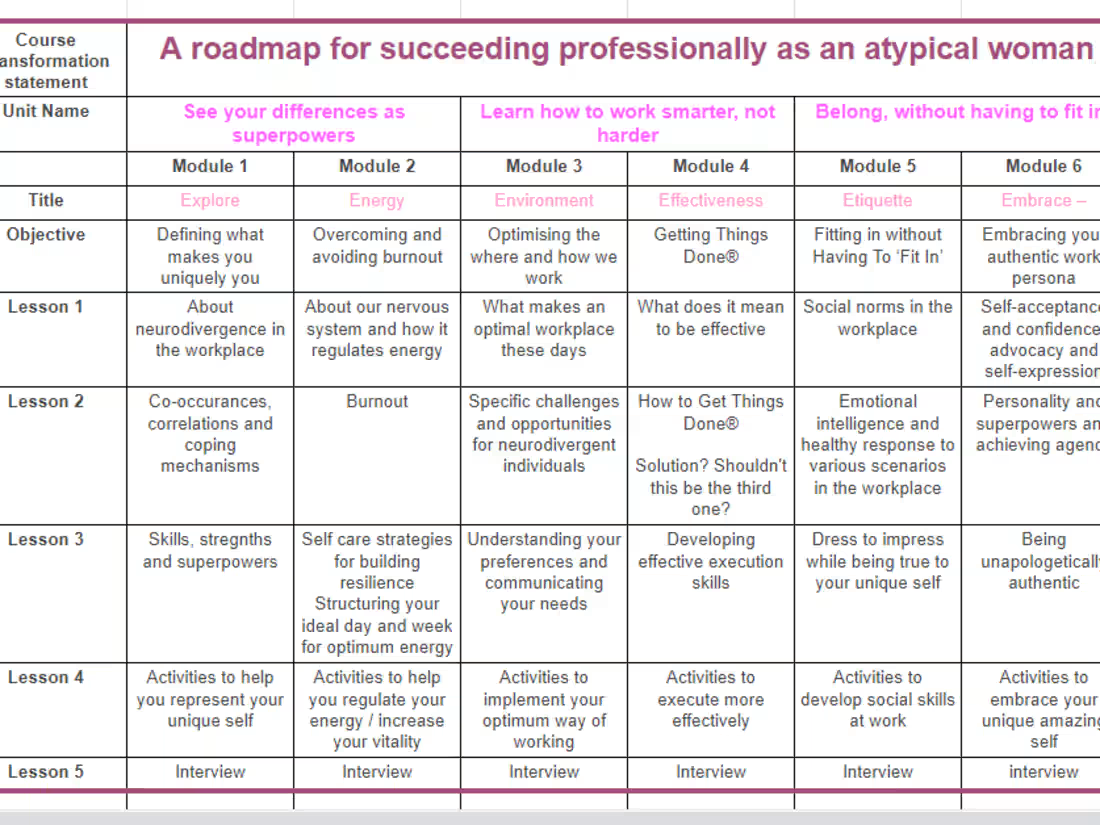
I offer eLearning and instructional design services, providing comprehensive course development that includes detailed overviews, structured lesson plans, and effective assessment strategies. My unique approach ensures alignment with relevant standards and incorporates innovative, interactive elements to enhance learner engagement and outcomes.
What's included
Storyboard for E-Learning
Visual Sequence: A series of panels illustrating key scenes, each with sketches or images that depict the action.
Narrative Details: Written descriptions accompanying each panel, explaining the scene, actions, and dialogue.
Technical Directions: Notes on camera angles, movements, transitions, and other production details.
Character and Setting Info: Descriptions of characters, settings, and important visual elements.
Timeline and Flow: A clear, organized sequence that outlines the progression of the story, ensuring coherence and continuity.
Interactive Prototype
Course Structure: An outline of the course modules, lessons, and topics.
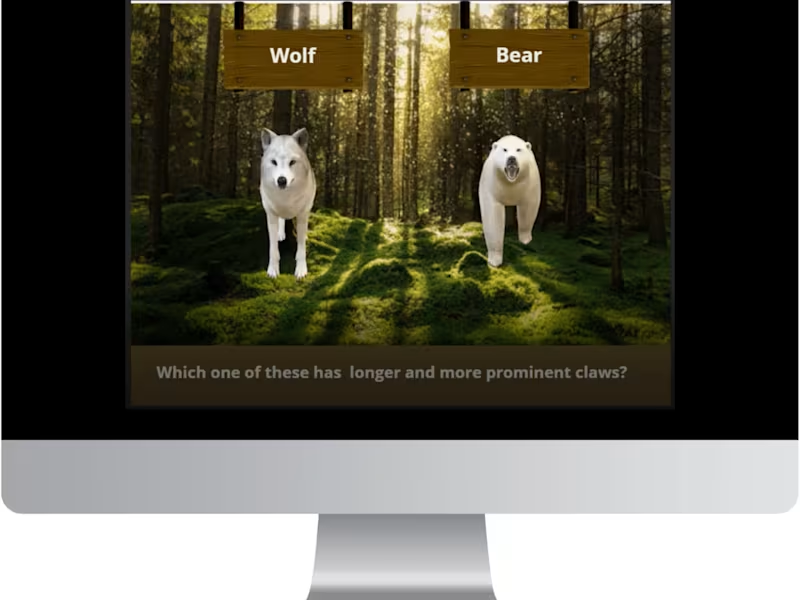
Interactive Mockups: Prototypes of key interactive elements like quizzes, exercises, and multimedia content.
Content Samples: Examples of text, images, videos, and other instructional materials.
Navigation Flow: A clear user interface design showing how learners will navigate through the course.
Assessment Tools: Drafts of evaluation methods such as tests, quizzes, and assignments.
Storyboard: Visual and narrative outlines of how each lesson will unfold, including transitions and interactions.
Curriculum Development
Course Overview: A comprehensive outline of the entire course, including objectives and key themes.
Learning Objectives: Clear, measurable goals for what students should achieve by the end of the course.
Lesson Plans: Detailed plans for each lesson, including activities, materials, and instructional methods.
Assessment Strategies: Methods for evaluating student progress, such as tests, projects, and assignments.
Resource List: A compilation of textbooks, articles, videos, and other materials needed for the course.
Timeline: A schedule outlining the sequence and duration of lessons and units.
Standards Alignment: Mapping of the curriculum to relevant educational standards or competencies.
Shafaq's other services
Contact for pricing
Tags
Articulate Rise

Articulate Storyline

Canva

Google Slides

Course Developer
Researcher
Script Writer
Service provided by
Shafaq Imran Lahore, Pakistan
Bring your ideas to life with Storyboards & Prototypes. Shafaq Imran
Contact for pricing
Tags
Articulate Rise
Articulate Storyline
Canva
Google Slides
Course Developer
Researcher
Script Writer
I offer eLearning and instructional design services, providing comprehensive course development that includes detailed overviews, structured lesson plans, and effective assessment strategies. My unique approach ensures alignment with relevant standards and incorporates innovative, interactive elements to enhance learner engagement and outcomes.
What's included
Storyboard for E-Learning
Visual Sequence: A series of panels illustrating key scenes, each with sketches or images that depict the action.
Narrative Details: Written descriptions accompanying each panel, explaining the scene, actions, and dialogue.
Technical Directions: Notes on camera angles, movements, transitions, and other production details.
Character and Setting Info: Descriptions of characters, settings, and important visual elements.
Timeline and Flow: A clear, organized sequence that outlines the progression of the story, ensuring coherence and continuity.
Interactive Prototype
Course Structure: An outline of the course modules, lessons, and topics.
Interactive Mockups: Prototypes of key interactive elements like quizzes, exercises, and multimedia content.
Content Samples: Examples of text, images, videos, and other instructional materials.
Navigation Flow: A clear user interface design showing how learners will navigate through the course.
Assessment Tools: Drafts of evaluation methods such as tests, quizzes, and assignments.
Storyboard: Visual and narrative outlines of how each lesson will unfold, including transitions and interactions.
Curriculum Development
Course Overview: A comprehensive outline of the entire course, including objectives and key themes.
Learning Objectives: Clear, measurable goals for what students should achieve by the end of the course.
Lesson Plans: Detailed plans for each lesson, including activities, materials, and instructional methods.
Assessment Strategies: Methods for evaluating student progress, such as tests, projects, and assignments.
Resource List: A compilation of textbooks, articles, videos, and other materials needed for the course.
Timeline: A schedule outlining the sequence and duration of lessons and units.
Standards Alignment: Mapping of the curriculum to relevant educational standards or competencies.
Shafaq's other services
Contact for pricing