
Design a modern and bold logo for your brandK ku
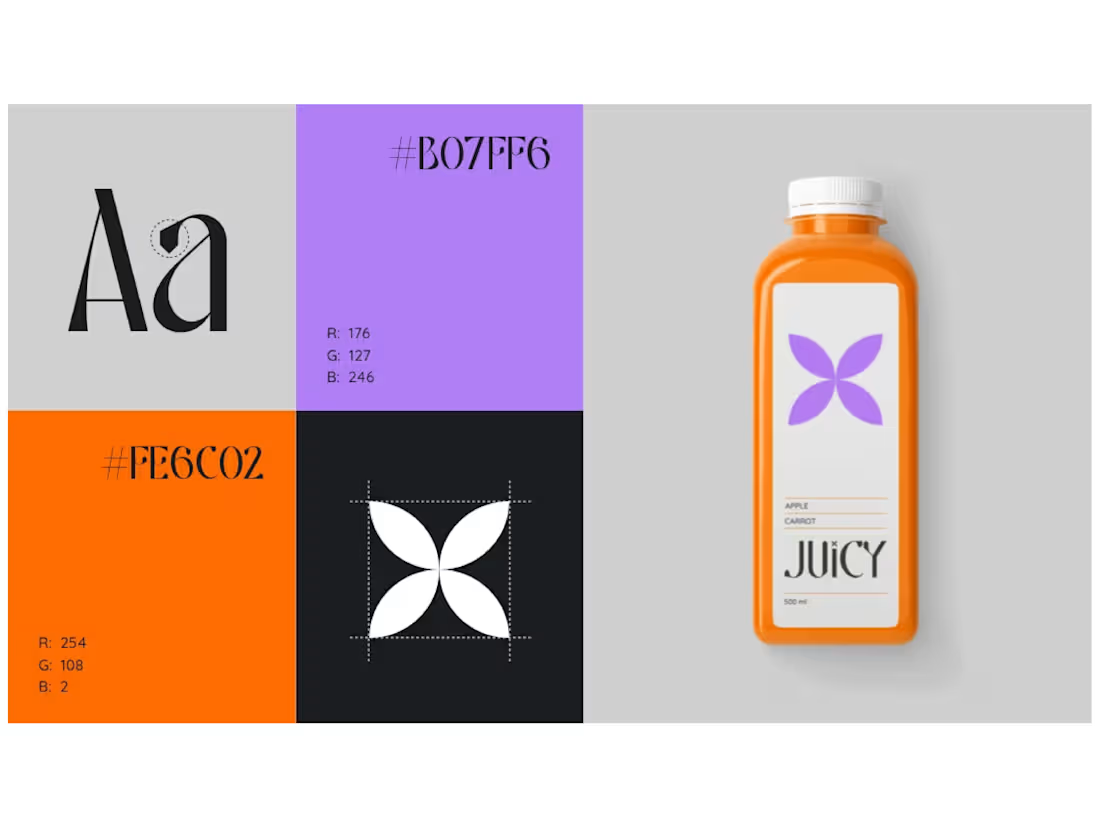
I offer custom Brand Identity Systems and Instagram Design Services that help businesses build a cohesive, professional visual presence across all platforms. From logos and color palettes to scroll-stopping IG posts and branded templates, each deliverable is tailored to reflect your unique voice and style. What sets me apart is my strategic design approach—blending aesthetics with brand clarity to elevate both recognition and engagement.
What's included
Custom Brand Identity System (BIS) with Visual Guidelines
A Brand Identity System (BIS) is a foundational tool for establishing consistent visual communication and strong brand recognition across all touchpoints. By standardizing the use of logos, color palettes, typography, and graphic elements, the BIS ensures a cohesive and professional brand image in both digital and print environments.
This document outlines the visual identity guidelines and application standards in the following sections:
Logo System
Defines the proper usage of the primary and secondary logos, including color, black-and-white, and monochrome versions.
Color Palette
Presents the brand’s primary and secondary colors with corresponding HEX, RGB, CMYK, and Pantone codes. Usage guidelines are provided for both digital and print applications to ensure optimal contrast and brand consistency.
Typography
Specifies the brand’s typefaces for both headings and body text in English and Chinese (if applicable), including font hierarchy, spacing, and alignment rules for clear and professional layouts.
Graphic Elements
Establishes the brand’s visual language—such as shapes, illustration styles, textures, and patterns—that support extended use across various brand materials.
Application Examples
Showcases real-world use cases of the brand identity, including business cards, social media post templates, website design elements, presentation decks, packaging, hang tags, and more.
Tone of Voice
Defines the brand’s verbal identity including tagline, copywriting style, and communication tone. This ensures consistency in written messaging across marketing materials and channels.
Instagram Carousel Design Pack
1. Instagram Post Set
Description: 5 custom-designed Instagram static posts tailored to your brand's visual identity and content goals. Optimized for mobile viewing.
Format: PNG + editable Canva link or PSD
Quantity: 5 posts
Revisions: Includes 2 rounds of revisions
2. Visual Style Guide
Description: A mini brand guide that defines fonts, color palette, and layout styling used in the post designs to maintain consistency across content.
Format: PDF
Quantity: 1 document
Revisions: 1 round of edits if needed
Starting at$1,000
Duration2 weeks
Tags
Adobe Illustrator

Adobe InDesign

Adobe Photoshop

Adobe XD

Figma

Graphic Designer
Illustrator
Logo Designer
Service provided by
K ku Carlsbad, USA
- 2
- Followers
Design a modern and bold logo for your brandK ku
Starting at$1,000
Duration2 weeks
Tags
Adobe Illustrator
Adobe InDesign
Adobe Photoshop
Adobe XD
Figma
Graphic Designer
Illustrator
Logo Designer
I offer custom Brand Identity Systems and Instagram Design Services that help businesses build a cohesive, professional visual presence across all platforms. From logos and color palettes to scroll-stopping IG posts and branded templates, each deliverable is tailored to reflect your unique voice and style. What sets me apart is my strategic design approach—blending aesthetics with brand clarity to elevate both recognition and engagement.
What's included
Custom Brand Identity System (BIS) with Visual Guidelines
A Brand Identity System (BIS) is a foundational tool for establishing consistent visual communication and strong brand recognition across all touchpoints. By standardizing the use of logos, color palettes, typography, and graphic elements, the BIS ensures a cohesive and professional brand image in both digital and print environments.
This document outlines the visual identity guidelines and application standards in the following sections:
Logo System
Defines the proper usage of the primary and secondary logos, including color, black-and-white, and monochrome versions.
Color Palette
Presents the brand’s primary and secondary colors with corresponding HEX, RGB, CMYK, and Pantone codes. Usage guidelines are provided for both digital and print applications to ensure optimal contrast and brand consistency.
Typography
Specifies the brand’s typefaces for both headings and body text in English and Chinese (if applicable), including font hierarchy, spacing, and alignment rules for clear and professional layouts.
Graphic Elements
Establishes the brand’s visual language—such as shapes, illustration styles, textures, and patterns—that support extended use across various brand materials.
Application Examples
Showcases real-world use cases of the brand identity, including business cards, social media post templates, website design elements, presentation decks, packaging, hang tags, and more.
Tone of Voice
Defines the brand’s verbal identity including tagline, copywriting style, and communication tone. This ensures consistency in written messaging across marketing materials and channels.
Instagram Carousel Design Pack
1. Instagram Post Set
Description: 5 custom-designed Instagram static posts tailored to your brand's visual identity and content goals. Optimized for mobile viewing.
Format: PNG + editable Canva link or PSD
Quantity: 5 posts
Revisions: Includes 2 rounds of revisions
2. Visual Style Guide
Description: A mini brand guide that defines fonts, color palette, and layout styling used in the post designs to maintain consistency across content.
Format: PDF
Quantity: 1 document
Revisions: 1 round of edits if needed
$1,000