
Software Architecture & Technical AuditIng. Gael de Nicodemo Serrano Hernandez
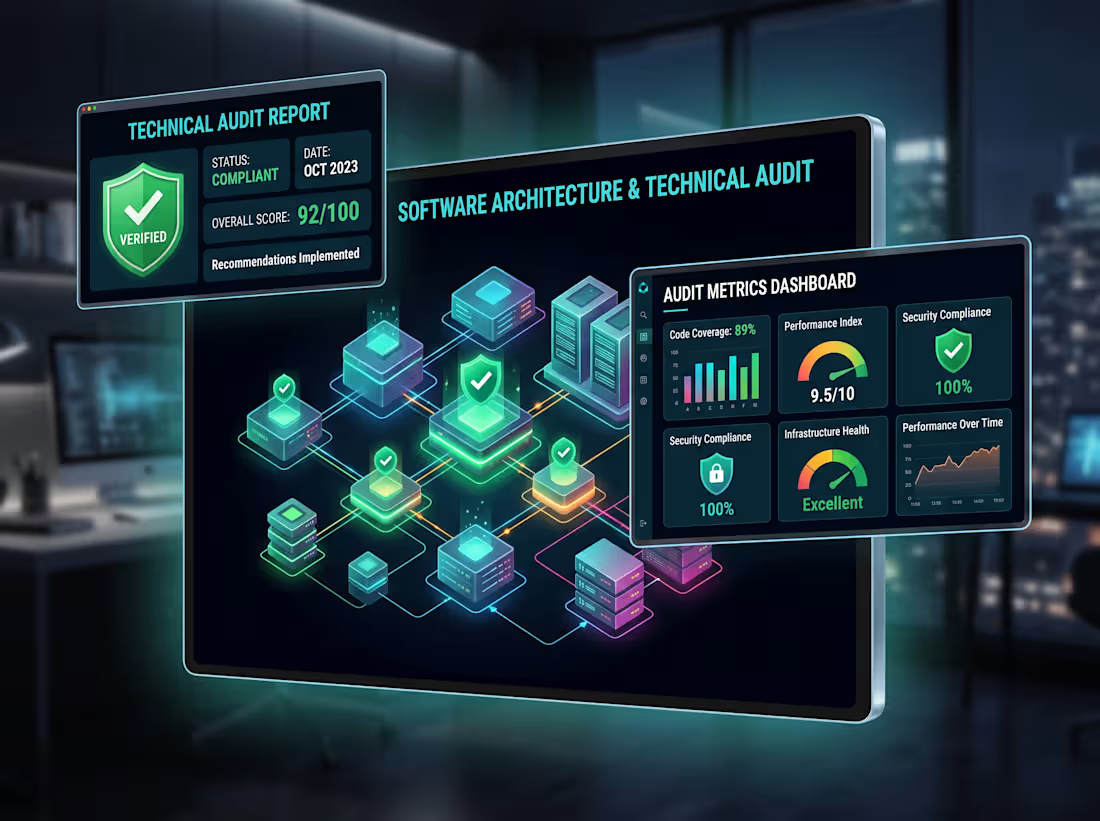
I analyze existing software systems to identify architectural weaknesses, technical debt, scalability risks, maintainability problems, performance bottlenecks and areas that may become expensive to change later.
This service is intended for teams that already have software but need an experienced technical assessment before continuing development, launching the product, scaling the system or making a major architectural decision.
An audit may examine:
• Overall architecture
• Application layers
• Code organization
• Backend structure
• API design
• Database architecture
• Authentication flows
• Authorization
• Service boundaries
• Dependencies
• Performance risks
• Scalability risks
• Technical debt
• Maintainability
• Integration architecture
• Error-prone components
• Areas requiring refactoring
Audit process
1. Context review
Understand the product, current architecture and expected future requirements.
2. Repository/system inspection
Review relevant code, architecture, dependencies, data flows and infrastructure.
3. Risk identification
Identify weaknesses that could affect reliability, maintainability, scalability or future development speed.
4. Prioritization
Separate critical problems from lower-priority technical improvements.
5. Recommendations
Provide practical, technically justified next steps.
6. Optional implementation
If requested, I can continue from the audit and implement the recommended improvements separately.
The goal is not to rewrite software simply because a different architecture may look cleaner. Recommendations should be justified by actual technical and business requirements.
FAQs
Ing. Gael de Nicodemo's other services


Contact for pricing
Duration16 weeks
Tags
API
Backend Engineer
Software Architect
Software Engineer
Computer Software
System Architecture
Service provided by
Ing. Gael de Nicodemo Serrano Hernandez proOluta, Mexico
- 2
- Followers
Software Architecture & Technical AuditIng. Gael de Nicodemo Serrano Hernandez
Contact for pricing
Duration16 weeks
Tags
API
Backend Engineer
Software Architect
Software Engineer
Computer Software
System Architecture
I analyze existing software systems to identify architectural weaknesses, technical debt, scalability risks, maintainability problems, performance bottlenecks and areas that may become expensive to change later.
This service is intended for teams that already have software but need an experienced technical assessment before continuing development, launching the product, scaling the system or making a major architectural decision.
An audit may examine:
• Overall architecture
• Application layers
• Code organization
• Backend structure
• API design
• Database architecture
• Authentication flows
• Authorization
• Service boundaries
• Dependencies
• Performance risks
• Scalability risks
• Technical debt
• Maintainability
• Integration architecture
• Error-prone components
• Areas requiring refactoring
Audit process
1. Context review
Understand the product, current architecture and expected future requirements.
2. Repository/system inspection
Review relevant code, architecture, dependencies, data flows and infrastructure.
3. Risk identification
Identify weaknesses that could affect reliability, maintainability, scalability or future development speed.
4. Prioritization
Separate critical problems from lower-priority technical improvements.
5. Recommendations
Provide practical, technically justified next steps.
6. Optional implementation
If requested, I can continue from the audit and implement the recommended improvements separately.
The goal is not to rewrite software simply because a different architecture may look cleaner. Recommendations should be justified by actual technical and business requirements.
FAQs
Ing. Gael de Nicodemo's other services
Contact for pricing