
Website designAzeez Olushesi
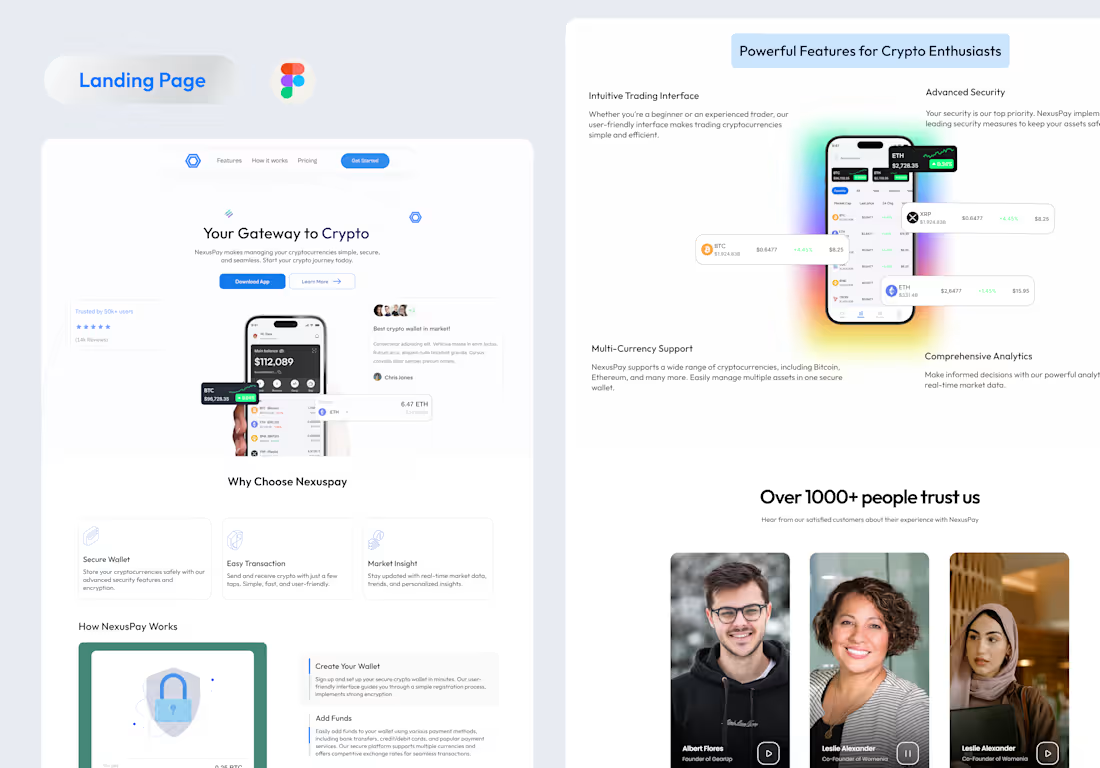
Turning Ideas into Functional Web Experiences
To bring a website to life, I follow a process that balances structure, usability, and design.
It starts with user flows to map how people navigate the site making sure every path is simple and logical. Then I create wireframes to plan layout and structure before any visuals are added.
Next, I build prototypes that simulate real interactions, helping test and refine the user experience early. Once the flow and structure are solid, I design the full UI, bringing in color, typography, and visual details that match the brand.
From there, the site moves into development, where it becomes responsive and fully functional. After thorough testing and review, it’s launched clean, fast, and ready to use.
Throughout, you can expect a design process that’s clear, focused, and built to turn ideas into web experiences that feel smooth, natural, and complete.
What's included
Wireframes
This is the first visual step in the design process, where i map out the structure and layout of each page without getting into the final design details like colors or images.
Prototype
This is where i connect your static wireframes or mockups into a clickable experience to simulate how users will interact with the site.
Purpose:
To test user flow, navigation, and overall UX before development begins. It helps catch usability issues early and provides clarity for stakeholders and developers.
Userflows
A user flow diagram (typically created before or alongside wireframes)
Multiple flows for different types of users (e.g., new visitor vs. returning customer)
Labeled actions, decisions, and page transition
UI Design
After the wireframes are approved, i move to the high-fidelity stage, where the actual look and feel of the website comes together.
Development
With the designs approved, the dev team (or you, if you’re handling it) brings everything to life.
Testing
Before launch, you need to make sure everything works properly and loads correctly.
Final review
Once testing is done, i do a final walkthrough with all stakeholders.
FAQs
Starting at$900
Duration1 week
Tags
Figma

Miro

UI Designer
UX Designer
Web Designer
Service provided by
Azeez Olushesi Lagos, Nigeria
- 1
- Followers
Website designAzeez Olushesi
Starting at$900
Duration1 week
Tags
Figma
Miro
UI Designer
UX Designer
Web Designer
Turning Ideas into Functional Web Experiences
To bring a website to life, I follow a process that balances structure, usability, and design.
It starts with user flows to map how people navigate the site making sure every path is simple and logical. Then I create wireframes to plan layout and structure before any visuals are added.
Next, I build prototypes that simulate real interactions, helping test and refine the user experience early. Once the flow and structure are solid, I design the full UI, bringing in color, typography, and visual details that match the brand.
From there, the site moves into development, where it becomes responsive and fully functional. After thorough testing and review, it’s launched clean, fast, and ready to use.
Throughout, you can expect a design process that’s clear, focused, and built to turn ideas into web experiences that feel smooth, natural, and complete.
What's included
Wireframes
This is the first visual step in the design process, where i map out the structure and layout of each page without getting into the final design details like colors or images.
Prototype
This is where i connect your static wireframes or mockups into a clickable experience to simulate how users will interact with the site.
Purpose:
To test user flow, navigation, and overall UX before development begins. It helps catch usability issues early and provides clarity for stakeholders and developers.
Userflows
A user flow diagram (typically created before or alongside wireframes)
Multiple flows for different types of users (e.g., new visitor vs. returning customer)
Labeled actions, decisions, and page transition
UI Design
After the wireframes are approved, i move to the high-fidelity stage, where the actual look and feel of the website comes together.
Development
With the designs approved, the dev team (or you, if you’re handling it) brings everything to life.
Testing
Before launch, you need to make sure everything works properly and loads correctly.
Final review
Once testing is done, i do a final walkthrough with all stakeholders.
FAQs
$900