
360 Digital Marketing ExpertiseVidisha Bareja
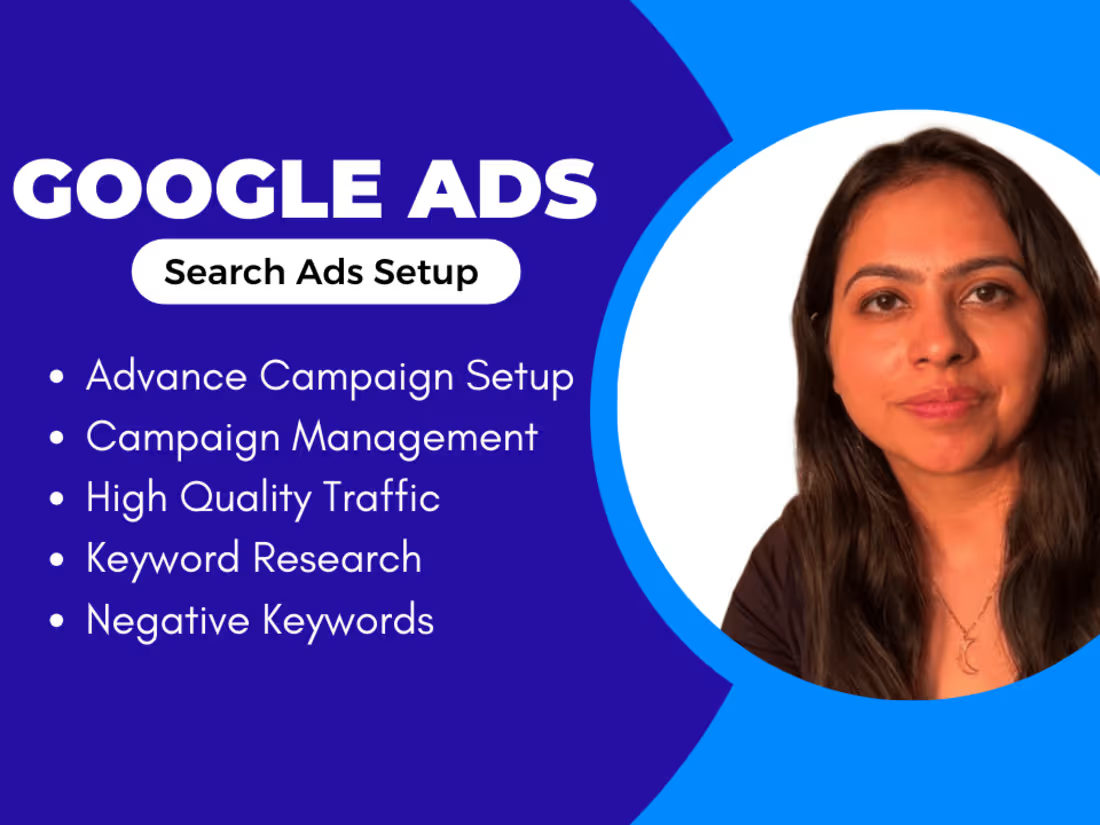
1. Understanding Business Goals and Audience:
Initial Consultation: Before setting up any ads account, it's essential to understand your business goals (e.g., brand awareness, lead generation, sales).
2. Google Ads Setup:
Google Ads Account Setup: Setup of a Google Ads account for the business objectives.
Campaign Types:
Search Ads: For intent-based searches, targeting users actively searching for products/services.
Display Ads: To increase visibility and reach with banner or video ads across Google’s display network.
Shopping Ads: For e-commerce clients to showcase their products directly in Google Search.
YouTube Ads: For video-based campaigns, useful for brand awareness and engagement.
Keyword Research: Thorough keyword research to identify high-performing keywords relevant to business.
Conversion Tracking: Set up conversion tracking to measure the success of campaigns (sales, form submissions, etc.).
Remarketing: Set up of remarketing campaigns to target users who’ve already interacted with the website or ads.
3. Social Media Ads Setup (Facebook, Instagram, LinkedIn, etc.):
Platform Selection: Platforms that align with the business needs and target audience (Facebook, Instagram, LinkedIn, etc.).
Pixel and Tracking Setup:
Facebook Pixel: Implement the Facebook Pixel to track conversions and optimize ads.
Audience Targeting: Custom audiences based on demographics, interests, behaviors, or website traffic. lookalike audiences for extended reach.
Ad Formats:
Facebook & Instagram: Carousel ads, video ads, image ads, slideshow ads, and story ads.
LinkedIn: Sponsored content, text ads, message ads, dynamic ads.
Twitter: Promoted tweets, trends, and accounts.
4. Optimizing Campaigns:
Continuous Monitoring: Monitor the performance of campaigns regularly. Adjust bids, keywords, and audiences based on the data.
A/B Testing: Always test different variations of your ads (e.g., ad copy, design, calls-to-action) to optimize performance.
Ad Performance Review: Review click-through rates (CTR), conversion rates, and cost-per-click (CPC) to assess the effectiveness of the campaigns.
5. Reporting and Analytics:
Regular Reporting: Providing with weekly reports, including key metrics like ROI, conversion rates, and CTR.
Adjustments: Based on the performance data, adjustments in the ad copy, targeting, or budget allocation.
6. Post-Setup Support:
Ongoing Campaign Management: Some clients might need help with ongoing optimization, monitoring, and adjustments to the ad campaigns.
What's included
4x ROI Growth
Marketing for Business Goals
Ads Account Setup
Google and Social Media Account Setup
Optimizing Campaigns
Daily Monitoring of Ads
Vidisha's other services

Starting at$5 /hr
Tags
Facebook Ads

Google Ads

Instagram

Instagram Ads

X Ads

Digital Marketer
Social Media Marketer
Social Media Strategist
Service provided by
Vidisha Bareja Panipat, India
- 6
- Followers
360 Digital Marketing ExpertiseVidisha Bareja
Starting at$5 /hr
Tags
Facebook Ads
Google Ads
Instagram
Instagram Ads
X Ads
Digital Marketer
Social Media Marketer
Social Media Strategist
1. Understanding Business Goals and Audience:
Initial Consultation: Before setting up any ads account, it's essential to understand your business goals (e.g., brand awareness, lead generation, sales).
2. Google Ads Setup:
Google Ads Account Setup: Setup of a Google Ads account for the business objectives.
Campaign Types:
Search Ads: For intent-based searches, targeting users actively searching for products/services.
Display Ads: To increase visibility and reach with banner or video ads across Google’s display network.
Shopping Ads: For e-commerce clients to showcase their products directly in Google Search.
YouTube Ads: For video-based campaigns, useful for brand awareness and engagement.
Keyword Research: Thorough keyword research to identify high-performing keywords relevant to business.
Conversion Tracking: Set up conversion tracking to measure the success of campaigns (sales, form submissions, etc.).
Remarketing: Set up of remarketing campaigns to target users who’ve already interacted with the website or ads.
3. Social Media Ads Setup (Facebook, Instagram, LinkedIn, etc.):
Platform Selection: Platforms that align with the business needs and target audience (Facebook, Instagram, LinkedIn, etc.).
Pixel and Tracking Setup:
Facebook Pixel: Implement the Facebook Pixel to track conversions and optimize ads.
Audience Targeting: Custom audiences based on demographics, interests, behaviors, or website traffic. lookalike audiences for extended reach.
Ad Formats:
Facebook & Instagram: Carousel ads, video ads, image ads, slideshow ads, and story ads.
LinkedIn: Sponsored content, text ads, message ads, dynamic ads.
Twitter: Promoted tweets, trends, and accounts.
4. Optimizing Campaigns:
Continuous Monitoring: Monitor the performance of campaigns regularly. Adjust bids, keywords, and audiences based on the data.
A/B Testing: Always test different variations of your ads (e.g., ad copy, design, calls-to-action) to optimize performance.
Ad Performance Review: Review click-through rates (CTR), conversion rates, and cost-per-click (CPC) to assess the effectiveness of the campaigns.
5. Reporting and Analytics:
Regular Reporting: Providing with weekly reports, including key metrics like ROI, conversion rates, and CTR.
Adjustments: Based on the performance data, adjustments in the ad copy, targeting, or budget allocation.
6. Post-Setup Support:
Ongoing Campaign Management: Some clients might need help with ongoing optimization, monitoring, and adjustments to the ad campaigns.
What's included
4x ROI Growth
Marketing for Business Goals
Ads Account Setup
Google and Social Media Account Setup
Optimizing Campaigns
Daily Monitoring of Ads
Vidisha's other services
$5 /hr