Custom Typography, Wordmarks & Typeface DesignDishant Mehlawat
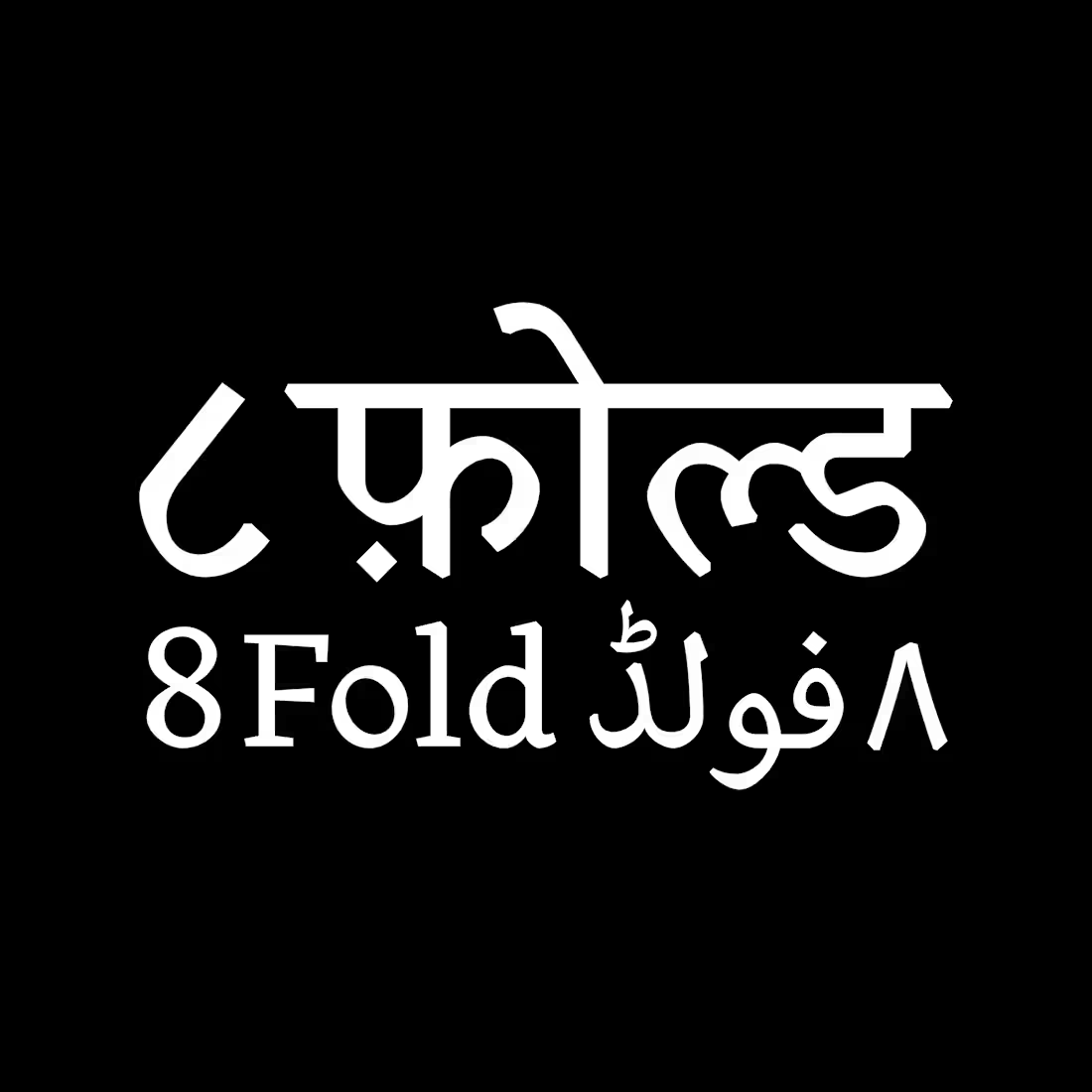
I design custom typography, lettering, wordmarks, and typefaces that give brands and creative projects a distinct visual voice.
My approach combines an understanding of letterforms, typographic history, cultural context, and technical precision. From an expressive wordmark to an original typeface, I focus on creating typography that communicates personality while remaining thoughtful, consistent, and functional.
What's included
Research & Typographic Strategy
The initial phase will focus on understanding the purpose, audience, context, and intended applications of the typography. This will include a discovery discussion, a review of relevant typographic references, an analysis of stylistic opportunities, and an understanding of any technical or language-specific requirements. The research will help define the personality, structure, and functional characteristics of the proposed typographic direction.
Visual Research & Moodboards
Round One will present two distinct typographic directions through curated references, historical influences, structural explorations, and visual moodboards. These directions will examine characteristics such as proportions, stroke contrast, rhythm, weight, construction, and overall expression. Based on client feedback, one direction will be selected and refined to establish the foundation for further development.
Letterform Exploration: R1
The initial Letterform Exploration phase will translate the approved direction into preliminary sketches and digital studies. For wordmarks and lettering projects, this will include explorations of letterform construction, composition, spacing, proportions, and distinctive typographic details. For typeface projects, a representative set of characters will be developed to establish the key structural principles and stylistic features of the design.
Typographic Development: R1
The selected direction will be developed into a more complete typographic solution. This will include refining individual letterforms, establishing consistent proportions, improving stroke relationships, and developing spacing and visual balance.
For wordmarks, the focus will be on the overall composition and its effectiveness across intended applications. For custom typeface commissions, this stage will also include the agreed character set, preliminary spacing, and testing of the design across representative words and text samples.
Typographic Development: Final
The final development phase will focus on refining the approved typographic direction based on client feedback and technical evaluation. Adjustments will be made to letterform outlines, curves, terminals, spacing, proportions, and overall consistency. The result will be tested at relevant sizes and in its intended visual context to ensure that the final typography is both visually distinctive and functional.
Spacing, Kerning & Technical Refinement
Final spacing and visual relationships will be reviewed to achieve consistency and balance.
For custom typeface projects, this phase will also include spacing across the agreed glyph set, kerning development, and technical testing within the intended software and supported environments. OpenType features, alternate characters, ligatures, multilingual support, and variable font functionality may be developed where specifically included in the project scope.
Typographic Applications & Presentation
The completed typography will be presented through a series of relevant applications to demonstrate its personality, versatility, and practical use. These may include brand wordmarks, editorial layouts, posters, packaging, digital interfaces, or typographic specimens, depending on the project. Applications will be used to evaluate the design and communicate how it should be implemented.
Final Deliverables & Handoff
For custom wordmarks and lettering, the final handoff will include approved vector artwork in relevant formats such as AI, SVG, EPS, PDF, and PNG, along with agreed variations and usage guidance.
For custom typeface projects, the handoff will include the approved font files in the agreed formats, such as OTF, TTF, or WOFF2, subject to the technical requirements and project scope. A typographic specimen or usage document will outline the typeface's characteristics, supported character set, and any included OpenType functionality.
Editable source files, font ownership, exclusivity, and licensing terms will be defined in the project agreement.
Revisions & Project Scope
The process includes two initial creative directions, one selected direction for development, and two rounds of consolidated refinements. The starting price applies to limited-scope lettering or wordmark work. Full typeface families, extensive character sets, additional scripts, variable fonts, and advanced OpenType development will be quoted separately based on their technical complexity and production requirements.
FAQs

Starting at$2,000
Duration3 weeks
Tags
Glyphs

Typographer
Fonts and typeface
wordmark
Service provided by
Dishant Mehlawat Delhi, India
- 1
- Followers
Custom Typography, Wordmarks & Typeface DesignDishant Mehlawat
Starting at$2,000
Duration3 weeks
Tags
Glyphs
Typographer
Fonts and typeface
wordmark
I design custom typography, lettering, wordmarks, and typefaces that give brands and creative projects a distinct visual voice.
My approach combines an understanding of letterforms, typographic history, cultural context, and technical precision. From an expressive wordmark to an original typeface, I focus on creating typography that communicates personality while remaining thoughtful, consistent, and functional.
What's included
Research & Typographic Strategy
The initial phase will focus on understanding the purpose, audience, context, and intended applications of the typography. This will include a discovery discussion, a review of relevant typographic references, an analysis of stylistic opportunities, and an understanding of any technical or language-specific requirements. The research will help define the personality, structure, and functional characteristics of the proposed typographic direction.
Visual Research & Moodboards
Round One will present two distinct typographic directions through curated references, historical influences, structural explorations, and visual moodboards. These directions will examine characteristics such as proportions, stroke contrast, rhythm, weight, construction, and overall expression. Based on client feedback, one direction will be selected and refined to establish the foundation for further development.
Letterform Exploration: R1
The initial Letterform Exploration phase will translate the approved direction into preliminary sketches and digital studies. For wordmarks and lettering projects, this will include explorations of letterform construction, composition, spacing, proportions, and distinctive typographic details. For typeface projects, a representative set of characters will be developed to establish the key structural principles and stylistic features of the design.
Typographic Development: R1
The selected direction will be developed into a more complete typographic solution. This will include refining individual letterforms, establishing consistent proportions, improving stroke relationships, and developing spacing and visual balance.
For wordmarks, the focus will be on the overall composition and its effectiveness across intended applications. For custom typeface commissions, this stage will also include the agreed character set, preliminary spacing, and testing of the design across representative words and text samples.
Typographic Development: Final
The final development phase will focus on refining the approved typographic direction based on client feedback and technical evaluation. Adjustments will be made to letterform outlines, curves, terminals, spacing, proportions, and overall consistency. The result will be tested at relevant sizes and in its intended visual context to ensure that the final typography is both visually distinctive and functional.
Spacing, Kerning & Technical Refinement
Final spacing and visual relationships will be reviewed to achieve consistency and balance.
For custom typeface projects, this phase will also include spacing across the agreed glyph set, kerning development, and technical testing within the intended software and supported environments. OpenType features, alternate characters, ligatures, multilingual support, and variable font functionality may be developed where specifically included in the project scope.
Typographic Applications & Presentation
The completed typography will be presented through a series of relevant applications to demonstrate its personality, versatility, and practical use. These may include brand wordmarks, editorial layouts, posters, packaging, digital interfaces, or typographic specimens, depending on the project. Applications will be used to evaluate the design and communicate how it should be implemented.
Final Deliverables & Handoff
For custom wordmarks and lettering, the final handoff will include approved vector artwork in relevant formats such as AI, SVG, EPS, PDF, and PNG, along with agreed variations and usage guidance.
For custom typeface projects, the handoff will include the approved font files in the agreed formats, such as OTF, TTF, or WOFF2, subject to the technical requirements and project scope. A typographic specimen or usage document will outline the typeface's characteristics, supported character set, and any included OpenType functionality.
Editable source files, font ownership, exclusivity, and licensing terms will be defined in the project agreement.
Revisions & Project Scope
The process includes two initial creative directions, one selected direction for development, and two rounds of consolidated refinements. The starting price applies to limited-scope lettering or wordmark work. Full typeface families, extensive character sets, additional scripts, variable fonts, and advanced OpenType development will be quoted separately based on their technical complexity and production requirements.
FAQs
$2,000